Plot Explained Spoilers guaranteed!
Plot Explained

Browse by genre

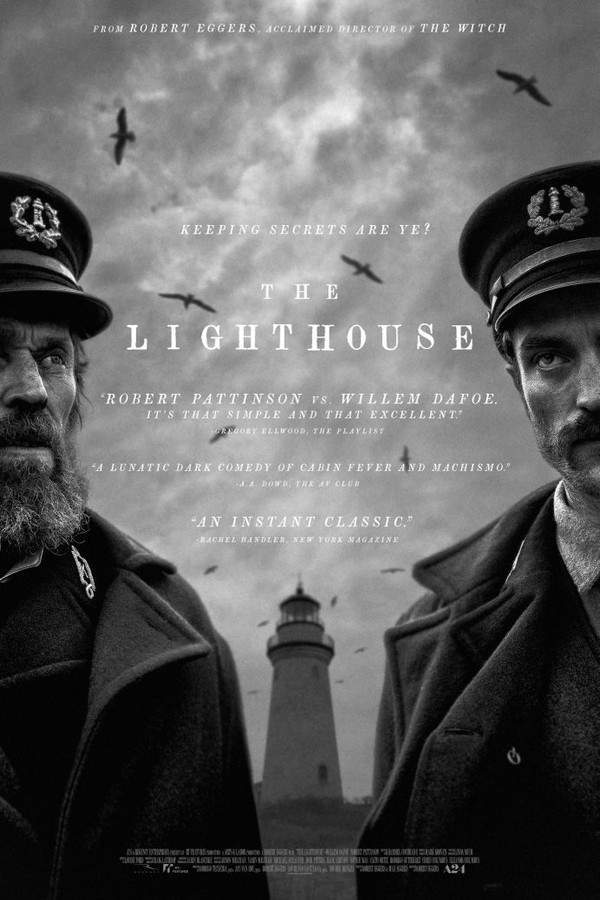
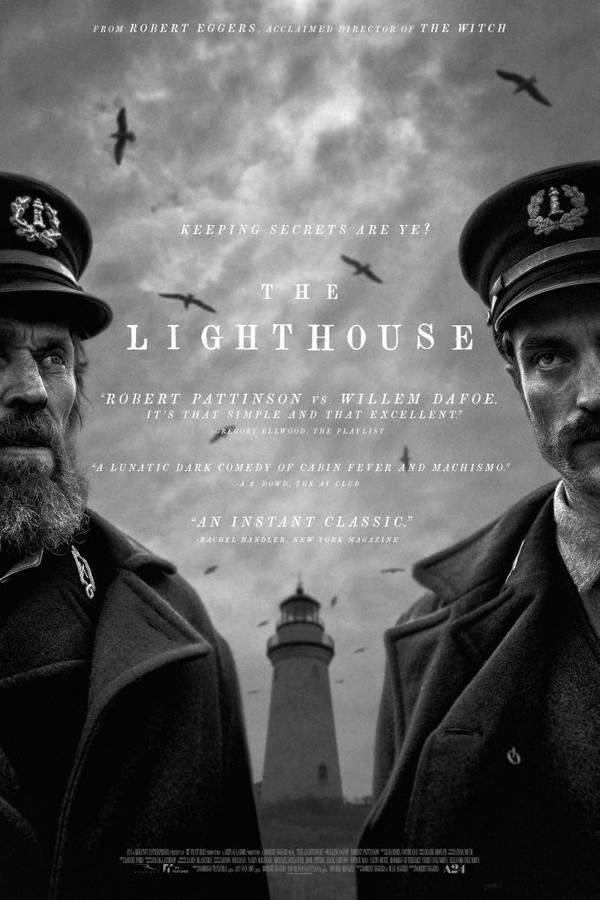
The Lighthouse (2018) movie poster

Plot Summary

The Lighthouse (2018) Plot Summary & Ending Explained

Release, runtime and language
2018 · 102 min · English
Echo score 79
JustWatch #657 239
Directed by
Chris Crow
Starring
Mark Lewis Jones, Ian Virgo, Michael Jibson, Charles Curran, David Shillitoe, Gerald Tyler
Budget
$11M

In 1801, two lighthouse keepers, Thomas Howell and Thomas Wake, are stationed on the remote Smalls Island Lighthouse. A violent storm cuts them off from the mainland, leaving them stranded and increasingly isolated. As weeks turn into months, tensions rise and their grip on reality begins to unravel, leading them down a disturbing path of paranoia, madness, and despair amidst the unforgiving landscape.

On this page (7)
  1. 1 Where to watch
  2. 2 What happens: full plot
  3. 3 Plot questions answered
  4. 4 How it ends
  5. 5 Movie threads
  6. 6 Movies like The Lighthouse
  7. 7 Every angle

Where to watch

Where to Watch The Lighthouse (2018)

Where can you watch The Lighthouse? Stream, rent or buy it in the US, including on HBO Max, Amazon Video and Apple TV Store: current JustWatch availability with up-to-date prices.

Streaming availability powered by JustWatch

Full plot summary · contains spoilers

What Happens in The Lighthouse: Full Plot Summary

The whole story of The Lighthouse (2018) explained, from the opening scene to the final frame: every key event, every twist and what it all adds up to. Read it as a quick recap before the sequel, to check a scene you missed, or to finally understand what really happened.

The cinematic journey unfolds as Thomas Wake, a seasoned lighthouse keeper, begins a four-week stint with his new assistant, Ephraim Winslow. Settling into their isolated quarters, the oppressive environment sets a somber and foreboding atmosphere. Wake, an experienced keeper, has witnessed many colleagues come and go, but there’s an unusual aura surrounding this newcomer that catches his attention. On the other hand, Winslow finds himself intrigued by a hidden mermaid figurine, which adds an air of mystery to the narrative.

As the days go by, Wake offers Winslow a taste of liquor, yet he declines, opting to tackle the arduous responsibilities of their job. The towering lighthouse casts an imposing presence, overshadowing the desolate island. One night, Wake mysteriously vanishes into the shadows, leaving behind only whispers and intrigue. Winslow, sensing that something is amiss, feels compelled to approach the rocky shoreline, where he stumbles upon a shocking sight: a lifeless body adrift in the water.

With each passing day, Winslow becomes haunted by vivid visions of a mermaid, complemented by an ethereal melody that plays in his mind. Wake’s ominous presence looms larger, accompanied by cryptic admonitions, particularly emphasizing that seagulls must never be harmed. He believes these birds carry the souls of lost sailors, making them sacred. Winslow's increasing fascination with the mermaid figurine becomes a symbol for his deepest desires, pulling him further into a web of intrigue.

As tension rises and Winslow’s curiosity escalates, Wake’s nighttime rituals deepen the enigma. The question that echoes throughout their time together is: what secrets lie behind the lighthouse’s formidable façade? As Winslow’s dissatisfaction with his situation intensifies, Wake’s condescending demeanor becomes a frustrating thorn in his side. The climax of their tension arrives when Wake carelessly drops Winslow mid-task, bringing forth a familiar half-blind seagull that seems to mock him. In a moment of defiance, Winslow demands that Wake refer to him by his first name, rejecting the dehumanizing term “dog.”

Their conversations drift to past encounters, with Wake sharing tales of his former wickie’s fantastical adventures involving mermaids and sirens. The monotony of their routine is occasionally interrupted by moments of tension, such as when Winslow attempts to seek solace alone only to be startled by Wake, who approaches him naked toward the flickering light. Later, a chance encounter with a seagull sends Winslow into a frenzied rage, culminating in a violent assault on the bird against the unforgiving rocks.

As their stay on the island nears its end, Wake senses an oncoming storm and suggests they drown their sorrows before their departure. They barricade themselves in, succumbing to a night of relentless drinking, which only exacerbates their brewing conflict over ascension to the lighthouse. The following morning greets an unkempt Winslow as he returns to his chores, confronting a series of unfortunate mishaps, including a messy chamber pot incident that splatters waste back onto him. Amidst the intensifying rain, Winslow encounters a mysterious young woman, seemingly a mermaid, washed ashore. As she awakens and emits a haunting siren's cry, surprise and shock wash over him.

Throughout the storm that follows, Wake grows increasingly pessimistic about their chances of rescue, leading both men to venture into the rain for “rations,” only to become further intoxicated. The night spirals, filled with heated arguments where Winslow's frustration reaches a boiling point, climaxing with cruel insults hurled at Wake’s cooking, invoking Wake’s curse upon Winslow that beckons the anger of Neptune and heralds chaos to unfold.

Throughout the night, Winslow’s repeated attempts at escape are foiled by Wake, who brutally destroys the lifeboat with an axe, igniting a frantic chase that drives Winslow to the brink of madness. Their words, laced with venomous tensions, slowly peel back layers of Wake’s true depravity. As the storm rages outside, it mirrors the turmoil within their souls, revealing Wake’s gruesome past deeds including the murder of a gull and the real Ephraim Winslow.

As dawn breaks, the culmination of their tumultuous night arrives. The argument simmers into a volatile explosion, with Winslow unleashing his pent-up rage on Wake, who provokes him mercilessly. In a fierce struggle, Winslow wrestles Wake into submission, forcing him to act like a dog before burying him momentarily. Yet, this fleeting victory is shattered when Wake violently re-emerges, axe in hand, and sinks it into Winslow’s shoulder. In a tragic twist, overwhelmed by desperation, Winslow counters and delivers a lethal blow to Wake's head.

Claiming the keys, Winslow ascends to the top of the lighthouse, where he gazes longingly into the light. His laughter transforms into madness as he reaches for the beacon, only to lose his footing and tumble down the stairs in a grotesque fall. When the sun rises over the desolate shoreline, Winslow (actor name) lies motionless on the jagged rocks, an unsettling image of vulnerability. The cacophony of screeching seagulls accompanies this grotesque display as they feast voraciously upon him. Paralyzed by dire circumstances, Winslow's unresponsive body underscores the brutality of his environment, with the air thick with decay and despair as his fate unfurls.
Last updated: November 17, 2024 at 13:24

Was this helpful?

Plot questions answered

The Lighthouse Plot Explained: Your Questions Answered

The questions people ask most about The Lighthouse (2018): what happens in the confusing scenes, why the characters do what they do, the twists, hidden details and what the ending means. Each answer contains spoilers.

Q1

Why does Wake destroy the lifeboat?

Wake destroys the lifeboat to prevent Winslow from escaping, ensuring they remain trapped together on the island. This act reveals Wake's possessive nature and his desire to maintain complete control over Winslow, trapping him in their escalating psychological warfare.

Foreshadowing: Wake's earlier warning about the seagulls being sacred foreshadows his obsession with keeping Winslow bound to the island.

  • lifeboat
  • escape
  • wake
  • trap
  • island
Q2

Why does Winslow attack the seagull?

Winslow attacks the seagull in a fit of rage, driven to madness by the oppressive isolation and his simmering resentment toward Wake. The seagull represents the sacred creatures Wake protects, and attacking it marks Winslow's complete break from sanity and his defiance of Wake's rules.

Foreshadowing: Wake's earlier warnings about seagulls being the souls of lost sailors establishes their symbolic importance before the attack.

  • seagull
  • attack
  • madness
  • rage
  • isolation
Q3

What happened to the real Ephraim Winslow?

Wake reveals that the real Ephraim Winslow was a previous wickie who was murdered, suggesting Wake killed him. This revelation exposes Wake as a dangerous, manipulative figure with a history of violence against his assistants.

Foreshadowing: Wake's odd reaction to Winslow's arrival and his unusual aura hint at his knowledge of the previous assistant.

  • real ephraim winslow
  • murder
  • wake
  • previous assistant
Q4

Why is Winslow obsessed with the mermaid figurine?

The mermaid figurine symbolizes Winslow's suppressed desires and serves as a psychological anchor throughout his descent into madness. His visions of an actual mermaid merge with his fascination with the figurine, representing his longing for escape, feminine connection, and release from his oppressive situation.

Foreshadowing: Wake's tale about his former wickie encountering mermaids plants the idea in Winslow's mind before the visions begin.

  • mermaid figurine
  • obsession
  • hallucinations
  • desires
Q5

Why does Wake call Winslow 'dog'?

Wake uses the term 'dog' to dehumanize Winslow and establish his dominance over the younger keeper. This degrading label reflects Wake's authoritarian personality and his need to assert control. Winslow's fierce rejection of this label, demanding to be called by his first name, marks a pivotal moment in their power struggle.

Foreshadowing: Wake's condescension from their first meeting establishes his pattern of verbal domination.

  • dog
  • wake
  • insult
  • dominance
  • identity
Q6

What does the lighthouse represent in the film?

The lighthouse symbolizes ultimate power and enlightenment, but also destructive obsession. Its beacon represents the height of authority that both men desperately seek. Winslow's final ascent to reach the light represents his tragic pursuit of meaning and control, which ultimately leads to his violent death.

Foreshadowing: Wake's refusal to let Winslow tend the light earlier builds tension toward this final moment.

  • lighthouse
  • symbol
  • light
  • power
  • beacon
Q7

Is the mermaid real or a hallucination?

The mermaid appears to be a hallucination induced by Winslow's psychological deterioration and isolation. She manifests during his mental breakdown and resembles the figurine he became obsessed with. Whether she represents a drowned woman or purely a product of Winslow's unraveling mind remains ambiguous.

Foreshadowing: Winslow's visions begin after discovering the body and intensify with continued isolation.

  • mermaid
  • hallucination
  • reality
  • vision
  • madness
Q8

Why does Winslow fall from the lighthouse?

After killing Wake and ascending to claim the lighthouse light, Winslow becomes consumed by madness. His laughter turns manic as he reaches for the beacon, and he loses his footing, tumbling down the stairs to his death. This tragic end represents the futility of his pursuit for power and enlightenment.

Foreshadowing: The earlier power struggle over who gets to ascend the lighthouse foreshadows this fatal attempt.

  • fall
  • lighthouse
  • death
  • madness
  • stairs
Q9

Why are the seagulls considered sacred?

Wake considers seagulls sacred because he believes they carry the souls of lost sailors. This belief drives his strict prohibition against harming them. Wake's own history of killing seagulls (and his admission to killing the real Ephraim Winslow) reveals his hypocrisy and deepening villainy.

Foreshadowing: Wake's cryptic admonitions about seagulls early in the film gain meaning with later revelations.

  • seagulls
  • sacred
  • souls
  • sailors
  • wake
Q10

Why does Wake disappear that first night?

Wake mysteriously vanishes into the shadows on the first night, leaving Winslow alone on the rocky shoreline. This disappearance serves to unsettle Winslow and establishes the air of mystery surrounding Wake. When Winslow discovers a body in the water, it deepens the dread and sets the tone for their deteriorating relationship.

Foreshadowing: This early disappearance establishes Wake as a manipulative figure who operates in secrets.

  • wake
  • disappearance
  • night
  • mystery
  • shoreline
Q11

What does Wake's curse about Neptune mean?

When Winslow insults Wake's cooking, Wake curses him, invoking Neptune's anger to bring chaos. This curse appears to come true as the storm intensifies and violence erupts between them. The curse represents the film's themes of maritime superstition and the men's descent into mythological, tragic conflict.

Foreshadowing: The curse foreshadows the escalating storm and violent confrontation that follows.

  • curse
  • neptune
  • storm
  • chaos
  • cooking
Q12

What does the ending with the seagulls mean?

The ending shows Winslow's lifeless body on the rocks as seagulls feast upon him, fulfilling Wake's belief that seagulls are souls of lost sailors. It represents the ultimate vulnerability and the brutal reality of their isolated existence. The seagulls consuming Winslow symbolizes nature's indifference and the finality of his tragic fate.

Foreshadowing: Wake's earlier warnings about seagulls and the souls they carry create ironic callback in the ending.

  • ending
  • seagulls
  • body
  • consumption
  • fate

Ending explained

What Happens at the End of The Lighthouse?

How The Lighthouse (2018) ends, in short: the final scene, the last twist and what it means for the characters. The full ending explained, with every spoiler, lives on its own page.

Read the full ending explained

The ending of "The Lighthouse" is deliberately ambiguous and open to interpretation, emphasizing the film's themes of madness, identity, and myth. Throughout the film, Winslow and Wake spiral into hallucinations and delusions, blurring the line between reality and imagination. As Winslow becomes increasingly obsessed with uncovering the lighthouse’s secrets, he is driven to a tragic fate, symbolized by the image of seagulls tearing at his liver, a clear allusion to Prometheus’s punishment for seeking forbidden knowledge. The final moments show Winslow burying Wake alive and delivering a prophetic monologue about Proteus—highlighting the idea that he’s either destined for a Promethean, enlightenment-like fate or condemned to eternal ignorance. The film suggests that what Winslow ultimately finds at the lighthouse may be beyond human comprehension, and perhaps it’s better not to know. The last shot leaves viewers pondering whether Winslow’s journey was real or a descent into madness, reinforcing the film's exploration of human obsession, myth, and the divine. In the end, "The Lighthouse" does not provide neat closure but instead invites us to accept that some mysteries are impossible to resolve, much like the eternal sea and its mythic symbols.

The Lighthouse ending explained in full

Movie threads

More Movies Like The Lighthouse, by Mood & Story

Curated lists built around what makes The Lighthouse tick: the same mood, the same kind of story or the same emotional payoff. Each list explains why these movies belong together.

Movies about isolated madness like The Lighthouse

Stories where confined settings trigger a grim psychological collapse. If you liked the suffocating psychological breakdown in The Lighthouse, this list features movies like it that explore descent into madness. These films use confined settings to fuel paranoia and despair, delivering similar slow-burn tension and bleak character studies.

  • claustrophobic
  • paranoid
  • madness
  • despair
  • unsettling
  • oppressive
  • Tone: dark, bleak, unsettling
  • Pacing: slow burn
Why these movies?

The story pattern: The narrative pattern follows characters, often a small group, confined to a single location—be it an island, a spaceship, or a remote outpost. External conflict is secondary to the internal, psychological warfare as isolation, paranoia, and power struggles lead to a complete loss of reality.

Why they belong together: These movies are grouped together because they share a core experience: the use of a claustrophobic setting to explore the fragile human psyche. They deliver a heavy emotional weight through a slow-burn pace, culminating in bleak or tragic endings that underscore the themes of madness and despair.

Slow-burn psychological thrillers like The Lighthouse

Films where unease builds methodically into overwhelming dread. For viewers who appreciated the deliberate, oppressive pacing of The Lighthouse, this collection highlights similar slow-burn psychological thrillers. These movies build tension methodically, focusing on mood and atmosphere to create a deeply unsettling and intense viewing experience.

  • slow burn
  • foreboding
  • unsettling
  • tense
  • atmospheric
  • psychological
  • Tone: dark, tense, foreboding
  • Pacing: slow, methodical, atmospheric
Why these movies?

The story pattern: Stories in this thread unfold deliberately, often withholding immediate explanations or action in favor of building a thick atmosphere of dread. The plot is secondary to the emotional and psychological journey, which escalates subtly but inexorably towards a climax of despair or revelation.

Why they belong together: These films are united by their masterful control of pacing and mood. They create a similar viewing experience defined by patience and unease, rewarding viewers with a deep, atmospheric immersion rather than quick plot twists. The shared elements are a slow pace, high psychological tension, and a dark, heavy tone.

If you liked this

Movies Like The Lighthouse

Similar movies to The Lighthouse: the same genre, themes or kind of story. Each one comes with its own plot summary, timeline and ending explained.

Browse all movie summaries

Every angle

The Lighthouse (2018) Explained: Plot, Ending, Timeline & Characters

Everything about The Lighthouse in one place: what happens in the plot summary, the timeline in chronological order, the characters and meaning, the ending explained and a spoiler-free summary. What's After the Movie adds the cast, box office and post-credit scenes.

Coming soon on iOS and Android

The Plot Explained Movie Summary App

Plot summaries, endings explained and timelines on your phone. Catch up on any movie in minutes, save your favorites and never miss a twist again.

Be the first to know when we launch. Your email stays private, always.

Learn more about the app