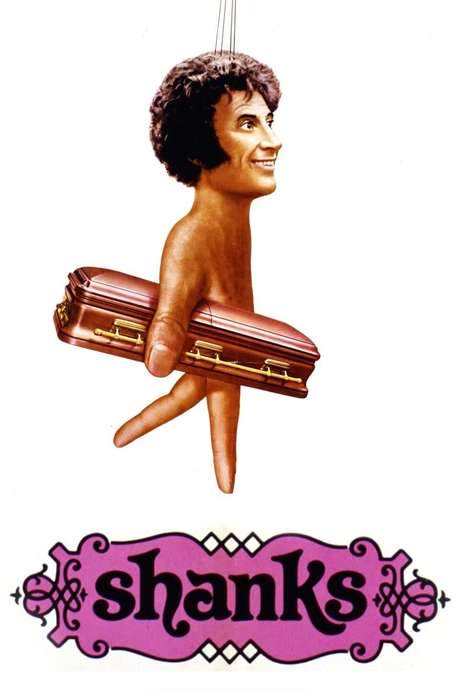
Shanks
Year: 1974
Runtime: 93 mins
Language: English
Malcolm Shanks is a deaf, mute loner abused by his sister and her husband. His only comfort is making and controlling puppets, a talent that lands him a job as lab assistant to Dr. Walker, who is researching re‑animation of corpses with electrodes and string‑like control. When the professor dies, Shanks uses the experiments on a human body for revenge.
Warning: spoilers below!
Haven’t seen Shanks yet? This summary contains major spoilers. Bookmark the page, watch the movie, and come back for the full breakdown. If you're ready, scroll on and relive the story!
Shanks (1974) – Full Plot Summary & Ending Explained
Read the complete plot breakdown of Shanks (1974), including all key story events, major twists, and the ending explained in detail. Discover what really happened, and what it all means.
In a film billed as a grim fairy tale, the story follows Malcolm Shanks [Marcel Marceau], a deaf yet razor-sharp lip reader and mute puppeteer who lives with his cruel sister Tsilla Chelton and her alcoholic husband, Mr. Barton [Philippe Clay]. His formidable talent catches the eye of the enigmatic doctor-mentor, Mr. Walker [Marcel Marceau], who hires him as a lab assistant at a sprawling Gothic mansion. Malcolm’s family press him to be the breadwinner, resenting when he hides away a portion of his pay. The experiments in Walker’s mansion revolve around reanimating the dead and bending their bodies to control them like marionettes, starting with a frog and a chicken. The premise sets a dark, fantastical mood* as Malcolm’s puppets begin to reflect his inner world.
When Mr. Walker dies unexpectedly, Malcolm returns home clutching a puppet of his employer—an object of personal significance—and begins crafting a puppet show for his teenage assistant Celia Cindy Eilbacher on her birthday. His sister and brother-in-law grow more outraged by his absence from work, and Barton smashes the Walker puppet’s head, insisting Malcolm resume his duties. He complies by applying the experimental reanimation to Walker himself, restoring life in a way that blurs the line between art and horrid reality.
A chain of eerie events unfolds. Walker’s death is followed by Malcolm’s chilling act of animating Barton, who staggers through the streets in a puppet-like parade of movement that looks almost like drunkenness. Mrs. Barton, in a cruel twist of fate, is killed when a car strikes the family as they move through the town. A police officer Read Morgan arrives to sort out the chaos, but Malcolm somehow fends off suspicion by staging a scene in which he appears to be an ordinary spectator, the flashlight from the officer’s beam glancing past the family as if they were simply living figures under a show’s glow.
The next day, Malcolm takes the Bartons to the grocery store, where grocer William Castle allows them to take what they need, even paying off more than what is owed while Barton fills a wicker basket with gin. Celia’s mother consents to a picnic, and Celia becomes increasingly unsettled as she discovers the Bartons’ true fate, though Malcolm gestures that their death was caused by a car accident. He then leads Celia to Walker’s mansion to celebrate her birthday, where she admires a portrait of Walker’s late wife (unseen) and slips into one of her dresses. Malcolm, who dons 19th-century attire while keeping his bell-bottoms, shares a formal dinner with Celia, with the Bartons acting as servants. The scene turns darker when Mrs. Barton cuts off a finger while slicing the cake, a moment Malcolm discreetly hides in his lapel.
Outside, trouble intensifies as a motorcycle gang arrives. Their leader, Beethoven [Phil Adams], crashes off the road and dies, and his companions haul him into the mansion, scattering cake and shattered expectations. The gang members attack Malcolm and Celia. Goliath [Biff Manard] assaults Celia, and Mata Hari [Helena Kallianiotes] tries to intervene, only to be knocked aside and left to sober up on Barton’s gin. Einstein [Don Calfa] becomes fascinated with Walker’s experiments, pushing the Bartons to perform more humiliating tricks than Malcolm would have imagined. By night’s end, Celia is found dead in the yard, and Malcolm reanimates Walker from the grave to confront the gang after they discard Barton’s controls into a well. The gang rebels in horror and escapes.
In a sepia-lit sequence, Malcolm briefly reanimates Celia for a dance, and the film returns to the opening frame with extreme close-ups of Malcolm’s eye. Each puppet receives a curtain call as the story circles back to its origin, finishing with a final line from William Makepeace Thackeray:
> Come... let us shut up the box and the puppets—for our play is played out.
As the film draws to a close, a haunting twist emerges: the entire revenge fantasy—the puppet theater and the town’s chaos—unfolds within Malcolm’s mind as he performs his puppet show, a paranoid reverie that binds art, mortality, and longing into one spectral performance. The result is a macabre, dreamlike meditation on creativity and control, where the boundary between creator and puppet blurs until the audience is left to question what is real, what is imagined, and who truly holds the strings.
Last updated: October 05, 2025 at 11:30
Shanks (1974) Plot Questions Answered – Summary FAQ
Explore frequently asked questions about Shanks (1974) with spoiler-rich answers covering the full plot summary, major story beats, character motivations, hidden details, and ending meaning. This movie summary FAQ helps explain confusing scenes, plot twists, and narrative decisions in clear, searchable detail.
Why does Malcolm reanimate Walker and the Bartons?
Malcolm uses the reanimation experiments to get revenge against his abusers. After Mr. Walker dies unexpectedly, Malcolm brings Walker's corpse back to life. When his brother-in-law Barton smashes the Walker puppet and demands Malcolm return to work, Malcolm fights back by reanimating a chicken to kill Barton. He then continues animating the Bartons' corpses to maintain the illusion that they are alive, using them as servants while he orchestrates his elaborate revenge fantasy.
The earlier scene where Barton smashes Walker's puppet triggers Malcolm's decision to use the reanimation for revenge instead of mercy.
How does Malcolm evade the police officer after the Bartons die?
When Mrs. Barton is killed by a car, a police officer arrives to investigate. Malcolm stages a scene through the window making it appear the family is inside watching television. The officer's flashlight beam passes over the Bartons standing motionless in the room, but Malcolm positions them so they look like living figures under the glow. The officer sees only what appears to be an ordinary household and leaves without suspicion.
This scene demonstrates Malcolm's skill at manipulating perception, established earlier through his ability to read lips despite being deaf-mute.
What happens to Celia at the end of the movie?
Celia is killed during the motorcycle gang attack when Goliath assaults her in the mansion yard. Later, in a sepia-toned sequence, Malcolm briefly reanimates her corpse to perform one final dance with him before the film returns to the puppet show frame. This suggests the entire revenge narrative may have been a macabre fantasy Malcolm performed in his mind while operating his puppets.
Celia's growing unease during the picnic scene, where she learns the Bartons are dead, foreshadows her ultimate fate.
Is the entire story real or is it all in Malcolm's mind?
The ending reveals that the revenge narrative unfolds within Malcolm's mind as he performs his puppet show. The film returns to the opening frame showing extreme close-ups of Malcolm's eye, and each puppet receives a curtain call. This suggests the story of reanimation, murder, and the gang attack was likely a paranoid fantasy, a macabre puppet theater of his own making, rather than actual events.
The intertitles describing the reanimation as "mercy toward the dead" and the dreamlike, surreal tone hint throughout that reality and performance are blurred.
Why does Mrs. Barton cut off her finger during the birthday dinner?
During the birthday dinner at Walker's mansion, Mrs. Barton's finger is severed while slicing the cake, this happens because her reanimated body is stiff and lacks proper motor control. Malcolm discreetly hides the severed finger in his lapel pocket, maintaining the illusion that the Bartons are still living servants.
Earlier scenes showing Barton's puppet-like, stiff movements already demonstrate the limitations of Malcolm's reanimated corpses.
How does Malcolm control the reanimated bodies?
Malcolm uses the same electrode and string technology Dr. Walker developed in his laboratory. The experiments originally involved reanimating a frog and chicken, applying electrical currents and string-like controls to manipulate the corpses like marionettes. Malcolm adapts this technique to control human bodies, specifically Walker and the Bartons, using wires and electrodes to make them walk, move, and perform tasks as his personal puppets.
The laboratory scenes at Walker's mansion establish the technology and method before Malcolm applies it to human corpses.
Why does the motorcycle gang attack Malcolm and Celia?
The motorcycle gang arrives at Walker's mansion after their leader, Beethoven, crashes and dies on the road outside. The gang members bring Beethoven's body inside and then attack Malcolm and Celia, Goliath assaults Celia while others ransack the mansion and force the Bartons to perform humiliating tricks. The attack appears to be random violence from desperate gang members rather than a planned assault.
The sudden, violent intrusion represents the external chaos that disrupts Malcolm's carefully controlled puppet world.
What does the Thackeray quote at the end mean?
The closing quote from William Makepeace Thackeray states: "Come... let us shut up the box and the puppets, for our play is played out." This signifies the end of Malcolm's performance and his fantasy of control. The "box" refers to his puppet theater, and the quote suggests it's time to stop the show, to accept that his revenge fantasy, like all performances, must conclude. It reinforces the theme that Malcolm has been both puppeteer and puppet, creator and creation, trapped in his own macabre narrative.
The entire film has been framed as a puppet show, making this quote a natural conclusion to that meta-narrative.
Why does Malcolm hide part of his pay from his sister and brother-in-law?
Malcolm secretly keeps $50 of his earnings because he wants to maintain some independence from his abusive family. His sister and her husband demand he be the breadwinner and control all his money, treating him as a servant. Hiding part of his pay represents Malcolm's small act of rebellion and his desire to keep something of his own, however minimal.
This conflict establishes the power dynamic in Malcolm's household and the resentment that fuels his later revenge.
How does Celia discover the Bartons are dead?
During the picnic scene, Celia gradually realizes the Bartons are not alive. Malcolm has brought them along as servants, and their strange, puppet-like behavior makes their true nature obvious. When Celia discovers the truth, she becomes deeply disturbed. Malcolm gestures that their death was caused by a car accident, confirming what she suspects.
This scene marks Celia's shift from participant to observer of Malcolm's dark world.
Why does Malcolm reanimate Walker from the grave to fight the gang?
After the motorcycle gang kills Celia, Malcolm digs up Walker's corpse and reanimates him to confront the intruders. This represents Malcolm's ultimate weapon, using the creator (Walker) against the chaos that destroyed his world. Walker, as a reanimated puppet, leads the counterattack against the gang, who flee in horror when they witness the monstrous figure.
Walker's death earlier in the film set up his eventual return as Malcolm's final instrument of vengeance.

Explore Movie Threads
Discover curated groups of movies connected by mood, themes, and story style. Browse collections built around emotion, atmosphere, and narrative focus to easily find films that match what you feel like watching right now.
Movies about lonely puppet-master revenge like Shanks
Isolated protagonists use art, science, or puppetry to enact vengeance. If you liked Shanks, explore movies featuring isolated outcasts who use puppetry, art, or macabre science as a means of control and revenge. These films share a dark, melancholic tone and explore themes of abuse, power, and the unsettling nature of creation.
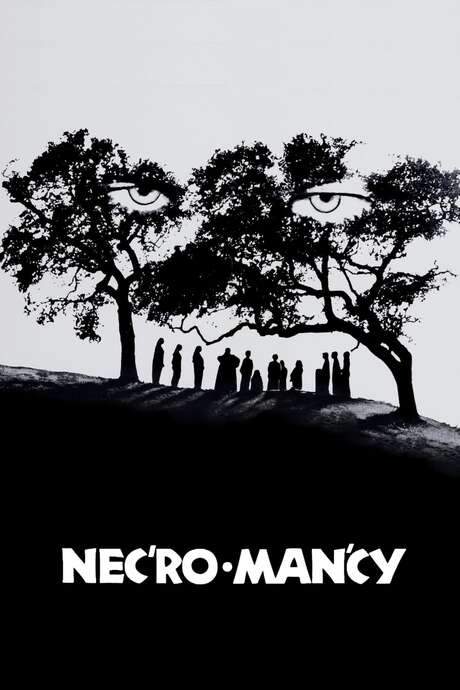
Necromancy
1972
Shanks
1974

Nosferatu
1922

Ghost Story
1981

Uninhabited
2010

Dark Waters
1993

Lovely, Dark, and Deep
2024

Hour of the Wolf
1968

The Borderlands
2013
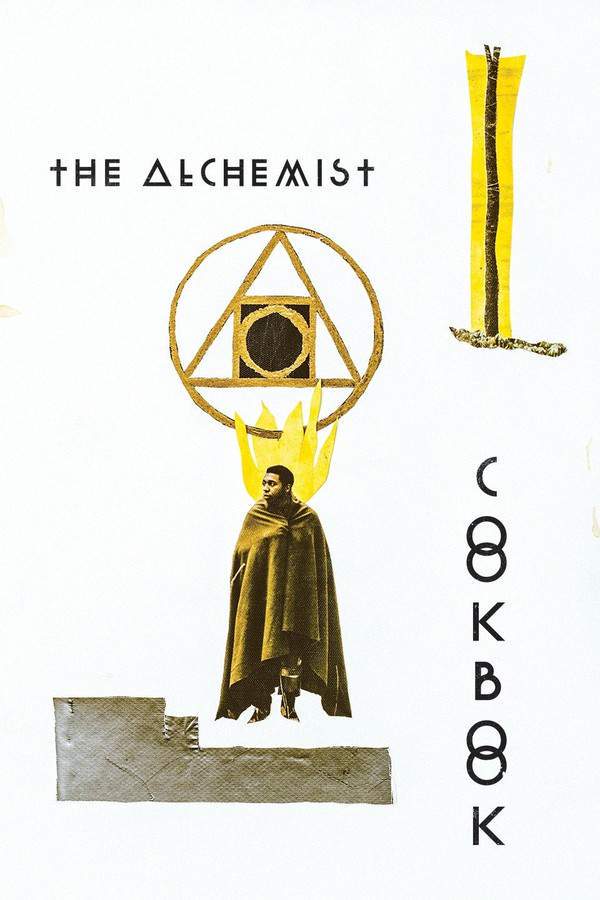
The Alchemist Cookbook
2016
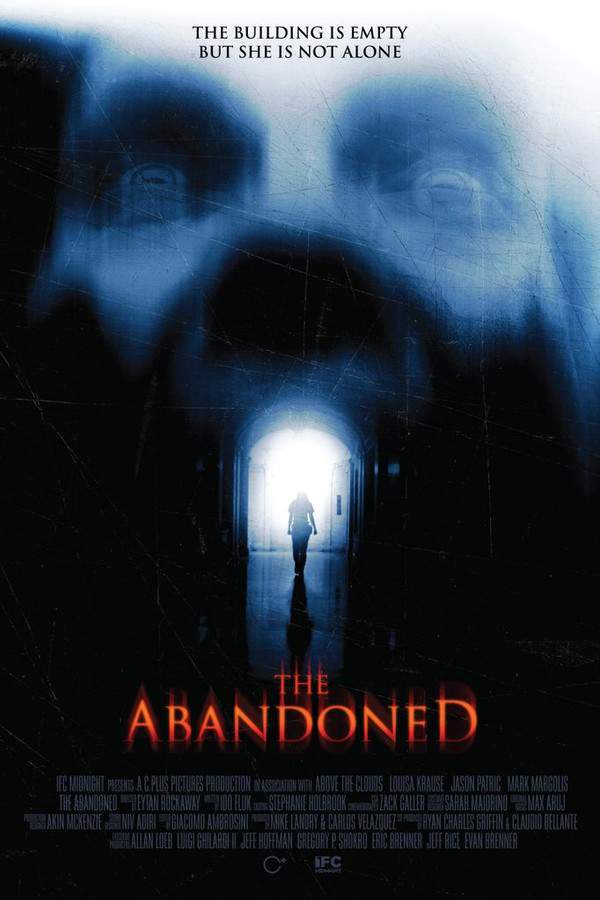
The Abandoned
2016

The Strange Hostel of Naked Pleasures
1976

Howling IV: The Original Nightmare
1988
The Beast Within
2024
The Feast
2021
Narrative Summary
These narratives typically follow a lonely protagonist, burdened by abuse or isolation, who discovers a unique form of control—over puppets, corpses, or even minds. The story unfolds as they meticulously plan and execute their vengeance, often leading to a morally complex or ambiguous conclusion about the cost of their power.
Why These Movies?
Movies are grouped here for their shared character archetype—the isolated avenger—and the central theme of using a specialized skill for dark purposes. They create a specific, eerie mood through a focus on control, manipulation, and the psychological unraveling of a singular, wronged individual.
Slow-burn surreal horror movies with ambiguous reality like Shanks
Dreamlike horror films where the protagonist's perception of reality unravels. Fans of Shanks will appreciate these surreal horror films that use a slow pace to build an eerie, oppressive atmosphere. These movies often feature ambiguous endings and explore the blurry line between dreams, madness, and reality, much like the narrative in Shanks.

Dead of Night
1945

The Last Wave
1977
Beyond the Black Rainbow
2012

A Quiet Week in the House
1969
Delusion
2016
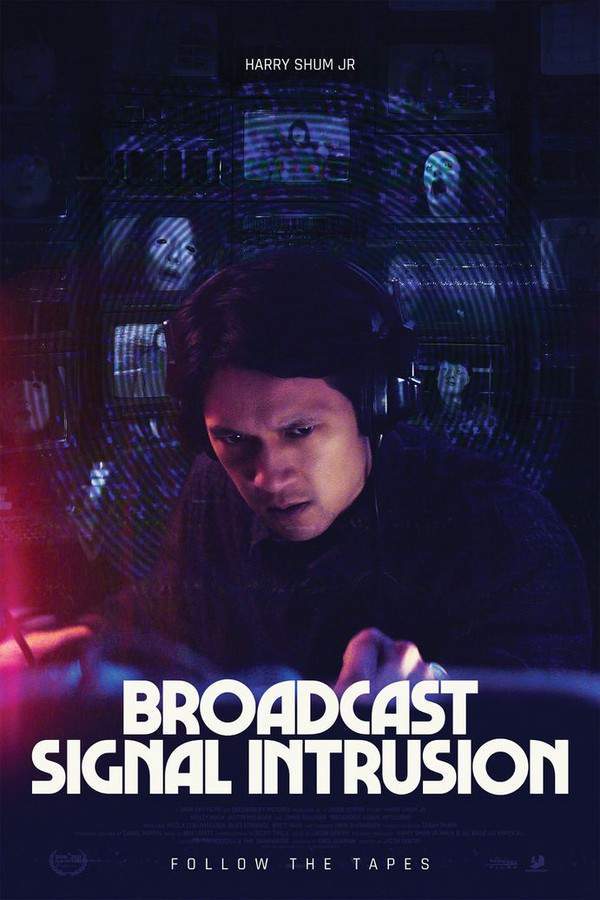
Broadcast Signal Intrusion
2021
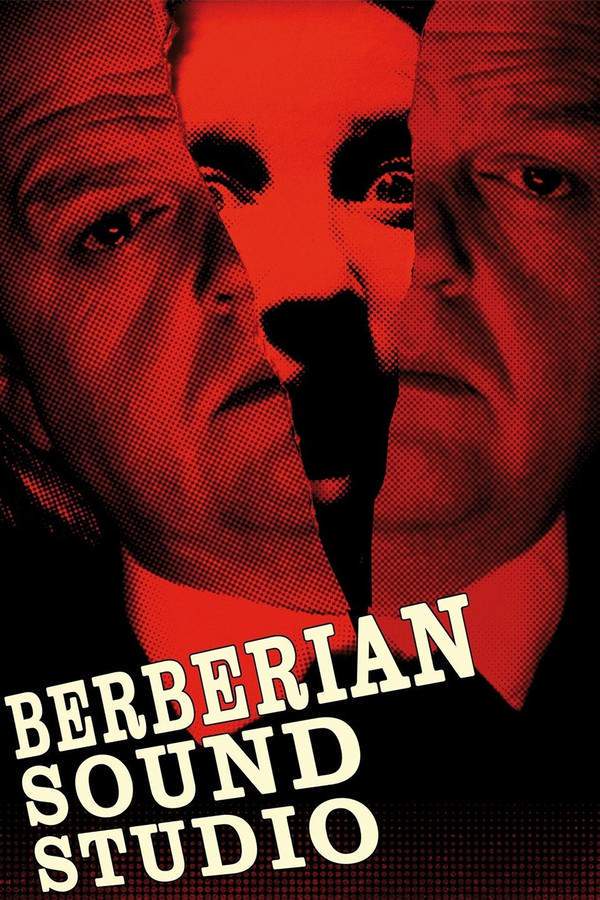
Berberian Sound Studio
2013

Woodshock
2017

A Reflection of Fear
1972
Shanks
1974

A Visitor to a Museum
1989

Spider Forest
2004
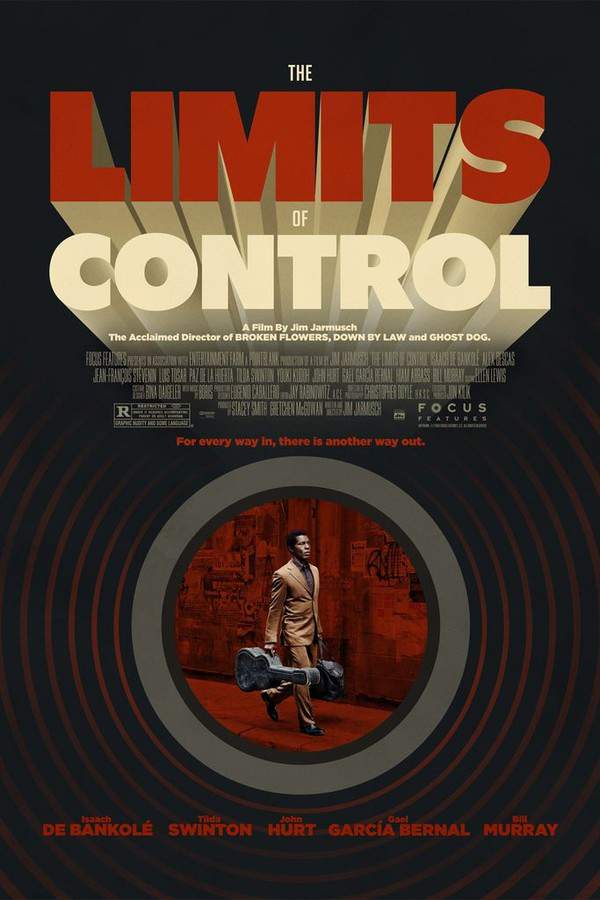
The Limits of Control
2009
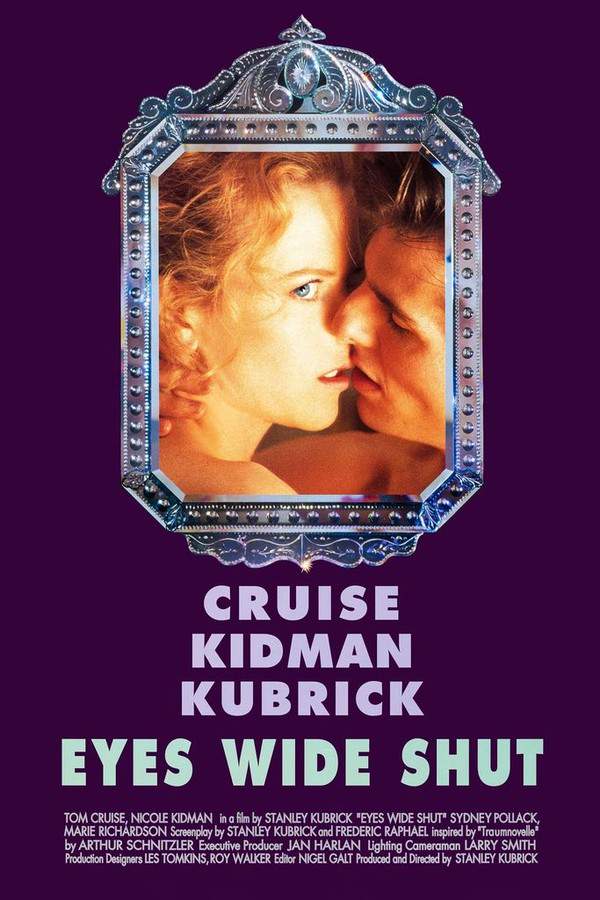
Eyes Wide Shut
1999

Secret Sunday
2010
Narrative Summary
Stories in this thread unfold gradually, building a surreal and often macabre atmosphere. The central conflict is frequently internal, as the protagonist's grip on reality weakens. The plot structure is non-linear or metaphorical, requiring audience interpretation and leading to an ending that questions what was truly real.
Why These Movies?
These films are united by their unique vibe: a combination of slow pacing, a surreal or dreamlike visual style, and a narrative complexity that creates psychological ambiguity. The experience is defined by a sustained mood of eerie dread rather than conventional horror plot points.
Unlock the Full Story of Shanks
Don't stop at just watching - explore Shanks in full detail. From the complete plot summary and scene-by-scene timeline to character breakdowns, thematic analysis, and a deep dive into the ending - every page helps you truly understand what Shanks is all about. Plus, discover what's next after the movie.
Shanks Timeline
Track the full timeline of Shanks with every major event arranged chronologically. Perfect for decoding non-linear storytelling, flashbacks, or parallel narratives with a clear scene-by-scene breakdown.

Characters, Settings & Themes in Shanks
Discover the characters, locations, and core themes that shape Shanks. Get insights into symbolic elements, setting significance, and deeper narrative meaning - ideal for thematic analysis and movie breakdowns.


Similar Movies to Shanks
Discover movies like Shanks that share similar genres, themes, and storytelling elements. Whether you’re drawn to the atmosphere, character arcs, or plot structure, these curated recommendations will help you explore more films you’ll love.
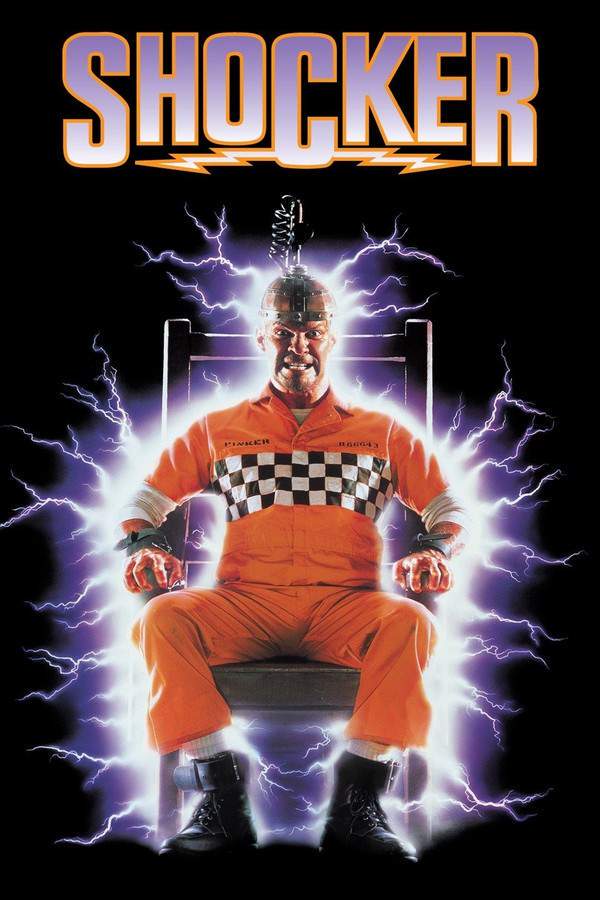
Shocker
1989

Doctor Butcher M.D.
1980
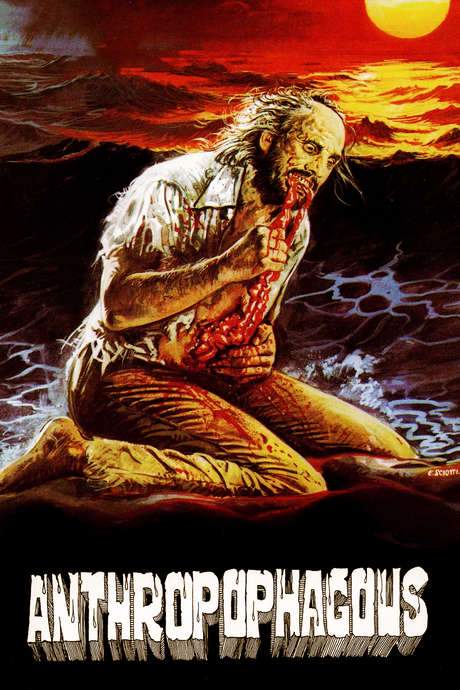
Anthropophagous
1980

The Dead Pit
1989

Slaughterhouse
1987

Strangler of the Swamp
1946
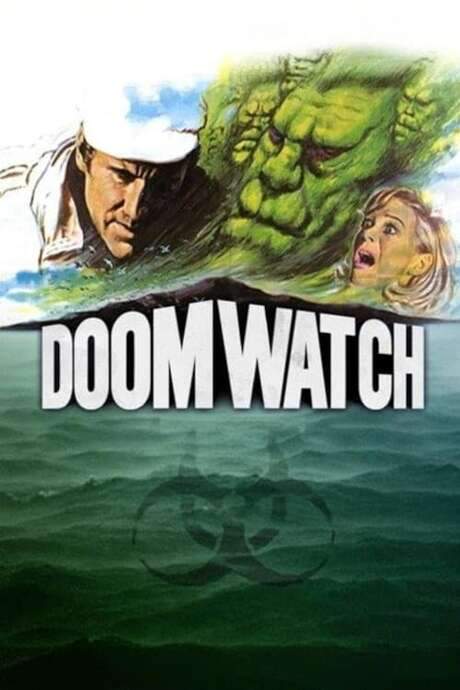
Doomwatch
1972

Shriek of the Mutilated
1974
Maniac
1934

Curse of the Puppet Master
1998

Skeleton Crew
2009

The Killer Shrews
1959

The Puppetman
2023

Shrunken Heads
1994

Sh! The Octopus
1937
Explore More About Movie Shanks
Shanks (1974) Scene-by-Scene Movie Timeline
Shanks (1974) Movie Characters, Themes & Settings
Shanks (1974) Spoiler-Free Summary & Key Flow
Movies Like Shanks – Similar Titles You’ll Enjoy
Shocker (1989) Full Movie Breakdown
Doctor Butcher M.D. (1980) Complete Plot Breakdown
Anthropophagous (1980) Full Movie Breakdown
The Dead Pit (1989) Complete Plot Breakdown
Slaughterhouse (1987) Ending Explained & Film Insights
Strangler of the Swamp (1946) Full Movie Breakdown
Doomwatch (1972) Complete Plot Breakdown
Shriek of the Mutilated (1974) Story Summary & Characters
Maniac (1934) Film Overview & Timeline
Curse of the Puppet Master (1998) Spoiler-Packed Plot Recap
Skeleton Crew (2009) Full Summary & Key Details
The Killer Shrews (1959) Spoiler-Packed Plot Recap
The Puppetman (2023) Full Movie Breakdown
Shrunken Heads (1994) Plot Summary & Ending Explained
Sh! The Octopus (1937) Movie Recap & Themes