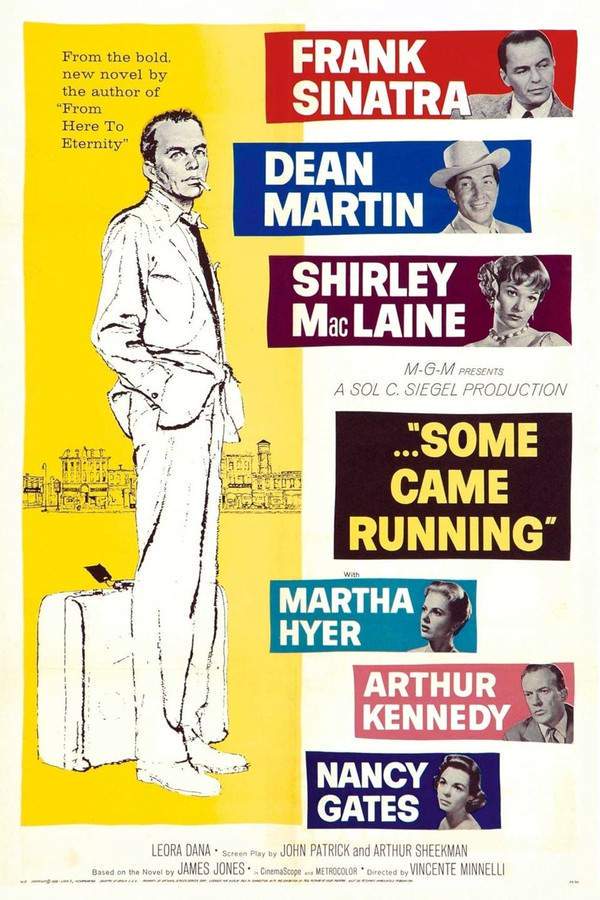
In the deep South of the 1930s, the sleepy river town of Dodson clings to the slow pulse of a single railroad line that threads through its cracked sidewalks and weather‑worn houses. The lingering haze of a hard‑pressed economy settles over dusty streets, where conversations drift like the whistle of passing trains and every bedroom window looks out onto fields that have known better days. The town’s atmosphere is a blend of quiet desperation and stubborn hope, a place where the past feels as close as the next departing car.
When a weary outsider arrives, the community’s fragile routine is quietly upended. Owen Legate, a railroad official tasked with evaluating the line’s future, steps into Dodson with a measured professionalism that masks the weight of his assignment. He carries the calm of someone accustomed to steel and schedule, yet his presence immediately draws the curiosity of locals who sense both opportunity and threat in his measured steps. The tension between his corporate purpose and the town’s lived reality creates a subtle undercurrent that hums through every interaction.
At the heart of the town’s modest social scene is a magnetic figure who seems to embody the very spirit Dodson clings to. Alva Starr is the charismatic flirt who lights up the boarding house with laughter, music, and an effortless charm that draws men and women alike into her orbit. Her dreams of a life beyond the riverbank whisper through the rooms she inhabits, hinting at a yearning for something larger than the dusty horizons that frame her world. Around her, the tight‑knit community—anchored by the matriarchal presence of Mama Starr—oscillates between protective familiarity and the restless desire for change.
As Owen and Alva cross paths, their contrasting worlds begin to intersect, setting the stage for a delicate dance of attraction and ambition. The town’s rhythm, marked by the steady thrum of rails and the soft murmur of longing, frames a story where personal desire and collective survival brush against each other. In a place where the future feels as uncertain as a train’s arrival, the promise of connection offers both a respite and a new kind of uncertainty, inviting the audience to wonder how far two strangers might go when the tracks of fate converge.