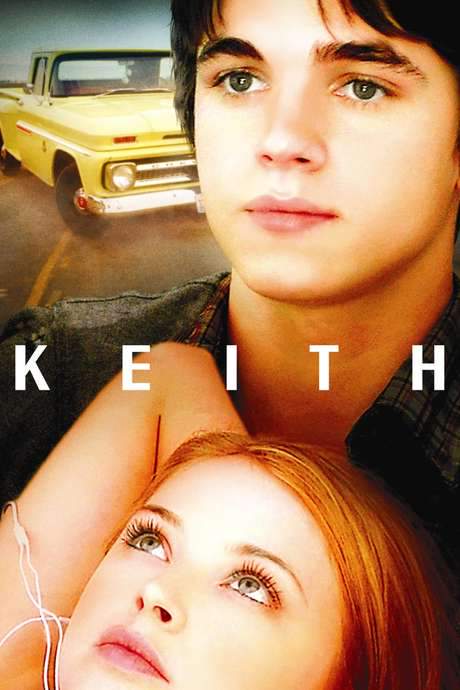
Set in 1953, the film follows the fragile romance between [Bobbie Lee Hartley], [Glynnis O'Connor], and [Billy Joe McAllister], [Robby Benson], as they navigate the tight lines drawn by the Hartley family who insist she is too young to date. The town’s gossip mill becomes a constant hum, coloring every quiet moment with a sense of looming judgment, and the couple must decide how far they’re willing to go before the world around them shuts them out.
One night at a jamboree, Billy Joe, already rattled by pressure and liquor, slips toward a hidden corner behind the gathering and encounters something shocking. In his intoxicated state, he has sex with a man he encounters there, the sawmill boss [Dewey Barksdale], [James Best]. The weight of that act begins to shadow his days; he disappears for several days, then returns, bringing new tension to the expected path of his young life.
When Billy Joe and [Bobbie Lee Hartley] finally seek out a secluded place near the bridge spanning the Tallahatchie River, their longing collides with guilt and fear. The relationship awakens a tenderness in Bobbie Lee, and for a moment she lets herself hope. But Billy Joe cannot bring himself to consummate what he starts, torn by the knowledge of what happened and the social consequences that would follow. He confesses that he did know what he was doing and chose it anyway, a revelation that shatters the quiet certainty of their budding love.
Tearfully, he bids her a cryptic goodbye and then steps beyond the edge of the world he knows, choosing to end his life by jumping from the bridge. The town’s preacher, who had seen them together, and others spread a version of events that paints his death as the result of learning he had possibly impregnated her—an interpretation designed to protect the family’s reputation more than illuminate the truth. In the wake of the tragedy, the Hartley family’s world tightens around Bobbie Lee; her brother insists she must either quietly pursue an abortion or, if she keeps the baby, leave town.
As in the original song and the novel, the bridge becomes a powerful symbol: the ragdoll that Billy Joe tosses away—the ragdoll dropped from the same height, fluttering down as a quiet relic of youth slipping into adulthood. The film’s mood lingers on the cost of rumor and the loneliness of a girl who must decide whether to stay or leave, knowing that no one will ever fully believe what happened between her and Billy Joe.
With the weight of expectations pressing down, Bobbie Lee resolves to begin a new chapter elsewhere. Very early one morning, she packs a suitcase and heads toward town to catch a bus. On her way, she encounters Dewey Barksdale on the bridge, and he reveals that he intends to confess to her father to clear her name. She counsels him against exposing the truth, arguing that such revelation would crush Billy Joe’s family and bring ruin on Barksdale himself. She also admits that she does not fear the fates that await her and, in a quiet moment of resolve, she offers a stark, fearless line that encapsulates the film’s ache and its innocence:
> Oh, I'll be back before long; I'm only 15. What do I know of the world?
In the end, the plan shifts: Barksdale agrees to escort Bobbie Lee to the bus station, and the two walk together across the bridge, stepping into an uncertain future while the town continues to talk, but with a new chapter quietly beginning just out of sight. The film closes on that road ahead, a small silhouette against a vast, complicated world, where memory and truth struggle to coexist and where the courage to leave home becomes a fragile act of growing up.