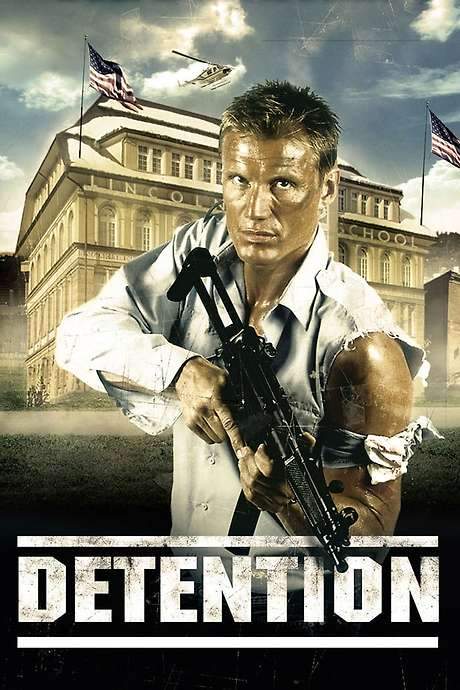
The film follows a man shaped by war and hardened by the shadows of the mercenary trade. Jonathan Shale, a Vietnam War veteran, returns home to Miami after a botched covert operation in Cuba that claimed the lives of three of his fellow soldiers. The reunion with his girlfriend, Jane Hetzko, is warm at first, but the quiet of their city life soon clashes with the growing danger surrounding Jane. Hetzko works as a schoolteacher at Columbus High School, a bustling inner‑city institution grappling with a significant gang problem that spills out into hallways, stairs, and classrooms.
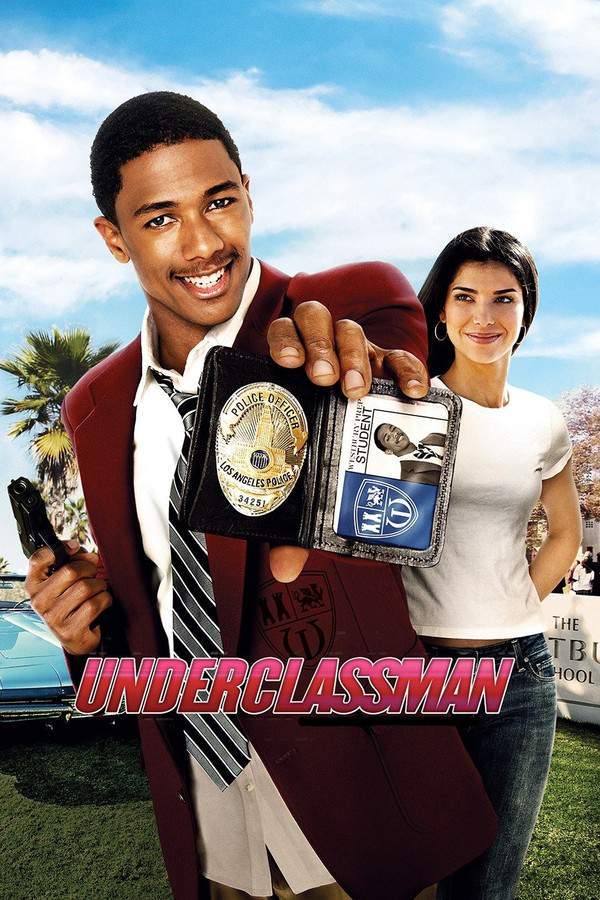
When Jane is violently attacked during a morning run, breaking her leg, Shale pieces together that the assault might be tied to the local gang trouble. To get closer to the roots of the violence and protect the woman he loves, he disguises himself as an Ivy League–educated, government‑affiliated substitute teacher for Jane’s class. What begins as a cover becomes a way for him to observe, learn, and improvise in a world he has never truly left behind. The school itself is a microcosm of risk: underfunded, undersupervised, and a magnet for petty crime that often bleeds into something more dangerous. Shale navigates this environment with the calm authority of someone who has learned to read tension and respond with precision.
On his first days, Shale wrestles with an unruly classroom while avoiding the line between discipline and force. The principal, Claude Rolle, admonishes him that corporal punishment is not allowed, a rule Shale questions with the practical logic of self‑defense born from his combat experience. Yet the classroom becomes a proving ground where he earns the trust and respect of the students by comparing their lives to his own war memories, finding common ground in danger, risk, and the desire to survive. He forms a cautious bond with fellow educator Darrell Sherman and crosses paths with Juan Lacas, a student who also leads a local gang, adding a dangerous layer to his undercover mission.
As Shale’s surveillance of the building grows more systematic, he uncovers a shocking truth: the school is more than a place of learning—it is being exploited as a distribution hub by the principal, Rolle, and his associates to move cocaine through Miami for a major narcotics ring. The operation is slick enough to hide in plain sight, and the money from a staged drug deal is repurposed as a “donation” to the school—a cover that makes the crime feel almost legitimate. In this tense moment of discovery, the film tightens its focus from classroom dynamics to a calculated, high‑stakes operation.
The tension escalates when Sherman and a female student named Lisa inadvertently witness the drug loading process as they flee from dealers. Sherman, in a final act of sacrifice, creates a distraction that buys time and safety for others, guiding Lisa to safety and buying Shale a window to act. The next day, with Jerome, another student, running the class in Shale’s absence, the young witnesses insist that Shale must be warned and involved. This pushes Shale toward a direct confrontation with the people who have corrupted a place meant for education and opportunity.
When Shale tries to intervene at Jane’s apartment, he is overwhelmed by gang members. He fights back, killing a number of assailants, but the fight is complicated when Juan Lacas uses Jane as a human shield. The moment of critical clarity comes when Jerome, tied up earlier, shoots Juan from behind, ending the standoff and freeing the immediate danger. Lisa, now speaking up about what happened at the school, helps connect the dots and confirms the deeper reach of the criminal network.
What follows is a full‑scale mobilization. Shale and his team descend onto the school grounds, targeting the remaining threats: Johnny Glades, a Native American crime lord demanding the return of stolen money; a rival mercenary outfit led by Janus; and Rolle himself. The confrontation intensifies into a multi‑front battle that tests every skill Shale possesses. In the end, Shale and his ally Joey Six eliminate the dealers and survive the brutal clash with the gang and the corrupt leadership. As the dust settles, the pair walk away from the school—not merely as professionals who can handle the next job, but as two men who understand the heavy toll of the world they inhabit and the potential for a different life through ongoing operations as substitute teachers.
The film builds a tactile atmosphere where the lines between teaching, mentoring, and warfare blur, all set against the backdrop of a city where power, money, and education collide. It explores themes of loyalty, retaliation, and the uneasy mix of care and calculation required to protect the vulnerable in a place that should be a sanctuary for learning. The result is a hard‑edged, morally nuanced portrait of a man who uses his wits and his training to confront a systemic crisis that festers in a school and spills into every corner of the community.