Plot Explained Spoilers guaranteed!
Plot Explained

Browse by genre

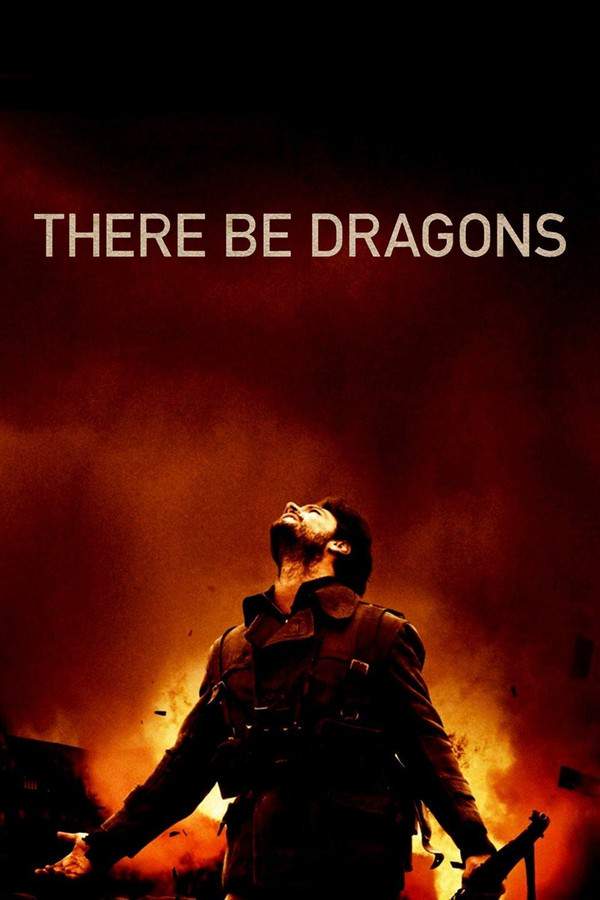
There Be Dragons (2011) movie poster

Timeline

There Be Dragons (2011) Timeline Explained – Every Event in Order

Release, runtime and language
2011 · 120 min · English
Loading streaming availability…
Directed by
Roland Joffé
Budget
$36M

During the turmoil of the Spanish Civil War, two lifelong friends find their lives irrevocably changed. One embraces a path of faith and establishes Opus Dei, while the other joins the fight for what he believes in. Their differing convictions place them on opposing sides of a devastating conflict, testing their friendship and forcing them to confront the complexities of a nation at war.

On this page (6)
  1. 1 Where to watch
  2. 2 Events in order (12)
  3. 3 Timeline questions answered
  4. 4 Movie threads
  5. 5 Movies like There Be Dragons
  6. 6 Every angle
Loading streaming availability…

12 events in order · contains spoilers

There Be Dragons Timeline: Events in Chronological Order

Every key event of There Be Dragons (2011) in order, scene by scene, with when and where it takes place. Use it to untangle flashbacks, time jumps and parallel storylines, to refresh your memory before the sequel or to find the exact scene you are thinking of.

  1. The Journalist's Journey Begins

    A young journalist embarks on an investigative journey to explore his estranged father's past. This quest is centered around uncovering the connections to St. Josemaría Escrivá de Balaguer, setting the stage for a dramatic exploration of personal and historical themes.

  2. The Spanish Civil War Erupts

    The backdrop of the narrative is the Spanish Civil War, a period marked by chaos and devastation. This era not only shapes the lives of the characters but also sets the tone for the deep struggles faced in their personal lives.

    When
    1936-1939
    Where
    Spain
  3. Escrivá's Rise to Faith

    During the tumult of the war, Escrivá dedicates himself to a path centered around faith and spirituality. His choices during this time highlight his commitment to the principles of Opus Dei, contrasting sharply with the surrounding violence.

    Where
    Spain
  4. A Friend's Descent into War

    As Escrivá finds purpose in faith, his friend is swept away by the brutal realities of the civil war. This divergence in their paths creates a poignant tension, juxtaposing faith with the horrors of conflict.

  5. Unraveling Family Secrets

    The young journalist continues to dig deeper into his father's connection to Escrivá, leading him to uncover hidden family secrets. This exploration reveals not only personal truths but also broader implications tied to the historical events.

  6. Love and Betrayal

    Intersecting with the personal journeys, themes of love and betrayal emerge as significant plot points. These elements further complicate the characters' lives, revealing their vulnerabilities and desires amidst turmoil.

  7. The Impact of Forgiveness

    As tensions rise, the theme of forgiveness becomes paramount for the characters. Their individual struggles highlight the necessity of forgiveness as a means to cope with loss, betrayal, and the harsh realities of their circumstances.

  8. A Woman's Quest for Purpose

    Amidst the chaos, a woman's journey in search of love and purpose unfolds. Her character embodies the search for meaning, offering a counterpoint to the male characters’ focus on faith and conflict.

  9. Confronting Personal Challenges

    Each character is forced to confront their personal challenges and decisions in the midst of national turmoil. This confrontation leads them to weigh their choices carefully, with potential consequences of either tragedy or triumph on the horizon.

  10. The Climax of Redemption

    As the story progresses, the climax arrives where characters face their most significant tests. It is here that the possibility of redemption is revealed, transforming personal tragedies into triumphs.

  11. Exploring Legacy

    The young journalist reflects on his discoveries and the legacy of his father's life choices concerning Escrivá. This introspection allows him to understand not just his father's influence but also the broader historical context of their lives.

  12. Conclusion of the Journey

    As the narrative concludes, the journalist's journey comes full circle. He comes to terms with his father's past and Escrivá's legacy, recognizing the intertwining of personal and national histories.

Last updated: October 27, 2024 at 22:08

Was this helpful?

Timeline questions answered

There Be Dragons Timeline Explained: Your Questions Answered

When does it happen, and why in that order? The questions people ask about the chronology of There Be Dragons (2011): time jumps, flashbacks, cause and effect between scenes and the correct order of events, each answered with spoilers.

Q1

Why did two childhood friends end up on opposite sides during the Spanish Civil War?

The two friends, Josemaría Escrivá and his companion, took different paths because of their differing convictions during the Spanish Civil War. Escrivá chose a life centered on faith and spirituality, dedicating himself to establishing what would become Opus Dei. His friend, however, was swept into the brutal realities of war and joined the fighting. Their divergent choices, faith versus violence, placed them on opposing sides of the devastating conflict, ultimately testing their friendship and forcing them to confront the complexities of a nation at war.

Foreshadowing: Earlier scenes establish their close childhood bond, making their later divergence more poignant.

  • childhood friends
  • spanish civil war
  • opposite sides
  • faith vs violence
Q2

How is the young journalist connected to Josemaría Escrivá?

The young journalist is the son of a man who was childhood friends with Josemaría Escrivá during the Spanish Civil War. He embarks on an investigative journey to uncover his estranged father's past and discovers the hidden connections between his family and Escrivá. As he digs deeper, he uncovers family secrets that reveal the true nature of his father's relationship with Escrivá and the role each played during the war.

Foreshadowing: The film opens with the journalist's decision to investigate his father's past, establishing this connection early.

  • journalist
  • father
  • estrangement
  • investigation
  • family secrets
Q3

What family secrets does the journalist uncover about his father?

Through his investigation, the journalist discovers that his father had a profound connection to Escrivá during the Spanish Civil War, specifically that they were childhood friends who took opposite paths when war erupted. The journalist uncovers the hidden truths about his father's choices during the conflict, revealing how personal convictions and circumstances led to their separation. These revelations reshape his understanding of his father's life and the reasons for their estrangement.

Foreshadowing: Early in the investigation, hints suggest the father had a past connection to Escrivá that he never discussed.

  • family secrets
  • father
  • past
  • hidden truth
  • estrangement
Q4

Why is forgiveness a central theme in There Be Characters?

Forgiveness becomes paramount as characters confront the betrayals and losses caused by the Spanish Civil War. The film explores how characters must come to terms with treachery, paternal loss, and the harsh realities of their circumstances. Each character faces personal challenges that require them to either hold onto resentment or embrace forgiveness as a means of coping with loss and finding redemption.

Foreshadowing: Early moments of betrayal plant the seeds for later forgiveness arcs.

  • forgiveness
  • redemption
  • betrayal
  • loss
  • healing
Q5

What happened to Escrivá's friend who joined the war?

Escrivá's friend who joined the fighting was consumed by the brutal realities of the Spanish Civil War. His decision to fight placed him directly in the conflict, leading to a path of violence that contrasted sharply with Escrivá's spiritual journey. The friend's descent into war represents the tragic cost of choosing violence over faith, ultimately testing both his friendship with Escrivá and his own moral compass.

Foreshadowing: The divergence in their paths is shown early, with Escrivá's commitment to faith set against the friend's growing involvement in combat.

  • war friend
  • fighting
  • tragedy
  • opposing sides
Q6

Why did Josemaría Escrivá choose faith over joining the war effort?

During the Spanish Civil War, Escrivá dedicated himself to a path centered on faith and spirituality rather than violence. His commitment to spiritual principles led him to establish what would become Opus Dei, focusing on prayer and religious work amid the chaos. This choice represented a deliberate rejection of the violence surrounding him, highlighting his conviction that faith could provide meaning and purpose even during times of extreme adversity.

Foreshadowing: Escrivá's early dedication to spirituality is shown before the war fully erupts, establishing his commitment to faith.

  • faith
  • spirituality
  • opus dei
  • spanish civil war
  • choice
Q7

What does the title There Be Dragons refer to?

The title 'There Be Dragons' references the old cartographic notation 'Here be dragons,' used on ancient maps to denote unknown and dangerous territories. In the context of the film, it symbolizes the unexplored, dangerous moral and spiritual territory that characters must navigate during the Spanish Civil War, representing the unknown consequences of their choices and the psychological landscape of betrayal, faith, and redemption they must traverse.

Foreshadowing: The title card and opening imagery evoke ancient maps, suggesting a journey into uncharted territory.

  • title meaning
  • dragons
  • metaphor
  • unknown territory
  • cartography
Q8

How does the journalist's relationship with his father change throughout the film?

The journalist begins his journey estranged from his father, harboring resentment and confusion about their broken relationship. As he investigates his father's past connection to Escrivá during the Spanish Civil War, he uncovers the complexities that drove them apart, including his father's choices during the war and their ideological differences. This discovery allows him to understand his father's decisions, ultimately leading to reconciliation and a fuller understanding of his family's history.

Foreshadowing: The film's opening establishes the estrangement, which deepens as investigation reveals the father's full story.

  • father-son relationship
  • reconciliation
  • understanding
  • estrangement
  • discovery
Q9

What role does the woman searching for love and purpose play in the story?

A woman's journey in search of love and purpose unfolds amidst the chaos of the Spanish Civil War, offering a counterpoint to the male characters' focus on faith and conflict. Her character embodies the universal search for meaning during turbulent times, representing another perspective on how individuals cope with the adversity of war. Through her quest, the film explores themes of love, loss, and the human need for purpose beyond survival.

Foreshadowing: Her introduction early in the narrative establishes her as a parallel character navigating the same tumultuous period.

  • woman
  • love
  • purpose
  • search
  • parallel story
Q10

Is the story based on real events about Opus Dei's founder?

Yes, There Be Dragons is inspired by the life of St. Josemaría Escrivá de Balaguer, the real founder of Opus Dei. The film ventures to present a more favorable view of the Catholic organization, actively countering prevailing sentiments established by Dan Brown's The Da Vinci Code. While the film incorporates fictional characters and dramatized elements, it bases its narrative on the historical context of the Spanish Civil War and Escrivá's role in establishing Opus Dei during that period.

Foreshadowing: The film's framing establishes its intent to explore Escrivá's historical legacy from a particular perspective.

  • based on true story
  • opus dei
  • real history
  • josemaría escrivá
  • biopic

Movie threads

More Movies Like There Be Dragons, by Mood & Story

Curated lists built around what makes There Be Dragons tick: the same mood, the same kind of story or the same emotional payoff. Each list explains why these movies belong together.

Movies like There Be Dragons exploring faith and ideology in history

Personal convictions are tested against the backdrop of a nation's turmoil. This section features films similar to There Be Dragons, focusing on historical dramas where personal faith clashes with political ideology. If you liked the exploration of conviction during the Spanish Civil War, you'll find other stories about moral choices in turbulent times.

  • historical
  • moral conflict
  • spiritual
  • serious
  • contemplative
  • ideological
  • Tone: serious, contemplative, bittersweet
  • Pacing: steady, character-driven
Why these movies?

The story pattern: Stories in this thread often follow characters whose personal journeys of faith or political belief are shaped by a larger historical conflict. The narrative juxtaposes intimate moral struggles with epic societal changes, creating a tapestry of personal conviction against a backdrop of war or revolution.

Why they belong together: These films are grouped together for their shared focus on the intersection of personal belief systems and historical forces. They share a heavy emotional weight, a serious and contemplative mood, and a central theme of how individuals navigate profound ideological divides.
Movies about tested friendships like in There Be Dragons

Lifelong bonds are strained to the breaking point by divergent paths. Discover films similar to There Be Dragons that explore the theme of friendships torn apart by differing beliefs. If you were moved by the story of two friends on opposing sides of a conflict, you'll appreciate these poignant dramas about loyalty and forgiveness.

  • friendship
  • betrayal
  • redemption
  • tragic
  • bittersweet
  • reflective
  • Tone: bittersweet, tragic, reflective
  • Pacing: steady, investigative
Why these movies?

The story pattern: The narrative pattern involves a close friendship established early on, which is then fractured by a major conflict—often ideological, moral, or situational. The story explores the consequences of this rift over time, often through reflection or investigation, leading to a bittersweet reckoning with the past.

Why they belong together: This thread groups films that share a core emotional journey: the painful testing of a foundational friendship. They consistently feature a heavy, reflective mood, a steady pacing that allows for character depth, and a bittersweet tone that acknowledges loss while leaving room for understanding.

If you liked this

Movies Like There Be Dragons

Similar movies to There Be Dragons: the same genre, themes or kind of story. Each one comes with its own plot summary, timeline and ending explained.

Browse all movie summaries

Every angle

There Be Dragons (2011) Explained: Plot, Timeline & Characters

Everything about There Be Dragons in one place: what happens in the plot summary, the timeline in chronological order, the characters and meaning and a spoiler-free summary. What's After the Movie adds the cast, box office and post-credit scenes.

Coming soon on iOS and Android

The Plot Explained Movie Summary App

Plot summaries, endings explained and timelines on your phone. Catch up on any movie in minutes, save your favorites and never miss a twist again.

Be the first to know when we launch. Your email stays private, always.

Learn more about the app