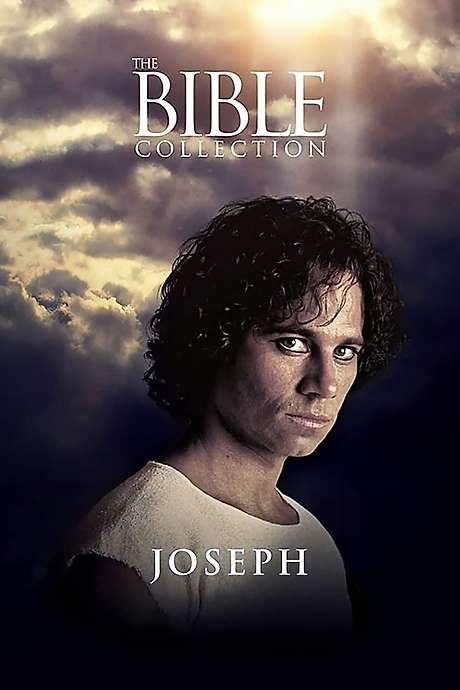
In Ancient Egypt, Joseph is a Hebrew slave who serves Potiphar, the captain of Pharaoh’s guard. The harsh overseer Ednan torments him for a stubborn refusal to bow to him, but Joseph earns a steady respect by quietly reading people and situations, gradually becoming indispensable. When Potiphar's Wife tries to seduce him and then falsely accuses him of assault, the young man’s integrity is put to the test. To salvage trust, Joseph recounts the arc of his life to his master, offering a clear picture of the events that shaped him and the family he hopes to protect.
Joseph is the second youngest son of Jacob and Rachel, whose death after Benjamin’s birth casts a long shadow over the clan. Jacob bestows a striking, cherished coat upon him and elevates him as his chosen successor, feeding the envy of his older brothers. The brothers’ resentment is fueled by past grievances: Simeon and Levi’s brutal act at Shechem following their prince’s assault on Dinah, and Reuben’s own flirtation with Leah’s maid Bilhah. Consumed by jealousy, the brothers hatch a plan that ends with Joseph being cast into a snake-filled pit and sold into slavery, while Reuben quietly tires to intervene and save him.
Back in Egypt, Potiphar condemns Joseph to the prison that accompanies the offense of humiliating his wife. Yet even there, Joseph’s gift for understanding human nature shines: in prison he proves to be a perceptive interpreter of dreams, gaining the attention of the royal inmates—the cupbearer and the baker—whose visions he decodes with precision. When Pharaoh himself is troubled by troubling dreams, Joseph is summoned to interpret them. He explains that the symbolic imagery of seven fat cows and seven plump ears of corn foretells seven years of plenty followed by seven years of drought and scarcity. His plan is pragmatic and bold: during the years of abundance, gather one-fifth of crops to stockpile for the lean years ahead. Pharaoh is impressed, elevates Joseph to a position of unprecedented authority—governor second only to Pharaoh—and grants him a wife, Asenath. With this new power, Potiphar and Ednan now serve under him, reversing the former pecking order.
Seven prosperous years give way to a harsh famine. Joseph and Asenath become parents to two sons, Manasseh and Ephraim, whose births symbolize a restored lineage within a foreign land. In Canaan, Jacob learns of Egypt’s bounty and dispatches most of his sons to Egypt to procure grain. The brothers do not recognize the man they once betrayed, but Joseph recognizes them instantly. He accuses them of espionage and throws them into custody, while Reuben speaks up, insisting that their misdeeds be judged and that they be allowed to prove their innocence. He demands that they bring the youngest brother, Benjamin, to Egypt to confirm their honesty.
When Benjamin finally arrives, trouble intensifies as a frame-up flares: a theft accusation leads to Benjamin’s arrest. Yet Joseph’s restraint holds until the moment he decides to reveal his true identity to his brothers. The reunion unfolds with a flood of mixed emotions—Benjamin embraces Joseph at once, while the others confront their own guilt and humility. Joseph’s declaration that God used their initial misdeeds to prepare him for this precise moment reframes the entire history of their family, underscoring a larger purpose at work in their lives.
With forgiveness established and emotions laid bare, Joseph urges his brothers to return home and bring Jacob and the entire clan to Egypt to survive the remaining years of famine. He ensures their safety and sustenance, guiding them to a place where the family can be reconciled and provided for. The clan’s long journey ends in a heartfelt reunion in Egypt, where the family is restored and prepared to endure the hardships ahead, united at last in a land of plenty after years of trial.
> The story unfolds as a testament to resilience, forgiveness, and providence, showing how a man who faced betrayal and hardship can transform adversity into a future that binds an entire family together.