Plot Explained Spoilers guaranteed!
Plot Explained

Browse by genre

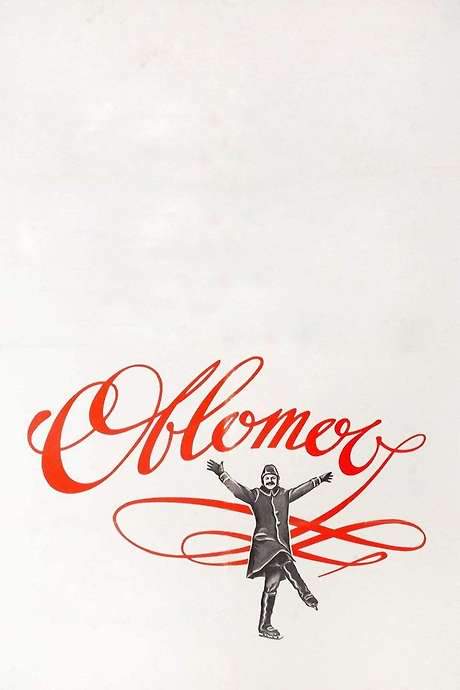
The Overcoat (1952) movie poster

Plot Summary

The Overcoat (1952) Plot Summary Explained

Release, runtime and language
1952 · 103 mins · Italian
Loading streaming availability…
Directed by
Alberto Lattuada
Starring
Giulio Calì, Silvio Bagolini, Anna Carena, Yvonne Sanson, Luigi Bonos, Mimmo Poli

Based on the Nikolai Gogol story but set in 1950s Italy, “The Overcoat” is the story of a poor city hall clerk whose only desire is to buy a new overcoat.

On this page (6)
  1. 1 Where to watch
  2. 2 What happens: full plot
  3. 3 Plot questions answered
  4. 4 Movie threads
  5. 5 Movies like The Overcoat
  6. 6 Every angle
Loading streaming availability…

Full plot summary · contains spoilers

What Happens in The Overcoat: Full Plot Summary

The whole story of The Overcoat (1952) explained, from the opening scene to the final frame: every key event, every twist and what it all adds up to. Read it as a quick recap before the sequel, to check a scene you missed, or to finally understand what really happened.

In the northern Italian town of Pavia during the 1930s, Carmine De Carmine [Renato Rascel] works as a clerk in the town hall and lives in a cramped rented room. He is diligent at work, yet is routinely ignored by the town's general secretary [Ettore Mattia] and by the mayor [Giulio Stival], a scheming and corrupt politician who has a wife [Dina Perbellini] and a mistress [Yvonne Sanson]. He wears a threadbare coat that leaves him shivering in winter, and he can barely afford even a decent winter garment.

One day a graceful woman, mistaking him for a beggar, slips him a substantial sum, money Carmine uses to pay a tailor [Giulio Calì] to craft an elegant coat with a fur collar. At work, he is inadvertently present at a compromising meeting in which businessmen promise a bribe to the general secretary, who, to keep Carmine quiet, promises him a large productivity bonus. The coat arrives and, when Carmine puts it on, he feels like a king, strutting about the town as if he owns the place, with the tailor proud of his role in the transformation.

On New Year's Eve, wearing his prized overcoat, he goes to the reception arranged by the secretary general. There he sees the same beautiful woman who had given him the money—the mayor's mistress—and, tipsy from the toasts, Carmine delivers a speech praising the impoverished masses, which is met with cold reception. He waltzes with the woman before leaving.

After the party, in a dark street, he is attacked and robbed of the coat. Desolate, he seeks help, but the crowd, including policemen and officials, remain indifferent, especially the mayor. He returns to his tattered coat, but soon suffers a nervous breakdown followed by pneumonia, which ends his life.

Yet Carmine's hurtful end does not end his story. After his funeral wagon passes, disturbing a pompous public ceremony led by the mayor, Carmine's apparition roams the town, tearing coats from passersby on cold, foggy evenings and frightening them with the sound of his voice. He appears in the house of the mayor's mistress, while the mayor is there, provoking a sense of unease that culminates when, on his way home through a dark street, he confronts Carmine's floating image. The mayor listens as Carmine speaks from beyond the grave about the weight carried by his lack of empathy, and as Carmine's words echo, the mayor's hair turns white and he is left to confront his own remorse.


Last updated: October 05, 2025 at 11:44

Was this helpful?

Plot questions answered

The Overcoat Plot Explained: Your Questions Answered

The questions people ask most about The Overcoat (1952): what happens in the confusing scenes, why the characters do what they do, the twists, hidden details and what the ending means. Each answer contains spoilers.

Q1

Why does the general secretary promise Carmine a large bonus?

The secretary promises Carmine a large productivity bonus to keep him quiet after Carmine accidentally witnesses businessmen bribing him. The secretary needs to ensure that Carmine won't report the corruption, so he offers money as a bribe rather than risk exposure. This reveals how the town's corrupt officials buy silence rather than face consequences.

  • bribery
  • corruption
  • town hall
  • secretary
  • bonus
  • silence
Q2

Why does Carmine die after losing his overcoat?

Carmine dies from pneumonia following a nervous breakdown after being robbed. The coat represented his entire identity and hope for respect in a society that had always ignored him. Without it, he loses not just his dignity but his reason for living. The combination of physical exposure to the cold, emotional devastation, and the psychological collapse from being humiliated and abandoned by everyone leads to his rapid decline and death.

Foreshadowing: Earlier, the coat is described as his only desire and the thing that makes him feel like a king, showing how tightly his self-worth was tied to the garment.

  • death
  • pneumonia
  • nervous breakdown
  • despair
  • coat
Q3

Why does Carmine's ghost steal coats from people?

Carmine's ghost steals winter coats because the overcoat was his sole obsession during life, it symbolized dignity, status, and respect in a world that had Marginalized him. After death, his vengeful spirit cannot rest until he makes others experience the cold and vulnerability he felt. The coat theft is both literal revenge and a statement about how society ignores the suffering of the poor.

  • ghost
  • coat stealing
  • revenge
  • haunting
  • symbolism
Q4

Why does the mayor's hair turn white after seeing Carmine's ghost?

The mayor's hair turns white as a visual symbol of his sudden realization and remorse. When Carmine's ghost confronts him in the dark street, the ghost speaks about the weight of the mayor's indifference and lack of empathy toward the poor. The supernatural encounter forces the mayor to confront his own guilt for ignoring Carmine's desperate pleas for help after the robbery. His transformation represents the moral reckoning that the corrupt official cannot escape.

  • mayor
  • ghost
  • remorse
  • guilt
  • repentance
  • transformation
Q5

Why does no one help Carmine after he is robbed?

No one helps Carmine because the town's officials, including policemen and municipal workers, are complicit in the same corrupt system that ignored him throughout his life. The mayor specifically refuses assistance, demonstrating the moral bankruptcy of the town's leadership. When Carmine needs help most, the very people who should protect citizens show their indifference, revealing that the social climbing and corruption have eroded all compassion for the poor.

Foreshadowing: Earlier, the mayor and secretary routinely ignore and demean Carmine at work, establishing their disregard for him.

  • indifference
  • corruption
  • mayor
  • police
  • help
Q6

Why does the woman mistake Carmine for a beggar?

The elegant woman mistakes Carmine for a beggar because of his shabby, threadbare coat and his modest appearance. Walking through the streets of Pavia in his ragged garment, he fits the visual profile of someone in poverty. She gives him a substantial amount of money out of pity or charity, not knowing he is actually a town hall clerk. This ironic generosity becomes the catalyst for the entire story, as the money funds his transformation.

  • woman
  • mistaken
  • beggar
  • money
  • charity
Q7

Why does Carmine's speech at the New Year's party get a cold reception?

Carmine's speech about compassion for the impoverished masses receives a cold reception because the audience, composed of corrupt officials, businessmen, and elites, sees his sudden presence as an intrusion. They view his newfound confidence and status as undeserved and threatening. His speech exposes their hypocrisy by speaking of the poor in a room full of people who exploit them. Rather than embrace his sincerity, they respond with skepticism and distance, revealing the moral decay at the heart of the town's power structure.

  • speech
  • new year
  • party
  • poor
  • cold reception
Q8

Why does Carmine's ghost appear in the mayor's mistress's house?

Carmine's ghost appears in the mayor's mistress's house because she represents both his deepest desire and the origin of his downfall. She was the beautiful woman who gave him the money that bought his beloved coat, and he had danced with her at the party. Her connection to the mayor, who refused to help him, makes her a meaningful target for his haunting. The appearance creates unease in the corrupt household and ties together the three main figures in Carmine's tragedy: the woman who gave him hope, the man who destroyed it, and the ghost who seeks justice.

  • ghost
  • mistress
  • house
  • haunting
  • mayor
Q9

Why is Carmine attacked and robbed on New Year's night?

Carmine is attacked and robbed because he was walking alone in a dark street wearing an expensive new coat after leaving a wealthy gathering. The coat made him a visible target, he looked prosperous, and criminals would not know his modest circumstances. His vulnerability after the party, combined with the late hour and isolated location, created the perfect opportunity for theft. The robbery represents how quickly his dream of social elevation can be stripped away.

  • robbery
  • attack
  • new year
  • dark street
  • coat
Q10

Why does the overcoat mean so much to Carmine?

The overcoat means everything to Carmine because it represents dignity, recognition, and social status in a world that has always ignored or demeaned him. Throughout the film, his threadbare coat leaves him shivering and invisible, the mayor and secretary never notice him despite his diligent work. The elegant coat with its fur collar transforms how he looks and feels, making him walk through town like a king. For a poor clerk with no other possessions or prospects, the coat becomes his only pathway to being seen and respected.

  • coat
  • symbol
  • status
  • dignity
  • respect
  • transformation

Movie threads

More Movies Like The Overcoat, by Mood & Story

Curated lists built around what makes The Overcoat tick: the same mood, the same kind of story or the same emotional payoff. Each list explains why these movies belong together.

Tragic obsessions with dignity like in The Overcoat

Stories where a simple object becomes a character's tragic, all-consuming obsession. For viewers who liked The Overcoat, this list features movies about characters whose pursuit of a simple desire leads to tragic downfall, blending melancholy with a touch of poetic justice. Discover similar stories of social inequality and haunting, bittersweet endings.

  • obsessive
  • melancholic
  • tragic
  • haunting
  • socially critical
  • lonely
  • Tone: melancholic, bittersweet, socially critical
  • Pacing: steady, character-driven
Why these movies?

The story pattern: These narratives follow a classic tragic arc, starting with a protagonist's modest but intense desire for something that symbolizes escape or status. Their determined pursuit briefly elevates them, but is ultimately thwarted by a harsh society, leading to a downfall that is mitigated by an element of poetic or supernatural justice.

Why they belong together: Movies are grouped here for their shared focus on a relatable obsession that turns tragic, their melancholic yet socially critical tone, and their emotionally resonant, bittersweet conclusions that leave a lasting, haunting impression.

Movies blending social realism and fantasy like The Overcoat

Grounded character studies that blossom into symbolic, allegorical ghost stories. If you enjoyed the blend of gritty social realism and ghostly fantasy in The Overcoat, explore these films. They start as quiet character studies before transforming into symbolic fables, offering similar melancholic and atmospheric experiences.

  • atmospheric
  • ghostly
  • somber
  • allegorical
  • socially critical
  • symbolic
  • Tone: somber, atmospheric, allegorical
  • Pacing: steady, with a symbolic shift
Why these movies?

The story pattern: The pattern involves a straightforward, steady-paced build-up depicting a character's ordinary, often oppressive reality. The story then introduces a fantastical element—like a ghost or a miracle—not as pure escapism, but as a sharp allegorical tool to critique society or resolve the central moral conflict in a resonant, unconventional way.

Why they belong together: These films share a unique structure: a believable, somber setup grounded in social issues that seamlessly integrates a fantastical turn, creating a cohesive mood that is both atmospheric and thoughtfully critical.

If you liked this

Movies Like The Overcoat

Similar movies to The Overcoat: the same genre, themes or kind of story. Each one comes with its own plot summary, timeline and ending explained.

Browse all movie summaries

Every angle

The Overcoat (1952) Explained: Plot, Timeline & Characters

Everything about The Overcoat in one place: what happens in the plot summary, the timeline in chronological order, the characters and meaning and a spoiler-free summary. What's After the Movie adds the cast, box office and post-credit scenes.

Coming soon on iOS and Android

The Plot Explained Movie Summary App

Plot summaries, endings explained and timelines on your phone. Catch up on any movie in minutes, save your favorites and never miss a twist again.

Be the first to know when we launch. Your email stays private, always.

Learn more about the app