
The Mystery of Henri Pick
Within a peculiar Breton library housing unpublished manuscripts, a young editor uncovers a remarkable novel. The book was penned by Henri Pick, a deceased cook whose widow claims he was illiterate. As the novel becomes a bestseller, a cynical literary critic and Pick's daughter join forces to investigate the mystery surrounding his secret life and the origins of the extraordinary manuscript.
Warning: spoilers below!
Haven’t seen The Mystery of Henri Pick yet? This summary contains major spoilers. Bookmark the page, watch the movie, and come back for the full breakdown. If you're ready, scroll on and relive the story!
Timeline – The Mystery of Henri Pick (2019)
Trace every key event in The Mystery of Henri Pick (2019) with our detailed, chronological timeline. Perfect for unpacking nonlinear stories, spotting hidden connections, and understanding how each scene builds toward the film’s climax. Whether you're revisiting or decoding for the first time, this timeline gives you the full picture.
Last updated: February 20, 2026 at 12:21
The Mystery of Henri Pick (2019) Timeline Questions Answered – Chronology FAQ
Find frequently asked questions about the The Mystery of Henri Pick (2019) timeline, including chronological order, nonlinear jumps, cause-and-effect links, and scene sequence clarifications. This timeline FAQ helps explain when key events happen, how moments connect, and why the story unfolds in that specific order.
Why does Joséphine help Rouche investigate her father?
Joséphine teams up with Rouche because she herself is curious about the truth regarding her father Henri. She knows he was illiterate and never wrote a novel, so she wants to discover who actually authored the manuscript and why it was attributed to her deceased father. Her cooperation is driven by genuine curiosity rather than loyalty to the false narrative.
The revelation that Henri was illiterate comes directly from Joséphine and her mother early in the investigation.
What leads Rouche to suspect Fred Koskas?
Rouche discovers that Fred Koskas is a young author whose debut novel he was scheduled to review on his television show. After reading Koskas's earlier work, Rouche notices stylistic similarities to Last Hours of a Love Story. Additionally, Fred's connection to Daphné (who published the mysterious manuscript) gives him both opportunity and motive to hide his authorship.
The timeline explicitly mentions Rouche's assignment to review Fred's book as the catalyst connecting the two narratives.
How did the manuscript end up in the library of rejected books?
The library of rejected books is a whimsical setting in Brittany where publishers store manuscripts that were never accepted for publication. Last Hours of a Love Story was apparently submitted, rejected, and ended up in this collection. How it arrived there and who submitted it remains part of the mystery, though the film's ending suggests the pattern of hidden authorship may be more common than assumed.
The library is introduced as the place where Daphné makes her discovery, establishing it as a key location for uncovering hidden works.
Why does Jean-Michel Rouche become so invested in solving the mystery?
Rouche is a skeptical literary critic who cannot accept that a simple pizza-maker with no literary background could have written a masterpiece. His pride in his ability to judge literature drives him to prove the authorship is a fraud. Additionally, as a public television figure, he feels responsible for protecting literary truth from deception.
Rouche's profession as a critic is established early, and his skepticism about the pizza-maker author is the catalyst for his detective work.
What is the library of rejected books in the film?
The library of rejected books is a real concept in Brittany where publishers store manuscripts that were never published. In the film, this quirky setting becomes the starting point of the mystery, a place where forgotten works gather dust until discovered. It symbolizes how many potentially great stories remain hidden and how the gatekeeping of publishing determines which voices get heard.
Daphné's discovery in this library establishes its importance from the very first scene.
Why does the ending suggest the mystery will happen again?
The closing scene shows Joséphine and Rouche discussing another author whose circumstances mirror Henri Pick's case, implying this is a recurring pattern in the literary world. The film uses this to comment on how often authorship may be misattributed or hidden, suggesting the mystery at the heart of the story is less about one fraud and more about a systemic ambiguity in how we assign credit to writers.
The entire narrative has built toward questioning authorship conventions, making this thematic conclusion feel like a natural extension.
What is Daphné's relationship with Fred Koskas?
Fred Koskas is Daphné Despero's romantic partner. This connection becomes significant because Fred is a writer whose book Rouche was assigned to review, and this professional link ultimately makes Fred a suspect in the authorship mystery. Daphné's position as both his partner and the publisher who discovered the manuscript adds complexity to the investigation.
The timeline mentions Fred's connection to Daphné early, though his significance emerges later in the investigation.

Explore Movie Threads
Discover curated groups of movies connected by mood, themes, and story style. Browse collections built around emotion, atmosphere, and narrative focus to easily find films that match what you feel like watching right now.
Whimsical intellectual mysteries like The Mystery of Henri Pick
Charming investigations that solve peculiar, character-driven puzzles. If you enjoyed unraveling the literary puzzle in The Mystery of Henri Pick, you'll like these movies. They feature charming investigations, quirky characters, and a focus on solving peculiar mysteries with a steady, thoughtful pace and a whimsical tone.
The Mystery of Henri Pick
2019
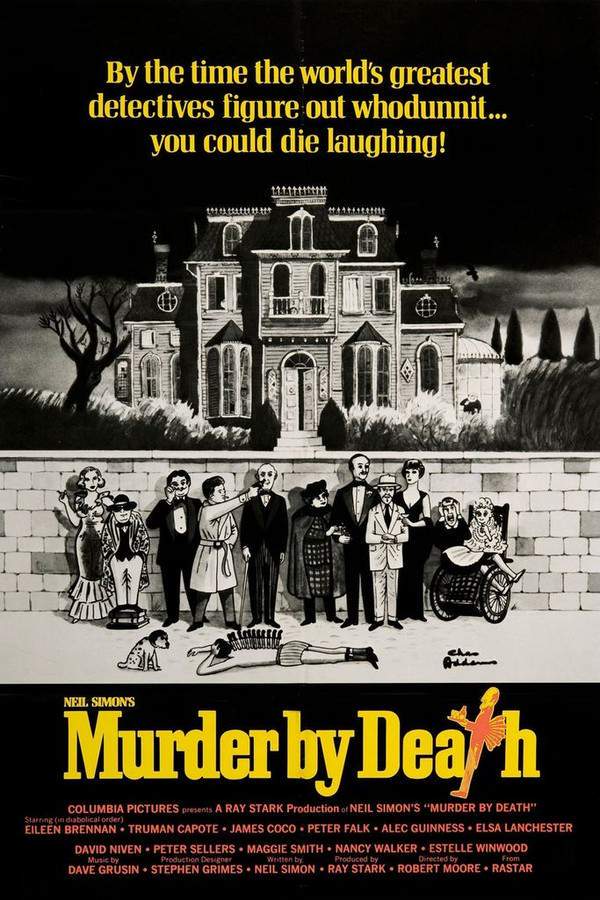
Murder by Death
1976
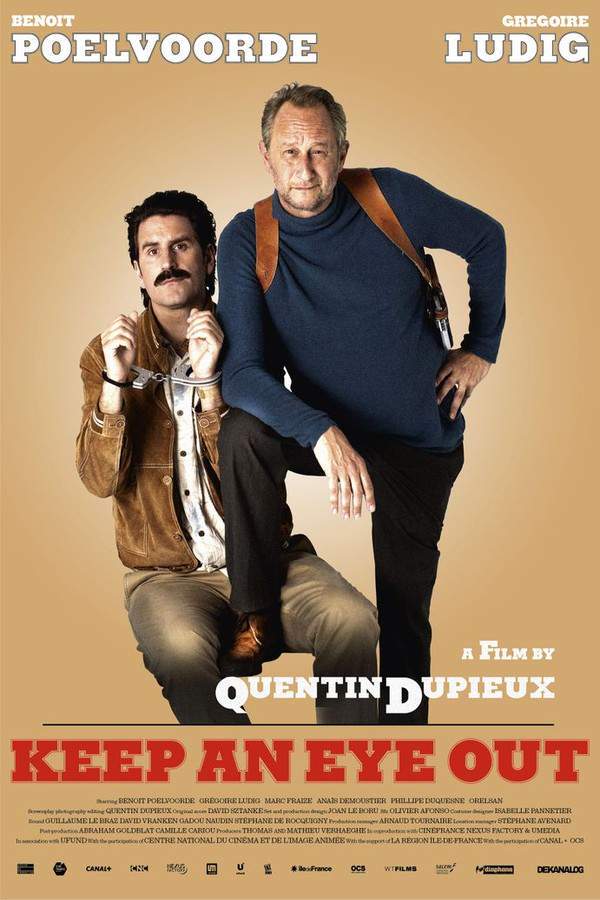
Keep an Eye Out
2021

Shadows and Fog
1991
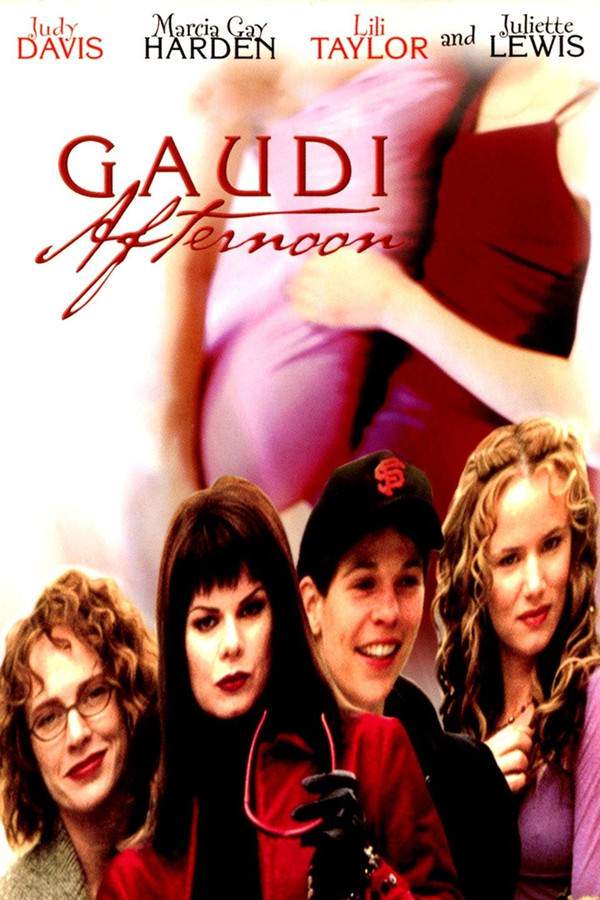
Gaudi Afternoon
2003

Bickford Shmeckler’s Cool Ideas
2006

The Private Life of Sherlock Holmes
1970

Witches’ Brew
1980
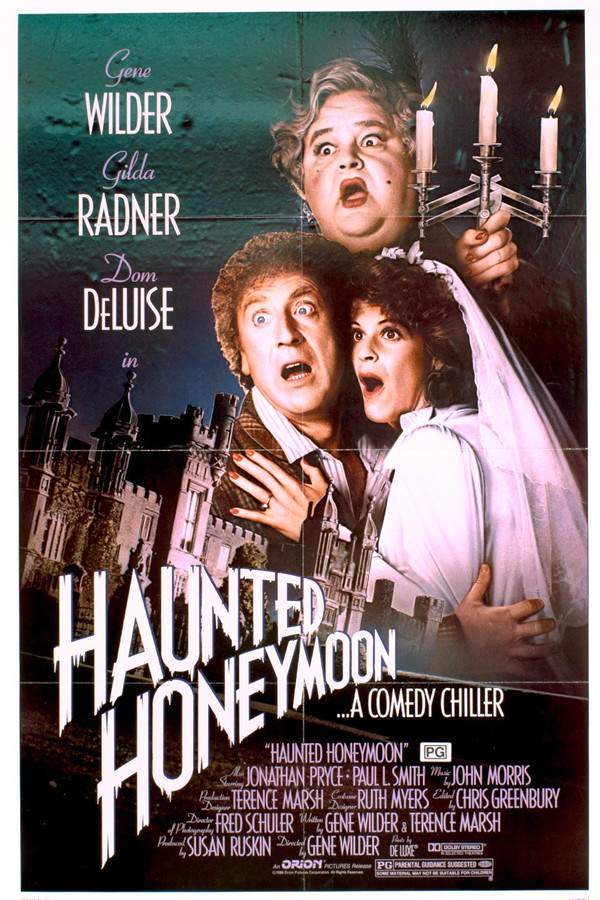
Haunted Honeymoon
1986
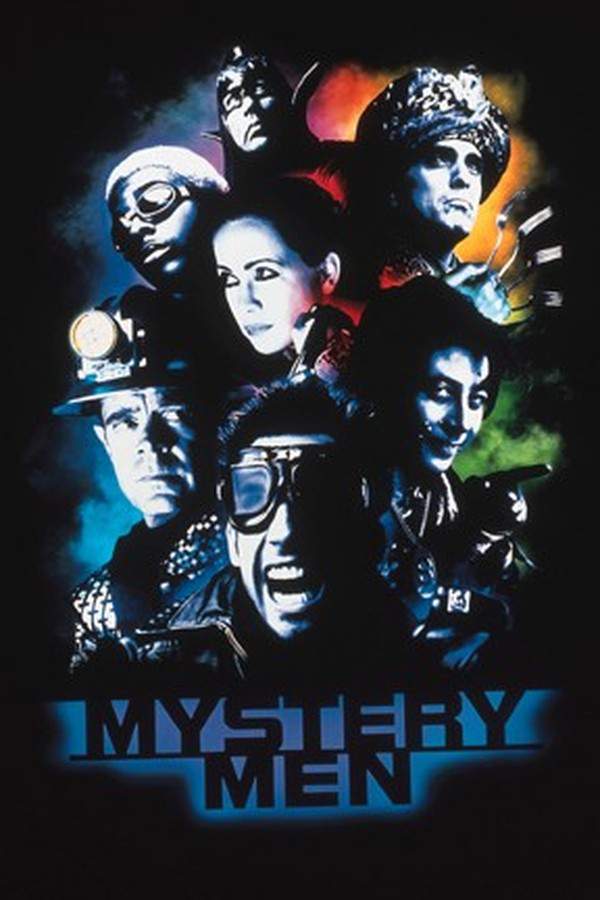
Mystery Men
1999

The Magician
1959

Lelíček in the Services of Sherlock Holmes
1932
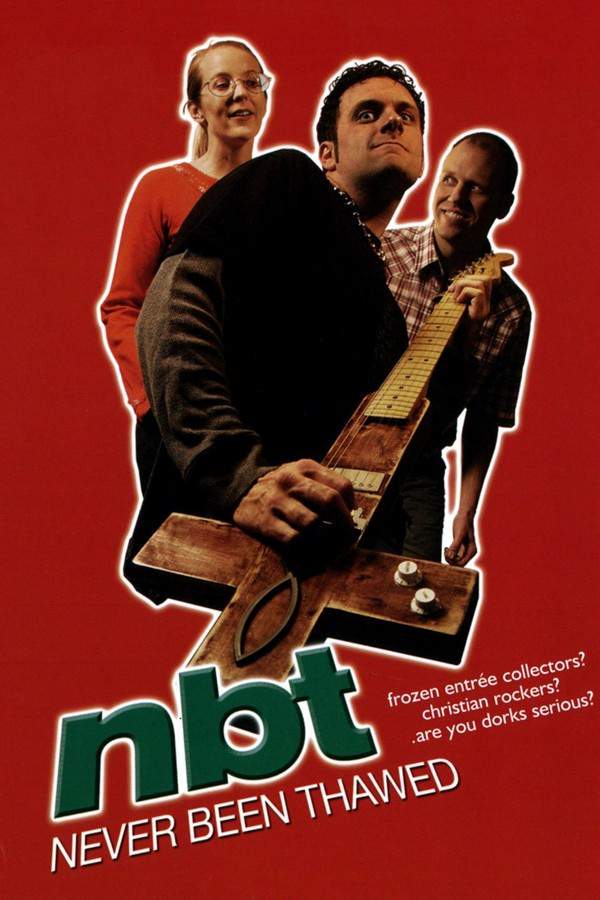
Never Been Thawed
2005
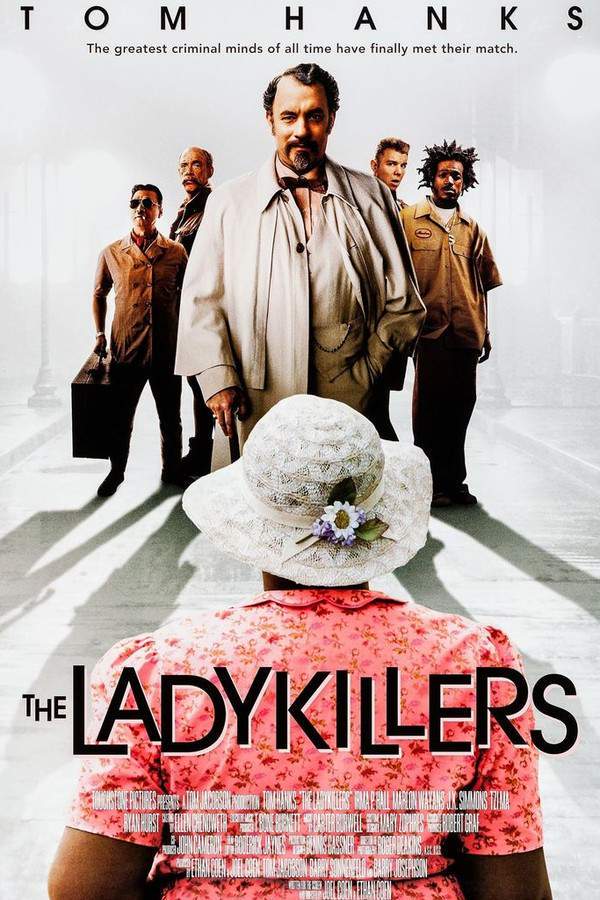
The Ladykillers
1956
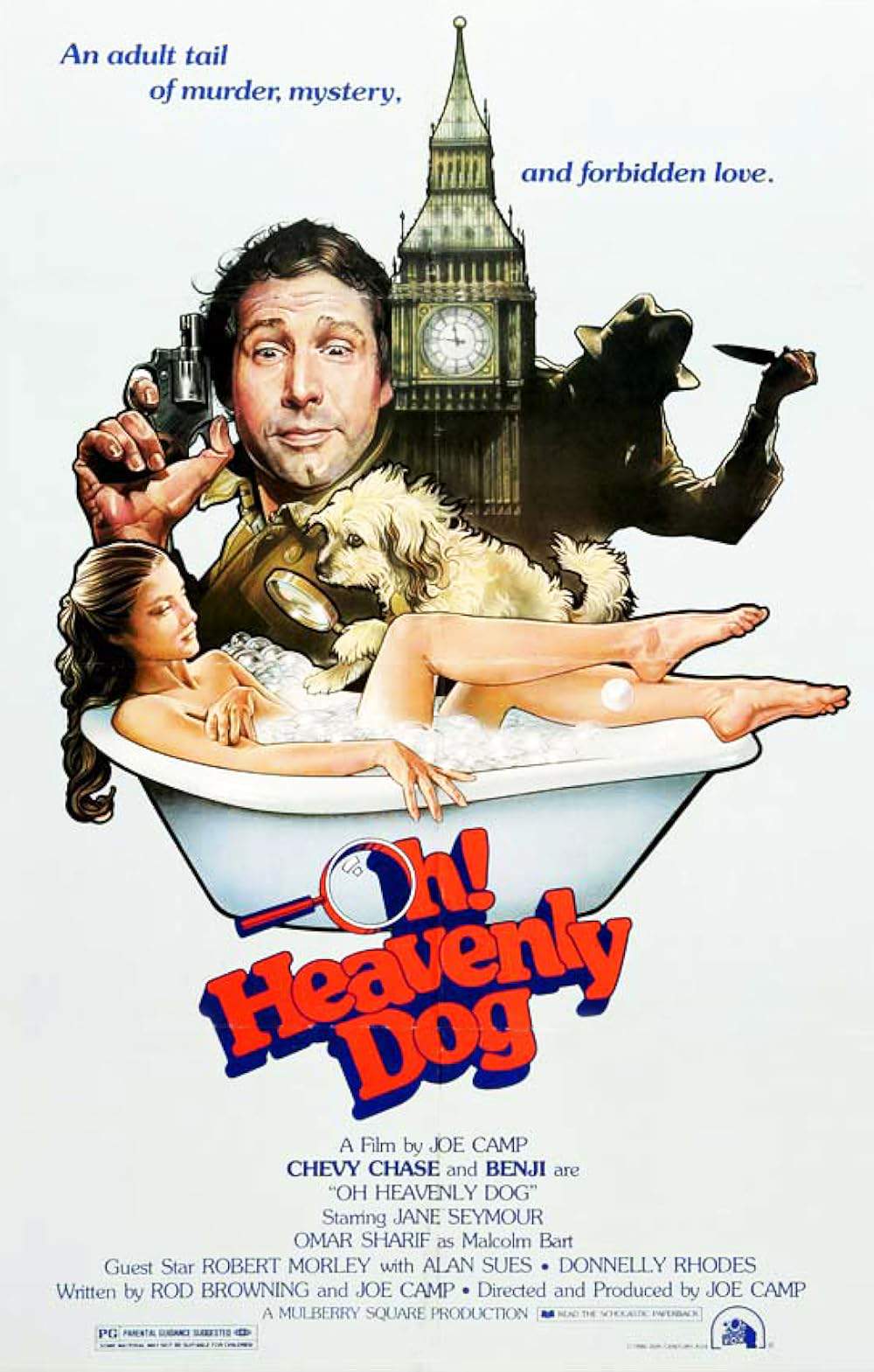
Oh Heavenly Dog
1980
Narrative Summary
These narratives follow an investigator, often an unlikely one, as they piece together clues to solve a mystery that is more about human nature and secrets than high-stakes crime. The plot unfolds through dialogue, discovery, and reflection rather than action, leading to a resolution that is intellectually satisfying.
Why These Movies?
These movies are grouped by their shared tone of whimsy, a medium-intensity intellectual focus, and a steady pacing that prioritizes curiosity and discovery over thrills. They create a similar viewing experience of being engaged in a charming, thought-provoking puzzle.
Movies about quiet small town secrets like The Mystery of Henri Pick
Stories that uncover the hidden lives and gentle deceptions of a community. Fans of The Mystery of Henri Pick will enjoy these films that explore hidden truths in small communities. If you liked the bittersweet uncovering of a quiet life's secrets, these movies offer similar reflective journeys into identity and the past.
The Mystery of Henri Pick
2019

At Middleton
2014

No Small Affair
1984

You’re Sleeping, Nicole
2014

French Dressing
1964
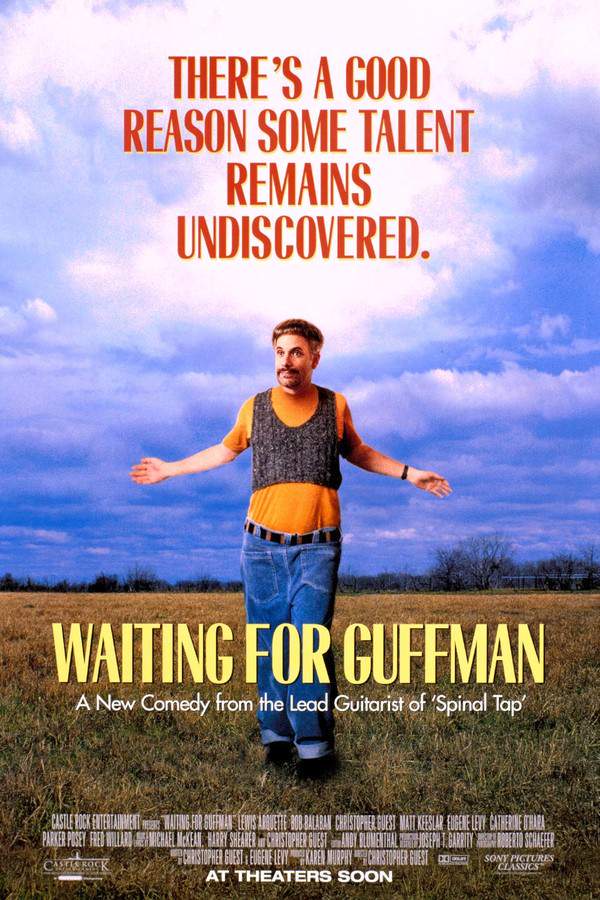
Waiting for Guffman
1997

A Day to Remember
1953

A Mighty Wind
2003

The Talk of the Town
1942
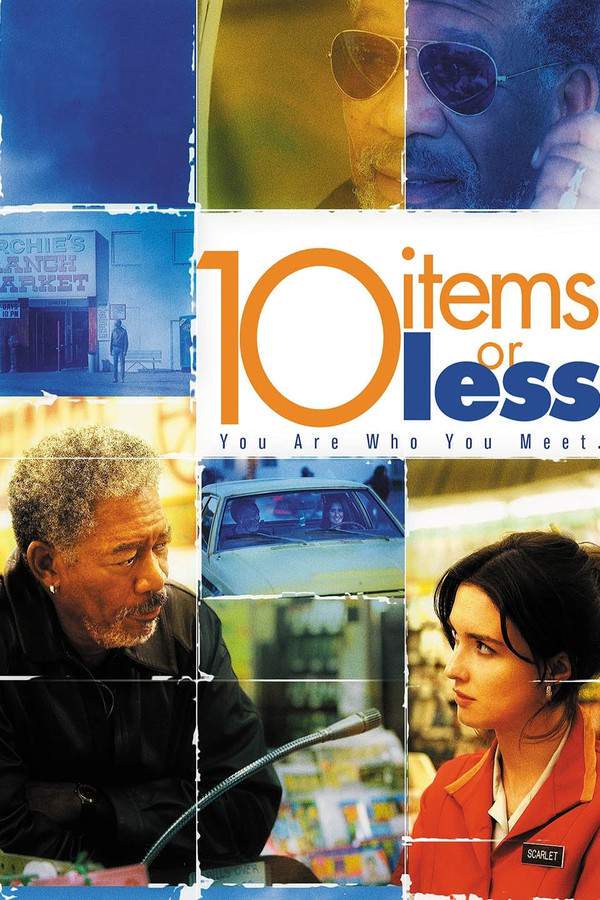
10 Items or Less
2006

Mister 880
1950
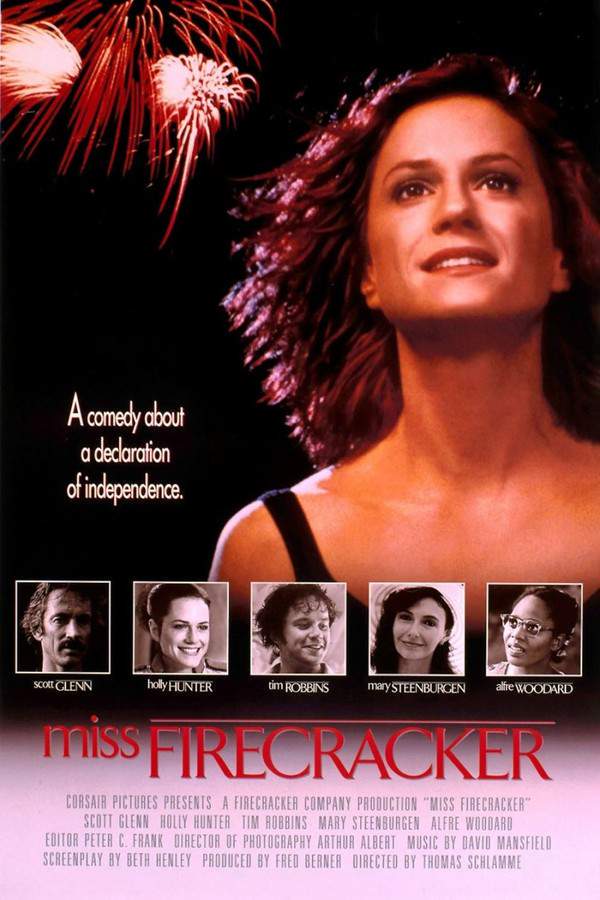
Miss Firecracker
1989

The Smallest Show on Earth
1957

Hello Ladies: The Movie
2014
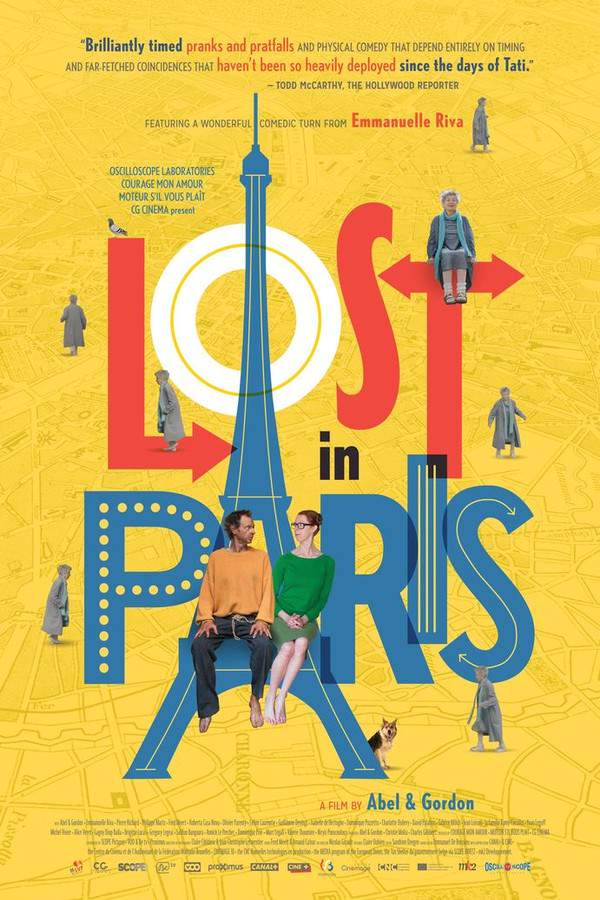
Lost in Paris
2017
Narrative Summary
The narrative pattern involves an outsider or a returning native uncovering a long-held secret that challenges the community's peaceful facade. The journey is character-driven, focusing on emotional reveals and personal reconciliation rather than dramatic confrontations, often leading to a bittersweet understanding.
Why These Movies?
They share a common focus on small-town settings, themes of identity and hidden pasts, a reflective and curious mood, and a bittersweet emotional undercurrent. The pacing is consistently steady, allowing the secrets to unfold naturally.
Unlock the Full Story of The Mystery of Henri Pick
Don't stop at just watching - explore The Mystery of Henri Pick in full detail. From the complete plot summary and scene-by-scene timeline to character breakdowns, thematic analysis, and a deep dive into the ending - every page helps you truly understand what The Mystery of Henri Pick is all about. Plus, discover what's next after the movie.
The Mystery of Henri Pick Summary
Read a complete plot summary of The Mystery of Henri Pick, including all key story points, character arcs, and turning points. This in-depth recap is ideal for understanding the narrative structure or reviewing what happened in the movie.

Characters, Settings & Themes in The Mystery of Henri Pick
Discover the characters, locations, and core themes that shape The Mystery of Henri Pick. Get insights into symbolic elements, setting significance, and deeper narrative meaning - ideal for thematic analysis and movie breakdowns.


