Sakuta Azusagawa's peaceful high school life with his girlfriend, Mai Sakurajima, is unexpectedly disrupted when Shoko Makinohara, his first love, suddenly reappears. Their reunion brings back memories of a painful past and introduces a complex emotional landscape. As Sakuta navigates these challenging circumstances, he must confront past events and the lingering feelings they evoke, while striving to maintain his relationship with Mai and understand the reasons for Shoko’s return.
Find where to stream, rent, or buy Rascal Does Not Dream of a Dreaming Girl (2019) in the US with current JustWatch availability, up-to-date pricing, and platform listings for subscription, rental, and digital purchase options.
Warning: spoilers below!
Haven’t seen Rascal Does Not Dream of a Dreaming Girl yet? This summary contains major spoilers. Bookmark the page, watch the movie, and come back for the full breakdown. If you're ready, scroll on and relive the story!
Trace every key event in Rascal Does Not Dream of a Dreaming Girl (2019) with our detailed, chronological timeline. Perfect for unpacking nonlinear stories, spotting hidden connections, and understanding how each scene builds toward the film’s climax. Whether you're revisiting or decoding for the first time, this timeline gives you the full picture.
Last updated: August 19, 2025 at 05:12
Find frequently asked questions about the Rascal Does Not Dream of a Dreaming Girl (2019) timeline, including chronological order, nonlinear jumps, cause-and-effect links, and scene sequence clarifications. This timeline FAQ helps explain when key events happen, how moments connect, and why the story unfolds in that specific order.
Mai dies because she sacrifices herself to save Sakuta from a traffic accident on Christmas Eve. When Sakuta tries to sacrifice himself to give Shoko a chance at life, Mai pushes him out of the way at the last second and takes the impact of the car herself. Her heart then becomes the donor transplant that saves Shoko's life.
Earlier scenes show Mai's playful spirit and her deep love for Sakuta, foreshadowing her willingness to give everything for him.
In the original timeline, Sakuta is declared brain dead after a traffic accident on Christmas Eve. His heart is donated to Shoko, who was dying from a severe heart disease. This is why adult Shoko returns from the future - she owes her life to Sakuta's heart.
Sakuta notices mysterious injuries throughout the story that are actually connected to adult Shoko's existence.
The two versions of Shoko exist in different timelines. The middle school Shoko is the younger version suffering from her heart disease in the present. The adult Shoko is from the future, having already received her heart transplant and lived for years with Sakuta's heart before coming back to save him.
Sakuta's injuries worsen as adult Shoko's presence becomes more prominent, hinting at their temporal connection.
When Sakuta returns to Christmas Eve and prevents the accident by pushing his past self away from the car, both he and Mai survive. However, because Mai doesn't die, she doesn't become Shoko's heart donor. This means Shoko loses her chance at survival and will die from her heart disease.
Adult Shoko warned that changing the past would erase her existence in the present.
Young Shoko chooses to erase her memories of meeting Sakuta and Mai because she realizes her existence causes them pain. By creating a future where they never meet her, she believes they can be happy without the tragedies she brought. She writes down her hopes and accepts that she will die early, fading from existence.
Adult Shoko's deep love for Sakuta is revealed earlier, making her selfless sacrifice understandable.
Sakuta wears the pink rabbit costume when traveling back to Christmas Eve because only people who believe in his existence can see him - similar to how Mai could see the adolescent Shoko. The costume, which references Mai's playful personality, allows him to be visible so he can interact with others and stop the accident.
Earlier scenes establish that people with strong feelings or those in need can see manifestations in this world.
Sakuta decides to sacrifice himself after learning that adult Shoko came back to the past out of love for him, and that her feelings grew because he was her heart donor. Moved by her devotion and wanting to give her a chance to live, he attempts to replicate the original timeline's sacrifice by purposely getting hit by a car.
Sakuta's injuries throughout the story indicate his timeline is tied to Shoko's existence.
At the ending, time rewinds to when Shoko is in fourth grade. She writes a letter to her future self, choosing to forget her meetings with Sakuta and Mai to spare them pain. This creates a new timeline where they never meet her, leading to her early death. However, fragments of memory seem to persist, allowing Sakuta and the healthy young Shoko to recognize each other at the beach.
The time-loop mechanics are established earlier when adult Shoko explains she came from the future after receiving her transplant.
The beach scene shows Sakuta and Mai encountering a healthy young Shoko on New Year's Day, suggesting that despite Shoko erasing her memories and dying early in that timeline, some form of connection persists across alternate timelines. It hints at the possibility of love finding a way beyond time's barriers, though the nature of this meeting remains ambiguous.
The story establishes that memories and emotions can transcend time through the heart transplant and repeated time loops.
The story presents a tragic paradox: Shoko can only survive if she receives a heart transplant, and the only available donor in the original timeline is Sakuta (who dies) or Mai (who dies saving Sakuta). When Sakuta changes the past to save Mai, the chain of events that leads to the transplant is broken, making it impossible to save Shoko without letting either Mai or Sakuta die.
Adult Shoko explains early on that her existence depends on the timeline where someone dies for her transplant.
Sakuta's injuries are a physical manifestation of the paradox created by adult Shoko's presence in the past. As she spends more time in the present, Sakuta's existence becomes unstable, causing wounds to appear on his body. The more she interacts with the past, the worse his condition becomes.
The injuries begin appearing shortly after adult Shoko reveals herself to Sakuta.
In the final timeline after Shoko erases her memories and passes away, Mai stars in a film based on Shoko's story. This suggests that Shoko's story was still told in some form, possibly through her written works or the impact she made on others, even though she no longer exists in their memories. Mai doesn't remember her connection to Shoko, highlighting the bittersweet nature of the resolution.
Shoko is shown writing her hopes and thoughts, suggesting she documented her experiences.
Discover curated groups of movies connected by mood, themes, and story style. Browse collections built around emotion, atmosphere, and narrative focus to easily find films that match what you feel like watching right now.
Characters rewrite fate for love, creating heartbreaking paradoxes and bittersweet outcomes.If you enjoyed the complex time travel and emotional sacrifices in Rascal Does Not Dream of a Dreaming Girl, explore these movies. This list features similar romantic fantasy stories where characters grapple with fate, paradoxes, and the heavy price of changing the past for love.
Stories in this thread typically involve a central romantic relationship threatened by a supernatural or sci-fi element, often a time loop or alternate reality. The protagonist must navigate complex rules and causal loops, making selfless choices that sacrifice their own happiness or even their loved one's memory to achieve a peaceful, albeit bittersweet, resolution.
These films are grouped together because they share a core narrative pattern of romantic sacrifice intertwined with temporal manipulation. They deliver a heavy emotional weight through high-stakes dilemmas, a steady pacing that unravels complex mechanics, and a consistently bittersweet tone where perfect happiness is impossible, but hope remains.

Personal trauma and grief manifest through fantasy elements, leading to catharsis.For viewers who appreciated the heavy emotional weight and supernatural mystery of Rascal Does Not Dream of a Dreaming Girl, this list highlights similar movies. These stories use fantasy elements to explore deep themes of loss, grief, and healing, delivering powerful, introspective narratives.
The narrative pattern involves a character grappling with a profound real-world pain, such as loss or illness. A supernatural phenomenon emerges, directly linked to this trauma, which the characters must understand and resolve. The journey is less about defeating a villain and more about achieving emotional closure, acceptance, or healing, often through a symbolic act or understanding.
These movies share a specific blend of high emotional intensity, a dramatic and bittersweet tone, and a fantasy framework that serves the character's inner journey. The pacing is steady, allowing for deep introspection, and the emotional payoff is heavy, centered on themes of coping with impossible situations and finding a way forward.
Don't stop at just watching - explore Rascal Does Not Dream of a Dreaming Girl in full detail. From the complete plot summary and scene-by-scene timeline to character breakdowns, thematic analysis, and a deep dive into the ending - every page helps you truly understand what Rascal Does Not Dream of a Dreaming Girl is all about. Plus, discover what's next after the movie.
Read a complete plot summary of Rascal Does Not Dream of a Dreaming Girl, including all key story points, character arcs, and turning points. This in-depth recap is ideal for understanding the narrative structure or reviewing what happened in the movie.
Discover the characters, locations, and core themes that shape Rascal Does Not Dream of a Dreaming Girl. Get insights into symbolic elements, setting significance, and deeper narrative meaning - ideal for thematic analysis and movie breakdowns.
Get a quick, spoiler-free overview of Rascal Does Not Dream of a Dreaming Girl that covers the main plot points and key details without revealing any major twists or spoilers. Perfect for those who want to know what to expect before diving in.
Discover movies like Rascal Does Not Dream of a Dreaming Girl that share similar genres, themes, and storytelling elements. Whether you’re drawn to the atmosphere, character arcs, or plot structure, these curated recommendations will help you explore more films you’ll love.
Rascal Does Not Dream of a Dreaming Girl (2019) Plot Summary & Movie Recap
Rascal Does Not Dream of a Dreaming Girl (2019) Scene-by-Scene Movie Timeline
Rascal Does Not Dream of a Dreaming Girl (2019) Spoiler-Free Summary & Key Flow
Movies Like Rascal Does Not Dream of a Dreaming Girl – Similar Titles You’ll Enjoy
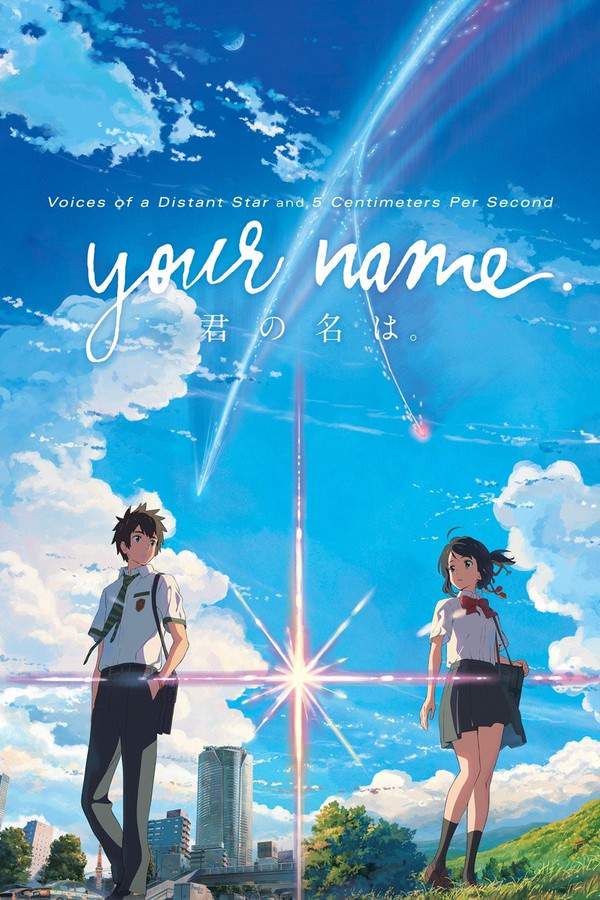
Your Name. (2017) Spoiler-Packed Plot Recap
Real Girl (2018) Full Summary & Key Details
Outburst Dreamer Boys (1000) Ending Explained & Film Insights
Love Hina Spring Special - I Wish Your Dream (2001) Movie Recap & Themes
Domestic Girlfriend (1000) Spoiler-Packed Plot Recap
Love Hina (1000) Full Summary & Key Details
Rumbling Hearts (1000) Movie Recap & Themes
Urusei Yatsura: Beautiful Dreamer (1984) Complete Plot Breakdown
Rent-a-Girlfriend (1000) Ending Explained & Film Insights
Girlfriend, Girlfriend (1000) Ending Explained & Film Insights
Rokudo’s Bad Girls (1000) Full Movie Breakdown
Rascal Does Not Dream of a Sister Venturing Out (2023) Ending Explained & Film Insights
The Hill Dyed Rose Madder (1000) Detailed Story Recap
The Dreaming Boy Is a Realist (1000) Film Overview & Timeline
Rental a Girlfriend (1000) Story Summary & Characters