Plot Explained Spoilers guaranteed!
Plot Explained

Browse by genre

The Mirror (1999) movie poster

Characters & Themes

The Mirror (1999) Characters, Setting & Themes Explained

Release, runtime and language
1999 · 87 mins · Cantonese
Directed by
Stanley Siu Wing
Starring
Nicholas Tse Ting-Fung, Ruby Lin, Jack Neo, John Cheng, Raymond Wong Pak-Ming, Helena Law Lan

The grandson of a wealthy widow travels back to Hong Kong with his girlfriend and is immediately enchanted by an antique mirror displayed in his grandmother’s home. The mirror, once owned by a renowned courtesan, carries a legacy that draws the young couple into the house’s lingering, mysterious past.

On this page (7)
  1. 1 Characters explained (11)
  2. 2 Where & when it takes place
  3. 3 Themes & meaning (4)
  4. 4 Character & meaning questions
  5. 5 Movie threads
  6. 6 Movies like The Mirror
  7. 7 Every angle

11 main characters · contains spoilers

The Mirror Characters Explained: Who Is Who

The main characters of The Mirror (1999), heroes and villains: what drives them, how they change over the course of the story and what each of them reveals about the film's bigger ideas.

  • Ming (Nicholas Tse Ting-Fung)

    A modern Hong Kong man central to the 1999 segment, Ming returns with Judy and contemplates marriage while Yu’s jealousy brews in the background. He navigates love, ambition, and the moral murkiness surrounding the antique dressing table. While he tries to hold onto trust, Judy’s deception pushes the story toward a violent climax tied to the mirror’s dark history.

    • 🎭 Drama
    • 🧭 Identity
  • Judy (Ruby Lin)

    Judy is Ming’s girlfriend in the 1999 segment, outwardly charming but deeply manipulative. She reveals her true colors as greed and jealousy take hold, culminating in an attempt on Ming’s life. Her death—impaled on a pair of scissors fixed to the dressing table—marks a brutal culmination of the mirror’s corrupting influence.

    • 🎭 Drama
    • 🧩 Deception
  • James (Jack Neo)

    A Singaporean lawyer in 1988 who leads with opportunism after a one-night stand with Lora. He is dragged into scandal when he defends a rape case for money, only to face the consequences of greed and moral compromise. His career and appearance become entwined with the mirror’s uncanny power.

    • 🎭 Drama
    • 💼 Law & Greed
  • Lora (Lynn Poh)

    Lora is James’s wife in 1988 who inherits and houses the dressing table. Her interactions with James and the table unfold against the backdrop of a courtroom case and the unspoken tensions of marriage. She becomes a conduit through which the mirror’s influence spreads in this segment.

    • 🎭 Drama
    • 💍 Inheritance
  • Roman (John Cheng)

    Roman is Lora’s burly Teochew-speaking brother who imposes traditional control, forcing James into a marriage with Lora. His presence grounds the segment’s cultural tensions and adds a physical barrier to the unfolding drama. He embodies the everyday power dynamics that the mirror magnifies across generations.

    • 🎭 Drama
    • 🗡️ Violence
  • Mary (Xu Fan)

    Mary is the Shanghai heiress in 1922 who receives the dressing table as a birthday gift. She embarks on a dark affair with a professor who already has a family, ultimately poisoning him to secure power and wealth. The professor’s daughters reveal themselves later, avenging their father as the mirror reflects a different face of guilt.

    • 🎭 Drama
    • 💔 Revenge
  • Yu (Lillian Ho Ga-Lai)

    Yu is Ming’s cousin in the 1999 segment who harbors strong romantic jealousy toward Ming and Judy. She becomes a central figure in the family tension surrounding the dressing table, ultimately facing the consequences of the table’s history. Her presence amplifies the emotional stakes of the final acts.

    • 🎭 Drama
    • 🧭 Jealousy
  • Aunt Lan (Helena Law Lan)

    Aunt Lan appears as the elder relative in the 1999 storyline, connected to the family’s past and the dressing table’s legacy. Her disappearance and the surrounding mystery contribute to the segment’s overall sense of dread and tragedy. She embodies the generational weight that the mirror’s stories carry forward.

    • 🎭 Drama
    • 🧓 Family
  • Courtesan (Sherming Yiu Lok-Yee)

    The murdered courtesan from the 16th‑century segment, her death sets the mirror’s haunting legacy in motion. Her blood on the mirror marks the first link in the chain of retribution and secrets that echo through the subsequent eras. She is the earliest embodiment of the mirror’s power to bind fates.

    • 💃 Drama
    • 🕯️ Mystery
  • Rape Victim (Karen Tong Bo-Yue)

    A woman whose experience is centered around the 1988 case that James confronts in court. Her tragedy intersects with the mirror’s influence on justice, where greed and appearances complicate truth. Her presence foreshadows the darker side of the table’s legacy.

    • ⚖️ Justice
    • 💔 Trauma
  • Rape Victim's Boyfriend (Raymond Wong Pak-Ming)

    The boyfriend in the 1988 case who becomes a focal point of the murder scenario James faces in court. His fate and the case’s outcome illustrate how the mirror’s history permeates modern-day consequences. His role is pivotal to the narrative of vengeance and accountability.

    • ⚖️ Justice
    • 💔 Tragedy

Last updated: October 05, 2025 at 08:29

Was this helpful?

Setting

Where and When Does The Mirror Take Place?

The setting of The Mirror (1999): the year and time period, the places and locations, and how they shape the characters, the mood and the tension of the story.

Time period

16th century; 1922; 1988; 1999; 2000

The film spans five distinct time periods across East Asia, from a 16th‑century Chinese brothel to early 20th‑century Shanghai, late 20th‑century Singapore, and turn‑of‑the‑millennium Hong Kong and Taiwan. Each era places ordinary people in extraordinary moral tests amplified by the mirror’s eerie influence. Cultural backdrops like the Ghost Festival in 1988 Singapore anchor the stories in their respective moments. The dressing table serves as a throughline that binds past and present, fate and choice.

Location

China, Shanghai, Singapore, Hong Kong, Taiwan

The Mirror follows five interlinked stories anchored by an antique dressing table whose mirror connects disparate eras. The first tale unfolds in a 16th‑century China brothel where the courtesan is murdered and her blood stains the dressing-table mirror. Subsequent segments move through Shanghai (1922), Singapore (1988Ghost Festival era), Hong Kong (1999), and Taiwan (2000), each using the same mirror to reveal secrets, temptations, and consequences across time.

  • 🗺️ Multi-location
  • 🕰️ Historical eras
  • 🎭 Drama
  • 🔍 Mystery

Last updated: October 05, 2025 at 08:29

Was this helpful?

4 major themes

The Mirror Meaning: Themes & Message Explained

What is The Mirror (1999) really about? The emotional, social and philosophical themes the film keeps returning to, its symbolism and the message beneath the surface.

  • Mirror

    The mirror is more than a reflection; it is a narrative device that binds five stories across centuries. It reveals secrets and often distorts truth, forcing characters to confront guilt, desire, and consequence. Its presence blurs lines between justice and vengeance, making identity contingent on perception. Across segments, the mirror tests loyalties and reveals how people are changed by what they see.

  • Greed

    Greed drives pivotal choices from poisoning for inheritance to legal deceit for wealth. The characters chase fortune at the expense of conscience, willing to risk relationships and reputations. The mirror’s pull intensifies greed, showing how wealth can corrupt judgment across generations. Each era presents a different form of avarice, from romantic manipulation to courtroom strategies.

  • Deception

    Deception operates as a social and personal mask, with lovers, spouses, and heirs concealing true motives. The dressing table becomes, in part, a stage where appearances mislead and truths emerge only under pressure. Characters weaponize secrets to gain advantage, often paying a steep moral toll. The stories explore how far people will go to protect or gain power.

  • Revenge

    Revenge threads through the narratives as a response to betrayal, murder, and injustice. In Shanghai, the professor’s daughters retaliate for their father’s death; in other eras, characters pursue vengeance framed by fate and the mirror’s influence. The pursuit of vengeance often spirals into self-destruction, highlighting the cycle of violence the dressing table seems to preserve. Ultimately, revenge exposes the limits of justice when driven by passion.

Last updated: October 05, 2025 at 08:29

Was this helpful?

Character & theme questions

The Mirror Characters & Meaning: Your Questions Answered

The questions people ask about The Mirror (1999): who the characters really are, their relationships, what the symbols mean, where it takes place and what the movie is really about. Each answer contains spoilers.

Q1

Where is The Mirror set?

The film is set across five different locations spanning East Asia: a 16th-century Chinese brothel, 1920s Shanghai, 1980s Singapore during the Ghost Festival, 1999 Hong Kong, and year 2000 Taiwan. All five stories are connected through an antique dressing table whose mirror serves as the narrative link between these disparate eras and places.

  • hong kong
  • shanghai
  • singapore
  • taiwan
  • settings
  • locations
Q2

What time periods does The Mirror cover?

The movie spans five distinct time periods: the 16th century (China), 1922 (Shanghai), 1988 (Singapore during the Ghost Festival), 1999 (Hong Kong), and 2000 (Taiwan). Each era places characters in moral tests amplified by the mirror's supernatural influence, creating a chain of events that connects centuries of choices and consequences.

  • time period
  • historical
  • 1999
  • 1922
  • 1988
  • eras
Q3

What does the mirror symbolize in the movie?

The mirror serves as more than a reflection, it is a narrative device that binds five stories across centuries. It reveals secrets, distorts truth, and forces characters to confront guilt, desire, and consequence. The mirror blurs lines between justice and vengeance, making identity contingent on perception and testing loyalties throughout each era.

  • mirror
  • symbolism
  • theme
  • symbol
  • meaning
Q4

How does greed drive the stories in The Mirror?

Greed is a central force that drives pivotal choices across all five segments, from poisoning for inheritance in 1922 Shanghai to legal deceit for wealth in 1988 Singapore. Characters chase fortune at the expense of conscience, willing to risk relationships and reputations. The mirror intensifies this greed, demonstrating how wealth corrupts judgment across generations through different forms of avarice.

  • greed
  • avarice
  • wealth
  • money
  • corruption
Q5

What role does deception play in The Mirror?

Deception operates as both a social and personal mask throughout the film, with lovers, spouses, and heirs concealing their true motives. The dressing table becomes a stage where appearances mislead and truths only emerge under pressure. Characters weaponize secrets to gain advantage, paying a steep moral toll as the stories explore how far people will go to protect or acquire power.

  • deception
  • lies
  • secrets
  • appearance
  • mask
Q6

How is revenge portrayed in The Mirror?

Revenge threads through the narratives as a response to betrayal, murder, and injustice. In 1922 Shanghai, the professor's daughters retaliate for their father's death. The pursuit of vengeance often spirals into self-destruction, highlighting a cycle of violence that the dressing table preserves. Ultimately, the film shows the limits of justice when driven by passion rather than reason.

  • revenge
  • vengeance
  • retaliation
  • justice
  • cycle of violence
Q7

Who are the main characters in the 1999 Hong Kong segment?

The 1999 Hong Kong segment centers on Ming (Nicholas Tse), who returns with his girlfriend Judy (Ruby Lin) to his grandmother's home. Ming navigates love, ambition, and moral ambiguity surrounding the antique dressing table. His cousin Yu (Lillian Ho) harbors romantic jealousy toward him, while Aunt Lan represents the elder generation connected to the family's dark legacy. Judy is revealed to be manipulative, ultimately meeting a violent death tied to the mirror's curse.

  • ming
  • judy
  • yu
  • aunt lan
  • hong kong characters
Q8

Who is the courtesan in The Mirror?

The courtesan (Sherming Yiu Lok-Yee) appears in the 16th-century opening segment, murdered in a Chinese brothel. Her death stains the dressing-table mirror with blood, establishing the haunted legacy that connects all subsequent stories. She is the earliest embodiment of the mirror's power to bind fates, setting in motion the chain of retribution and secrets that echo through the following centuries.

  • courtesan
  • 16th century
  • origin
  • haunted
  • beginning
Q9

What happens in the 1922 Shanghai segment of The Mirror?

The 1922 Shanghai segment features Mary (Xu Fan), an heiress who receives the dressing table as a birthday gift. She embarks on a dark affair with a married professor and ultimately poisons him to secure power and wealth. The professor's daughters later reveal themselves and avenge their father's death, demonstrating how the mirror's influence perpetuates cycles of betrayal and retribution across generations.

  • shanghai
  • 1922
  • mary
  • professor
  • poisoning
Q10

What is the 1988 Singapore segment about?

The 1988 Singapore segment follows James (Jack Neo), a lawyer who leads with opportunism after a one-night stand. He becomes entangled in scandal when he defends a rape case for money, embodying the theme of greed and moral compromise. His wife Lora (Lynn Poh) inherits and houses the dressing table, while her brother Roman imposes traditional control. The case illustrates how the mirror's history permeates modern-day consequences of justice and vengeance.

  • singapore
  • 1988
  • james
  • lora
  • lawyer
  • court case
Q11

Why is the Ghost Festival important to The Mirror?

The 1988 Singapore segment is anchored by the Ghost Festival, a traditional Chinese festival where spirits are honored. This cultural backdrop intensifies the supernatural atmosphere of the mirror's influence, blending the film's horror elements with authentic cultural tradition. The Ghost Festival creates the perfect setting for the mirror's eerie power to surface, connecting the living with the lingering past.

  • ghost festival
  • 1988
  • singapore
  • culture
  • tradition
  • supernatural

Movie threads

More Movies Like The Mirror, by Mood & Story

Curated lists built around what makes The Mirror tick: the same mood, the same kind of story or the same emotional payoff. Each list explains why these movies belong together.

Cursed object horror movies like The Mirror

A slow-burn supernatural dread centered on a single, malevolent object. If you liked the haunting atmosphere of The Mirror, explore more movies centered on cursed antiques and haunted artifacts. These films deliver slow-burn supernatural dread, where a single object unravels a dark legacy, perfect for fans of psychological horror and mysterious family secrets.

  • haunting
  • atmospheric
  • ominous
  • melancholic
  • supernatural
  • mysterious
  • Tone: dark, ominous, mysterious
  • Pacing: slow burn, deliberate
Why these movies?

The story pattern: Stories typically begin with an unsuspecting character acquiring or encountering a unique object. The narrative unfolds by revealing the object's tragic or malevolent past, which begins to influence and endanger the present. The central conflict is often a race to understand the curse's rules before it consumes the protagonists.

Why they belong together: These movies are grouped by their shared focus on a supernatural object as the primary antagonist. They create a specific kind of dread through atmosphere, mystery, and a slow-paced unraveling of a dark history, prioritizing psychological unease over graphic violence.
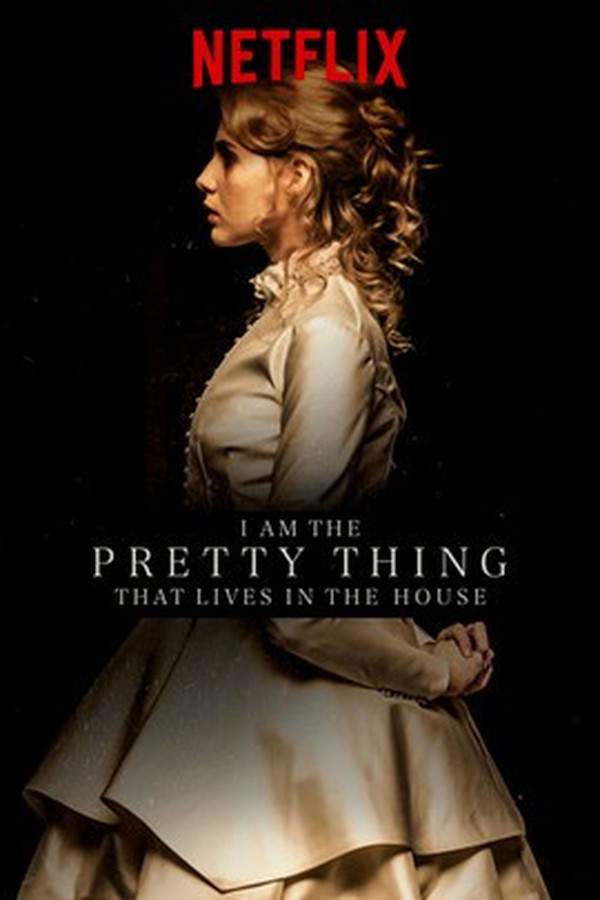
Slow-burn supernatural mystery films like The Mirror

Unraveling a ghostly legacy that blurs the lines between past and present. For viewers who enjoyed The Mirror's methodical unraveling of a ghostly legacy, this section features similar mystery horror films. Discover movies where characters piece together a supernatural past, combining a detective-like narrative with a pervasive, eerie atmosphere and a focus on generational secrets.

  • mysterious
  • dreamlike
  • atmospheric
  • investigative
  • haunting
  • unraveling
  • Tone: dark, mysterious, melancholic
  • Pacing: slow, investigative
Why these movies?

The story pattern: The narrative follows a protagonist, often an outsider, who becomes obsessed with solving a long-forgotten or suppressed supernatural event. The story structure is investigative, peeling back layers of history through dreams, visions, or discovered artifacts. The emotional journey is one of increasing immersion and dread as the character gets closer to a truth that may be inescapable.

Why they belong together: These films share a core structure of a supernatural investigation. They are connected by a slow, atmospheric pacing, a tone of dark mystery, and the central theme of a past tragedy echoing into and threatening the present.

If you liked this

Movies Like The Mirror

Similar movies to The Mirror: the same genre, themes or kind of story. Each one comes with its own plot summary, timeline and ending explained.

Browse all movie summaries

Every angle

The Mirror (1999) Explained: Plot, Timeline & Characters

Everything about The Mirror in one place: what happens in the plot summary, the timeline in chronological order, the characters and meaning. What's After the Movie adds the cast, box office and post-credit scenes.

Coming soon on iOS and Android

The Plot Explained Movie Summary App

Plot summaries, endings explained and timelines on your phone. Catch up on any movie in minutes, save your favorites and never miss a twist again.

Be the first to know when we launch. Your email stays private, always.

Learn more about the app