Year: 2016
Runtime: 87 min
Language: English
Director: Oz Perkins
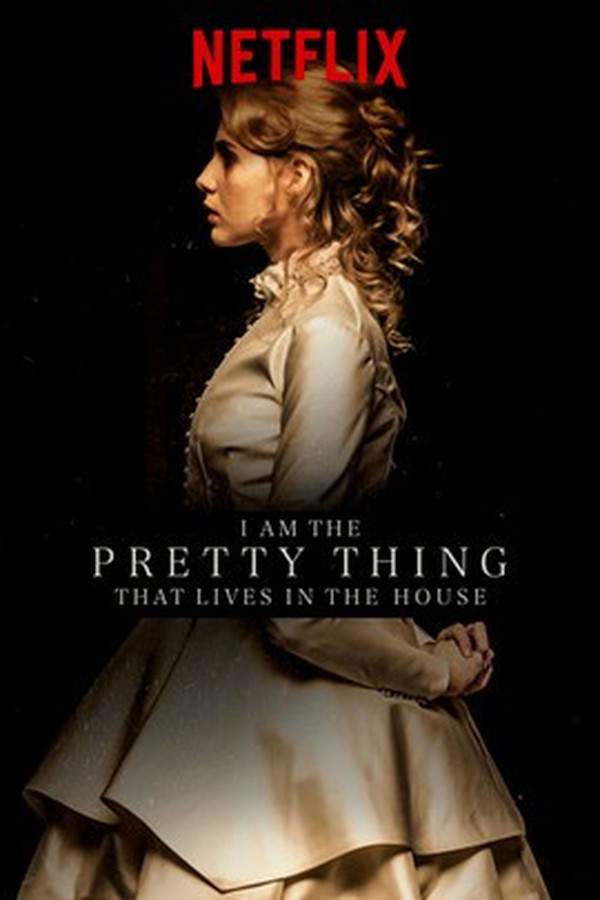
A dedicated nurse takes a position caring for a reclusive author in a large, old house. As she attends to the author's needs, she becomes increasingly unnerved by the atmosphere and strange occurrences within the mansion. She begins to suspect that supernatural forces are present, and that the author’s dark history and troubled past may hold the key to the unfolding horror.
Warning: spoilers below!
Haven’t seen I Am the Pretty Thing That Lives in the House yet? This summary contains major spoilers. Bookmark the page, watch the movie, and come back for the full breakdown. If you're ready, scroll on and relive the story!
Read the complete plot breakdown of I Am the Pretty Thing That Lives in the House (2016), including all key story events, major twists, and the ending explained in detail. Discover what really happened—and what it all means.
Iris Blum, a former horror author grappling with dementia, resides in a secluded home in Braintree, Massachusetts. This eerie residence was constructed by a man for his new bride, but on their wedding day, both the bride and groom mysteriously vanished, leaving the house tragically unfurnished. To provide care for Iris, her estate manager, Mr. Waxcap, hires live-in nurse Lily Saylor.
On her very first night at the estate, Lily experiences an unsettling encounter when an unseen force violently wrenches the telephone from her hand, and she catches a glimpse of a figure dressed in white, walking backward. As time passes, a disturbing spot of black mold appears on the wall, growing ever larger, while Lily also notices that a corner of the rug at the base of the staircase has been mysteriously flipped up—curiously, she is the only one traversing the first floor.
Throughout her time with Iris, the former writer refers to Lily as “Polly,” a name that Mr. Waxcap explains belonged to the main character in Iris’s most renowned novel, The Lady in the Walls. When Lily delves into a copy of the novel, she uncovers unsettling implications—that Iris had a connection to Polly and may be recounting a forgotten tale from her own past. The story takes us back to 1812, where Polly, clad in a wedding dress and blindfolded, wanders through the abandoned house, unaware of the sinister events unfolding above her.
In a chilling episode within the kitchen, Lily hallucinates that her arms are now grotesquely bloated and speckled with black mold. Later that evening, she spots a reflection of the white-clad figure but is met with empty air when she turns around. Her curiosity drives her to explore a hidden cardboard box in a closet, where she discovers rough drafts for The Lady in the Walls. This revelation prompts her to suspect that the narrative may not just be fictional, but rather an ominous recounting of a murder that transpired in the home.
As the scenes shift back to 1812, blindfolded Polly, relying on her sense of touch, stumbles upon a wall stripped of wood—remarkably, the same area now tainted with mold in the present day. When Polly dares to lift her blindfold, she locks eyes with her husband, feeling a sense of dread as her husband suddenly strikes her down with a hammer, concealing her lifeless body behind the wall.
In the present, Lily attempts to engage Iris in conversation about the book, only to be met with fury as Iris accuses Polly of betrayal and abandonment, reminding her that even the most beautiful things succumb to decay. A chilling encounter unfolds as Polly’s ghost appears to Iris, whispering dark secrets. In her desperate quest for understanding, Lily discovers the wall boards have been removed and heaped next to the mold-infested wall, only to confront the apparition of Polly, leading to her sudden demise from a heart attack.
Days later, Mr. Waxcap stumbles upon the grim scene, uncovering both Lily’s and Iris’s lifeless forms. Years roll by, and a new family moves into the haunted house, now under the watchful eyes of Lily’s ghost, forever intertwined with the tragic history of the place.
Last Updated: November 08, 2024 at 01:40
Still wondering what the ending of I Am the Pretty Thing That Lives in the House (2016) really means? Here’s a spoiler-heavy breakdown of the final scene, major twists, and the deeper themes that shape the film’s conclusion.
In the haunting film I Am the Pretty Thing That Lives in the House, the ending leaves viewers with a sense of ambiguity and unresolved mystery. Throughout the story, Lily, the nurse, is haunted by the presence of a ghost believed to be Polly, a character from the house’s haunted past. Polly was supposedly a real woman who lived in the house in 1813 and was murdered by her husband, her body sealed in the walls, according to the legend. As the story unfolds, Lily begins to hallucinate and see signs of Polly’s presence—such as mold growing where Polly was buried—and Iris, the novelist she cares for, repeatedly calls Lily “Polly,” blurring the line between reality and hallucination.
In the movie’s final moments, Polly’s ghost whispers something inaudible into Iris’s ear, further deepening the mystery. Lily, overwhelmed by these supernatural encounters, eventually dies of a heart attack after witnessing what she believes is Polly in her full ghostly form. Iris also dies soon after, leaving the house behind. The narrative suggests that Lily may become part of the house’s spectral history—perhaps she is now a ghost herself, forever lingering there. The film’s ambiguity invites viewers to interpret what was real—whether Polly was a genuine ghost, a manifestation of Iris’s dementia, or a figment of Lily’s imagination—and whether the house itself is cursed to trap spirits or memories from the past. Ultimately, the ending emphasizes that much remains unresolved, making the story more about atmosphere and mood than concrete answers. The eerie atmosphere and open-ended conclusion leave audiences pondering the true nature of the hauntings and the film’s characters, making it a haunting meditation on memory, death, and the unknowable past.
Last Updated: June 25, 2025 at 08:59
Discover curated groups of movies connected by mood, themes, and story style. Browse collections built around emotion, atmosphere, and narrative focus to easily find films that match what you feel like watching right now.
Gothic tales where dread builds quietly through a haunted setting.If you enjoyed the quiet, atmospheric dread of I Am the Pretty Thing That Lives in the House, explore similar supernatural horror films. These movies use slow pacing and a haunting setting to build tension, focusing on mood and tragic pasts rather than overt scares. Find more movies with a gothic feel and a lingering sense of melancholy.
Narratives in this thread often unfold gradually, centering on a character who enters a space with a tragic history. The plot is driven by the slow discovery of the past, which parallels and explains the supernatural phenomena in the present. The journey is typically one of realization and acceptance of a grim, predetermined fate, leading to a somber conclusion.
These films are grouped by their shared emphasis on atmosphere over action. They feature a similar tone of dark melancholy, a slow-burn pacing that allows dread to accumulate, and a focus on the psychological impact of a haunted environment. The emotional weight is consistently heavy, dealing with themes of loss and the past's grip on the present.
Stories exploring fragile minds within oppressive, historically heavy settings.For viewers who liked the psychological tension and gothic setting of I Am the Pretty Thing That Lives in the House, this collection highlights similar films. These movies focus on characters grappling with their sanity and past trauma in isolated, ominous environments. Discover more stories where the horror is as much internal as it is supernatural.
The narrative pattern involves a character, often in a caretaker or isolated role, confronting both a disturbing environment and their own psychological state. The line between real supernatural events and mental unraveling is frequently blurred. The story's progression is tied to uncovering a hidden truth, which often leads to a tragic revelation about the characters and the setting's history.
Movies in this thread share a core focus on the psychological dimension of fear. They utilize a dark, serious tone and slow pacing to delve into themes of isolation, dementia, and betrayal. The combination of a gothic atmosphere with a heavy emotional weight and a sad ending creates a cohesive vibe of profound unease and tragedy.
Don't stop at just watching — explore I Am the Pretty Thing That Lives in the House in full detail. From the complete plot summary and scene-by-scene timeline to character breakdowns, thematic analysis, and a deep dive into the ending — every page helps you truly understand what I Am the Pretty Thing That Lives in the House is all about. Plus, discover what's next after the movie.
Track the full timeline of I Am the Pretty Thing That Lives in the House with every major event arranged chronologically. Perfect for decoding non-linear storytelling, flashbacks, or parallel narratives with a clear scene-by-scene breakdown.
Discover the characters, locations, and core themes that shape I Am the Pretty Thing That Lives in the House. Get insights into symbolic elements, setting significance, and deeper narrative meaning — ideal for thematic analysis and movie breakdowns.
What really happened at the end of I Am the Pretty Thing That Lives in the House? This detailed ending explained page breaks down final scenes, hidden clues, and alternate interpretations with expert analysis and viewer theories.
Get a quick, spoiler-free overview of I Am the Pretty Thing That Lives in the House that covers the main plot points and key details without revealing any major twists or spoilers. Perfect for those who want to know what to expect before diving in.
Visit What's After the Movie to explore more about I Am the Pretty Thing That Lives in the House: box office results, cast and crew info, production details, post-credit scenes, and external links — all in one place for movie fans and researchers.
Discover movies like I Am the Pretty Thing That Lives in the House that share similar genres, themes, and storytelling elements. Whether you’re drawn to the atmosphere, character arcs, or plot structure, these curated recommendations will help you explore more films you’ll love.
I Am the Pretty Thing That Lives in the House (2016) Scene-by-Scene Movie Timeline
I Am the Pretty Thing That Lives in the House (2016) Movie Characters, Themes & Settings
I Am the Pretty Thing That Lives in the House (2016) Ending Explained & Theories
I Am the Pretty Thing That Lives in the House (2016) Spoiler-Free Summary & Key Flow
Movies Like I Am the Pretty Thing That Lives in the House – Similar Titles You’ll Enjoy
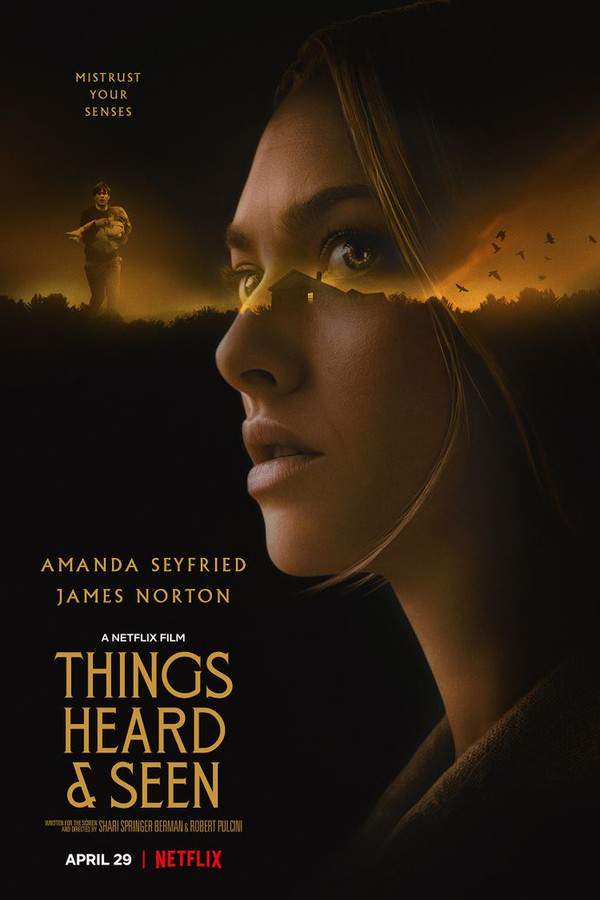
Things Heard & Seen (2021) Story Summary & Characters
The Haunting (1963) Movie Recap & Themes
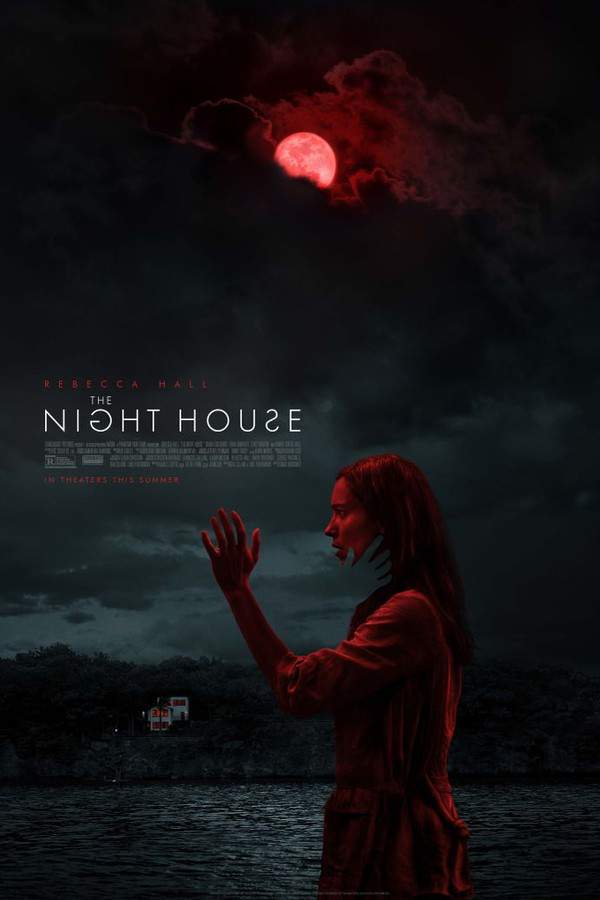
The Night House (2021) Movie Recap & Themes
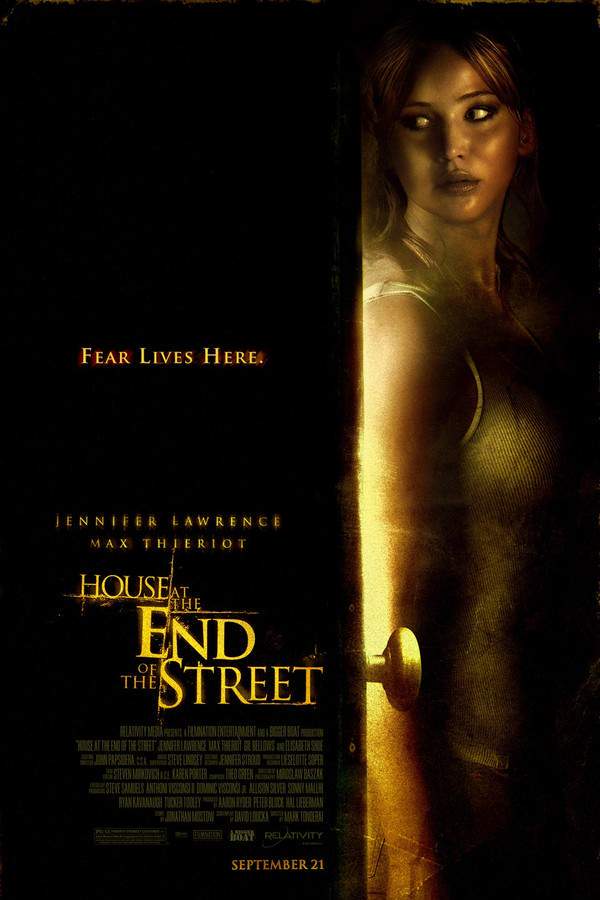
House at the End of the Street (2012) Full Movie Breakdown
A House on the Bayou (2021) Film Overview & Timeline
House on Haunted Hill (1999) Complete Plot Breakdown
The House That Dripped Blood (1971) Ending Explained & Film Insights
House (1986) Film Overview & Timeline
Haunted (2017) Detailed Story Recap
This House Possessed (1981) Ending Explained & Film Insights
House of Shadows (2020) Story Summary & Characters
The House in Marsh Road (1960) Full Movie Breakdown
The Red House (1947) Ending Explained & Film Insights
House of Terror (1973) Full Summary & Key Details
House of Terrors (1965) Complete Plot Breakdown