Plot Explained Spoilers guaranteed!
Plot Explained

Browse by genre

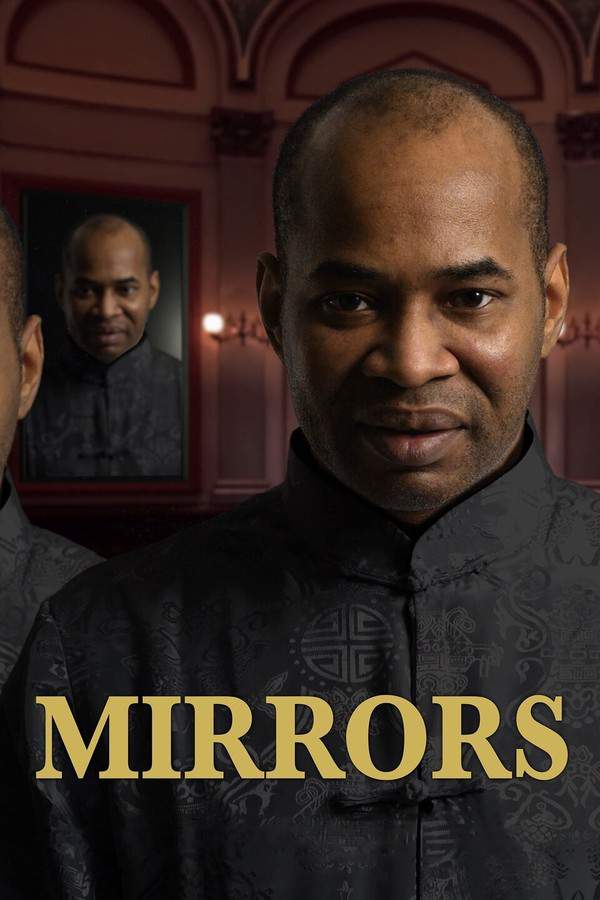
Mirrors (2008) movie poster

Plot Summary

Mirrors (2008) Plot Summary Explained

Release, runtime and language
2008 · 110 min · English
JustWatch #1,421 12
Directed by
Alexandre Aja
Starring
Paula Patton, Kiefer Sutherland, Amy Smart

Haunted by visions after a traumatic event, former police officer Ben Carson finds himself drawn to the remains of the Mayflower Mall. There, he discovers a disturbing phenomenon: antique mirrors displaying horrific images that seem to bleed into his world. As he investigates, Carson realizes a malevolent force is trapped within the reflective surfaces, endangering not only his sanity but also the lives of those he cares about. He must unravel the mystery and confront the terrifying power before it consumes everything.

On this page (6)
  1. 1 Where to watch
  2. 2 What happens: full plot
  3. 3 Plot questions answered
  4. 4 Movie threads
  5. 5 Movies like Mirrors
  6. 6 Every angle

Where to watch

Where to Watch Mirrors (2008)

Where can you watch Mirrors? Stream, rent or buy it in the US, including on Amazon Prime Video, YouTube Free and Amazon Video: current JustWatch availability with up-to-date prices.

Streaming availability powered by JustWatch

Full plot summary · contains spoilers

What Happens in Mirrors: Full Plot Summary

The whole story of Mirrors (2008) explained, from the opening scene to the final frame: every key event, every twist and what it all adds up to. Read it as a quick recap before the sequel, to check a scene you missed, or to finally understand what really happened.

A man finds himself in a dire situation, running away from an unknown threat. He seeks refuge in a locker room, where facing the many reflections of himself becomes a terrifying ordeal. As he approaches the largest mirror, it suddenly starts to crack, prompting him to frantically apologize to his reflection. In a desperate bid for redemption, he tries to fix the damaged mirror but inadvertently meets a grim fate as his own reflection slits his throat, despite him not physically doing so.

Fast forward to some time later, we meet Ben Carson (Kiefer Sutherland), a former undercover detective who has been marginalized after an officer-involved shooting. Struggling with his demons, he is compelled to accept a night security position at the Mayflower, a department store built on the ashes of a psychiatric hospital infamous for its dark past of treating patients with schizophrenia. This location is notorious for a horrifying mass killing in 1952, which led to its closure.

As he begins his shifts, Ben can't shake off a sense of unease; he notes the impeccably clean mirrors that had obsessed the previous guard. On his first night, he witnesses a door open in a mirror's reflection, prompting an investigation that yields no answers. The following nights plunge Ben deeper into terrifying visions that he initially dismisses as the side effects of medication prescribed to curb his alcohol addiction. His nights become haunted with strange handprints appearing on the mirrors, leading him to touch one, resulting in injury from broken glass.

Ben's psychological turmoil escalates as he feels engulfed by visions of a fire and hears whispers of past victims who perished horrifically in the store. Amongst the chaos, he finds a wallet belonging to Gary Lewis, the previous watchman, with cryptic clues pointing to a name—"Esseker." He receives a chilling package from Gary, filled with newspaper clips about the devastating fire, only to learn that the man responsible for the Mayflower’s destruction also ventured into unspeakable crimes, including family murder.

Ben confides in his younger sister, Angela (Amy Smart), about his haunting experiences, though she remains skeptical. This disbelief ironically juxtaposes their next encounter when Ben decides to visit Gary's body at the morgue, where he uncovers a startling detail—the bloody glass shard depicted in Gary's death photo differs from reality, confirming the mirrors’ sinister influence.

Meanwhile, Angela's ill-fated bath time turns monstrous when her reflection ensnares her, gruesomely tearing her jaw, leading to her death. Devastated, Ben returns to confront the mirrors but finds them mysteriously persistent against his attempts to destroy them. Faced with cryptic messages, he digs deeper into the store's past and discovers the name Anna Esseker, a psychiatric patient supposedly dead during the infamous mass killing, yet she had been transferred just days before—adding yet another layer of horror.

Realizing the mirrors threaten his family, Ben latches onto the idea that he must bring Anna back to safeguard them. As he tries to warn his estranged wife, Amy (Paula Patton), she dismisses his dire warnings, certain he’s losing his grip on reality. However, events take a dark turn when their son Michael begins conversing with his reflection, pushing Amy to fearfully reach out to Ben, who quickly joins them to cover every possible reflective surface in their home.

Ben's search for Anna leads him to discover her troubled past, revealing that her torment stemmed from demonic possession—thanks to the psychiatric practices of her time. Despite her refusal to return with him initially, Ben’s home is still besieged by the evil lurking in the mirrors. In a twist of fate, Michael unwittingly unleashes the danger by cleaning away protective paint, which culminates in a desperate confrontation with the reflection that nearly takes him.

After a frantic series of events involving Anna’s possession and a final showdown with the horrifying demon, the building crumbles around them, seemingly claiming Ben as well. Yet, amid the chaos, Amy desperately rescues Michael from drowning, showcasing the unyielding bond of a mother’s love.

As Ben emerges from the rubble, he becomes disoriented by the oddities surrounding him, including the reversed inscriptions on badges and vehicles, leading him to a harrowing realization of his demise—he is trapped in a mirror world. The film concludes on a haunting note, with Ben’s handprint manifesting on the surface of a mirror, symbolizing his eternal entrapment as the screen fades to black.
Last updated: October 27, 2024 at 18:05

Was this helpful?

Plot questions answered

Mirrors Plot Explained: Your Questions Answered

The questions people ask most about Mirrors (2008): what happens in the confusing scenes, why the characters do what they do, the twists, hidden details and what the ending means. Each answer contains spoilers.

Q1

Why was Ben Carson working as a security guard at the Mayflower?

Ben had been a successful undercover detective but was demoted after an officer-involved shooting left him psychologically traumatized. Struggling with alcoholism and unable to cope with his past, he was forced to take a night security position at the Mayflower department store to maintain employment.

Foreshadowing: Earlier dialogue establishes Ben's troubled history and his desperate need for work, setting up his reluctant acceptance of the job.

  • ben carson
  • security guard
  • mayflower
  • demoted detective
  • alcoholism
Q2

What happened to the previous security guard Gary Lewis?

Gary Lewis was the previous night watchman at the Mayflower who became obsessed with the mirrors before his death. He was found dead with his throat slit, but the glass shard in the crime scene photo didn't match the actual broken mirror, revealing the mirrors' supernatural influence on how his death was depicted.

Foreshadowing: Ben notices the impossibly clean mirrors and Gary's wallet contains cryptic clues pointing to 'Esseker'.

  • gary lewis
  • previous guard
  • death
  • mayflower watchman
Q3

Who was Anna Esseker and why was she important?

Anna Esseker was a psychiatric patient at the hospital that once occupied the Mayflower site. She was allegedly killed in the 1952 mass killing, but records showed she was actually transferred just days before the tragedy. She was tormented by demonic possession, and the evil force in the mirrors was connected to her unfinished business.

Foreshadowing: The newspaper clippings and wallet clues about 'Esseker' point to her existence long before Ben discovers her living.

  • anna esse ker
  • psychiatric patient
  • demonic possession
  • mayflower hospital
Q4

Why did Ben's sister Angela die?

Angela was killed when her reflection attacked her during bath time. The malevolent force from the Mayflower mirrors had spread to her home through her brother's exposure. Her reflection violently tore her jaw, demonstrating how the demonic mirror entity could cross between reflective surfaces and harm loved ones connected to those who investigated its origins.

Foreshadowing: Ben's earlier disturbing visions and the handprints on mirrors foreshadowed the danger spreading to his family.

  • angela death
  • reflection attack
  • bath scene
  • mirror entity
Q5

What caused the mass killing at the Mayflower in 1952?

In 1952, a patient named Michael Fitzsimmons who was treated for schizophrenia at the psychiatric hospital went on a murderous rampage, killing numerous patients and staff before setting the building on fire. This tragedy led to the hospital's closure and eventually the construction of the Mayflower department store on the ashes.

Foreshadowing: Ben discovers the newspaper clippings about the devastating fire, revealing the hospital's violent past.

  • 1952 mass killing
  • psychiatric hospital
  • fire
  • michael fitzsimmons
Q6

Why was Ben trapped in the mirror world at the end?

Ben died during the confrontation at the Mayflower when the building collapsed on him. The reversed inscriptions on badges and vehicles he noticed after emerging were clues that he had crossed into the mirror dimension. His handprint appearing on the mirror at the end confirmed his eternal entrapment in the supernatural realm, trapped like the demonic entity he fought.

Foreshadowing: The opening locker room scene depicted exactly this fate, a man being killed by his own reflection.

  • mirror world
  • ben death
  • trapped
  • dimensional crossover
Q7

How did the mirrors become haunted with a demonic force?

The mirrors absorbed the evil created at the psychiatric hospital, specifically the demonic presence that tormented Anna Esseker and the violent energy from the 1952 massacre. The building's construction over the hospital's ashes allowed the malevolent force to infect antique mirrors throughout the Mayflower, creating portals for supernatural harm.

Foreshadowing: The Mayflower's location on the psychiatric hospital's ashes is repeatedly emphasized throughout the story.

  • haunted mirrors
  • demonic force
  • psychiatric hospital
  • antique mirrors
Q8

Why couldn't Ben destroy the mirrors to stop the evil?

The mirrors were impervious to physical damage because they existed partially in the supernatural dimension. When Ben tried to break them, the glass wouldn't shatter properly. The demonic force maintained a metaphysical hold on the reflective surfaces, making conventional destruction impossible.

Foreshadowing: Ben's attempts to smash the mirrors early on failed, establishing their supernatural nature.

  • destroy mirrors
  • break mirrors
  • supernatural protection
Q9

What happened to Amy and Michael at the end of the movie?

Amy and Michael survived. During the building's collapse, Amy desperately rescued Michael from drowning in floodwaters, demonstrating a mother's fierce protective love. They emerged from the wreckage alive, though Ben was lost to them, trapped in the mirror world.

Foreshadowing: Amy and Michael's survival is set up through their escape attempts before Ben's final confrontation.

  • amy carson
  • michael carson
  • survival
  • family ending
Q10

Why was Michael talking to his reflection?

Michael began conversing with his reflection because the mirror entity was reaching through any reflective surface to corrupt innocent victims. Children were particularly vulnerable to its influence. This alarming behavior prompted Amy to call Ben home, leading to the family's attempt to cover all mirrors.

Foreshadowing: Ben had been experiencing visions and hearing whispers from the beginning, showing how the entity reaches out to those connected to the Mayflower.

  • michael reflection
  • conversing with reflection
  • child in danger
Q11

What was the opening locker room scene about?

The opening scene depicted Ben Carson's ultimate fate before the main story began. A man (revealed to be Ben in hindsight) flees through the locker room, confronts his multiple reflections, watches the largest mirror crack, apologizes desperately, and is killed by his own reflection slitting his throat. This prequel vision foreshadowed Ben's tragic end.

Foreshadowing: This was not foreshadowing but a flash-forward revealing the conclusion.

  • opening scene
  • locker room
  • foreshadowing
  • death scene
Q12

Why did Amy dismiss Ben's warnings about the mirrors?

Amy believed Ben was experiencing delusions caused by his medication for alcohol addiction and his psychological trauma from the officer-involved shooting. His erratic behavior and supernatural claims seemed irrational, leading her to dismiss his warnings until the mirrors directly threatened their son.

Foreshadowing: Ben's initial dismissals of his own visions as medication side effects planted doubt about his credibility.

  • amy carson
  • rejected warnings
  • skepticism
  • medication side effects

Movie threads

More Movies Like Mirrors, by Mood & Story

Curated lists built around what makes Mirrors tick: the same mood, the same kind of story or the same emotional payoff. Each list explains why these movies belong together.

Supernatural Thrillers Where Protagonists Confront Their Past Like in Mirrors

Haunted protagonists confront supernatural mysteries tied to their own troubled pasts. Explore movies like Mirrors where a character's personal trauma is intricately linked to a supernatural threat they must investigate. These films combine psychological depth with supernatural horror, creating stories where the external danger is a dark reflection of the hero's internal struggles.

  • anxious
  • desperate
  • haunting
  • psychological
  • unsettling
  • redemptive
  • Tone: dark, psychologically heavy
  • Pacing: steady, investigative
Why these movies?

The story pattern: In these narratives, a flawed protagonist—dealing with addiction, grief, or a past professional failure—becomes the only one who can perceive or stop a growing supernatural menace. Their investigation uncovers a hidden history that eerily parallels their own struggles, forcing them to face both the external evil and their own personal demons to protect those they love.

Why they belong together: These films are grouped by their fusion of a personal redemption arc with a supernatural detective story. They share a dark, heavy tone, where the horror is amplified by the protagonist's psychological vulnerability and the high stakes of protecting a family or community from an ancient or forgotten evil.

Claustrophobic Horror Movies with Bleak Endings Like Mirrors

Stories where terror seeps from the environment, trapping characters in a waking nightmare. If you liked the suffocating tension and bleak outcome of Mirrors, discover similar horror films defined by psychological dread and a claustrophobic atmosphere. These movies prioritize a slow-building, oppressive mood over action, often culminating in tragic or ambiguous endings for their protagonists.

  • oppressive
  • claustrophobic
  • unsettling
  • paranoid
  • desperate
  • anxious
  • Tone: dark, oppressive, bleak
  • Pacing: steady, slow burn
Why these movies?

The story pattern: These stories often trap characters within a specific location or a psychological state from which there is no easy escape. The threat is ambient and pervasive, gradually tightening its grip. The narrative unfolds through a series of escalating, sanity-shaking encounters, leading to a climax that offers little hope, emphasizing the inescapable and consuming nature of the horror.

Why they belong together: Movies in this thread are united by their focus on creating an overwhelming mood of anxiety and claustrophobia. They share a steady pacing that builds inevitable dread, a dark and heavy tone, and a narrative structure that prioritizes psychological disintegration and survival against an omnipresent, often intangible, threat.

If you liked this

Movies Like Mirrors

Similar movies to Mirrors: the same genre, themes or kind of story. Each one comes with its own plot summary, timeline and ending explained.

Browse all movie summaries

Every angle

Mirrors (2008) Explained: Plot, Timeline & Characters

Everything about Mirrors in one place: what happens in the plot summary, the timeline in chronological order, the characters and meaning and a spoiler-free summary. What's After the Movie adds the cast, box office and post-credit scenes.

Coming soon on iOS and Android

The Plot Explained Movie Summary App

Plot summaries, endings explained and timelines on your phone. Catch up on any movie in minutes, save your favorites and never miss a twist again.

Be the first to know when we launch. Your email stays private, always.

Learn more about the app