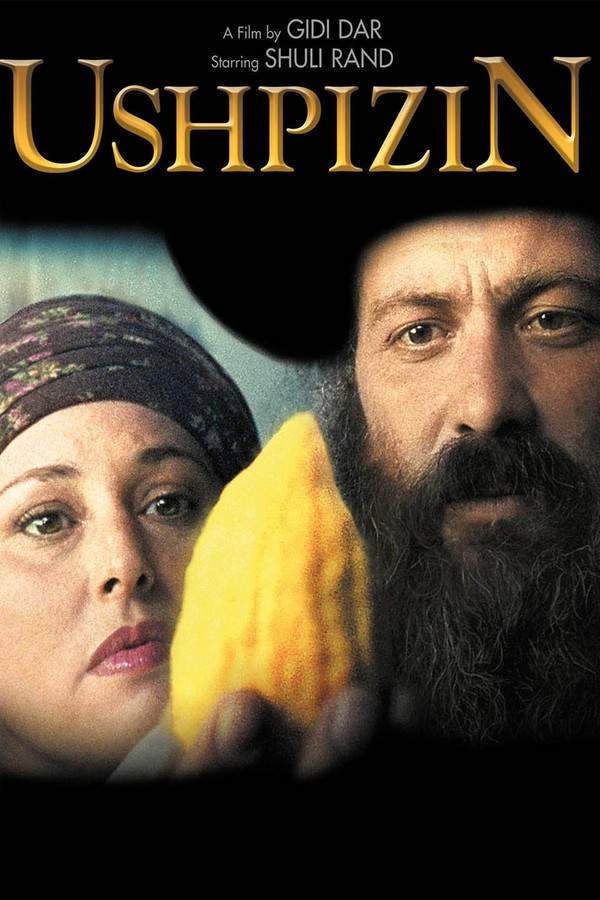
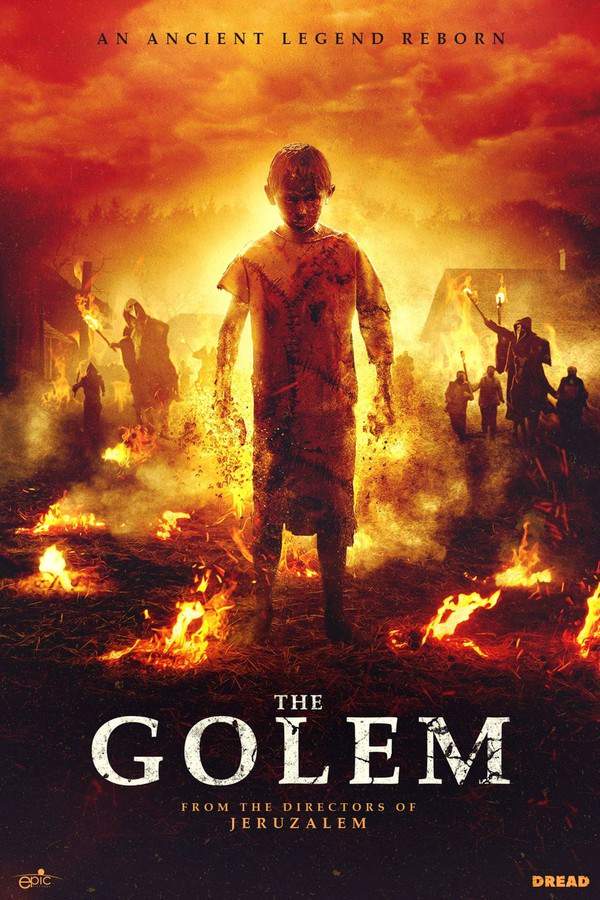
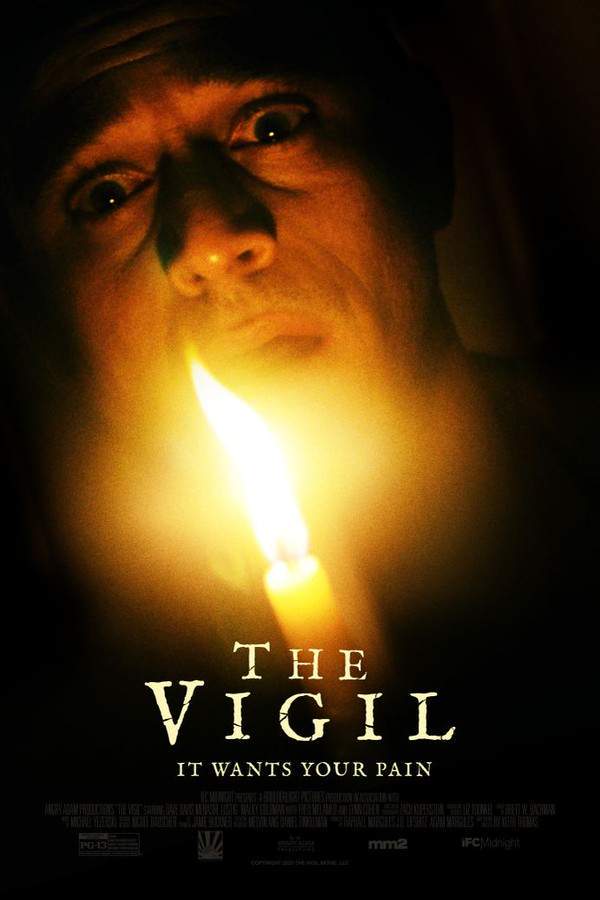
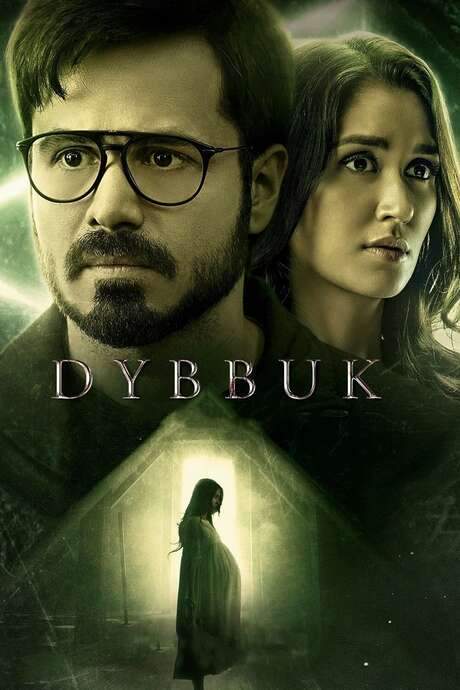
Two best friends, Nisan Gerszon Lemberger ben Rifke and Sender Mojzesz Lipman Brynicer ben Henie, grow up in a shtetl in the Pale of Settlement with a bold, shared vow: the children their wives are expecting will someday marry each other, even as a mysterious traveler warns that binding future generations could bring trouble. Their pact feels like a lifeline in a close-knit, precarious world, where fortune can tilt at a moment’s notice and every family carries its own quiet debts. The pair’s bond stands in for a wider hope that their line might endure beyond the hardships of village life, even as the traveler’s ominous warning lingers in the back of their minds.
Tragedy reshapes their paths in a cruel, almost fated way. Sender’s wife dies giving birth to their daughter Leah Lili Liliana, and Nisan drowns in a storm at the very moment his wife gives birth to their son Chanan Leon Liebgold. The two men drift into different corners of the shtetl’s social world: Sender becomes a wealthy, yet miserly, rabbi in Britnitz, juggling the demands of wealth and reputation, while Chanan arrives later as a poor yeshiva student who nonetheless carries a stubborn spark and a yearning for a different fate. Without fully recognizing their shared bloodline, they cross paths in a way that will one day bind their destinies even tighter.
Leah and Chanan fall in love, a quiet romance that grows under the looming shadow of poverty and social expectation. Leah, the daughter born to Sender’s household, and Chanan, the once-stranger who has found a place to belong, find themselves drawn to one another despite the odds. Yet the looming specter of wealth—the idea that Leah should marry into money to secure her future—looms large, and Sender’s confidence in any union born of such imbalances begins to crack. The relationship is tender, but it is also complicated by the very vows that started their stories.
Driven by a desperate longing to change his position, Chanan delves into the Kabbalah and even experiments with ritual power. His studies push him toward a dangerous edge as he searches for a way to alter his standing and win Leah’s hand. When he learns that Leah’s marriage has been arranged to a son of a wealthy family, his desperation darkens into a pact with forces he does not fully understand, hoping to bend fate to his will. The price for such meddling proves steep and deadly.
Chanan’s fate takes a dramatic turn: he is struck down, only to return as a dybbuk, a restless and malevolent spirit that possesses Leah. The wedding that could have united two families is suddenly postponed, and the community turns to an elder, Ezeriel, a wise and powerful rabbi from nearby Miropol, for guidance. The exorcism becomes a fraught battle between earthly and supernatural forces, as the dybbuk clings to Leah with a stubborn intensity that tests the limits of faith and authority. In a final, heartrending turn, Leah offers her soul to Chanan, and she dies as the mysterious stranger blows out a candle while uttering the words, "baruch dayan emet."
The tale that unfolds is not simply a tragedy of love and ambition, but a meditation on faith, fate, and the perils and promises of desire. Through the intertwined fates of Leah, Chanan, Nisan, and Sender, the film traces how a single vow—made in youth to shield a future—can unfold into a cascade of consequences that echo through generations. The exorcism by Ezeriel is both a plea for mercy and a stark reminder of the limits of human power when faced with the unseen. In the end, the story leaves us with a solemn weight: life persists, love persists, and the memory of what has been lost lingers in the air like a candle that has burnt down to its last glow.
> baruch dayan emet.