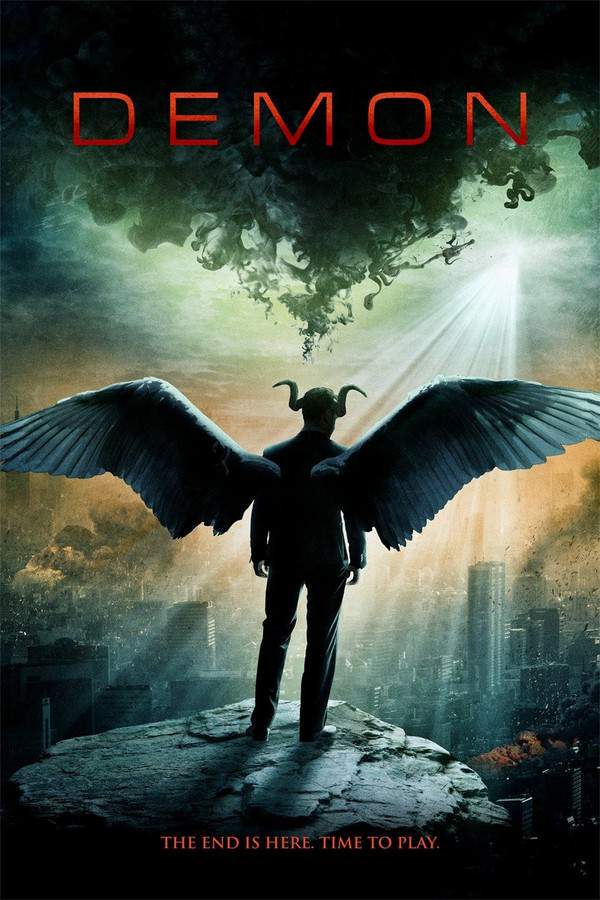
Polish-British Piotr, who has lived and worked in England for many years, is preparing to marry Żaneta, a Polish woman he has only met online. He knows her brother and, though his Polish is awkward, he carries memories of his ancestors more vividly than of his own experiences. He moves into a run-down rural estate that once belonged to Żaneta’s grandfather, a place steeped in history and the weight of the past.
While digging in the yard with a backhoe just before the wedding, Piotr makes a chilling discovery—a skeleton buried in the grounds. He keeps the find to himself at first,likely weighing the implications of what it might mean for the upcoming ceremony. Soon afterward, he is haunted by the persistent vision of a woman in a wedding dress, a spectral presence named Hana, whose appearance grows more insistent as the wedding day approaches. This haunting is not merely a dream; Piotr’s mental state begins to unravel as the figure draws closer and he begins to suffer unsettling seizures.
As the celebrations unfold, the vision intensifies and Piotr becomes increasingly unmoored, culminating in a possession by Hana—the woman he keeps seeing. Żaneta’s family, comfortable and powerful, acts to keep the growing trouble from the wedding guests. They distract everyone with vodka and loud music while they lock Piotr away in the basement, first under medical supervision and then under priestly intervention, attempting to contain the crisis without drawing attention.
In a pivotal turn, a teacher who appears to be the town’s last surviving Jewish resident from the pre-war era recognizes a telling detail: Piotr is speaking in Yiddish, signaling that Hana’s spirit has taken hold of him. This discovery anchors the story in a supernatural explanation and deepens the interpretation of what is happening to Piotr.
The film is a careful re-telling of the classic dybbuk tale, using the possession of a single man to explore broader themes. It also functions as an allegory for Polish-Jewish relations before and after the war, suggesting that the traumas and memories of the past still reverberate in the present. A chilling implication runs through the narrative: Żaneta’s grandfather may have enriched himself, at least in part, by exploiting the property after its Jewish residents disappeared, a detail that adds a murky layer to the family’s wealth and the estate’s fate.
Throughout, the atmosphere stays taut and unsettled, blending personal anguish with historical resonance. The haunted romance, the eerie visions, and the uneasy revelations work together to create a meditation on memory, guilt, and the lingering shadows of history—crafted in a style that remains accessible while inviting viewers to reflect on the ways in which the past continues to claim the present.