Year: 1992
Runtime: 102 mins
Language: French
Director: Claude Miller
In Nazi‑occupied Paris, young pianist Sophie Vasseur secures a position as accompanist to celebrated singer Irene Brice. Irene’s husband Charles, a businessman working with the occupiers, struggles with his conscience. Sophie becomes increasingly enamored with Irene, assuming duties as a maid in addition to her musical role, and begins to live vicariously through Irene’s performances and romantic entanglements, while the war’s moral complexities close in around them.
Warning: spoilers below!
Haven’t seen The Accompanist yet? This summary contains major spoilers. Bookmark the page, watch the movie, and come back for the full breakdown. If you're ready, scroll on and relive the story!
Trace every key event in The Accompanist (1992) with our detailed, chronological timeline. Perfect for unpacking nonlinear stories, spotting hidden connections, and understanding how each scene builds toward the film’s climax. Whether you're revisiting or decoding for the first time, this timeline gives you the full picture.
Last updated: February 20, 2026 at 18:45
Find frequently asked questions about the The Accompanist (1992) timeline, including chronological order, nonlinear jumps, cause-and-effect links, and scene sequence clarifications. This timeline FAQ helps explain when key events happen, how moments connect, and why the story unfolds in that specific order.
Sophie, a young and impoverished pianist, is drawn into Irène's glamorous world and begins living vicariously through her. Isolated and financially desperate, Sophie finds in Irène both artistic inspiration and a sense of purpose she lacked elsewhere. Her fixation deepens as she observes Irène's freedom, talent, and romantic entanglements, filling the emotional void in Sophie's own life.
From her first day as Irène's aide, Sophie watches intently, signaling her overwhelming attraction to Irène's lifestyle.
Charles Brice is portrayed as a calculating businessman who navigates the occupied territories for personal gain. While he struggles with his conscience, his collaboration stems primarily from self-interest and pragmatism rather than ideological allegiance. He uses his position to maintain his household's status and protect his wife Irène, though his moral compromises weigh heavily on him.
Early in the film, Charles is described as 'morally murky' as he navigates treacherous loyalties.
Charles plans the escape after being tipped off by contacts that his activities have drawn dangerous attention. Algeria, then unoccupied by German forces, represents a safe haven from the increasing risks in Paris. His motivation combines self-preservation with a genuine desire to protect Irène and Sophie from discovery and potential deportation.
The timeline notes 'tipped off by contacts' regarding the risk of discovery.
Irène refuses a provincial life in Algeria because it would mean abandoning her career as a celebrated performer. London represents the opportunity to continue her artistic legacy and be closer to her Resistance-connected lover Jacques. Her refusal reveals her prioritization of fame and passion over safety, choosing the risky but glamorous life in the Allied capital.
Charles proposes fleeing to 'unoccupied Algeria' as safety, but Irène's priorities lie elsewhere.
Jacques is described as a handsome member of the Resistance who becomes Irène's lover. His involvement in the Resistance adds dangerous complexity to their household, as association with resistance fighters could result in severe consequences under Nazi occupation. The relationship between Irène and Jacques also creates tension with Charles and deepens Sophie's emotional turmoil.
Irène's affair with Jacques 'reveals the Resistance link' and deepens the danger surrounding them.
Sophie's loyalty stems from her deep emotional attachment and idolization of Irène. Despite the complicated dynamics, Charles's manipulations, Irène's reckless choices, and her own heartbreak, Sophie remains a quiet witness. Her role as observer satisfies her need to be close to the world Irène represents, even at the cost of her own happiness.
Sophie 'remains a silent witness' throughout the narrative, highlighting her persistent devotion.
Charles feels out of place in London's foreign environment, unsettled by exile and the compromises forced by war. Removed from his business dealings in occupied Paris, he loses his sense of purpose and control. His unhappiness reflects the broader theme of moral compromise, he cannot return to his former life, yet he doesn't fit into the new world around him.
The timeline notes Charles's 'deepening unhappiness in the alien environment of London.'
Irène's recklessness in London stems from the pressures of exile and the continued danger of wartime secrecy. With Jacques now based in London, she pursues their relationship more openly while maintaining her public persona as a celebrated performer. The stress of living under constant threat, combined with her desire for freedom and romance, leads her to make increasingly dangerous choices.
The timeline explicitly notes Irène's 'increasingly reckless behavior as the war's shadow persists.'
The escape is triggered when Charles receives warning that their situation in Paris has become too dangerous to continue. Facing discovery due to his collaboration activities and Irène's association with Jacques, Charles orchestrates the perilous journey over the Pyrenees into neutral Spain. This represents a desperate attempt to escape the tightening Nazi net.
The plan follows 'being tipped off by contacts' about the risk of discovery.
Sophie serves as the narrative lens through which the story unfolds, offering an intimate yet unobtrusive view of wartime moral complexity. Her observer status allows her to witness the dynamics between Irène, Charles, and Jacques without direct involvement. This perspective highlights themes of disconnection and yearning, as Sophie experiences life vicariously while remaining on the periphery.
The summary describes 'Sophie’s perspective holds a steady, unobtrusive lens on events.'
Irène chooses London because it offers her the opportunity to resume her career as a celebrated prima donna, a life she cannot abandon for a provincial existence in Algeria. London also brings her closer to Jacques, whose Resistance work is based there. For Irène, artistic fulfillment and romantic passion outweigh the risks of remaining in the war zone.
In London, 'Irène can reclaim her status as a celebrated performer' while Jacques 'becomes a new focal point.'
The occupation forces all characters into morally ambiguous positions. Charles directly collaborates for personal gain while grappling with conscience. Sophie compromises her integrity by becoming complicit in the household's secrets. Irène navigates between collaborationist performances and resistance connections. Each character illustrates how fear, survival, and desire twist ethical boundaries in occupied France.
The film explores 'the war’s moral complexities' that 'close in around them.'
Discover curated groups of movies connected by mood, themes, and story style. Browse collections built around emotion, atmosphere, and narrative focus to easily find films that match what you feel like watching right now.
Intimate stories of personal compromise and quiet resistance during wartime.For viewers who liked The Accompanist, this thread features movies that explore the quiet, personal side of war, focusing on moral compromise, everyday survival, and the psychological weight of living under occupation.
These narratives typically follow a character navigating the gray areas of morality in extreme circumstances. The plot is often driven by internal conflict and the tension between personal survival and ethical principles, culminating in a resolution that reflects the emotional and ethical toll of their choices.
Movies in this thread share a focus on character-driven drama set against the backdrop of war, prioritizing psychological depth and moral ambiguity over spectacle. They create a similar feeling of intimate tension and melancholic reflection.
Stories of quiet observers who become consumed by the lives of brilliant artists.If you liked the dynamic between Sophie and Irène in The Accompanist, this thread collects films about characters consumed by artistic obsession, exploring yearning, devotion, and the complex relationships behind creative genius.
The narrative pattern follows an often-young, impressionable protagonist who enters the orbit of a charismatic but flawed artist. Through their role as an assistant, accompanist, or confidant, they become deeply invested in the artist's life, leading to a complex, emotionally charged relationship that tests boundaries and explores the cost of living through another.
These films are grouped by their shared focus on the psychology of obsession, the dynamics of unequal relationships, and the intense, often melancholic atmosphere that arises from one character living in the shadow of another's brilliance.
Don't stop at just watching - explore The Accompanist in full detail. From the complete plot summary and scene-by-scene timeline to character breakdowns, thematic analysis, and a deep dive into the ending - every page helps you truly understand what The Accompanist is all about. Plus, discover what's next after the movie.
Read a complete plot summary of The Accompanist, including all key story points, character arcs, and turning points. This in-depth recap is ideal for understanding the narrative structure or reviewing what happened in the movie.
Discover the characters, locations, and core themes that shape The Accompanist. Get insights into symbolic elements, setting significance, and deeper narrative meaning - ideal for thematic analysis and movie breakdowns.
Discover movies like The Accompanist that share similar genres, themes, and storytelling elements. Whether you’re drawn to the atmosphere, character arcs, or plot structure, these curated recommendations will help you explore more films you’ll love.
The Accompanist (1992) Plot Summary & Movie Recap
The Accompanist (1992) Scene-by-Scene Movie Timeline
The Accompanist (1992) Spoiler-Free Summary & Key Flow
Movies Like The Accompanist – Similar Titles You’ll Enjoy
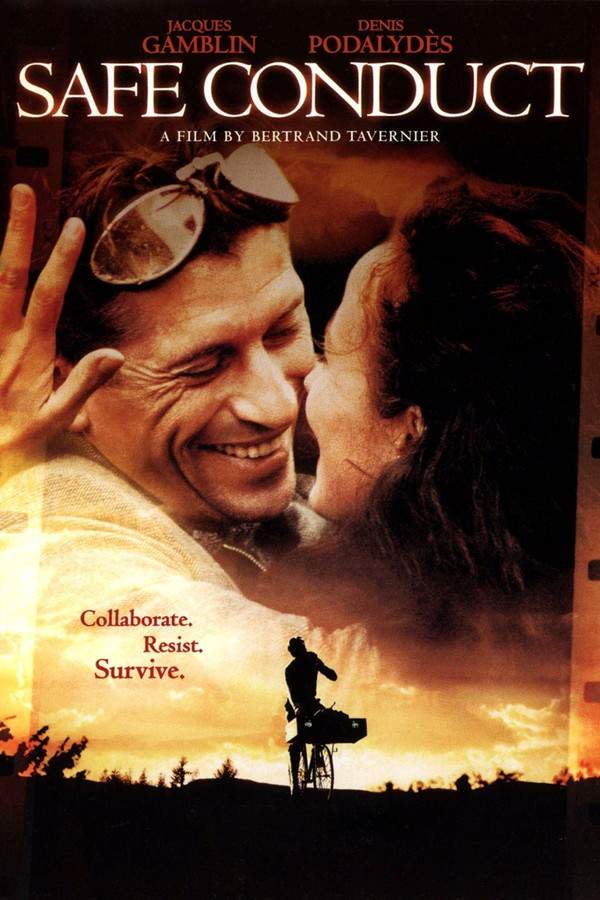
Safe Conduct (2002) Detailed Story Recap
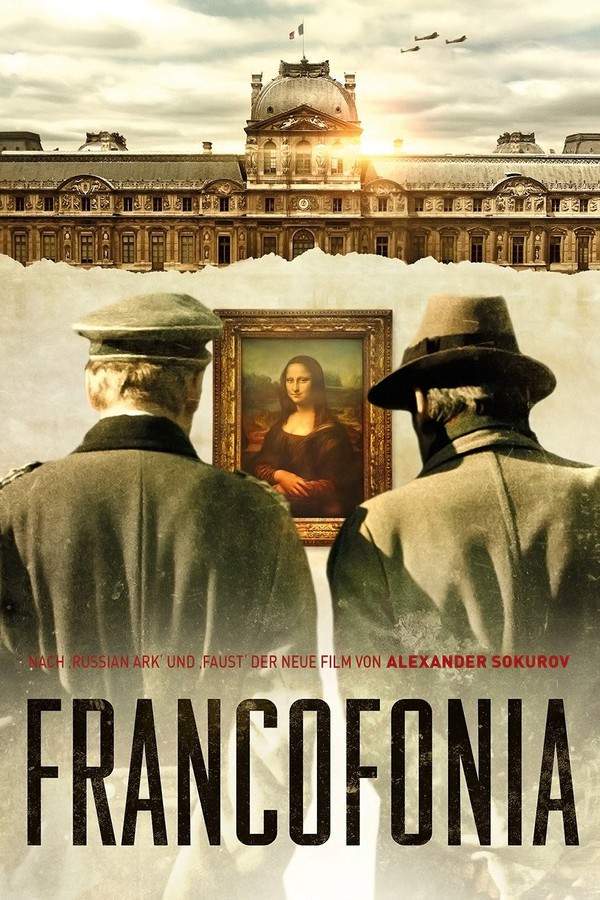
Francofonia (2016) Film Overview & Timeline
Playing for Time (1980) Full Movie Breakdown
Violins at the Ball (1974) Detailed Story Recap
A French Woman (1995) Ending Explained & Film Insights
Paris Underground (1945) Full Summary & Key Details
The Silence of the Sea (1949) Film Overview & Timeline
La Traversée de Paris (1956) Full Movie Breakdown
Manon (1949) Plot Summary & Ending Explained
Paris Interlude (1934) Film Overview & Timeline
Arch of Triumph (1948) Spoiler-Packed Plot Recap
Paris After Dark (1943) Ending Explained & Film Insights
Murder on Dante Street (1956) Story Summary & Characters
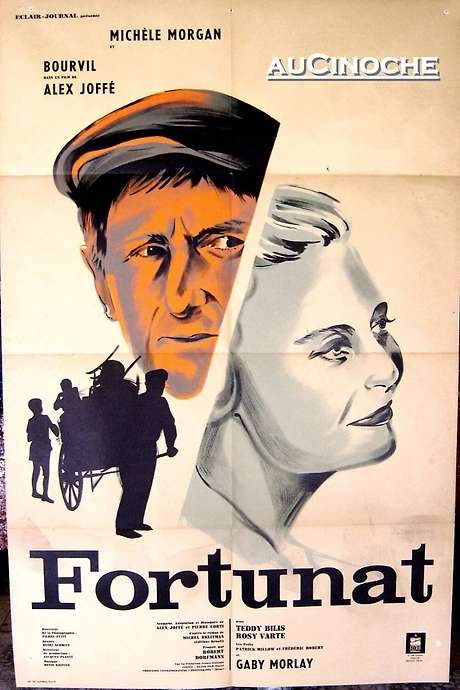
Fortunate (1960) Detailed Story Recap
Appointment in Bray (1971) Plot Summary & Ending Explained