Year: 1992
Runtime: 102 mins
Language: French
Director: Claude Miller
In Nazi‑occupied Paris, young pianist Sophie Vasseur secures a position as accompanist to celebrated singer Irene Brice. Irene’s husband Charles, a businessman working with the occupiers, struggles with his conscience. Sophie becomes increasingly enamored with Irene, assuming duties as a maid in addition to her musical role, and begins to live vicariously through Irene’s performances and romantic entanglements, while the war’s moral complexities close in around them.
Warning: spoilers below!
Haven’t seen The Accompanist yet? This summary contains major spoilers. Bookmark the page, watch the movie, and come back for the full breakdown. If you're ready, scroll on and relive the story!
Explore the full timeline and setting of The Accompanist (1992). Follow every major event in chronological order and see how the environment shapes the story, characters, and dramatic tension.
Last updated: February 20, 2026 at 18:40
Meet the key characters of The Accompanist (1992), with detailed profiles, motivations, and roles in the plot. Understand their emotional journeys and what they reveal about the film’s deeper themes.
Last updated: February 20, 2026 at 18:40
Explore the central themes of The Accompanist (1992), from psychological, social, and emotional dimensions to philosophical messages. Understand what the film is really saying beneath the surface.
Last updated: February 20, 2026 at 18:40
Browse frequently asked questions about The Accompanist (1992) focused on characters, relationships, themes, symbols, setting, and story context. This movie info FAQ gives spoiler-aware explanations for character arcs, world details, and thematic interpretation so readers can better understand what the film is really about.
The Accompanist is set primarily in Nazi-occupied Paris during 1942, with the narrative moving through the Pyrenees mountains into neutral Spain and eventually London. The contrast between glamorous concert halls and dangerous border crossings defines the film's geographical tension.
Early scenes in smoky Paris concert halls hint at the perilous journey ahead.
The film takes place in 1942 during the height of Nazi occupation in Paris and the collaborationist Vichy regime. This era is characterized by censorship, fear, and the constant pressure to choose between personal safety and moral complicity.
Sophie Vasseur is a young, impoverished pianist who becomes the live-in accompanist and aide to the glamorous singer Irène Brice. She is impressionable and increasingly lives vicariously through Irène's world, making her a crucial witness to the unraveling power dynamics around her.
Sophie's quiet presence at the piano establishes her role as observer.
Irène Brice is a famous, glamorous singer whose life becomes a stage for manipulation and desire. She wields her charm strategically, drawing Sophie into risky entanglements while navigating the conflict between personal freedom and survival under occupation.
Irène's commanding stage presence signals her influence over others.
Charles Brice is Irène's husband, a devious businessman collaborating with the Vichy regime and the Nazis. He manipulates others to secure his own escape plan while struggling with the moral cost of his actions, driving much of the film's ethical tension.
Charles's business dealings hint at his compromised loyalties.
The Accompanist explores obsession, glamour, escape, and moral conflict as its core themes. Sophie's fixation on Irène drives the narrative while the film examines how desire warps judgment, performance masks truth, and survival tests loyalty under occupation.
Sophie's fixation on Irène blurs the lines between admiration and control, driving much of the story's tension. Charles also uses emotional leverage to influence Sophie while pursuing his escape, showing how obsession acts as a corrosive force that exposes loyalties and betrayals.
Sophie's intense focus on Irène's performances hints at her growing fixation.
Music serves as both escape and entrapment in The Accompanist, with the glamorous music world contrasting sharply against the occupation's shadow. Sophie's piano accompaniment becomes her entry point into Irène's world while performance offers both refuge and danger.
Early piano scenes establish music as Sophie's connection to Irène.
Jacques Fabert is a handsome Resistance member who has an affair with Irène, representing the moral counterpoint to Charles. He embodies courage and the struggle against oppression, underscoring the personal stakes of occupation and the risks taken by those who resist.
Irène's charm and the dazzling world of fame gloss over moral compromise, becoming both a weapon and a shield. The contrast between stage glamour and real danger highlights how performance can mask truth during occupation, drawing others into a web of influence.
Irène's polished stage persona contrasts with the occupation's grim reality.
The dangerous flight from Paris through the Pyrenees to Spain and London represents an existential gamble testing loyalty, courage, and the cost of survival. The path outward mirrors an inner search for freedom from coercive power, with each step laden with risk and betrayal.
Early discussions of escape plant the seeds for the perilous journey.
Characters face choices where personal desire clashes with ethical duty in a morally gray landscape of occupation. Charles's collaboration places him under scrutiny even as he seeks protection, while Sophie witnesses the unraveling of loyalties and consequences of compromised integrity.
Charles's uneasy dealings hint at his internal moral struggle.
The Accompanist maintains a melancholic tone reflecting quiet sadness and reflective mood centered on Sophie's dislocation and unrequited feelings. The pacing is steady and deliberate, building character and atmosphere through psychological tension rather than overt action.
The film is set during Nazi occupation of Paris and the collaborationist Vichy regime, defined by censorship, fear, and daily pressure to choose between safety and complicity. Characters navigate a world where escape to neutral zones becomes a critical and dangerous possibility.
Sophie becomes enamored with Irène while Charles manipulates both women for his escape plan, creating a complex web of ambition, affection, and danger. Jacques represents moral opposition to Charles, while Irène's affair with him underscores the personal stakes of occupation.
Early interactions establish the power dynamics between the four main characters.
Discover curated groups of movies connected by mood, themes, and story style. Browse collections built around emotion, atmosphere, and narrative focus to easily find films that match what you feel like watching right now.
Intimate stories of personal compromise and quiet resistance during wartime.For viewers who liked The Accompanist, this thread features movies that explore the quiet, personal side of war, focusing on moral compromise, everyday survival, and the psychological weight of living under occupation.
These narratives typically follow a character navigating the gray areas of morality in extreme circumstances. The plot is often driven by internal conflict and the tension between personal survival and ethical principles, culminating in a resolution that reflects the emotional and ethical toll of their choices.
Movies in this thread share a focus on character-driven drama set against the backdrop of war, prioritizing psychological depth and moral ambiguity over spectacle. They create a similar feeling of intimate tension and melancholic reflection.
Stories of quiet observers who become consumed by the lives of brilliant artists.If you liked the dynamic between Sophie and Irène in The Accompanist, this thread collects films about characters consumed by artistic obsession, exploring yearning, devotion, and the complex relationships behind creative genius.
The narrative pattern follows an often-young, impressionable protagonist who enters the orbit of a charismatic but flawed artist. Through their role as an assistant, accompanist, or confidant, they become deeply invested in the artist's life, leading to a complex, emotionally charged relationship that tests boundaries and explores the cost of living through another.
These films are grouped by their shared focus on the psychology of obsession, the dynamics of unequal relationships, and the intense, often melancholic atmosphere that arises from one character living in the shadow of another's brilliance.
Don't stop at just watching - explore The Accompanist in full detail. From the complete plot summary and scene-by-scene timeline to character breakdowns, thematic analysis, and a deep dive into the ending - every page helps you truly understand what The Accompanist is all about. Plus, discover what's next after the movie.
Read a complete plot summary of The Accompanist, including all key story points, character arcs, and turning points. This in-depth recap is ideal for understanding the narrative structure or reviewing what happened in the movie.
Track the full timeline of The Accompanist with every major event arranged chronologically. Perfect for decoding non-linear storytelling, flashbacks, or parallel narratives with a clear scene-by-scene breakdown.
Discover movies like The Accompanist that share similar genres, themes, and storytelling elements. Whether you’re drawn to the atmosphere, character arcs, or plot structure, these curated recommendations will help you explore more films you’ll love.
The Accompanist (1992) Plot Summary & Movie Recap
The Accompanist (1992) Scene-by-Scene Movie Timeline
The Accompanist (1992) Spoiler-Free Summary & Key Flow
Movies Like The Accompanist – Similar Titles You’ll Enjoy
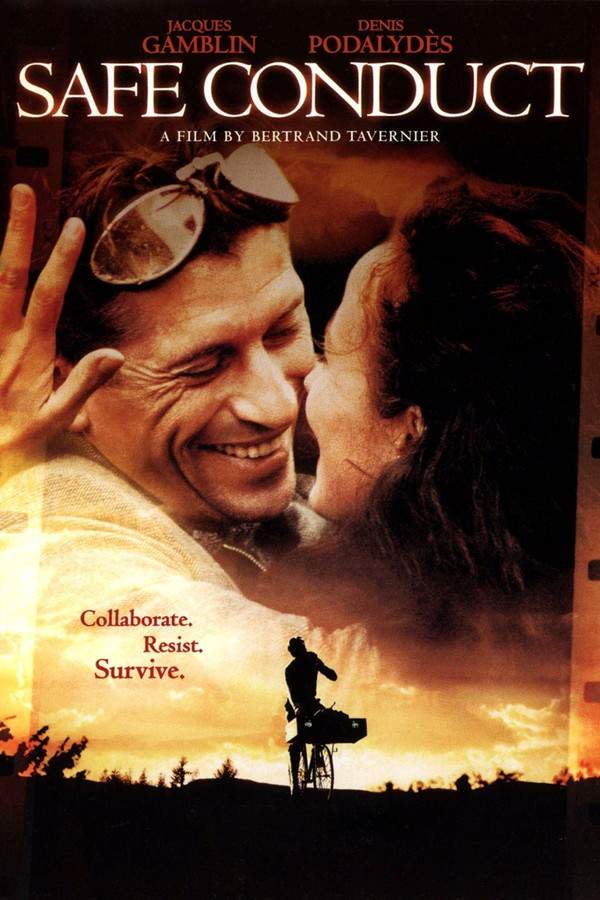
Safe Conduct (2002) Detailed Story Recap
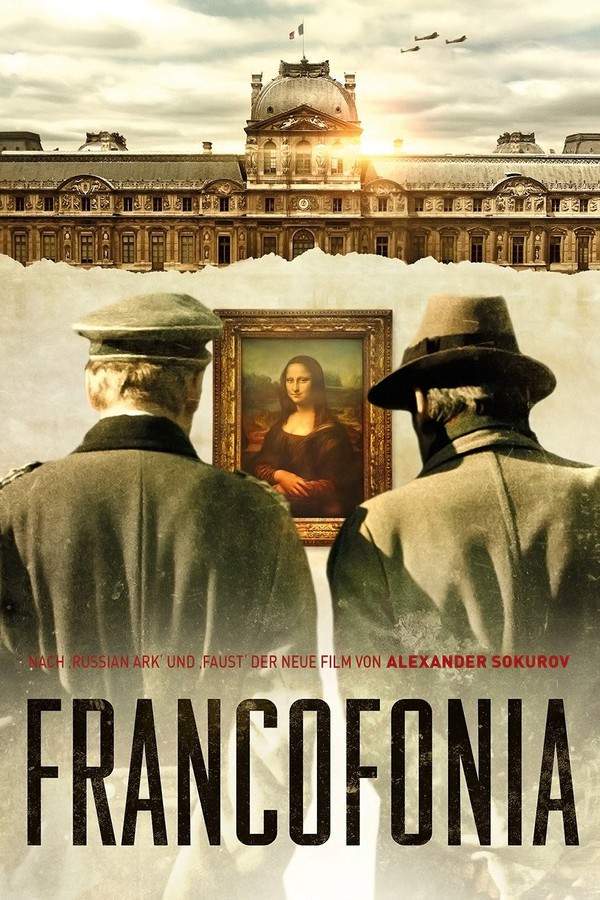
Francofonia (2016) Ending Explained & Film Insights
Playing for Time (1980) Complete Plot Breakdown
Violins at the Ball (1974) Plot Summary & Ending Explained
A French Woman (1995) Movie Recap & Themes
Paris Underground (1945) Detailed Story Recap
The Silence of the Sea (1949) Movie Recap & Themes
La Traversée de Paris (1956) Story Summary & Characters
Manon (1949) Plot Summary & Ending Explained
Paris Interlude (1934) Detailed Story Recap
Arch of Triumph (1948) Movie Recap & Themes
Paris After Dark (1943) Full Movie Breakdown
Murder on Dante Street (1956) Full Summary & Key Details
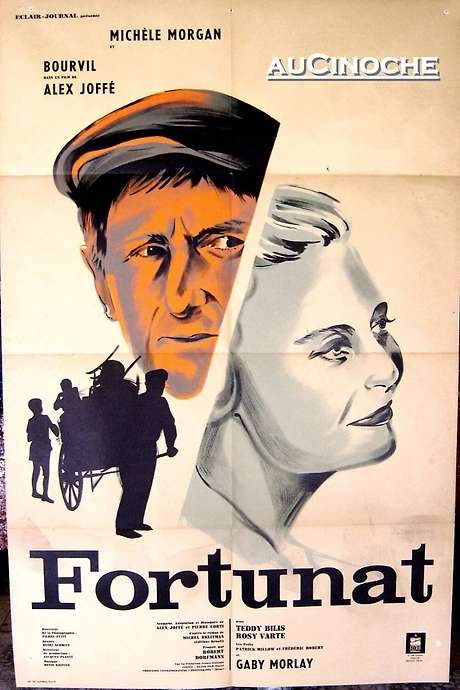
Fortunate (1960) Spoiler-Packed Plot Recap
Appointment in Bray (1971) Spoiler-Packed Plot Recap