Plot Explained Spoilers guaranteed!
Plot Explained

Browse by genre

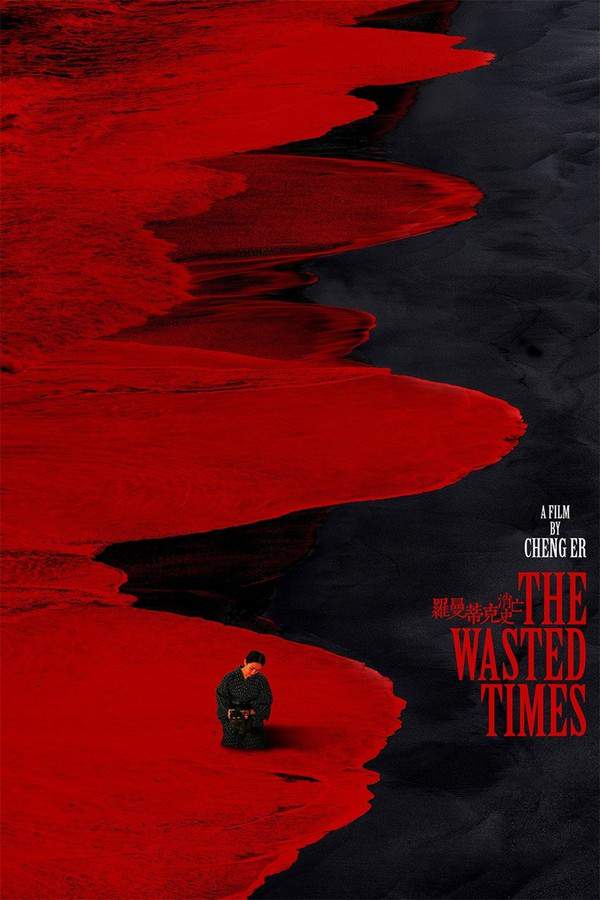
The Wasted Times (2016) movie poster

Characters & Themes

The Wasted Times (2016) Characters, Setting & Themes Explained

Release, runtime and language
2016 · 125 min · Chinese
Loading streaming availability…
Directed by
Er Cheng

During the chaotic period of war in Shanghai, a tenuous peace exists between the occupying Japanese army and a powerful crime boss. Their uneasy alliance is threatened as they maneuver through a landscape of political intrigue and shifting loyalties. The drama explores how the brutal circumstances force difficult choices and blur the lines between right and wrong.

On this page (8)
  1. 1 Where to watch
  2. 2 Characters explained (4)
  3. 3 Where & when it takes place
  4. 4 Themes & meaning (3)
  5. 5 Character & meaning questions
  6. 6 Movie threads
  7. 7 Movies like The Wasted Times
  8. 8 Every angle
Loading streaming availability…

4 main characters · contains spoilers

The Wasted Times Characters Explained: Who Is Who

The main characters of The Wasted Times (2016), heroes and villains: what drives them, how they change over the course of the story and what each of them reveals about the film's bigger ideas.

  • Lu

    Lu is portrayed as a formidable Chinese crime lord grappling with his sense of loyalty amid the turmoil of war. His character is driven by a desire for revenge against betrayal, showcasing both his ruthlessness and vulnerability. Throughout the film, Lu's decisions lead him on a tragic path of loss and sacrifice.

    • 💼 Crime
    • 🎭 Tragedy
    • 🥷 Loyalty
  • Watabe

    Watabe stands as a complex figure, torn between his duties as a Japanese national and his familial ties to Lu. His role as a double agent reveals significant internal conflict, as loyalty to his family clashes with his responsibilities during wartime. Watabe's character embodies themes of duty, betrayal, and ultimately, sacrifice.

    • 👨‍👨‍👦 Brother
    • 🎭 Conflict
    • 🐉 Duality
  • Xiao Liu

    Xiao Liu is a discontented film actress whose affairs create ripples of embarrassment for her husband. Throughout the film, her character reflects the struggles of women during war, navigating personal desires amidst societal expectations. Her eventual relocation underscores her desire for autonomy and the search for identity.

    • 🎬 Actress
    • 💔 Relationship
    • ✈️ Journey
  • Wu

    Wu is depicted as a struggling actress entangled in a desperate situation, showcasing the harsh realities faced by women in a wartime setting. Her relationship with Mr. Dai adds layers to her character, illustrating themes of love and betrayal while highlighting the sacrifices one must make for survival.

    • 🎭 Actress
    • 💔 Dilemma
    • ⚖️ Choice

Last updated: October 22, 2024 at 21:53

Was this helpful?

Setting

Where and When Does The Wasted Times Take Place?

The setting of The Wasted Times (2016): the year and time period, the places and locations, and how they shape the characters, the mood and the tension of the story.

Time period

1934-1945

This period encompasses significant global events, including the rise of militarism in Japan and the subsequent occupation of China. The film captures the escalating tensions leading to war, marked by betrayal and personal conflicts against a backdrop of national strife. The narrative illustrates how personal relationships are irrevocably changed by the broader historical context of war.

Location

Shanghai, Suzhou, Hong Kong, Philippines

The film is primarily set in Shanghai during the tumultuous years of the Japanese occupation, known for its vibrant culture and complex dynamics between local crime lords and foreign powers. Suzhou, featured as a train station destination, is famous for its classical gardens and cultural heritage. Hong Kong serves as a critical location for the aftermath of the Japanese invasion, while the Philippines represents a distant theatre of war where pivotal character developments unfold.

  • 🏙️ City
  • 🚆 Transportation
  • 🌍 War

Last updated: October 22, 2024 at 21:53

Was this helpful?

3 major themes

The Wasted Times Meaning: Themes & Message Explained

What is The Wasted Times (2016) really about? The emotional, social and philosophical themes the film keeps returning to, its symbolism and the message beneath the surface.

  • Betrayal

    Betrayal is a central theme that permeates the relationships between characters, particularly reflected in Lu’s struggles with Zhang and the revelation of Watabe’s dual loyalties. The film illustrates how personal betrayals can have devastating consequences, not only on individual lives but also on collective fates during wartime. This theme emphasizes the complexity of human relationships under extreme conditions.

  • Loss

    Loss resonates throughout the narrative, framing the emotional journeys of characters like Lu and Watabe. From the death of family members to the poignant sacrifices made for loyalty, each character must grapple with the profound impacts of their choices. The film poignantly explores the weight of these losses and how they shape the identities and actions of its central figures.

  • Identity

    Identity shapes the motivations and actions of each character, with factors such as nationality and personal history deeply influencing their choices. Lu and Watabe's contrasting backgrounds highlight the complexities of identity during a time of conflict, where personal affiliations often collide with nationalistic pressures. The film reflects on how these elements of identity are challenged and redefined through the chaos of war.

Last updated: October 22, 2024 at 21:53

Was this helpful?

Character & theme questions

The Wasted Times Characters & Meaning: Your Questions Answered

The questions people ask about The Wasted Times (2016): who the characters really are, their relationships, what the symbols mean, where it takes place and what the movie is really about. Each answer contains spoilers.

Q1

Where is the movie set?

The film takes place primarily in Shanghai during the Japanese occupation, with key scenes also set in Suzhou, Hong Kong, and the Philippines. Shanghai serves as the main backdrop, a city known for its vibrant culture and complex dynamics between local crime lords and foreign occupying forces.

  • shanghai
  • japanese occupation
  • setting
  • locations
  • suzhou
  • hong kong
  • philippines
Q2

What time period does the movie cover?

The story unfolds between 1934 and 1945, capturing the escalating tensions of the Japanese occupation of China. This period encompasses the rise of militarism in Japan and the subsequent invasion, showing how personal relationships are irrevocably changed by the broader historical context of war.

  • 1930s
  • 1940s
  • japanese occupation
  • time period
  • historical
  • war era
Q3

What role does Shanghai play in the story?

Shanghai is not just a backdrop but a character itself, serving as a landscape of political intrigue and shifting loyalties where a tenuous peace exists between the occupying Japanese army and powerful crime lords. The city's complex dynamics between local crime lords and foreign powers drives much of the conflict.

  • shanghai
  • crime boss
  • japanese army
  • occupation
  • political intrigue
Q4

What does the movie say about betrayal?

Betrayal is a central theme that permeates relationships between characters, particularly in Lu's struggles with Zhang and the revelation of Watabe's dual loyalties. The film illustrates how personal betrayals can have devastating consequences on individual lives and collective fates during wartime, emphasizing the complexity of human relationships under extreme conditions.

  • betrayal
  • loyalty
  • trust
  • double agent
  • wartime relationships
Q5

How does loss shape the characters?

Loss resonates throughout the narrative, framing the emotional journeys of characters like Lu and Watabe. From the death of family members to sacrifices made for loyalty, each character must grapple with the profound impacts of their choices. The film explores how these losses shape identities and actions of its central figures.

  • loss
  • sacrifice
  • death
  • grief
  • family
  • emotional journey
Q6

How does the movie explore identity?

Identity shapes the motivations and actions of each character, with factors like nationality and personal history deeply influencing their choices. Lu and Watabe's contrasting backgrounds highlight the complexities of identity during conflict, where personal affiliations collide with nationalistic pressures. The film shows how identity is challenged and redefined through the chaos of war.

  • identity
  • nationality
  • loyalty
  • personal history
  • character motivation
Q7

Who is Lu and what drives him?

Lu is a formidable Chinese crime lord grappling with his sense of loyalty amid the turmoil of war. His character is driven by a desire for revenge against betrayal, showcasing both his ruthlessness and vulnerability. Throughout the film, Lu's decisions lead him on a tragic path of loss and sacrifice.

  • lu
  • crime lord
  • revenge
  • betrayal
  • loyalty
  • chinese gangster
Q8

Who is Watabe and what is his conflict?

Watabe is a complex figure torn between his duties as a Japanese national and his familial ties to Lu. His role as a double agent reveals significant internal conflict, as loyalty to his family clashes with his responsibilities during wartime. Watabe's character embodies themes of duty, betrayal, and ultimately, sacrifice.

  • watabe
  • double agent
  • japanese
  • family loyalty
  • duty
  • betrayal
  • internal conflict
Q9

Who is Xiao Liu in the movie?

Xiao Liu is a discontented film actress whose affairs create ripples of embarrassment for her husband. Her character reflects the struggles of women during war, navigating personal desires amidst societal expectations. Her eventual relocation underscores her desire for autonomy and the search for identity.

  • xiao liu
  • actress
  • affairs
  • women wartime
  • autonomy
  • identity
Q10

Who is Wu in the film?

Wu is a struggling actress entangled in a desperate situation, showcasing the harsh realities faced by women in a wartime setting. Her relationship with Mr. Dai adds layers to her character, illustrating themes of love and betrayal while highlighting the sacrifices one must make for survival.

  • wu
  • actress
  • mr. dai
  • survival
  • love
  • betrayal
  • wartime struggles
Q11

How does the movie portray loyalty versus duty?

The film explores the tension between personal loyalty and civic or military duty through characters like Watabe, whose familial ties to Lu conflict with his Japanese national obligations. This creates moral quandaries where characters must choose between blood ties and broader allegiances, often with fatal consequences.

  • loyalty
  • duty
  • family
  • patriotism
  • moral conflict
  • wartime choices
Q12

What is the overall tone and mood of the film?

The dominant tone is dark, shaped by the grim realities of war and morally compromised characters making difficult choices. The film carries a heavy emotional weight due to its depiction of family tragedies, assassination attempts, and imprisonment. The ending is bleak, with the protagonist left alone, haunted by loss and violence.

  • dark tone
  • bleak
  • war
  • tragedy
  • emotional weight
  • moral compromise

Movie threads

More Movies Like The Wasted Times, by Mood & Story

Curated lists built around what makes The Wasted Times tick: the same mood, the same kind of story or the same emotional payoff. Each list explains why these movies belong together.

Moral Descent in Wartime Shadows like in The Wasted Times

Stories where the fog of war blurs morality and alliances are made to be broken. If you liked The Wasted Times for its exploration of moral ambiguity during conflict, you'll find similar movies here. These films often feature characters caught between warring factions, where survival demands difficult compromises and allegiances are constantly tested, leading to tragic outcomes.

  • tense
  • tragic
  • oppressive
  • gritty
  • morally complex
  • suspenseful
  • Tone: dark, tragic, morally complex
  • Pacing: variable, character-driven
Why these movies?

The story pattern: Narratives in this thread typically follow characters who begin with a defined moral code that is systematically eroded by the brutal realities of war or organized crime. The plot is driven by high-stakes political maneuvering and betrayals, with the emotional journey centered on the protagonist's psychological decay and the loss of their former self.

Why they belong together: These movies are grouped by their shared focus on the dissolution of morality under extreme pressure. They create a similar viewing experience through a dark tone, high emotional weight, and bleak conclusions that reflect the futility and tragedy of the characters' choices.

Non-Linear Tragedies of Revenge like in The Wasted Times

Complex narratives where time shifts to unravel a story of vengeance and profound loss. For viewers who appreciated The Wasted Times' complex, time-hopping narrative that builds towards a tragic conclusion, this section highlights similar movies. These complex dramas often explore themes of revenge and loss through a puzzle-like structure that demands viewer engagement.

  • suspenseful
  • tragic
  • melancholic
  • complex
  • somber
  • gritty
  • Tone: melancholic, suspenseful, bleak
  • Pacing: variable, deliberate
Why these movies?

The story pattern: The defining narrative pattern is a revenge plot told out of chronological order. Key events are revealed gradually, building suspense and deepening the audience's understanding of the characters' pain and motivations. The journey is ultimately circular, ending where it began but with the full, tragic weight of the story now understood.

Why they belong together: These films share a specific combination of a complex, non-linear plot structure and a heavy emotional core centered on revenge and tragedy. The experience is defined by the intellectual challenge of piecing the story together, coupled with the emotional payoff of a devastating conclusion.

If you liked this

Movies Like The Wasted Times

Similar movies to The Wasted Times: the same genre, themes or kind of story. Each one comes with its own plot summary, timeline and ending explained.

Browse all movie summaries

Every angle

The Wasted Times (2016) Explained: Plot, Timeline & Characters

Everything about The Wasted Times in one place: what happens in the plot summary, the timeline in chronological order, the characters and meaning and a spoiler-free summary. What's After the Movie adds the cast, box office and post-credit scenes.

Coming soon on iOS and Android

The Plot Explained Movie Summary App

Plot summaries, endings explained and timelines on your phone. Catch up on any movie in minutes, save your favorites and never miss a twist again.

Be the first to know when we launch. Your email stays private, always.

Learn more about the app