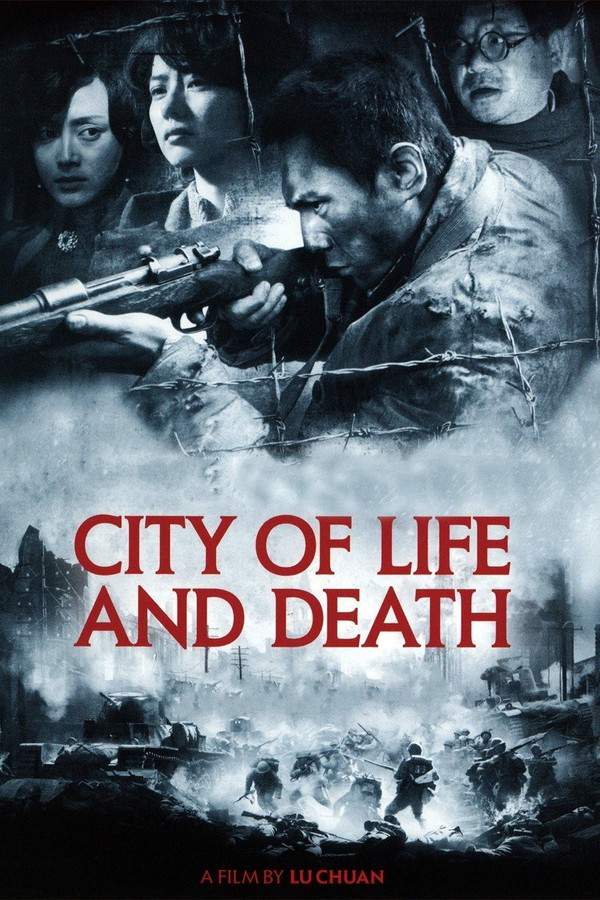
City of Life and Death
Year: 2011
Runtime: 132 min
Language: Chinese
Director: Chuan Lu
During the Japanese Imperial Army's siege of Nanking in December 1937, unimaginable terror unfolded, resulting in the tragic loss of up to 300,000 lives within a span of six weeks. This film powerfully reimagines this dark period in modern Asian history, presenting a stark and unflinching portrayal of the events. Shot in striking black-and-white Cinemascope, it offers a cinematic exploration of the siege and its devastating consequences.
Where to Watch City of Life and Death?
Find where to stream, rent, or buy City of Life and Death (2011) in the US with current JustWatch availability, up-to-date pricing, and platform listings for subscription, rental, and digital purchase options.

Streaming availability powered by 
Warning: spoilers below!
Haven’t seen City of Life and Death yet? This summary contains major spoilers. Bookmark the page, watch the movie, and come back for the full breakdown. If you're ready, scroll on and relive the story!
City of Life and Death (2011) – Full Plot Summary & Ending Explained
Read the complete plot breakdown of City of Life and Death (2011), including all key story events, major twists, and the ending explained in detail. Discover what really happened, and what it all means.
City of Life and Death transports us to 1937, a pivotal moment shortly after the onset of the Second Sino-Japanese War. The Imperial Japanese Army has captured Nanjing (or Nanking), the capital of the Republic of China, marking the beginning of the tragic events known historically as the Nanking Massacre. During these harrowing weeks, countless Chinese prisoners-of-war and civilians face horrific fates at the hands of the Japanese military.
In the midst of this chaos, a brave Chinese soldier, Lieutenant Lu Jianxiong (Liu Ye), along with his comrade Shunzi (Gao Yuanyuan), endeavor to thwart a group of deserting troops who plan to abandon the city, but their mission is cut short when they are captured by Japanese forces encircling Nanjing.
As the tension escalates, Superior Private (later Sergeant) Kadokawa Masao (Nakaizumi Hideo) faces a perilous confrontation with Lu Jianxiong and his group, who bravely ambush him and his men from the safety of the city's buildings. However, as more Japanese troops arrive, Lu and his allies are compelled to surrender, leading to the systematic execution of Chinese prisoners. Against this backdrop of despair, Shunzi and a young boy named Xiaodouzi (Liu Bin) narrowly escape death and find refuge in the Nanking Safety Zone. This sanctuary is overseen by John Rabe (John Paisley), a German businessman and Nazi Party member, along with other Westerners who attempt to shield thousands of civilians, including women, children, and wounded soldiers, from further atrocities.
Despite their best efforts, the Safety Zone is repeatedly invaded by brutal Japanese soldiers, determined to violate numerous women. In an act of desperation, the female refugees are encouraged to disguise themselves as men, cutting their hair for safety. Among them, a determined prostitute named Xiaojiang (Jiang Yiyan) staunchly refuses to succumb to such measures as she believes her appearance is crucial for her survival in a world gone mad.
Meanwhile, Kadokawa finds himself entangled in a web of conflicting emotions as he develops feelings for Yuriko (Miyamoto Yuko), a Japanese prostitute. Struggling to reconcile his compassion for her with the pervasive violence surrounding them, he brings her gifts from Japan, even promising to marry her once peace is restored.
While the operations of the Safety Zone are primarily maintained by Rabe’s secretary Tang Tianxiang (Miyamoto Yuko) and teacher Jiang Shuyun, they are subjected to their own horrific losses. Tang finds himself helpless to protect his daughter from being ensnared by the brutalities of war and laments the fate that befalls his sister-in-law when she is victimized. A devastating command from Japanese officer Second Lieutenant Ida Osamu (Kohata Ryu) further complicates their plight, as he demands one hundred women be handed over as "comfort women," a dire reality announced with tearful resignation by Rabe and Jiang to the gathered refugees.
In a heartbreaking twist, Kadokawa is powerless as he witnesses the devastation inflicted upon Xiaojiang and other women, whose lives are extinguished under the weight of trauma. Compounding his frustration, he observes the execution of Tang's sister-in-law, who succumbs to madness, leading to a poignant moment of introspection amid the horror.
As the story unfolds, Rabe is summoned back to Germany due to the diplomatic strain his efforts are causing with Japan. In a selfless act, Tang opts to remain behind, trading places with a Chinese soldier in a desperate bid to protect his family. This poignant choice reverberates throughout the narrative, illustrating the depth of sacrifice in such dark times.
With the Japanese military intensifying their hunt for former soldiers, a relentless cycle of betrayal and tragedy looms. Shunzi's hard-fought survival leads him into further peril as he is recognized and apprehended. Yet in a moment of solidarity, Jiang bravely orchestrates a ruse to rescue Shunzi, presenting herself as his wife while Xiaodouzi plays their son. This act of defiance brings with it heavy consequences, leading to a heartrending plea for Kadokawa to end Jiang's suffering before she meets a fate far worse.
The climax reaches its emotional peak when Kadokawa, now devoid of hope and consumed by guilt, faces the ramifications of his choices, ultimately leading to a tragic end. As he releases Shunzi and Xiaodouzi from their grim fate, surrendering to the inevitability of death, his act of mercy is overshadowed by his own despair as he chooses to end his own suffering.
As the credits roll, we learn that Mrs. Tang lived to an old age, just as Ida Osamu did; an unsettling reminder that, amidst the horrors of history, some survive while the scars remain etched in memory.
Last updated: November 16, 2024 at 11:54
City of Life and Death (2011) Plot Questions Answered – Summary FAQ
Explore frequently asked questions about City of Life and Death (2011) with spoiler-rich answers covering the full plot summary, major story beats, character motivations, hidden details, and ending meaning. This movie summary FAQ helps explain confusing scenes, plot twists, and narrative decisions in clear, searchable detail.
Why did Kadokawa surrender after ambushing the Japanese soldiers?
Kadokawa and his group initially ambushed the Japanese troops from buildings in the city, successfully catching them off guard. However, when additional Japanese forces arrived and surrounded them, continuing to fight would have meant certain death for everyone. Surrendering was not a strategic choice but rather the only option left when they were outnumbered and trapped, leading to their eventual execution.
Earlier scenes establish the overwhelming strength of Japanese forces surrounding Nanjing, making resistance increasingly futile.
Why did Kadokawa feel guilty throughout the film?
Kadokawa struggled with intense guilt because he was both a participant in the Japanese military and a witness to its atrocities. He developed feelings for Yuriko, a Japanese prostitute, which conflicted with his role as a soldier. Most devastatingly, he was powerless to stop the horrors inflicted upon women like Xiaojiang in the Safety Zone, and he witnessed Tang's sister-in-law succumb to madness after being victimized. His inability to act or prevent these tragedies haunted him.
His early interactions with Yuriko show his capacity for compassion, which makes his later helplessness more tragic.
Why did Tang sacrifice himself by trading places with a Chinese soldier?
When John Rabe was summoned back to Germany, the Safety Zone lost its primary protector. Japanese forces were actively hunting former Chinese soldiers. Tang chose to stay behind and swap places with a Chinese soldier who had been hiding in the Zone, allowing the soldier to escape while taking upon himself the soldier's fate. This act was meant to protect his family by ensuring the soldier could return to them safely.
Tang's earlier helplessness when his daughter and sister-in-law were victimized sets up his desperate choice to save someone else.
Why did Kadokawa release Shunzi and Xiaodouzi at the end?
By the film's climax, Kadokawa was consumed by guilt and hopelessness after witnessing countless atrocities and being unable to prevent them. When he encountered Shunzi and Xiaodouzi facing execution, he made a final moral choice to free them as an act of mercy. However, this act of compassion left him feeling utterly empty, leading him to take his own life in despair.
His earlier inability to save Xiaojiang and other women plants the seeds of his eventual breakdown.
What happened to Xiaodouzi in the Safety Zone?
Xiaodouzi was a young boy who, along with Shunzi, narrowly escaped execution and found refuge in the Nanking Safety Zone. Throughout the film, he survives the horrors of the siege by staying hidden within the Zone's walls. At the end, he is among those freed by Kadokawa, though his ultimate fate remains uncertain.
Xiaodouzi's presence with Shunzi in the Safety Zone establishes his survival as tied to Shunzi's.
Why did Jiang risk herself to rescue Shunzi?
Jiang Shuyun, a teacher working in the Safety Zone, orchestrated a daring rescue when Shunzi was recognized and captured by Japanese forces hunting former soldiers. She posed as Shunzi's wife, with Xiaodouzi playing their son, convincing the guards of their family relationship. This act of defiance led to her being brutally assaulted, after which she desperately begged Kadokawa to end her suffering before she faced even worse fates.
Jiang's role as a teacher and protector of civilians in the Zone establishes her willingness to sacrifice herself for others.
Why did the Japanese demand comfort women from the Safety Zone?
Japanese officer Second Lieutenant Ida Osamu issued a command demanding one hundred women be handed over from the Nanking Safety Zone to serve as 'comfort women' for the troops. This was a systematic practice of sexual slavery used by the Japanese military. The demand was announced with tearful resignation by John Rabe and Jiang Shuyun to the gathered refugees, representing one of the most horrific atrocities committed during the siege.
Earlier violations of the Safety Zone by Japanese soldiers establish their persistent targeting of women.
Why couldn't Kadokawa save Xiaojiang?
Kadokawa was present when Japanese soldiers brutalized Xiaojiang and other women in the Safety Zone, but he was completely powerless to intervene. As a single Japanese soldier among many committing atrocities, he had no authority to stop them and feared for his own life if he resisted. His witness of this horror, combined with his inability to prevent it, intensified his guilt and psychological deterioration.
His earlier expressions of compassion for Yuriko highlight the contrast between his feelings and his inability to act.
How did Shunzi survive the initial execution?
Shunzi and Xiaodouzi escaped the systematic execution of Chinese prisoners when they were captured alongside Lu Jianxiong's group. They managed to flee during the chaos surrounding the Japanese attack on Nanjing, finding their way to the Nanking Safety Zone established by John Rabe and other Westerners. Their survival was a matter of being in the right place at the right moment during the breakdown of order.
The timeline shows Shunzi's capture and subsequent escape before the Safety Zone is fully established.
Why did women disguise themselves as men in the Safety Zone?
Japanese soldiers repeatedly invaded the Nanking Safety Zone with the intent to assault women. In desperate response, female refugees cut their hair and disguised themselves as men to avoid detection and sexual violence. This extreme measure highlights the terrifying reality that even the Safety Zone could not guarantee their safety from the Japanese military.
The establishment of the Safety Zone as a supposed sanctuary contrasts with the repeated violations that follow.
Why was John Rabe forced to leave Nanjing?
John Rabe, the German businessman and Nazi Party member who led the Nanking Safety Zone, was summoned back to Germany due to the diplomatic strain his humanitarian efforts were causing with Japan. His vocal advocacy for refugees and documentation of Japanese atrocities had created political tensions. His departure left a critical leadership vacuum in the Safety Zone, accelerating the deterioration of protection for civilians.
Rabe's early role as the primary protector establishes his importance to the Zone's functioning.
Did Ida Osamu face consequences for his actions?
According to the film's ending, Ida Osamu survived the war and lived to an old age. This contrasts with many Chinese civilians and soldiers who perished during the massacre. The film presents this survival as an unsettling reminder that some perpetrators of the atrocities escaped justice, leaving a sense of unresolved injustice.
The film's bleak tone, noted in the meta notes, aligns with this unresolved ending.

Explore Movie Threads
Discover curated groups of movies connected by mood, themes, and story style. Browse collections built around emotion, atmosphere, and narrative focus to easily find films that match what you feel like watching right now.
Unflinching historical dramas like City of Life and Death
Powerful films that confront the darkest chapters of human history with stark realism.Explore movies like City of Life and Death that confront real-world atrocities with unflinching realism. These powerful historical dramas are emotionally heavy and bleak, often focusing on survival and moral conflict during dark chapters of human history.

All Quiet on the Western Front
1979
City of Life and Death
2011

Legend of Destruction
2021
Katyn
2009
All Quiet on the Western Front
1930

Lion of the Desert
1980
Passchendaele
2008

The Silent Village
1943
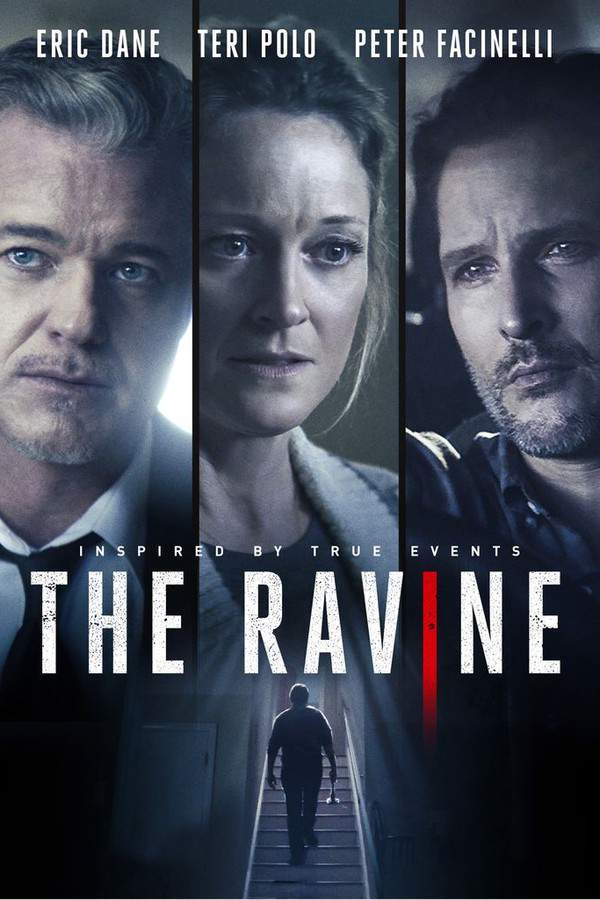
The Ravine
2022
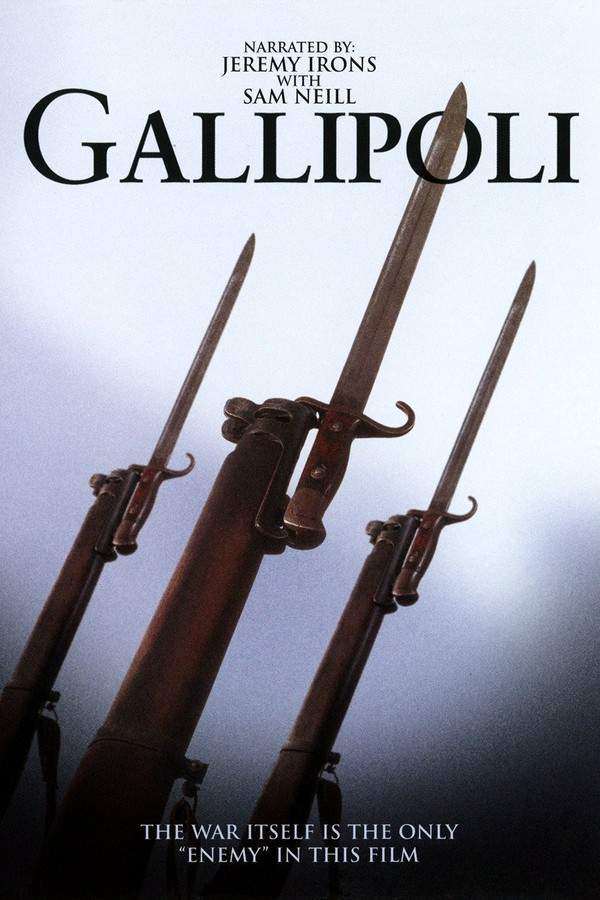
Gallipoli
1981

The Wind That Shakes the Barley
2007

Fog in August
2016

Germany, Year Zero
1948
Aftermath
2017

Head in the Clouds
2004
Narrative Summary
Narratives in this thread are typically set during well-documented historical tragedies. They often follow multiple perspectives—victims, perpetrators, and bystanders—to create a comprehensive and harrowing portrait of an event. The plot is driven by the relentless progression of the atrocity itself, focusing on survival, dehumanization, and the collapse of moral order.
Why These Movies?
These movies are grouped by their shared commitment to historical gravity, a bleak and oppressive tone, and a heavy emotional weight derived from depicting true human suffering. They are united by a solemn, almost documentary-like approach to storytelling that is both devastating and essential.
Multi-perspective war tragedies similar to City of Life and Death
Epic war stories told from multiple angles, revealing the human cost on all sides.If you liked the multi-faceted view of war in City of Life and Death, discover similar movies that depict wartime tragedies from various perspectives. These films often have a steady pace, heavy emotional weight, and explore moral conflict and survival with a bleak, somber tone.
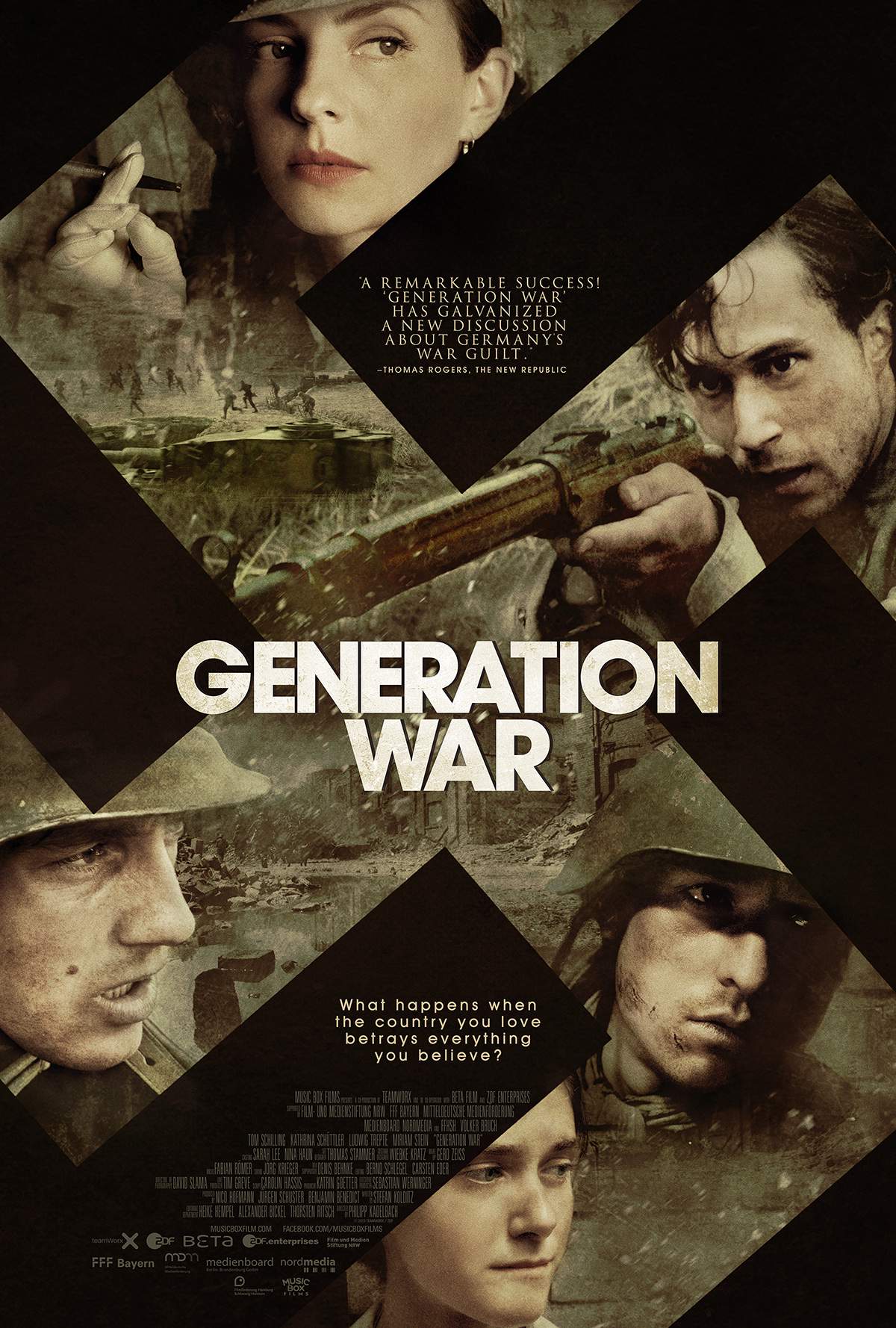
Generation War
2014
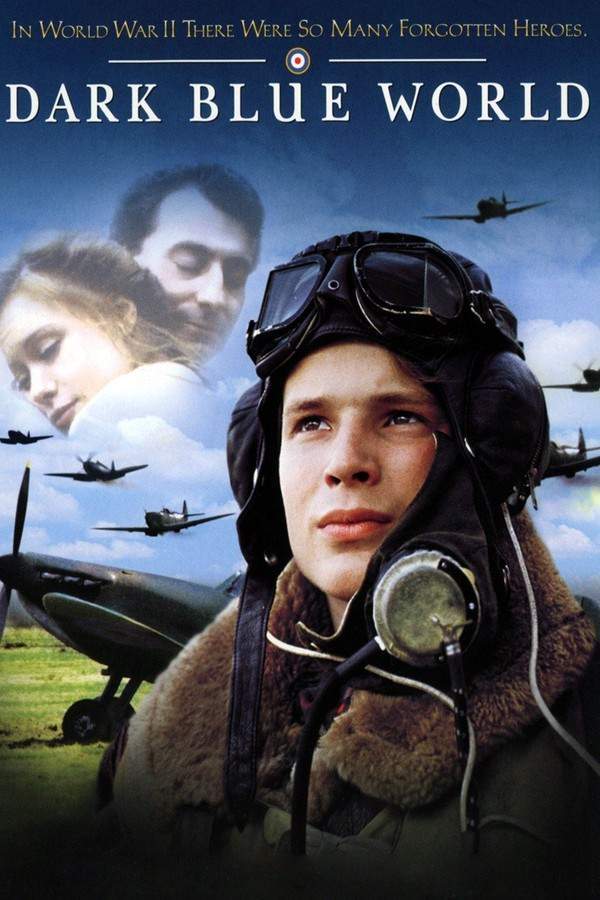
Dark Blue World
2001
Passchendaele
2008

Forest of the Hanged
1965

Blood Oath
1990

Tunes of Glory
1960

St. George Shoots the Dragon
2009

Two Women
2000

Voices in the Wind
2020

Coming Home
1978
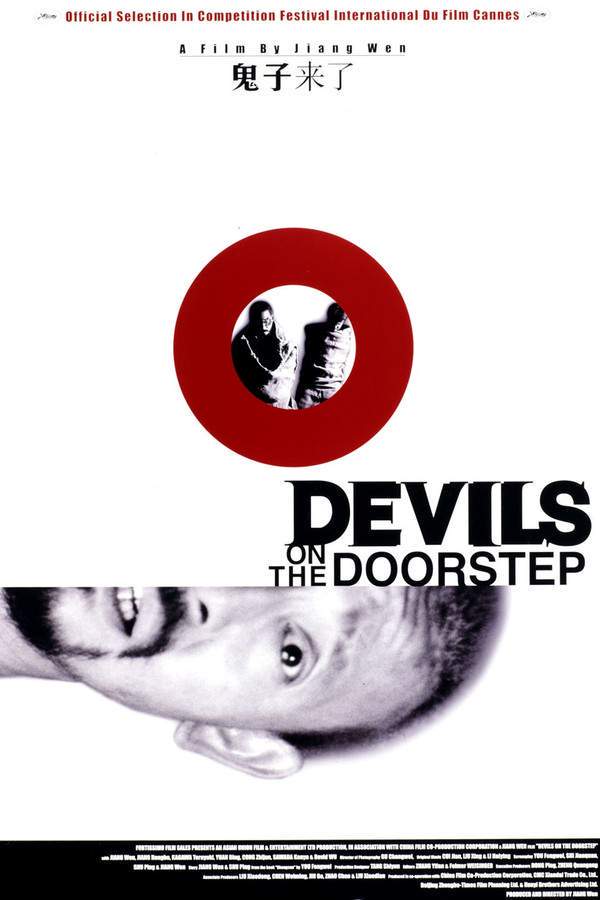
Devils on the Doorstep
2002

September Dawn
2023
City of Life and Death
2011

The Deer Hunter
1978

Battle of the Brave
2004
Narrative Summary
The narrative structure is defined by shifting viewpoints, weaving together the stories of individuals caught in the machinery of war. This approach avoids simplistic good-versus-evil dichotomies, instead highlighting the moral complexity and psychological toll on everyone involved. The journey is collectively tragic, often culminating in a sense of profound, unresolved loss.
Why These Movies?
Movies in this thread share a specific narrative technique and thematic focus. They are connected by their use of multiple perspectives to deepen the tragedy of war, a steady pacing that allows for character immersion, and a consistently heavy, somber mood that reflects the grim reality of conflict.
Unlock the Full Story of City of Life and Death
Don't stop at just watching - explore City of Life and Death in full detail. From the complete plot summary and scene-by-scene timeline to character breakdowns, thematic analysis, and a deep dive into the ending - every page helps you truly understand what City of Life and Death is all about. Plus, discover what's next after the movie.
City of Life and Death Timeline
Track the full timeline of City of Life and Death with every major event arranged chronologically. Perfect for decoding non-linear storytelling, flashbacks, or parallel narratives with a clear scene-by-scene breakdown.

Characters, Settings & Themes in City of Life and Death
Discover the characters, locations, and core themes that shape City of Life and Death. Get insights into symbolic elements, setting significance, and deeper narrative meaning - ideal for thematic analysis and movie breakdowns.


Similar Movies to City of Life and Death
Discover movies like City of Life and Death that share similar genres, themes, and storytelling elements. Whether you’re drawn to the atmosphere, character arcs, or plot structure, these curated recommendations will help you explore more films you’ll love.
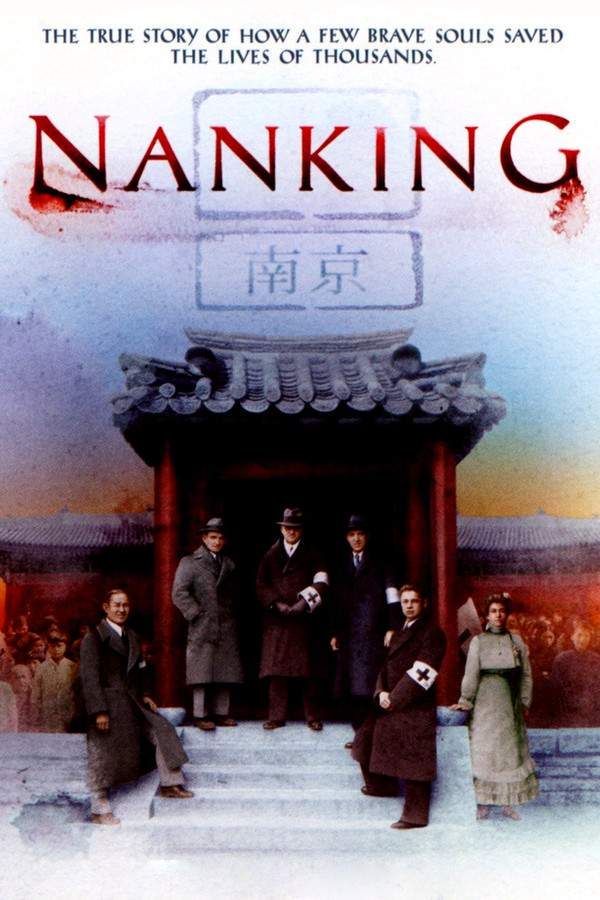
Nanking
2007

The Flowers of War
2011
Devils on the Doorstep
2002
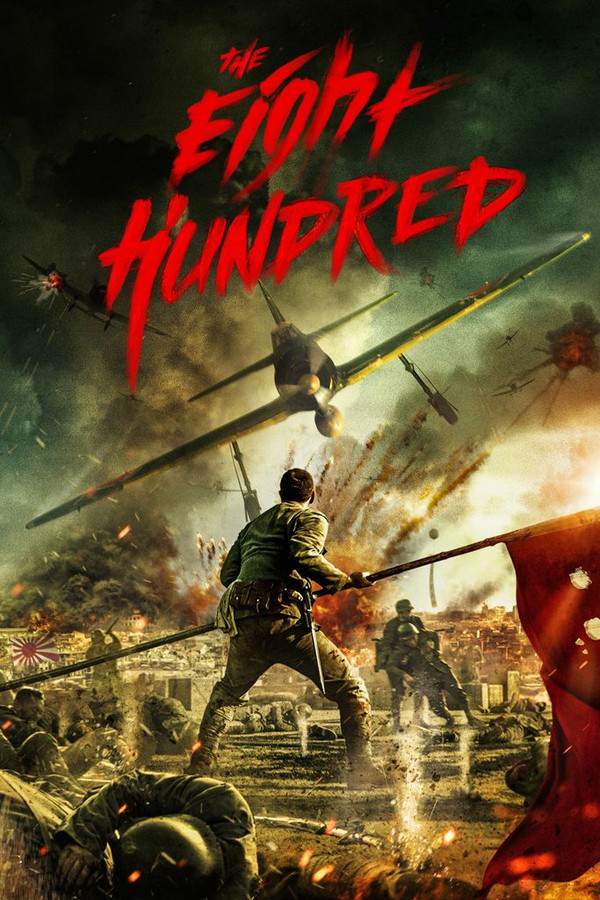
The Eight Hundred
2020
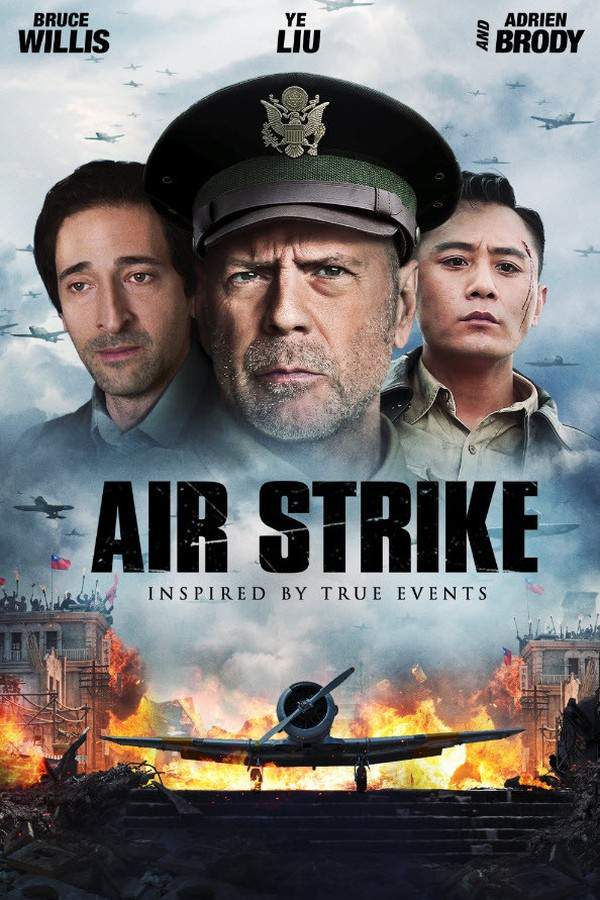
Air Strike
2018

The Rape of Nanking
2007

A City of Sadness
1989

Men Behind the Sun
1988

Not Scared to Die
1973

The Blue and the Black
1966

Women in the Night
1948

Black Sun: The Nanking Massacre
1995

Don’t Cry, Nanking
1995

City of Life and Death
2009
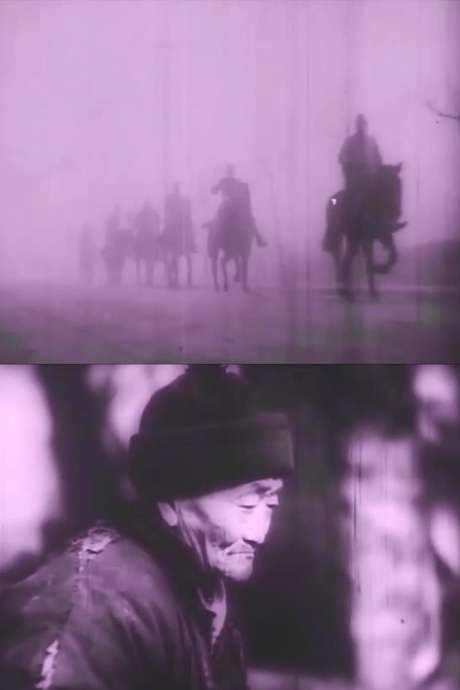
Nanking
1938
Explore More About Movie City of Life and Death
City of Life and Death (2011) Scene-by-Scene Movie Timeline
City of Life and Death (2011) Movie Characters, Themes & Settings
City of Life and Death (2011) Spoiler-Free Summary & Key Flow
Movies Like City of Life and Death – Similar Titles You’ll Enjoy
Nanking (2007) Movie Recap & Themes
The Flowers of War (2011) Ending Explained & Film Insights
Devils on the Doorstep (2002) Full Summary & Key Details
The Eight Hundred (2020) Movie Recap & Themes
Air Strike (2018) Movie Recap & Themes
The Rape of Nanking (2007) Complete Plot Breakdown
A City of Sadness (1989) Ending Explained & Film Insights
Men Behind the Sun (1988) Full Summary & Key Details
Not Scared to Die (1973) Detailed Story Recap
The Blue and the Black (1966) Plot Summary & Ending Explained
Women in the Night (1948) Full Movie Breakdown
Black Sun: The Nanking Massacre (1995) Full Summary & Key Details
Don’t Cry, Nanking (1995) Plot Summary & Ending Explained
City of Life and Death (2009) Full Summary & Key Details
Nanking (1938) Full Summary & Key Details