Ann, a governess, arrives at an estate to care for orphaned siblings Miles and Flora. After Miles is expelled from boarding school, Ann senses motives and begins seeing ghostly figures on the grounds, discovering the mysterious death of her predecessor may endanger her. Forces threaten children, she fights to protect them, risking her sanity.
Find where to stream, rent, or buy The Turn of the Screw (2009) in the US with current JustWatch availability, up-to-date pricing, and platform listings for subscription, rental, and digital purchase options.
Warning: spoilers below!
Haven’t seen The Turn of the Screw yet? This summary contains major spoilers. Bookmark the page, watch the movie, and come back for the full breakdown. If you're ready, scroll on and relive the story!
Trace every key event in The Turn of the Screw (2009) with our detailed, chronological timeline. Perfect for unpacking nonlinear stories, spotting hidden connections, and understanding how each scene builds toward the film’s climax. Whether you're revisiting or decoding for the first time, this timeline gives you the full picture.
Last updated: October 05, 2025 at 11:14
Find frequently asked questions about the The Turn of the Screw (2009) timeline, including chronological order, nonlinear jumps, cause-and-effect links, and scene sequence clarifications. This timeline FAQ helps explain when key events happen, how moments connect, and why the story unfolds in that specific order.
Miles was expelled from his boarding school, though the exact reason is never explicitly revealed in the film. When Ann receives the letter informing her of the expulsion, Mrs Grose insists that Miles is well-behaved and nothing is wrong. The mystery of why Miles was sent away remains ambiguous, though it is later suggested that his exposure to Peter Quint's influence may have contributed to behavior that led to his expulsion.
The expulsion is mentioned early in the film, establishing that Miles has a troubled past that precedes Ann's arrival at Bly.
The film deliberately leaves this ambiguous. Ann sees the ghosts of Peter Quint and Emily Jessel, and other characters also witness some supernatural phenomena, Carla dies after seeing a ghost on the roof, and Miles himself appears to see the figures. However, Dr. Fisher suggests a psychological interpretation, and the staff dismisses Ann's sightings. The framing device of Ann as a patient in a sanatorium reinforces the possibility that her perceptions were distorted, yet the film never confirms either the supernatural or psychological explanation.
The opening therapy session establishes that Ann is a patient whose account may be subject to psychological interpretation.
Emily Jessel was Ann's predecessor as governess at Bly. She is buried in Bly's church after reportedly killing herself. Ann learns that Jessel had a passionate and ultimately tragic relationship with Peter Quint, the former valet. The implication is that Jessel either took her own life out of guilt or despair over the affair, or that her death was connected to Quint's influence.
The discovery of Jessel's grave and suicide deepens the mystery of Bly and connects the present haunting to past events.
Peter Quint was the former valet at Bly who had a sexual relationship with the previous governess, Emily Jessel. The staff reveals that Quint was physically abusive and sexually exploitative. After his death, Ann becomes convinced that Quint's spirit is trying to corrupt and possess Miles, using the boy as a conduit to continue his control. Quint's ghost is first seen on the roof of the estate, and Ann believes he is manipulating Miles throughout the story.
Carla's warning about Quint's abusive past establishes him as a dangerous figure whose influence may extend beyond death.
Miles dies during the confrontation at the lake. Ann watches as Miles, seemingly under Quint's influence, pushes Flora's head underwater. When Ann intervenes, she grapples with a figure that shifts between Quint and Miles. Mrs Grose stops the struggle, and Miles's body goes limp in Ann's arms. The exact cause of death is ambiguous, Ann believes Quint's spirit has taken Miles's life, but it is never clarified whether this is supernatural or a psychological break leading to accidental death.
Throughout the film, Ann warns that Quint is trying to destroy the children, building toward this tragic climax.
After Ann intervenes at the lake and confronts the supernatural presence, Flora tells Ann that she no longer wishes to see her. This rejection suggests that Flora has been fully influenced by Jessel's ghost, just as Ann believes Miles has been controlled by Quint. Flora's withdrawal indicates that the children's allegiances have shifted toward the spectral figures, and they view Ann as an obstacle to their connection with the ghosts.
Earlier, Ann suspects the spirits are trying to turn the children against her.
Peter Quint and Emily Jessel had a passionate but ultimately destructive sexual relationship while both worked at Bly. Quint was physically and sexually abusive toward Jessel. Their affair ended tragically, Quint died (likely in an accident or violent incident), and Jessel killed herself, unable to cope with the aftermath. Ann believes their spirits have returned to Bly to continue their relationship, using the children as vessels for their passion.
Ann learns about their past from Carla, who warns of Quint's violent nature.
During the final confrontation, Miles appears to be possessed by Quint's spirit. When he finally speaks, his voice is described as quint's, not his own, as if Quint is using Miles to communicate. Miles then seemingly breaks free, speaking in his own voice to tell Quint to leave him alone. Moments later, Miles collapses and dies in Ann's arms. This moment suggests either genuine possession or Ann's perception of Miles being overtaken by Quint's influence.
Throughout the film, Ann observes Miles exhibiting behaviors and knowledge that seem beyond his years, suggesting external influence.
Carla, one of the maids at Bly, dies after seeing a ghost. On the night Ann is awakened by the female figure and follows her to Flora's window, Carla falls from the roof after sighting the male ghost. Her death appears to be either a suicide or an accident caused by terror at witnessing the supernatural manifestation. Carla had been fragile due to war trauma, and her death further establishes the reality of the haunting to Ann.
Carla previously warned Ann about the unsettling effects of the war on the staff's psyche, and she was aware of Quint's violent history.
Dr. Fisher, the psychiatrist treating Ann, remains skeptical but open-minded. He does not outright dismiss Ann's account of the haunting, though his training inclines him toward psychological explanations. He seems to accept the plausibility of her story, resisting a purely psychosexual interpretation while acknowledging the limits of his own understanding. His professional doubt lingers throughout, and he grapples with whether Ann experienced genuine supernatural events or a mental breakdown.
The opening scene establishes Fisher as a cautious, rationalist who seeks any possible path to help Ann.
The closing scene shows a new governess arriving at Bly, implying that the cycle will repeat. This mirrors the beginning of Ann's own tenure and suggests that the haunting or the psychological trauma associated with Bly continues to claim new victims. It reinforces the ambiguous and tragic nature of the story, whether the threat is supernatural or psychological, the outcome remains the same, and another young woman has been drawn into the estate's darkness.
The circular structure parallels Ann's initial arrival at Bly, emphasizing the inescapable nature of the tragedy.
Ann initially contemplates leaving Bly after the haunting intensifies and she sees the ghosts. However, when she says goodbye to Miles, she discovers that he also sees the figures and is being affected by them. This compels Ann to stay and fight to protect the children from the supernatural threat she believes is real. Her maternal instinct and sense of responsibility override her fear, leading her to confront the spirits directly.
Miles's revelation that he sees the ghosts motivates Ann's final confrontation.
Discover curated groups of movies connected by mood, themes, and story style. Browse collections built around emotion, atmosphere, and narrative focus to easily find films that match what you feel like watching right now.
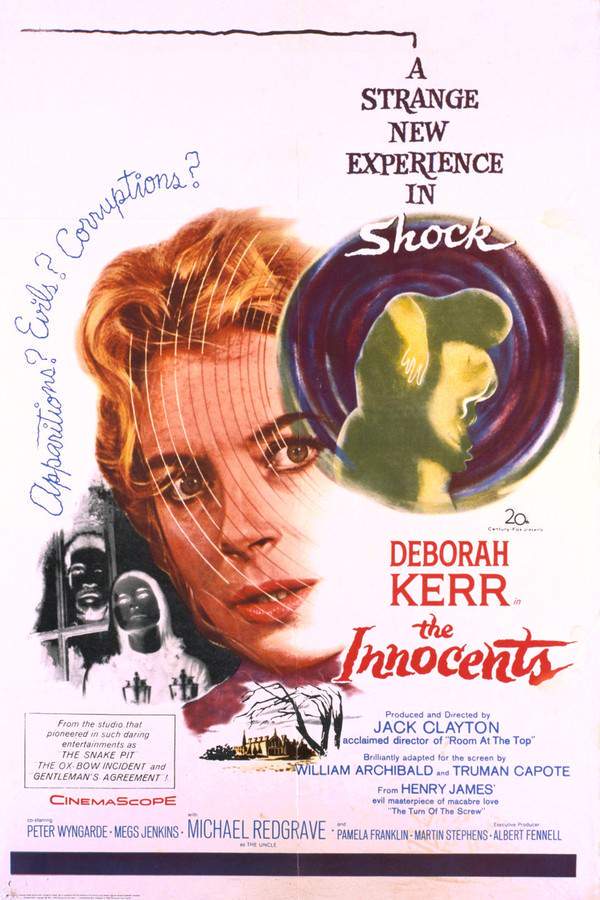
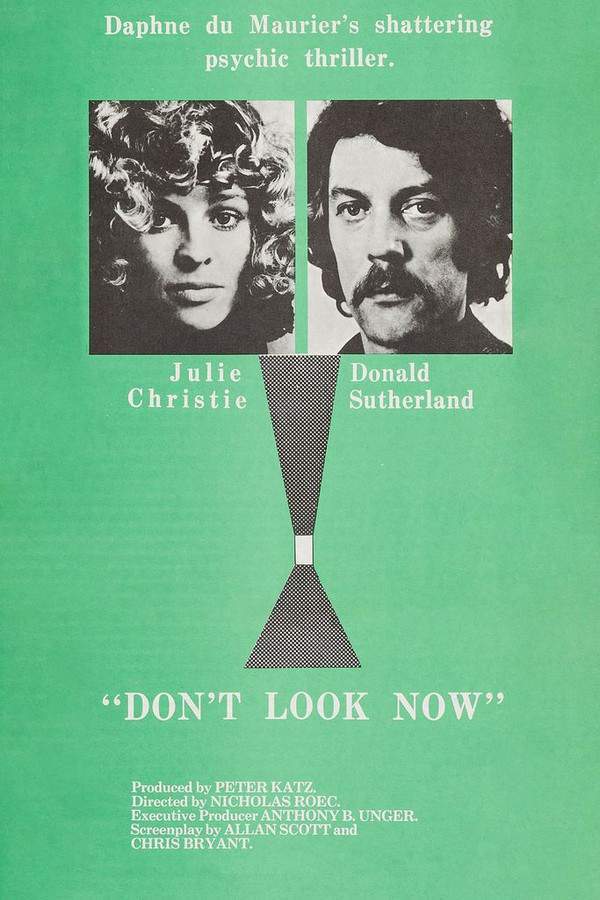
Stories where isolated settings foster creeping paranoia and ambiguous terror.If you liked the oppressive atmosphere and ambiguous horror of The Turn of the Screw, explore these other movies. They feature similar slow-burning tension, gothic settings, and psychological narratives that challenge perception and leave a lasting sense of unease.
The narrative pattern involves a protagonist, often an outsider, arriving at an isolated location where they face a threat that may be supernatural or a product of their own deteriorating mind. The story unfolds through accumulating small details and eerie occurrences, building towards a climax that often confirms tragedy but leaves the central mystery ambiguous.
These movies are grouped together because they share a core experience of slow-building, atmospheric terror rooted in psychological ambiguity. They prioritize mood and a feeling of inescapable dread over jump scares, creating a deeply unsettling and intellectually engaging viewing experience.
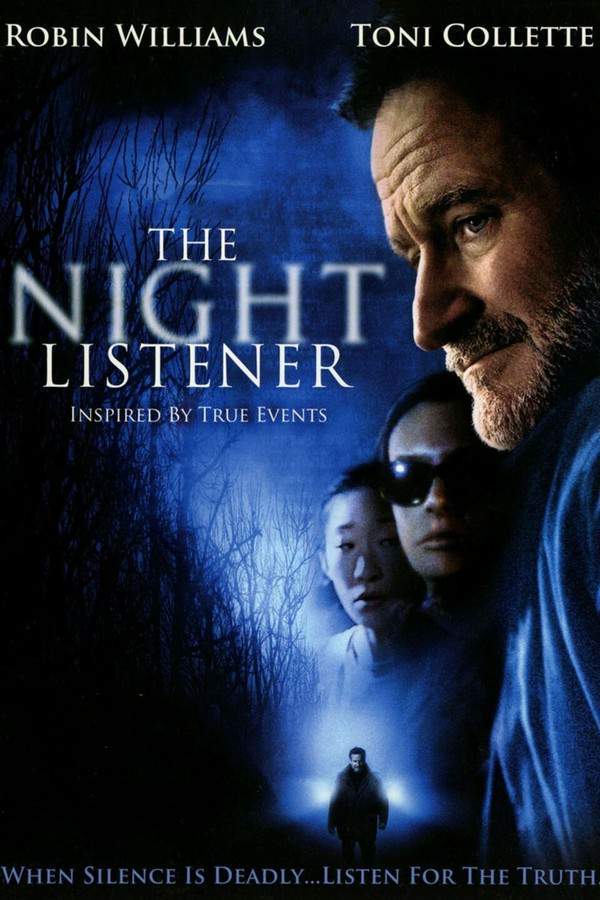
Tense journeys where the protagonist's sanity is the central mystery.For viewers who enjoyed the psychological ambiguity of The Turn of the Screw, this list features similar movies with unreliable narrators. These films masterfully blend tension and drama, leaving you questioning the truth until the very end, perfect for fans of complex, character-driven horror.
The narrative is framed through the perspective of a protagonist whose mental state is fragile or compromised. Evidence within the story supports both a supernatural and a psychological interpretation of events. The central conflict is internal—the character's battle for their own sanity—while external threats remain deliberately vague, leading to an ending that is often tragic and inconclusive.
These films are united by their use of an unreliable point-of-view to create suspense and thematic depth. They engage the audience not just with plot, but with the fundamental question of whether the horror is external or a manifestation of profound psychological trauma.
Don't stop at just watching - explore The Turn of the Screw in full detail. From the complete plot summary and scene-by-scene timeline to character breakdowns, thematic analysis, and a deep dive into the ending - every page helps you truly understand what The Turn of the Screw is all about. Plus, discover what's next after the movie.
Read a complete plot summary of The Turn of the Screw, including all key story points, character arcs, and turning points. This in-depth recap is ideal for understanding the narrative structure or reviewing what happened in the movie.
Discover the characters, locations, and core themes that shape The Turn of the Screw. Get insights into symbolic elements, setting significance, and deeper narrative meaning - ideal for thematic analysis and movie breakdowns.