Ann, a governess, arrives at an estate to care for orphaned siblings Miles and Flora. After Miles is expelled from boarding school, Ann senses motives and begins seeing ghostly figures on the grounds, discovering the mysterious death of her predecessor may endanger her. Forces threaten children, she fights to protect them, risking her sanity.
Find where to stream, rent, or buy The Turn of the Screw (2009) in the US with current JustWatch availability, up-to-date pricing, and platform listings for subscription, rental, and digital purchase options.
Warning: spoilers below!
Haven’t seen The Turn of the Screw yet? This summary contains major spoilers. Bookmark the page, watch the movie, and come back for the full breakdown. If you're ready, scroll on and relive the story!
Explore the full timeline and setting of The Turn of the Screw (2009). Follow every major event in chronological order and see how the environment shapes the story, characters, and dramatic tension.
Last updated: October 05, 2025 at 08:43
Meet the key characters of The Turn of the Screw (2009), with detailed profiles, motivations, and roles in the plot. Understand their emotional journeys and what they reveal about the film’s deeper themes.
Last updated: October 05, 2025 at 08:43
Explore the central themes of The Turn of the Screw (2009), from psychological, social, and emotional dimensions to philosophical messages. Understand what the film is really saying beneath the surface.
Last updated: October 05, 2025 at 08:43
Browse frequently asked questions about The Turn of the Screw (2009) focused on characters, relationships, themes, symbols, setting, and story context. This movie info FAQ gives spoiler-aware explanations for character arcs, world details, and thematic interpretation so readers can better understand what the film is really about.
The movie takes place primarily at Bly, a remote grand country house with a lake. The estate is isolated and surrounded by an all-female staff, creating an oppressive atmosphere. London is referenced as the place the Master keeps Ann away from, emphasizing social and class boundaries.
The story unfolds in the post-World War I era, specifically the early 1920s. This period was marked by social change and collective trauma from the war. The aristocratic privilege at Bly clings to old proprieties while modern clinical perspectives begin to emerge.
Bly is described as a remote, grand country house with gothic qualities. It features a lake and operates with a stern, all-female staff. The isolation creates an environment where secrets can be kept and supernatural or psychological disturbances feel more impactful.
The movie explores several interconnected themes: Perception vs Reality, where Ann's spectral sightings challenge rational explanations; Past Haunting, where old sins like Quint's abuse and Jessel's suicide resurface; Mental Conflict between clinical rationality and supernatural experience; and Moral Ambiguity about responsibility, guilt, and who can truly be protected.
Ann is a cautious governess hired to care for orphaned siblings Miles and Flora at Bly. She experiences unsettling visions and becomes convinced the house is haunted by the ghosts of Quint and Jessel. Her determination to protect the children drives the narrative forward.
Dr. Fisher is a skeptical, atheistic psychiatrist at a nearby sanatorium who treats Ann. He represents the rational, clinical explanation for her experiences. As the story progresses, he becomes increasingly drawn into the possibility that something beyond rational explanation may be occurring.
Peter Quint was the former valet whose abusive legacy haunts Bly, and Emily Jessel was the former governess who committed suicide there. Their tragic history becomes central to the story as Ann sees their ghosts on the grounds, suggesting the past continues to exert a powerful pull on the living.
The sanatorium introduces a modern, clinical lens to the story, in direct contrast to the old aristocratic world of Bly. Dr. Fisher's clinical discussions with Ann highlight the tension between rational medicine and supernatural rumors, embodying the story's exploration of perception versus reality.
The post-WWI era shapes the story's atmosphere of fear, memory, and mistrust. The war's shadow fuels the tension between rational explanations and haunting visions. Additionally, the social changes of the era make the rigid class boundaries at Bly feel increasingly fragile and out of step with the modern world.
The line between protector and assailant blurs as Ann suspects Miles and Flora of complicity with the dead. The narrative questions responsibility, guilt, and whether anyone can truly understand or control the forces at play. This ambiguity extends to whether Ann is a devoted protector or someone losing her grasp on reality.
Miles and Flora are the orphaned siblings in Ann's care at Bly. Their connection to the house's dark history becomes central to the mystery. Both children appear charming at first but become entwined with Bly's haunting atmosphere, with Miles ultimately dying amid the unfolding mystery.
The plot constantly tests what is real versus what is imagined. Ann's spectral sightings challenge a purely rational reading of events, pushing the narrative toward questions of memory, desire, and belief. The story leaves ambiguous whether the ghosts are truly present or products of psychological disturbance.
Discover curated groups of movies connected by mood, themes, and story style. Browse collections built around emotion, atmosphere, and narrative focus to easily find films that match what you feel like watching right now.
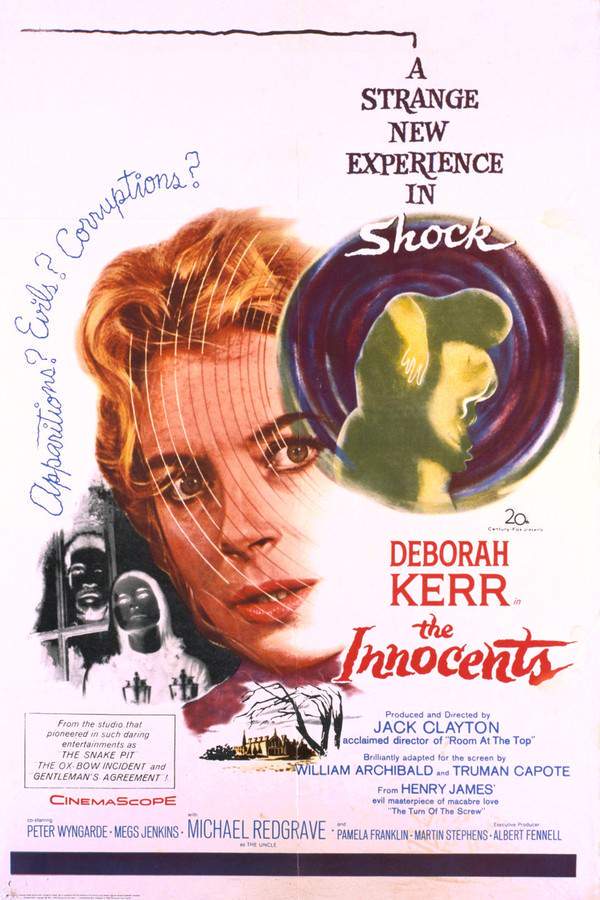
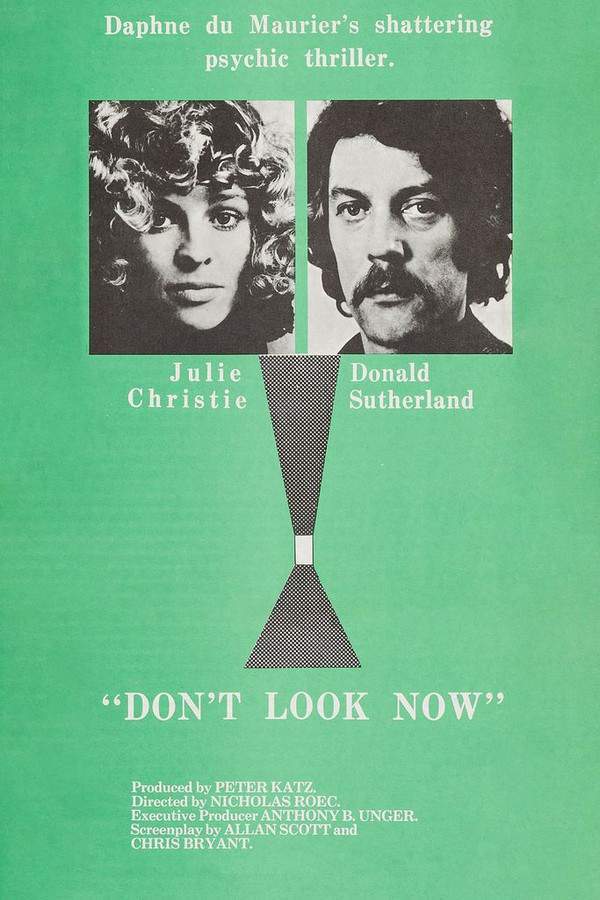
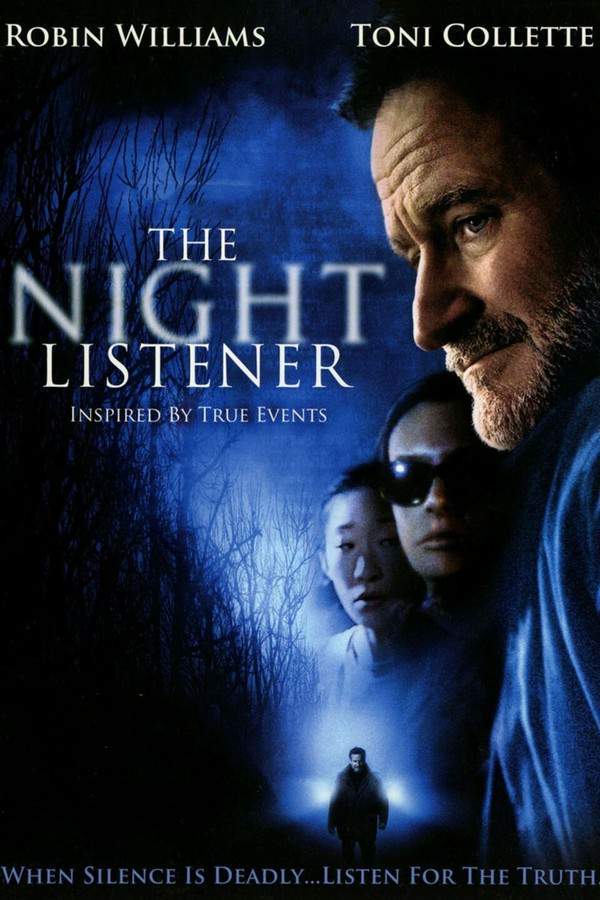
Stories where isolated settings foster creeping paranoia and ambiguous terror.If you liked the oppressive atmosphere and ambiguous horror of The Turn of the Screw, explore these other movies. They feature similar slow-burning tension, gothic settings, and psychological narratives that challenge perception and leave a lasting sense of unease.
The narrative pattern involves a protagonist, often an outsider, arriving at an isolated location where they face a threat that may be supernatural or a product of their own deteriorating mind. The story unfolds through accumulating small details and eerie occurrences, building towards a climax that often confirms tragedy but leaves the central mystery ambiguous.
These movies are grouped together because they share a core experience of slow-building, atmospheric terror rooted in psychological ambiguity. They prioritize mood and a feeling of inescapable dread over jump scares, creating a deeply unsettling and intellectually engaging viewing experience.
Tense journeys where the protagonist's sanity is the central mystery.For viewers who enjoyed the psychological ambiguity of The Turn of the Screw, this list features similar movies with unreliable narrators. These films masterfully blend tension and drama, leaving you questioning the truth until the very end, perfect for fans of complex, character-driven horror.
The narrative is framed through the perspective of a protagonist whose mental state is fragile or compromised. Evidence within the story supports both a supernatural and a psychological interpretation of events. The central conflict is internal—the character's battle for their own sanity—while external threats remain deliberately vague, leading to an ending that is often tragic and inconclusive.
These films are united by their use of an unreliable point-of-view to create suspense and thematic depth. They engage the audience not just with plot, but with the fundamental question of whether the horror is external or a manifestation of profound psychological trauma.
Don't stop at just watching - explore The Turn of the Screw in full detail. From the complete plot summary and scene-by-scene timeline to character breakdowns, thematic analysis, and a deep dive into the ending - every page helps you truly understand what The Turn of the Screw is all about. Plus, discover what's next after the movie.
Read a complete plot summary of The Turn of the Screw, including all key story points, character arcs, and turning points. This in-depth recap is ideal for understanding the narrative structure or reviewing what happened in the movie.
Track the full timeline of The Turn of the Screw with every major event arranged chronologically. Perfect for decoding non-linear storytelling, flashbacks, or parallel narratives with a clear scene-by-scene breakdown.