Plot Explained Spoilers guaranteed!
Plot Explained

Browse by genre

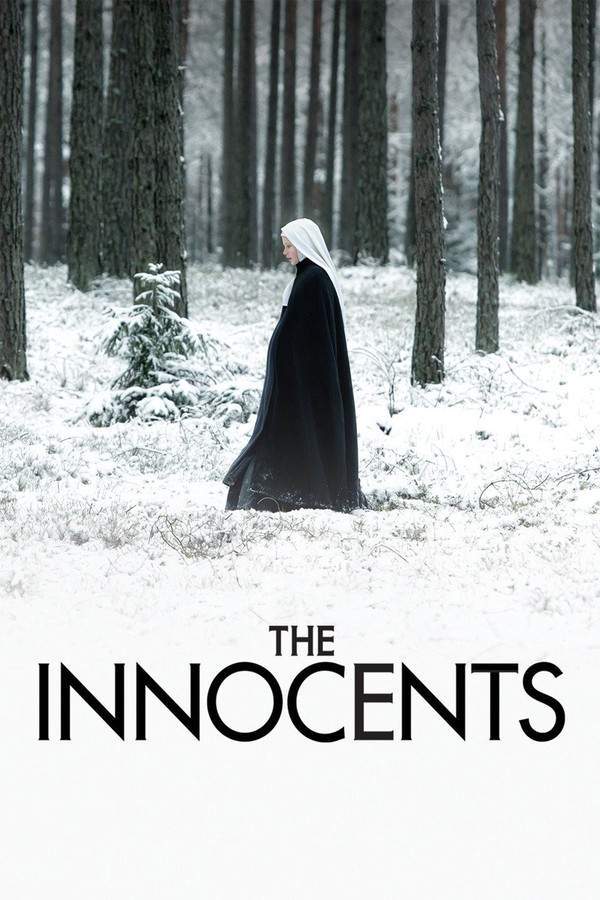
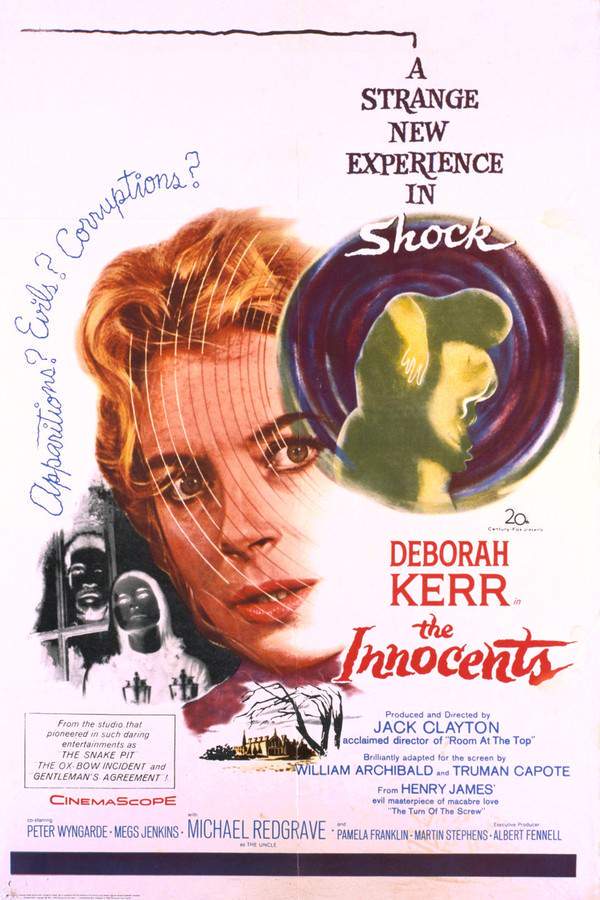
The Innocents (1961) movie poster

Plot Summary

The Innocents (1961) Plot Summary Explained

Release, runtime and language
1961 · 100 min · English
JustWatch #10,666 17
Directed by
Jack Clayton
Starring
Deborah Kerr, Peter Wyngarde

In a secluded Victorian estate, a young governess is hired to care for two orphaned children. As she attempts to guide them, she finds herself increasingly disturbed by their behavior and suspects supernatural forces are at play. The governess struggles to discern whether the children are genuinely troubled or if her own perception is failing her, leading to a descent into psychological suspense and uncertainty.

On this page (6)
  1. 1 Where to watch
  2. 2 What happens: full plot
  3. 3 Plot questions answered
  4. 4 Movie threads
  5. 5 Movies like The Innocents
  6. 6 Every angle

Where to watch

Where to Watch The Innocents (1961)

Where can you watch The Innocents? Stream, rent or buy it in the US, including on fuboTV: current JustWatch availability with up-to-date prices.

Streaming availability powered by JustWatch

Full plot summary · contains spoilers

What Happens in The Innocents: Full Plot Summary

The whole story of The Innocents (1961) explained, from the opening scene to the final frame: every key event, every twist and what it all adds up to. Read it as a quick recap before the sequel, to check a scene you missed, or to finally understand what really happened.

The film opens with a haunting visual of two clasped hands, accompanied by a woman’s voice softly whispering her deepest desire: “all I ever wanted was to help the children, not hurt them, and that more than anything, I love children.” This powerful sentiment sets the stage for the story that unfolds.

In her initial scene, Miss Giddens, portrayed by Deborah Kerr, is earnestly seeking a position as a governess for two orphaned children. Her lack of experience does not deter the wealthy bachelor interviewing her, whose indifference towards parental responsibilities is glaringly apparent. This man, Peter Wyngarde, bluntly expresses that he is emotionally disconnected from the children and relies heavily on Miss Giddens to accept full responsibility without burdening him with any difficulties that may arise. Captivated by his charm, Miss Giddens reassures him of her commitment, citing her strong affection for children and her vivid imagination—traits that she believes make her perfect for the role.

Upon her arrival at Bry, the vast estate where the children reside, she quickly hears the melodic call of a woman summoning Flora, the bright and whimsical little girl she is soon to care for. Miss Giddens instantly feels a connection with Flora and also strikes up a friendship with the kind-hearted housekeeper, Mrs. Groce. The young boy, Miles, is initially away at boarding school, but Miss Giddens soon receives the troubling news of his expulsion due to his purportedly negative influence on his classmates. While Mrs. Groce cannot fathom this accusation against Miles, Miss Giddens, intrigued by the boy's charm, is eager to meet him. When they finally do connect, she is taken with his maturity—perhaps a bit too mature for someone his age, especially seen through the lens of flirtatious behavior.

As Miss Giddens tends to the rose bushes the following day, she notices a shadowy figure at the top of one of the estate’s towers, an unusual and unnerving sight. On a rainy afternoon, Miss Giddens opts for a playful game of hide-and-seek with the children rather than the usual schooling, where mysterious occurrences begin to plague her. During this time, she encounters visions—a woman she believes to be Miss Jessel, the former governess who died under strange circumstances. As she delves deeper into the history of the estate, she learns that Peter Quint, a man linked to the children who was once a valet there, had a sinister reputation and a controlling bond with Miles.

Miss Giddens grows increasingly convinced that both children harbor dark secrets stemming from the tumultuous relationship of their deceased caretakers. She is especially troubled by Miles's unsettling attitude, which seems to mirror the behaviors of the entities she suspects are haunting the estate. The lines of possession begin to blur, as the innocent actions of Flora and Miles develop an unsettling quality she cannot ignore.

Convinced the children are trapped within a chilling grip of their former guardians, she seeks help from Mrs. Groce, seeking answers to banish the evil presence from their lives. However, her pleas fall on deaf ears as the housekeeper turns against her, fostering doubt about Miss Giddens’ credibility. This leaves Miss Giddens feeling utterly isolated in her battle against the spectral forces at play.

As events escalate, she finds herself alone with Miles, desperately trying to uncover the truth behind Quint’s and Miss Jessel’s continued influence over the children. The intensity of the children's possessed behaviors grows, culminating in disturbing confrontations between Miss Giddens and Miles, who takes on a more sinister demeanor as he acts out and demonstrates an alarming knowledge of the darkness surrounding them.

Ultimately, the tension reaches a fever pitch when Miss Giddens urges Miles to confront the spirits of his past, culminating in a catastrophic climax. In a heart-wrenching moment, after confronting the ghostly figure of Peter Quint, Miles collapses, leaving Miss Giddens to realize her worst fears have culminated in a chilling conclusion. The film fades out on a powerful image that echoes its haunting themes: the same clasped hands from the beginning, now trembling in abject horror.
Last updated: January 19, 2025 at 18:49

Was this helpful?

Plot questions answered

The Innocents Plot Explained: Your Questions Answered

The questions people ask most about The Innocents (1961): what happens in the confusing scenes, why the characters do what they do, the twists, hidden details and what the ending means. Each answer contains spoilers.

Q1

Why was Miles expelled from boarding school?

Miles was expelled from boarding school due to his purported bad influence on his classmates. The specific nature of his behavior is never fully detailed in the film, but the expulsion sets up the mystery around his character and hints at the corrupt influence Peter Quint had over him. Miss Giddens initially doubts the accusations but becomes increasingly convinced that Miles has been corrupted by the supernatural forces she believes are haunting the estate.

Foreshadowing: Earlier, Mrs. Groce mentions that she cannot fathom the accusations against Miles, suggesting his expulsion may stem from influences beyond ordinary childhood misbehavior.

  • miles expulsion
  • boarding school
  • peter quint influence
  • corrupt child
Q2

Who was Peter Quint and what happened to him?

Peter Quint was the former valet at Bry Estate who served the children before Miss Giddens arrived. He was described as having a sinister reputation and a controlling, inappropriate relationship with Miles. Quint died tragically on the estate, though the exact circumstances are left ambiguous. Mrs. Groce reveals that Quint had a dark influence over the household, and Miss Giddens becomes convinced his spirit is possessing Miles after death.

Foreshadowing: When Miss Giddens first sees a shadowy figure on the tower, she investigates but only finds Miles with pigeons, linking Miles to Quint's former territory.

  • peter quint
  • valet
  • bry estate
  • former caretaker
  • death
Q3

What happened to Miss Jessel, the previous governess?

Miss Jessel was the former governess who preceded Miss Giddens at Bry Estate. She died under strange circumstances at the estate, and her death is shrouded in mystery. Miss Giddens encounters visions she believes to be Miss Jessel's ghost, particularly near bodies of water. The implication is that Miss Jessel died on the estate, likely in connection with her relationship with Peter Quint, and her spirit has returned to claim the children.

Foreshadowing: During the rainy-day hide-and-seek game, Miss Giddens encounters what she believes is Miss Jessel's spectral presence, suggesting her death occurred at the estate.

  • miss jessel
  • former governess
  • death
  • ghost
  • bry estate
Q4

Why does Miss Giddens believe the children are possessed?

Miss Giddens becomes convinced the children are possessed after witnessing increasingly disturbing behavior that mirrors the dark presence she senses around the estate. She sees the ghosts of Peter Quint and Miss Jessel, notices the children acting in unsettling ways that seem beyond their years, and discovers the tragic history between the former caretakers. Her vivid imagination and isolated position at the remote estate fuel her conviction that the children's innocence is being corrupted by supernatural forces.

Foreshadowing: The mysterious figure Miss Giddens sees on the tower and the strange man leering through the window during the rainy-day scene establish the presence of malevolent spirits.

  • possession
  • miss giddens
  • supernatural
  • children behavior
  • corruption
Q5

What was the relationship between Peter Quint and Miss Jessel?

Peter Quint and Miss Jessel had a tumultuous, romantic relationship while both served as caretakers at Bry Estate. Their affair appears to have been scandalous and ultimately tragic, both died under mysterious circumstances at the estate. Miss Giddens believes their relationship was corrupting the children, and after death, their spirits continue to exert influence over Flora and Miles, with Quint's spirit specifically targeting Miles.

Foreshadowing: The discovery of the photograph of Quint and Mrs. Groce's revelations about his character establish the romantic link between the two former caretakers.

  • peter quint
  • miss jessel
  • affair
  • relationship
  • corrupt caretakers
Q6

Why does Flora deny seeing Miss Jessel's ghost?

Flora consistently denies seeing Miss Jessel's ghost when confronted by Miss Giddens, which intensifies the film's central ambiguity. This denial could mean several things: the children are genuinely not experiencing the supernatural, they are in league with the spirits and hiding their connection, or Flora has been manipulated by Miss Jessel's spirit to keep the truth hidden. This moment is crucial because it raises the question of whether Miss Giddens is seeing things that aren't there.

Foreshadowing: Flora's denial occurs after Miss Giddens presses her about Miss Jessel's presence, suggesting the children may be protecting their connection to the spirit world.

  • flora
  • miss jessel
  • denial
  • ghost
  • childhood denial
Q7

What causes Miles to die at the end?

Miles dies after Miss Giddens forces him to confront the ghost of Peter Quint in the garden. Desperate to free Miles from what she believes is Quint's spiritual grip, she urges him to call out Quint's name. When Miles finally shouts Quint's name, he collapses and dies. The exact cause is ambiguous, was it a supernatural reaction to confronting the spirit, did Miss Giddens's psychological pressure cause a physical collapse, or did something else take hold? The film leaves this deliberately unclear, reflecting its central theme of uncertain reality.

Foreshadowing: Throughout the film, Miles displays increasingly disturbing behavior that seems to mirror Quint's influence, building toward this fatal confrontation.

  • miles death
  • final confrontation
  • peter quint
  • tragic ending
  • collapse
Q8

Is the supernatural real in the film or is Miss Giddens imagining it?

The film deliberately maintains ambiguity about whether the supernatural events are real or products of Miss Giddens's unraveling mind. Evidence exists for both interpretations: she sees ghosts that others do not, her warnings are dismissed by Mrs. Groce, and her intense imagination is established early in the film. However, the children's unsettling behavior and the tragic history of the estate provide some support for the supernatural reading. This ambiguity is central to the film's power and psychological horror.

Foreshadowing: Miss Giddens's own admission that she has a vivid imagination and the wealthy bachelor's dismissal of parental responsibility set up the possibility that her perceptions may be unreliable.

  • supernatural
  • reality vs hallucination
  • psychological horror
  • unreliable narrator
  • ambiguity
Q9

Why does Miss Giddens kiss Miles at the end?

In the film's final moments, Miss Giddens kisses Miles passionately after he collapses and dies. This haunting image reflects the film's deeper themes of repressed desire and the corruption of innocence. The kiss suggests Miss Giddens's psychological state has crossed a line, that her obsession with saving the children from corruption has itself become a form of corruption. It echoes the opening sentiment about wanting to help children while raising disturbing questions about the nature of her motivations.

Foreshadowing: The opening shot of clasped hands and the whispered desire to 'help the children' foreshadow this disturbing culmination of Miss Giddens's fixation.

  • miss giddens
  • miles
  • final kiss
  • passion
  • corrupted intention
Q10

Why does Mrs. Groce dismiss Miss Giddens's warnings about the children?

Mrs. Groce initially befriends Miss Giddens but turns against her when she tries to warn about the supernatural possession. This rejection likely stems from several factors: Mrs. Groce may have witnessed the same events without interpreting them as supernatural, she may be in denial about the estate's dark history, or she may genuinely not see what Miss Giddens claims to see. Her dismissal leaves Miss Giddens isolated in her beliefs, amplifying the psychological tension and her descent into paranoia.

Foreshadowing: Mrs. Groce's initial kindness and willingness to share information about Quint establish her as an ally, making her sudden rejection more impactful.

  • mrs groce
  • dismissal
  • isolation
  • miss giddens
  • housekeeper
Q11

What is the significance of the clasped hands in the opening and closing shots?

The film opens and closes on the same image of two clasped hands, but with dramatically different emotional weight. The opening presents the hands gently and hopefully, accompanying the whispered desire to help children. The closing shows the same hands trembling in horror and despair. This powerful visual symmetry emphasizes how Miss Giddens's journey has transformed her intentions into their dark opposite, she set out to save the children but may have caused catastrophe. The hands also connect to themes of possession, innocence, and the corruption of good intentions.

Foreshadowing: The opening shot establishes the thematic foundation that the closing shot devastates, the hands that wanted to help are now hands of destruction.

  • clasped hands
  • opening scene
  • closing scene
  • symbolism
  • visual motif
Q12

Why does Miles's behavior seem to mirror Peter Quint's influence?

Miles's behavior throughout the film increasingly reflects what Miss Giddens perceives as Peter Quint's corrupting influence. He displays maturity beyond his years, engages in flirtatious behavior, and demonstrates an alarming knowledge of darkness. Miss Giddens interprets this as possession, Quint's spirit continuing to exert control over Miles after death. However, this could also be read as psychological conditioning from Quint's lifetime influence, or simply the product of Miss Giddens's increasingly paranoid interpretation of normal childhood behavior. The mirroring builds toward the tragic confrontation where Miles must literally name his tormentor.

Foreshadowing: Mrs. Groce's information about Quint's controlling bond with Miles establishes the connection that Miss Giddens later interprets as spiritual possession.

  • miles
  • peter quint
  • possession
  • behavior
  • corrupt influence

Movie threads

More Movies Like The Innocents, by Mood & Story

Curated lists built around what makes The Innocents tick: the same mood, the same kind of story or the same emotional payoff. Each list explains why these movies belong together.

Psychological gothic horror movies like The Innocents

Stories where ornate settings and psychological torment create a suffocating atmosphere. If you liked the gothic dread and psychological unraveling of The Innocents, discover more movies that use isolated, ornate settings to amplify suspense. These films feature unreliable narrators, ambiguous supernatural threats, and a slow, suffocating descent into madness for a similar unsettling experience.

  • gothic
  • unsettling
  • claustrophobic
  • paranoid
  • atmospheric
  • psychological
  • Tone: tense, dark, bleak
  • Pacing: slow, deliberate build
Why these movies?

The story pattern: These narratives typically follow a protagonist, often an outsider, entering a confined and opulent space where reality becomes unstable. Their perception is questioned as they confront a possible external evil or their own internal demons, leading to a gradual breakdown of sanity amidst a backdrop of gothic architecture and repressed secrets.

Why they belong together: Movies are grouped here for their shared use of gothic atmosphere as a key component of horror, their focus on psychological ambiguity over overt violence, and their intense, often bleak, exploration of the fragility of the human mind in isolated, oppressive environments.

Movies with unreliable narrators and ambiguous horror like The Innocents

Psychological thrillers where the main character's sanity is the central mystery. For viewers who enjoyed the ambiguous horror and psychological tension of The Innocents, this list features movies with unreliable protagonists. These stories keep you guessing about the nature of the threat, blending psychological drama with supernatural elements for a deeply unsettling and thought-provoking experience similar to The Innocents.

  • ambiguous
  • psychological
  • unreliable narrator
  • anxious
  • uneasy
  • thought-provoking
  • Tone: tense, anxious, uncertain
  • Pacing: slow burn, deliberate
Why these movies?

The story pattern: The narrative pattern involves a single point-of-view character witnessing increasingly disturbing events that may or may not be real. The story deliberately withholds clear answers, presenting evidence for both supernatural and psychological explanations. The climax often reinforces the ambiguity, leaving the character's fate and the truth of the situation open to interpretation.

Why they belong together: These films are connected by their core narrative device: the unreliable protagonist. They share a high-tension, psychologically heavy tone that forces active engagement from the audience, prioritizing unsettling ambiguity and intellectual dread over conventional jump scares or clear-cut resolutions.

If you liked this

Movies Like The Innocents

Similar movies to The Innocents: the same genre, themes or kind of story. Each one comes with its own plot summary, timeline and ending explained.

Browse all movie summaries

Every angle

The Innocents (1961) Explained: Plot, Timeline & Characters

Everything about The Innocents in one place: what happens in the plot summary, the timeline in chronological order, the characters and meaning and a spoiler-free summary. What's After the Movie adds the cast, box office and post-credit scenes.

Coming soon on iOS and Android

The Plot Explained Movie Summary App

Plot summaries, endings explained and timelines on your phone. Catch up on any movie in minutes, save your favorites and never miss a twist again.

Be the first to know when we launch. Your email stays private, always.

Learn more about the app