Plot Explained Spoilers guaranteed!
Plot Explained

Browse by genre

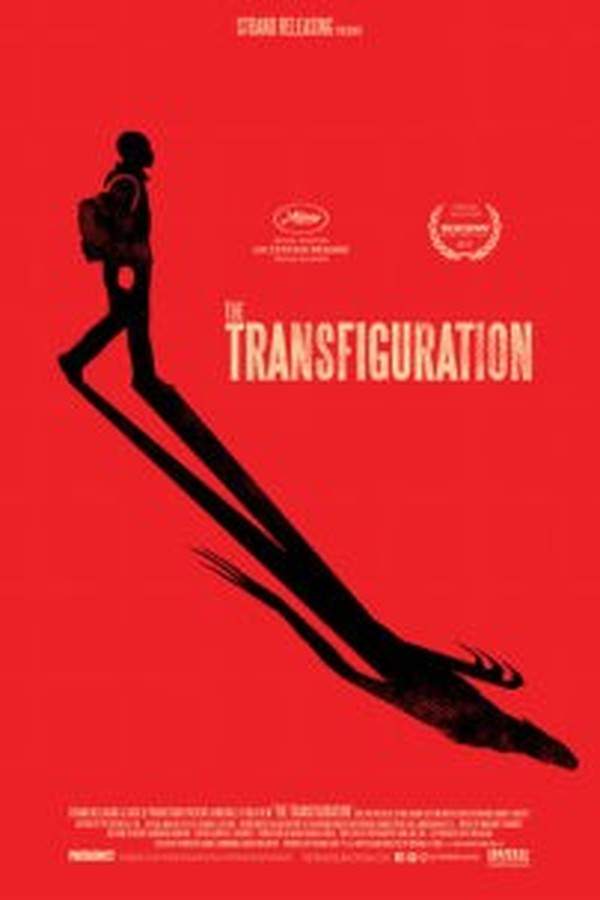
The Transfiguration (2017) movie poster

Timeline

The Transfiguration (2017) Timeline Explained – Every Event in Order

Release, runtime and language
2017 · 97 min · English
Loading streaming availability…
Directed by
Michael O'Shea

A troubled teenager named Milo finds comfort and fascination in vampire mythology. He connects with Sophie, a similarly drawn individual, and their shared interest sparks a dangerous obsession. As Milo's fascination deepens, the line between fantasy and reality blurs, leading him down a dark path where his actions have deadly consequences and threaten to consume him.

On this page (6)
  1. 1 Where to watch
  2. 2 Events in order (15)
  3. 3 Timeline questions answered
  4. 4 Movie threads
  5. 5 Movies like The Transfiguration
  6. 6 Every angle
Loading streaming availability…

15 events in order · contains spoilers

The Transfiguration Timeline: Events in Chronological Order

Every key event of The Transfiguration (2017) in order, scene by scene, with when and where it takes place. Use it to untangle flashbacks, time jumps and parallel storylines, to refresh your memory before the sequel or to find the exact scene you are thinking of.

  1. Unexpected Encounter

    The film opens in a public restroom where a bystander inadvertently witnesses an intimate scene inside a stall. Overwhelmed by embarrassment, the bystander quickly exits, unaware of the darker reality behind the façade.

    Where
    Public Restroom, Brooklyn
  2. The Shocking Revelation

    It is revealed that the scene involved Milo, a self-declared 14-year-old vampire, who has just claimed the body of a restroom patron. This shocking twist sets the tone for the film, highlighting the unsettling juxtaposition of Milo's life within Brooklyn's housing projects.

    Where
    Public Restroom, Brooklyn
  3. Life as a Vampire

    Milo's obsession with vampire lore is explored through his visual journal, where he meticulously catalogs vampire films and the rules he believes are imperative for his vampire lifestyle. This journal not only reflects his identity but also serves as a creative outlet for his dark fantasies.

  4. Physical and Emotional Struggles

    Following a traumatic night, Milo becomes violently ill, which exposes the physical toll of his actions. Additionally, persistent harassment from a local gang leaves him feeling powerless and victimized, manifesting in visible scars on his back.

    Where
    Brooklyn Housing Projects
  5. A Distressing Encounter

    As Milo ventures out one night, he meets Sophie, a new girl in town, just as she is assaulted by a group of drunken teenagers. This encounter leaves Sophie deeply affected, prompting her to resort to self-harm as a coping mechanism for her trauma.

    Where
    Brooklyn
  6. Shared Pain

    Intrigued by Sophie's struggles, Milo intervenes during her distress but receives a cryptic remark about suicide being 'against the rules'. This strange connection marks the beginning of their complex relationship as they begin to bond over their shared experiences.

  7. Facing Trauma

    Sophie is disturbed by a video of lambs being slaughtered, triggering painful memories. She opens up about her trauma to Milo, allowing him deeper insights into her struggles and further solidifying their connection through shared pain.

  8. Morally Conflicted

    In a haunting turn, Milo attacks a homeless man beneath a bridge for sustenance. This grotesque act highlights the internal conflict he faces as he balances his perceived vampire identity with the harsh realities of being a teenager trying to survive.

    Where
    Under the Bridge, Brooklyn
  9. A Cinematic Connection

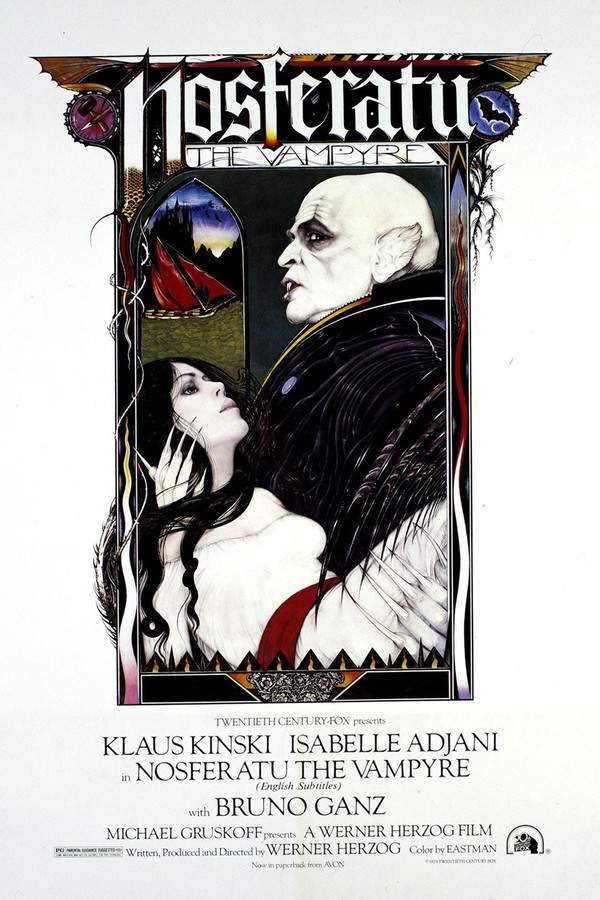
    Milo invites Sophie over for a movie marathon featuring *Nosferatu*, claiming it embodies true vampirism. They discuss their differing views, with Sophie suggesting he also explore *Twilight*, which symbolizes their contrasting perspectives on love and the supernatural.

    Where
    Milo's Home
  10. Searching for Closure

    The bond between Milo and Sophie deepens as they share the pain of their lost parents. Together, they search for Milo's mother's grave, which offers them a moment of closure and hints at hope for their future despite their tragic backgrounds.

    Where
    Graveyard
  11. Dangerous Choices

    Milo's involvement with a wealthy couple leads him to unknowingly betray his own vulnerability when they collide with his gang tormentors. The brutal murder of the boyfriend exposes the dark world Milo inhabits and the life-threatening dangers he faces.

  12. Confrontation with Authorities

    Authorities question Milo about the recent crime, creating a sense of paranoia and dread. They warn him about the repercussions of silence, heightening his fear of the gang and amplifying his feelings of isolation.

    Where
    Police Station
  13. Heartfelt Reflection

    While at Coney Island, Sophie and Milo share a deep conversation about life, dreams, and the concept of escape. However, their connection is strained when Sophie discovers Milo’s journal, representing a breach of trust that leads her to distance herself.

    Where
    Coney Island
  14. Descent into Darkness

    Desperate to redeem himself, Milo attempts to make amends but finds himself lost in darkness. He steals valuables from a family, highlighting the moral decay he is experiencing as he grapples with the choices he makes to survive.

  15. Tragic Demise

    In a final twist, Milo’s life ends tragically when he is ambushed by the friends of his earlier victims. In the aftermath, Sophie discovers Milo's letter pondering the complexities of his existence, serving as a poignant reminder of his struggle against fate.

Last updated: November 22, 2024 at 15:26

Was this helpful?

Timeline questions answered

The Transfiguration Timeline Explained: Your Questions Answered

When does it happen, and why in that order? The questions people ask about the chronology of The Transfiguration (2017): time jumps, flashbacks, cause and effect between scenes and the correct order of events, each answered with spoilers.

Q1

Why does Milo think he's a vampire?

Milo is a troubled 14-year-old who has become obsessed with vampire mythology. He keeps a visual journal cataloging vampire films and creates his own set of vampire rules he believes are essential to the lifestyle. This fantasy identity serves as an escape from his difficult life in the housing projects, where he faces constant harassment from a local gang.

Foreshadowing: His obsession with vampire films like Nosferatu is established early in the journal scenes.

  • milo
  • vampire
  • identity
  • fantasy
  • journal
Q2

What really happens in the opening restroom scene?

A bystander mistakenly thinks they witnessed a couple having sex in a restroom stall and leaves embarrassed. The truth is far darker: Milo, the 14-year-old protagonist, has just killed and fed on a restroom patron. The shocking reveal establishes that Milo believes he is an actual vampire who hunts and kills for sustenance.

  • opening scene
  • restroom
  • murder
  • victim
Q3

Why does Sophie leave after finding Milo's journal?

Sophie discovers Milo's hunting journal, which contains graphic details about his violent attacks and vampire rules. The journal shatters her romanticized view of him and reveals the disturbing reality of his actions. The breach of trust and exposure to his violent fantasies causes her to flee, leading to their separation.

  • sophie
  • journal
  • trust
  • leaves
  • hunting
Q4

What happens to Milo at the end of the film?

Milo is ambushed and killed by the friends of people he previously attacked or killed. The film ends with his funeral, shown as a casket being buried. Sophie, who has already left for Alabama, finds a letter from him after his death, revealing his final thoughts about vampirism and self-destruction.

Foreshadowing: Earlier scenes show the friends of Milo's victims plotting revenge.

  • milo dies
  • ending
  • funeral
  • killed
Q5

Why does Milo attack the homeless man under the bridge?

Milo attacks the homeless man because he believes he needs human blood to survive as a vampire. This scene demonstrates how his vampire fantasy has escalated into actual violence, blurring the line between his imagined identity and real-world harm. It represents his first confirmed killing outside the opening restroom scene.

Foreshadowing: His journal lists rules about prime hunting times and locations.

  • homeless
  • attack
  • bridge
  • kills
  • blood
Q6

What is the significance of Milo's mother's grave?

Milo's mother is dead, and his older brother Lewis has hidden the location of her grave from him. When Milo and Sophie search for it together, finding the grave represents a moment of closure and healing for Milo. It also deepens his bond with Sophie as they both share the pain of losing parents.

Foreshadowing: Lewis reveals he kept the grave location secret to protect Milo.

  • mother
  • grave
  • lewis
  • death
  • closure
Q7

Why does Milo lead the wealthy couple to his tormentors?

Milo encounters a wealthy couple trying to buy drugs and reluctantly agrees to help them find some. Unknowingly, he leads them to a meeting spot where his gang tormentors are waiting. The gang murders the boyfriend in front of Milo, demonstrating the dangerous world he inhabits and how his actions have unintended deadly consequences.

Foreshadowing: The gang has been harassing Milo throughout the film.

  • wealthy couple
  • gang
  • murder
  • betrayal
Q8

What does Milo write in his letter to Sophie?

In his letter written before his death, Milo expresses his disdain for the Twilight series, which Sophie had recommended. He reflects on whether vampires can truly self-destroy, concluding that while they cannot directly kill themselves, they can facilitate their own death through choices made to protect others. The letter is discovered by Sophie after he is already dead.

  • letter
  • twilight
  • self-destruction
  • final words
Q9

Why is Sophie disturbed by the lamb slaughter video?

Sophie is deeply disturbed by the video of lambs being slaughtered because it triggers her trauma from being assaulted by a group of drunken teenagers. The graphic violence mirrors her own victimization and causes her to relive her traumatic experience, leading her to share her pain with Milo.

Foreshadowing: Sophie was assaulted earlier in the film, which is shown as a horrific event.

  • sophie
  • lambs
  • trauma
  • assault
  • video
Q10

What does Milo mean when he says suicide is 'against the rules'?

When Milo tells Sophie that suicide is against the rules, he is referencing his self-created vampire code from his journal. This cryptic comment reveals how his vampire fantasy has become a framework for understanding life and death. It also shows his attempt to apply meaning to suffering through his delusional system.

Foreshadowing: Milo's journal contains detailed rules about vampire conduct.

  • suicide
  • rules
  • journal
  • vampire code
Q11

Why does Milo confess to his therapist about the sun motifs?

Milo confesses to his therapist that the sun has been appearing repeatedly in his artwork, which troubles him. This confession represents a moment of breaking from his vampire fantasy, as sunlight is traditionally fatal to vampires. It shows his growing psychological distress and the toll his double life is taking on his mental state.

Foreshadowing: The sun motifs appear in his artwork throughout the film.

  • therapist
  • confession
  • sun
  • art
  • psychology

Movie threads

More Movies Like The Transfiguration, by Mood & Story

Curated lists built around what makes The Transfiguration tick: the same mood, the same kind of story or the same emotional payoff. Each list explains why these movies belong together.

Urban Decay Dramas like The Transfiguration

Intimate stories of troubled souls navigating harsh, oppressive city landscapes. If you liked the gritty, oppressive setting of The Transfiguration, explore more movies that use urban decay as a powerful backdrop. These films feature characters grappling with trauma and isolation against stark city landscapes, creating a heavy, atmospheric experience.

  • gritty
  • atmospheric
  • oppressive
  • lonely
  • melancholic
  • unsettling
  • Tone: dark, oppressive, melancholic
  • Pacing: slow, contemplative
Why these movies?

The story pattern: Stories in this thread often follow a character's psychological descent, tightly bound to their unforgiving urban environment. The narrative is typically a slow, internal burn where external decay mirrors internal turmoil, culminating in tragic or bleak outcomes with little hope of escape.

Why they belong together: Movies are grouped here for their shared focus on the symbiotic relationship between a character's mental state and a dilapidated, oppressive urban setting. They create a cohesive, heavy mood through slow pacing, atmospheric dread, and a profound sense of place.

Movies about Trauma and Dark Escapism like The Transfiguration

When the mind constructs dark fantasies to cope with unbearable pain. For viewers who appreciated The Transfiguration's exploration of mental health and violent fantasy, this list features similar movies about characters using dark obsessions to cope with trauma. These psychological dramas are slow, intense, and end in bleak realizations.

  • psychological
  • unsettling
  • tragic
  • anxious
  • obsessive
  • dark
  • Tone: dark, psychological, tragic
  • Pacing: slow burn character study
Why these movies?

The story pattern: The narrative pattern follows a character's gradual immersion into a self-constructed identity or belief system as a shield from past trauma. The central conflict is internal, pitting their comforting delusion against a harsh reality, typically leading to a collapse where fantasy consumes them.

Why they belong together: These films are united by their deep dive into the psychology of trauma, specifically how it manifests as obsessive, dark escapism. They share a slow, deliberate pace to build psychological unease, a high emotional weight, and a consistently dark, often bleak, tone.

If you liked this

Movies Like The Transfiguration

Similar movies to The Transfiguration: the same genre, themes or kind of story. Each one comes with its own plot summary, timeline and ending explained.

Browse all movie summaries

Every angle

The Transfiguration (2017) Explained: Plot, Timeline & Characters

Everything about The Transfiguration in one place: what happens in the plot summary, the timeline in chronological order, the characters and meaning and a spoiler-free summary. What's After the Movie adds the cast, box office and post-credit scenes.

Coming soon on iOS and Android

The Plot Explained Movie Summary App

Plot summaries, endings explained and timelines on your phone. Catch up on any movie in minutes, save your favorites and never miss a twist again.

Be the first to know when we launch. Your email stays private, always.

Learn more about the app