Plot Explained Spoilers guaranteed!
Plot Explained

Browse by genre

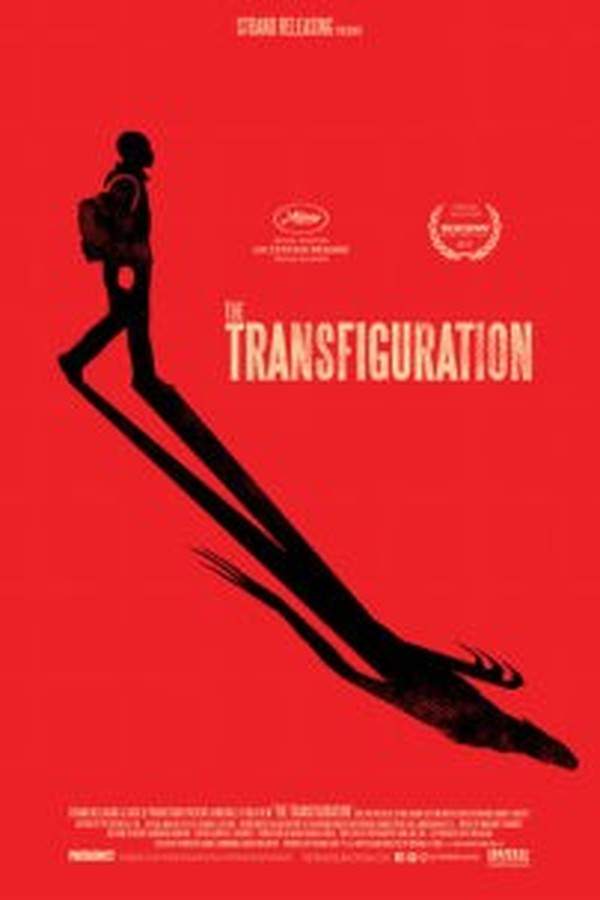
The Transfiguration (2017) movie poster

Plot Summary

The Transfiguration (2017) Plot Summary Explained

Release, runtime and language
2017 · 97 min · English
JustWatch #19,038 3
Directed by
Michael O'Shea

A troubled teenager named Milo finds comfort and fascination in vampire mythology. He connects with Sophie, a similarly drawn individual, and their shared interest sparks a dangerous obsession. As Milo's fascination deepens, the line between fantasy and reality blurs, leading him down a dark path where his actions have deadly consequences and threaten to consume him.

On this page (6)
  1. 1 Where to watch
  2. 2 What happens: full plot
  3. 3 Plot questions answered
  4. 4 Movie threads
  5. 5 Movies like The Transfiguration
  6. 6 Every angle

Where to watch

Where to Watch The Transfiguration (2017)

Where can you watch The Transfiguration? Stream, rent or buy it in the US, including on Kanopy, Tubi TV and Amazon Video: current JustWatch availability with up-to-date prices.

Streaming availability powered by JustWatch

Full plot summary · contains spoilers

What Happens in The Transfiguration: Full Plot Summary

The whole story of The Transfiguration (2017) explained, from the opening scene to the final frame: every key event, every twist and what it all adds up to. Read it as a quick recap before the sequel, to check a scene you missed, or to finally understand what really happened.

The film opens in a public restroom, where an unsuspecting bystander stumbles upon an unexpected and unsettling scene: two individuals engaged in an intimate act inside a stall. Misinterpreting the circumstances, our protagonist makes a hasty exit, overwhelmed by embarrassment. It’s soon revealed that the "couple" consists of Milo, a 14-year-old self-declared vampire, who has just claimed the lifeless body of a restroom patron. This shocking revelation unfolds against the gritty backdrop of Brooklyn's public housing projects, where Milo resides with his older brother, Lewis.

As the story progresses, it delves into Milo's eccentricities, including his obsession with vampire films and graphic violence, which he meticulously catalogs in a visual journal. This journal serves as both a creative outlet and a self-fashioned handbook for his imagined vampire lifestyle. It includes a comprehensive list of rules he believes are crucial to uphold the vampire code, detailing the prime times for hunting.

Milo’s everyday life is plagued by both physical and emotional struggles. After the traumatic events of the previous night, he becomes violently ill as the day drags on. Compounding his turmoil is a local gang that continues to harass him, culminating in a humiliating attack that leaves him in a state of victimhood. The scars of his existence are sadly evident when his post-shower reveal showcases a latticework of burns on his back.

That night, while away on one of his nocturnal pursuits, Milo encounters Sophie, another 14-year-old who has just moved to the area. Their paths cross again the following day in a horrifying scene where a group of drunken teenagers assaults Sophie. This horrific event drastically impacts Sophie, who resorts to self-harm as a means of coping.

Intrigued by Sophie’s distress, Milo intervenes, only to encounter a cryptic comment indicating that suicide is "against the rules," referencing his journal. While Sophie finds Milo's actions strange, there’s a mysterious attraction between them, leading them back to his home.

However, their relationship faces challenges when Sophie is disturbed by a video showing the slaughter of lambs, a harsh reminder of her trauma. She shares her source of pain, deepening Milo’s understanding of her struggles and their shared experiences.

As the plot unfolds, Milo continues his nighttime escapades, attacking a homeless man beneath a bridge for sustenance. This grotesque act serves as a vivid illustration of his internal conflict, caught between his perceived identity as a vampire and the harsh truths of adolescence.

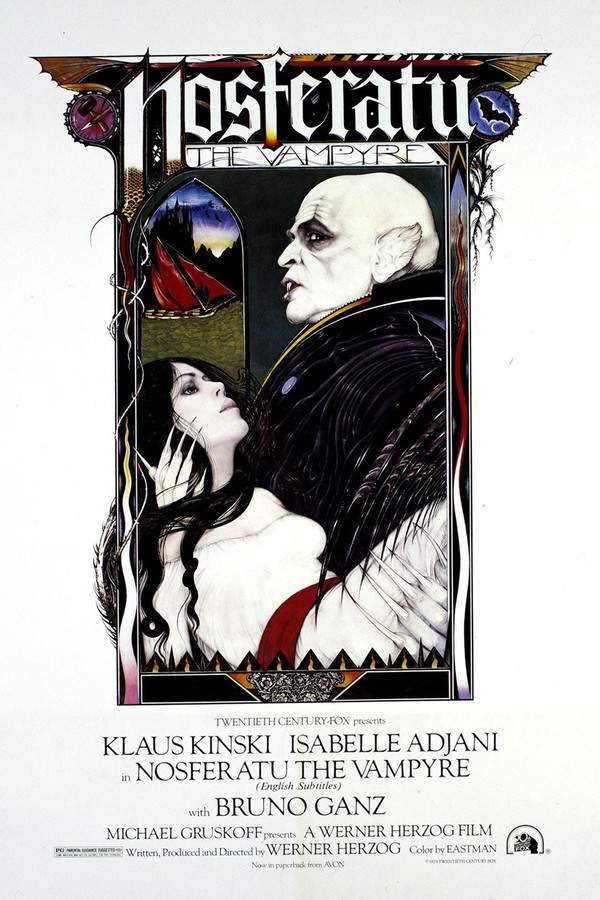
Milo's fascination with the undead prompts him to invite Sophie to a movie marathon featuring F.W. Murnau's classic, Nosferatu, which he claims is a true representation of vampirism. Sophie counters with her enthusiasm for the Twilight series, suggesting Milo take a look at its romanticized depiction. She gifts him the first novel, symbolizing their differing views on the supernatural.

As they engage in deeper conversations, they share the sorrow of having lost both parents, with Milo revealing the mystery surrounding his mother's grave, hidden away by brother Lewis. Their bond strengthens as Sophie seeks to help Milo find his mother’s final resting place, leading them to pay their respects—an act reflecting closure and the potential for new beginnings.

Yet, this peace is shattered when Milo encounters a wealthy couple attempting to procure a mysterious substance. Hesitant to participate in their illicit endeavors, he unwittingly leads them to a rendezvous with his tormentors—the gang that has been plaguing him. The brutal murder of the boyfriend by the gang starkly illustrates Milo's precarious existence and the grim realities he faces.

Soon after, authorities question Milo about the crime, warning him that his silence may expose him to the local gang, further eroding his trust and leaving him feeling cornered.

While at the Coney Island docks, Sophie and Milo engage in a heartfelt conversation about faith, death, and their personal dreams, exploring what having a million dollars could mean for their futures. Sophie reveals her wish to escape to Alabama with her cousin, but their moment is cut short when Sophie discovers Milo's hunting journal, causing her to flee from their connection.

Desperate, Milo leaves a voicemail seeking forgiveness and a chance to explain. As darkness invades his mind, he stalks an unsuspecting family, stealing their valuables before returning home feeling weighed down by his choices.

Determined to rebuild his relationship with Andre, the gang leader, Milo offers him the trophies of his nighttime activities, an act of trust that foreshadows his visit to the police station, where he confesses to his therapist about the disturbing sun motifs recurring in his artwork.

In a surprising twist, Milo treats Sophie to a whimsical day at Coney Island, even bringing her flowers. But as the evening unfolds and they sit dockside, visions of Sophie's demise haunt him, contrasted with the stark reality of his unwillingness to join her in freedom.

The next morning, Lewis approaches Milo, sharing insights from his army days, recounting the many horrors he witnessed but never taking a life. Sensing Milo's distress, he reminds him that while guilt is profound, it pales in comparison to humanity's capacity for cruelty.

Milo's moment of gratitude quickly evaporates when he is suddenly ambushed and attacked by the revenge-seeking friends of the people he had earlier slain. Meanwhile, Sophie attempts to reconnect but ultimately boards a bus bound for Alabama, unaware that Milo has met his tragic end.

In the wake of these events, Sophie stumbles upon a heartbreaking letter from Milo, in which he expresses his disdain for Twilight and contemplates the life-and-death implications of vampiric self-destruction. He concludes that while direct self-destruction is impossible for vampires, they may facilitate their own demise through choices made to protect others.

As the credits roll, we encounter a somber image—Milo's freshly buried casket—serving as a haunting reminder of his tragic and unforeseen fate.
Last updated: November 22, 2024 at 15:26

Was this helpful?

Plot questions answered

The Transfiguration Plot Explained: Your Questions Answered

The questions people ask most about The Transfiguration (2017): what happens in the confusing scenes, why the characters do what they do, the twists, hidden details and what the ending means. Each answer contains spoilers.

Q1

Why does Milo think he's a vampire?

Milo is a troubled 14-year-old who has become obsessed with vampire mythology. He keeps a visual journal cataloging vampire films and creates his own set of vampire rules he believes are essential to the lifestyle. This fantasy identity serves as an escape from his difficult life in the housing projects, where he faces constant harassment from a local gang.

Foreshadowing: His obsession with vampire films like Nosferatu is established early in the journal scenes.

  • milo
  • vampire
  • identity
  • fantasy
  • journal
Q2

What really happens in the opening restroom scene?

A bystander mistakenly thinks they witnessed a couple having sex in a restroom stall and leaves embarrassed. The truth is far darker: Milo, the 14-year-old protagonist, has just killed and fed on a restroom patron. The shocking reveal establishes that Milo believes he is an actual vampire who hunts and kills for sustenance.

  • opening scene
  • restroom
  • murder
  • victim
Q3

Why does Sophie leave after finding Milo's journal?

Sophie discovers Milo's hunting journal, which contains graphic details about his violent attacks and vampire rules. The journal shatters her romanticized view of him and reveals the disturbing reality of his actions. The breach of trust and exposure to his violent fantasies causes her to flee, leading to their separation.

  • sophie
  • journal
  • trust
  • leaves
  • hunting
Q4

What happens to Milo at the end of the film?

Milo is ambushed and killed by the friends of people he previously attacked or killed. The film ends with his funeral, shown as a casket being buried. Sophie, who has already left for Alabama, finds a letter from him after his death, revealing his final thoughts about vampirism and self-destruction.

Foreshadowing: Earlier scenes show the friends of Milo's victims plotting revenge.

  • milo dies
  • ending
  • funeral
  • killed
Q5

Why does Milo attack the homeless man under the bridge?

Milo attacks the homeless man because he believes he needs human blood to survive as a vampire. This scene demonstrates how his vampire fantasy has escalated into actual violence, blurring the line between his imagined identity and real-world harm. It represents his first confirmed killing outside the opening restroom scene.

Foreshadowing: His journal lists rules about prime hunting times and locations.

  • homeless
  • attack
  • bridge
  • kills
  • blood
Q6

What is the significance of Milo's mother's grave?

Milo's mother is dead, and his older brother Lewis has hidden the location of her grave from him. When Milo and Sophie search for it together, finding the grave represents a moment of closure and healing for Milo. It also deepens his bond with Sophie as they both share the pain of losing parents.

Foreshadowing: Lewis reveals he kept the grave location secret to protect Milo.

  • mother
  • grave
  • lewis
  • death
  • closure
Q7

Why does Milo lead the wealthy couple to his tormentors?

Milo encounters a wealthy couple trying to buy drugs and reluctantly agrees to help them find some. Unknowingly, he leads them to a meeting spot where his gang tormentors are waiting. The gang murders the boyfriend in front of Milo, demonstrating the dangerous world he inhabits and how his actions have unintended deadly consequences.

Foreshadowing: The gang has been harassing Milo throughout the film.

  • wealthy couple
  • gang
  • murder
  • betrayal
Q8

What does Milo write in his letter to Sophie?

In his letter written before his death, Milo expresses his disdain for the Twilight series, which Sophie had recommended. He reflects on whether vampires can truly self-destroy, concluding that while they cannot directly kill themselves, they can facilitate their own death through choices made to protect others. The letter is discovered by Sophie after he is already dead.

  • letter
  • twilight
  • self-destruction
  • final words
Q9

Why is Sophie disturbed by the lamb slaughter video?

Sophie is deeply disturbed by the video of lambs being slaughtered because it triggers her trauma from being assaulted by a group of drunken teenagers. The graphic violence mirrors her own victimization and causes her to relive her traumatic experience, leading her to share her pain with Milo.

Foreshadowing: Sophie was assaulted earlier in the film, which is shown as a horrific event.

  • sophie
  • lambs
  • trauma
  • assault
  • video
Q10

What does Milo mean when he says suicide is 'against the rules'?

When Milo tells Sophie that suicide is against the rules, he is referencing his self-created vampire code from his journal. This cryptic comment reveals how his vampire fantasy has become a framework for understanding life and death. It also shows his attempt to apply meaning to suffering through his delusional system.

Foreshadowing: Milo's journal contains detailed rules about vampire conduct.

  • suicide
  • rules
  • journal
  • vampire code
Q11

Why does Milo confess to his therapist about the sun motifs?

Milo confesses to his therapist that the sun has been appearing repeatedly in his artwork, which troubles him. This confession represents a moment of breaking from his vampire fantasy, as sunlight is traditionally fatal to vampires. It shows his growing psychological distress and the toll his double life is taking on his mental state.
Foreshadowing: The sun motifs appear in his artwork throughout the film.

  • therapist
  • confession
  • sun
  • art
  • psychology

Movie threads

More Movies Like The Transfiguration, by Mood & Story

Curated lists built around what makes The Transfiguration tick: the same mood, the same kind of story or the same emotional payoff. Each list explains why these movies belong together.

Urban Decay Dramas like The Transfiguration

Intimate stories of troubled souls navigating harsh, oppressive city landscapes. If you liked the gritty, oppressive setting of The Transfiguration, explore more movies that use urban decay as a powerful backdrop. These films feature characters grappling with trauma and isolation against stark city landscapes, creating a heavy, atmospheric experience.

  • gritty
  • atmospheric
  • oppressive
  • lonely
  • melancholic
  • unsettling
  • Tone: dark, oppressive, melancholic
  • Pacing: slow, contemplative
Why these movies?

The story pattern: Stories in this thread often follow a character's psychological descent, tightly bound to their unforgiving urban environment. The narrative is typically a slow, internal burn where external decay mirrors internal turmoil, culminating in tragic or bleak outcomes with little hope of escape.

Why they belong together: Movies are grouped here for their shared focus on the symbiotic relationship between a character's mental state and a dilapidated, oppressive urban setting. They create a cohesive, heavy mood through slow pacing, atmospheric dread, and a profound sense of place.

Movies about Trauma and Dark Escapism like The Transfiguration

When the mind constructs dark fantasies to cope with unbearable pain. For viewers who appreciated The Transfiguration's exploration of mental health and violent fantasy, this list features similar movies about characters using dark obsessions to cope with trauma. These psychological dramas are slow, intense, and end in bleak realizations.

  • psychological
  • unsettling
  • tragic
  • anxious
  • obsessive
  • dark
  • Tone: dark, psychological, tragic
  • Pacing: slow burn character study
Why these movies?

The story pattern: The narrative pattern follows a character's gradual immersion into a self-constructed identity or belief system as a shield from past trauma. The central conflict is internal, pitting their comforting delusion against a harsh reality, typically leading to a collapse where fantasy consumes them.

Why they belong together: These films are united by their deep dive into the psychology of trauma, specifically how it manifests as obsessive, dark escapism. They share a slow, deliberate pace to build psychological unease, a high emotional weight, and a consistently dark, often bleak, tone.

If you liked this

Movies Like The Transfiguration

Similar movies to The Transfiguration: the same genre, themes or kind of story. Each one comes with its own plot summary, timeline and ending explained.

Browse all movie summaries

Every angle

The Transfiguration (2017) Explained: Plot, Timeline & Characters

Everything about The Transfiguration in one place: what happens in the plot summary, the timeline in chronological order, the characters and meaning and a spoiler-free summary. What's After the Movie adds the cast, box office and post-credit scenes.

Coming soon on iOS and Android

The Plot Explained Movie Summary App

Plot summaries, endings explained and timelines on your phone. Catch up on any movie in minutes, save your favorites and never miss a twist again.

Be the first to know when we launch. Your email stays private, always.

Learn more about the app