Year: 1982
Runtime: 96 mins
Language: Russian
Director: Vadim Abdrashitov
The drama follows the tragic crash of a locomotive in which a courageous engineer deliberately sacrifices himself to prevent the train from derailing, saving all passengers from injury or death. Investigator Ermakov probes the cause, while journalist Malinin seeks to honor the fallen engineer, highlighting a tension between truth‑seeking and heroic commemoration within a socio‑political context.
Warning: spoilers below!
Haven’t seen The Train Has Stopped yet? This summary contains major spoilers. Bookmark the page, watch the movie, and come back for the full breakdown. If you're ready, scroll on and relive the story!
Read the complete plot breakdown of The Train Has Stopped (1982), including all key story events, major twists, and the ending explained in detail. Discover what really happened—and what it all means.
Late at night, a shocking train accident disrupts the quiet of the rail network: four empty lorries suddenly roll down a slope and crash into a high-velocity passenger train. The disaster is narrowly averted thanks to the decisive action of the driver Timonin, whose courage keeps the locomotive on a path that prevents an even larger catastrophe. Tragically, the driver does not survive the ordeal.
Detective Ermakov takes charge of the investigation, and his path soon brings him into contact with passenger and journalist Malinin in a hotel room, where the two men discuss the wreck and what it means for those left behind. As Malinin’s words turn into a vivid article praising the driver’s heroism, Ermakov’s growing table of facts begins to tell a different story.
The investigation points to a chain of seemingly “minor” violations that collectively doomed the train. The first misstep comes from railroad shunter Panteleyev, who ignores instructions and fails to set the second boot, allowing the lorries to break away and roll toward the passenger train. The second factor is the depot’s leadership: Golovanov releases a locomotive with a faulty speed gauge. And the third critical fault rests with the dead driver [Timonin], who, as the report notes, had no right to start his run without ensuring the speed meter was fixed.
From Ermakov’s perspective, the findings are stark: there was no heroic sacrifice at play, only a widespread pattern of carelessness that culminated in a fatal loss of life. This assessment triggers anger and hostility toward the investigator from the public and from the city’s leadership, who feel the truth damages cherished narratives of bravery. Even Malinin, who initially sympathized with Ermakov’s pursuit of facts, grows indignant at the rejection of a heroic frame and veers toward the majority’s view.
Let this be an act of bravery!
With this moment, the journalist shifts his stance, aligning with the crowd’s sentiment and turning the debate toward the uncomfortable reality behind the tragedy. The balance between what is celebrated as heroism and what is exposed as procedural failure becomes the central tension, inviting the audience to reassess how such accidents are interpreted and remembered.
Last Updated: October 09, 2025 at 14:55
Discover curated groups of movies connected by mood, themes, and story style. Browse collections built around emotion, atmosphere, and narrative focus to easily find films that match what you feel like watching right now.
Stories where the search for facts clashes with the comfort of a heroic narrative.If you liked the ethical conflict in The Train Has Stopped, you'll appreciate these movies where a search for truth is challenged by a public desire for a heroic narrative. Discover similar thought-provoking dramas about journalism, investigations, and the myths societies create.
The narrative pattern follows a methodical investigation that reveals a complex or inconvenient truth. This revelation then comes into conflict with a powerful opposing force—be it institutional, societal, or media-driven—that wishes to promote a sanitized, heroic version of events for the greater good or for political stability.
They are grouped by their shared focus on the conflict between factual integrity and narrative control. They create a skeptical, reflective mood by questioning the nature of heroism and the cost of comforting lies, often ending on a bittersweet or melancholic note.
Methodical investigations that expose systemic flaws and bureaucratic failure.Fans of the investigative pace and systemic critique in The Train Has Stopped will enjoy these movies. Explore similar dramas with a steady, methodical narrative that follows a probe into a tragedy, uncovering bureaucratic failure and societal tensions.
These narratives unfold at a steady, deliberate pace, mirroring the real-life process of an investigation. The central journey is one of discovery, where the protagonist gradually pieces together evidence that points to a larger systemic problem, facing resistance from established powers along the way.
They share a specific mix of steady pacing, medium intensity, and a dark, thoughtful tone. The viewing experience is defined by intellectual engagement with a process, a building sense of institutional unease, and a culmination that questions authority.
Don't stop at just watching — explore The Train Has Stopped in full detail. From the complete plot summary and scene-by-scene timeline to character breakdowns, thematic analysis, and a deep dive into the ending — every page helps you truly understand what The Train Has Stopped is all about. Plus, discover what's next after the movie.
Track the full timeline of The Train Has Stopped with every major event arranged chronologically. Perfect for decoding non-linear storytelling, flashbacks, or parallel narratives with a clear scene-by-scene breakdown.
Discover the characters, locations, and core themes that shape The Train Has Stopped. Get insights into symbolic elements, setting significance, and deeper narrative meaning — ideal for thematic analysis and movie breakdowns.
Get a quick, spoiler-free overview of The Train Has Stopped that covers the main plot points and key details without revealing any major twists or spoilers. Perfect for those who want to know what to expect before diving in.
Visit What's After the Movie to explore more about The Train Has Stopped: box office results, cast and crew info, production details, post-credit scenes, and external links — all in one place for movie fans and researchers.
Discover movies like The Train Has Stopped that share similar genres, themes, and storytelling elements. Whether you’re drawn to the atmosphere, character arcs, or plot structure, these curated recommendations will help you explore more films you’ll love.
The Train Has Stopped (1982) Scene-by-Scene Movie Timeline
The Train Has Stopped (1982) Movie Characters, Themes & Settings
The Train Has Stopped (1982) Spoiler-Free Summary & Key Flow
Movies Like The Train Has Stopped – Similar Titles You’ll Enjoy
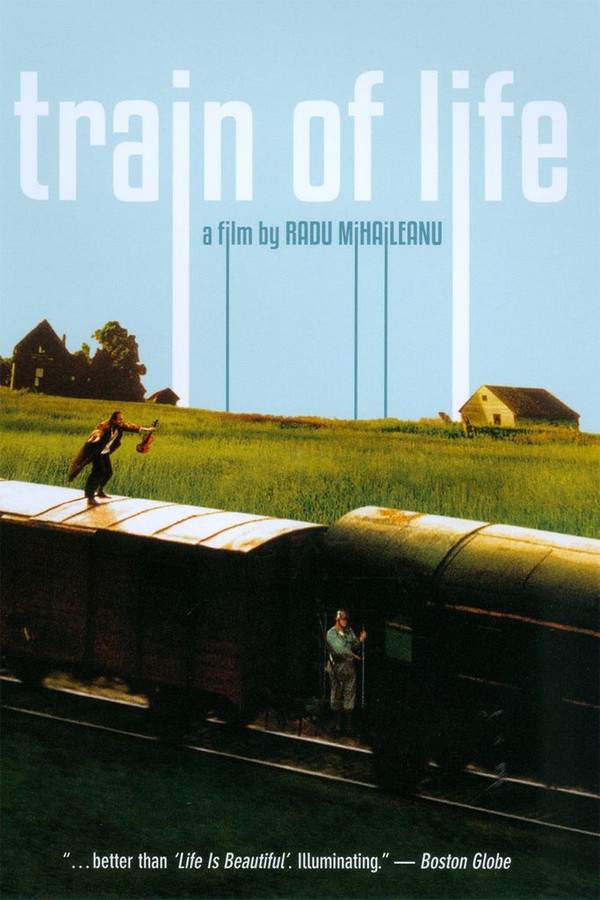
Train of Life (1999) Movie Recap & Themes
Unstoppable (2010) Full Movie Breakdown
Runaway Train (1986) Film Overview & Timeline
The Train: Some Lines Shoulder Never Be Crossed… (2007) Film Overview & Timeline
The Train Killer (1983) Spoiler-Packed Plot Recap
Train (1000) Complete Plot Breakdown
Train out of schedule (1986) Detailed Story Recap
The Burning Train (1980) Plot Summary & Ending Explained
The Train (1970) Spoiler-Packed Plot Recap
The Railroad Man (1956) Full Movie Breakdown
Train of Events (1949) Movie Recap & Themes
Death Train (1993) Complete Plot Breakdown
Atomic Train (1000) Full Summary & Key Details
The Man Who Watched Trains Go By (1952) Film Overview & Timeline
Disaster on the Coastliner (1979) Film Overview & Timeline