
Poisons or the World History of Poisoning
Year: 2001
Runtime: 106 mins
Language: Russian
Director: Karen Shakhnazarov
Oleg, a stage actor, becomes convinced his wife has been seduced by the neighbour and decides to poison her. He seeks counsel from the eccentric elder Prokhorov, who delays the act by recounting historic poisonings—detailing how figures such as Cesare Borgia and the Roman emperor Caligula met their doom through toxins echoing the town's dark past.
Warning: spoilers below!
Haven’t seen Poisons or the World History of Poisoning yet? This summary contains major spoilers. Bookmark the page, watch the movie, and come back for the full breakdown. If you're ready, scroll on and relive the story!
Poisons or the World History of Poisoning (2001) – Full Plot Summary & Ending Explained
Read the complete plot breakdown of Poisons or the World History of Poisoning (2001), including all key story events, major twists, and the ending explained in detail. Discover what really happened—and what it all means.
Oleg Volkov and his wife Katya move into a newly bought apartment and quickly become acquainted with their locksmith neighbor Arnold Sharapov. What starts as a warm, ordinary evening soon tilts when Katya, during a friendly dinner, betrays her husband, sparking a tangle of jealousy, suspicion, and disappointment that threads through the entire building.
After the fallout, Oleg sinks into alcohol and, at a dim bar, he meets the pensioner Prokhorov, Ivan Petrovich Prokhorov. Prokhorov speaks in a chilling, matter-of-fact way about his own punishment for infidelity—slipping poison into his wife’s yogurt—and he quietly presses Oleg to consider a similar act. He carries with him a small collection of poisons, a quiet arsenal of past misdeeds that he insists could change the course of a life.
Oleg confronts the moral abyss and hesitates, but a new chain of events pulls him away from the brink. A quarrel within the family forces him to leave his home, and he becomes a guest of Zoya, Arnold’s wife, who has expelled her own unfaithful husband. The two find comfort in each other and gradually fall in love, deciding to forge a life together despite the shattered loyalties around them.
Weathering envy and anger, the former spouses—Arnold and Katya—plot to break the new idyll. They invite Oleg and Zoya to a dinner and plot to feed them contaminated burgers, a plan meant to sever the growing bond. The tension escalates as Oleg seeks counsel from Prokhorov, who offers a series of cunning retaliatory steps, each more devious than the last, testing Oleg’s resolve and moral compass.
Yet, in a turn toward a gentler resolution, Oleg decides to step back from the cycle of revenge. The two couples divorce, and Oleg and Zoya begin a life together built on love and shared interests, free from the bitterness that had threatened to fracture them all.
Throughout the unfolding drama, Oleg’s daydreams—fueled by Prokhorov’s tales of famed poisoners—drift into vivid visions. The most looming figure in his reveries is Pope Alexander VI Borgia, a central figure in these scheming fantasies, underscoring the movie’s themes of power, betrayal, and the peril of following dangerous echoes from the past. Pope Alexander VI
Last Updated: October 09, 2025 at 16:50

Explore Movie Threads
Discover curated groups of movies connected by mood, themes, and story style. Browse collections built around emotion, atmosphere, and narrative focus to easily find films that match what you feel like watching right now.
Dark Comedies with a Touch of Morality like Poisons or the World History of Poisoning
Stories that blend cynical humor with serious ethical dilemmas.If you enjoyed the cynical wit and ethical quandaries of Poisons or the World History of Poisoning, explore more movies like it. These films combine dark humor with serious themes of betrayal, revenge, and moral compromise, creating a uniquely compelling and thought-provoking viewing experience.
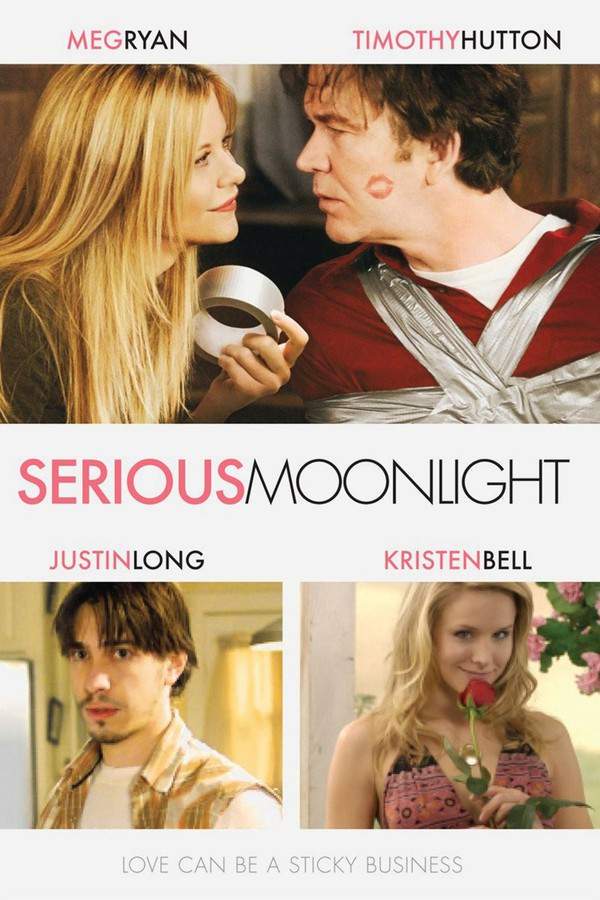
Serious Moonlight
2009
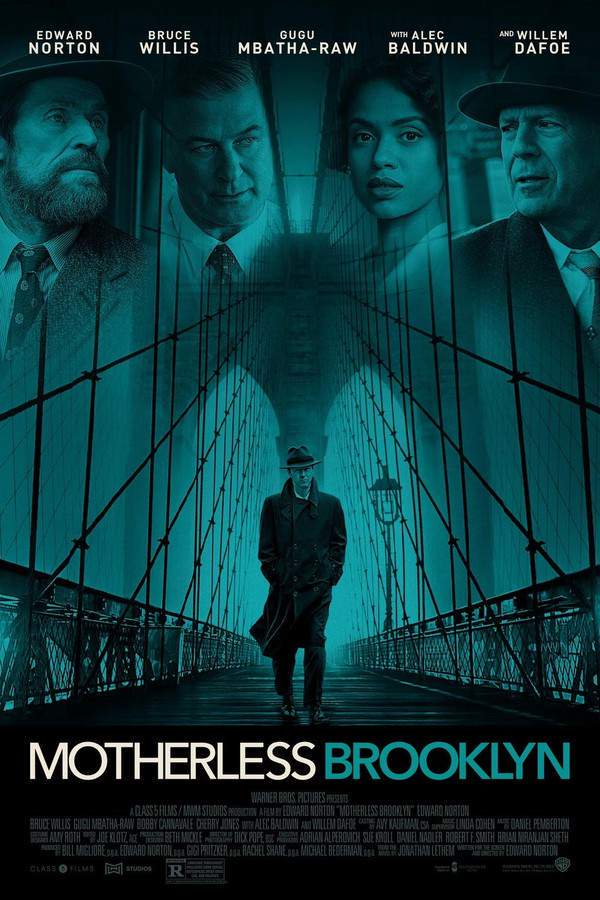
Motherless Brooklyn
2019
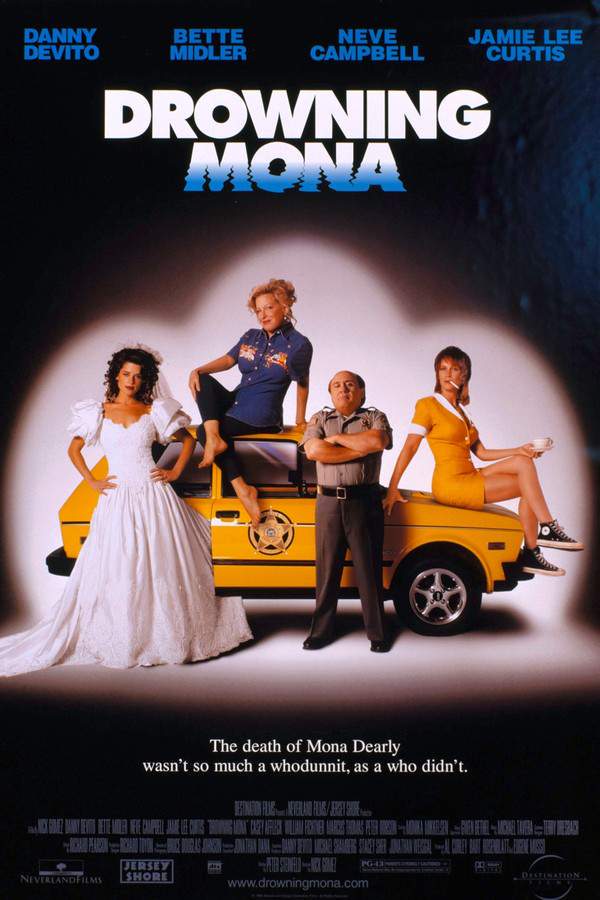
Drowning Mona
2000

Better Living Through Chemistry
2014
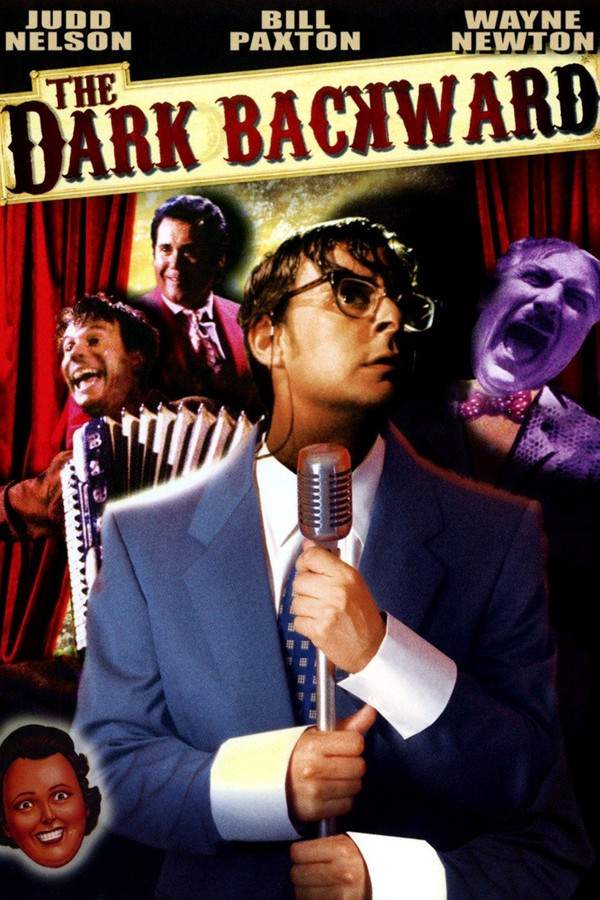
The Dark Backward
1991

Burke & Hare
2010
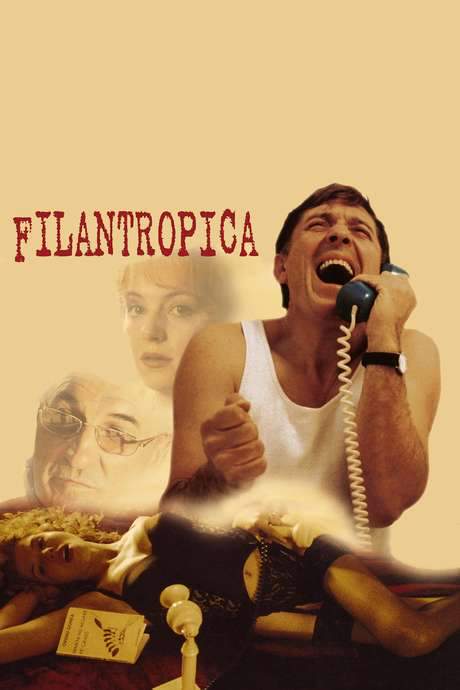
Philanthropy
2002
Poisons or the World History of Poisoning
2001

Death in Brunswick
1990

The Late Show
1977

Angel on My Shoulder
1946

The Comedy of Terrors
1963

A Little Bit of Soul
1998

Kind Hearts and Coronets
1949

High Strung
1992
Narrative Summary
Narratives in this thread often center on a character making a morally questionable decision, driven by passion or weakness. The story unfolds with a blend of comedic asides—whether through eccentric characters or stylistic flourishes—and serious consequences, forcing a reckoning with the initial choice that is more contemplative than purely punitive.
Why These Movies?
Movies are grouped here for their shared ability to balance a dark, humorous tone with significant moral weight. They appeal to viewers who enjoy stories that are intellectually and emotionally engaging without being overwhelmingly grim, offering wit alongside depth.
Stories of Betrayal and Imperfect Redemption like Poisons or the World History of Poisoning
Character arcs defined by acts of betrayal and a messy path to grace.For viewers who liked the journey from marital betrayal to a complex resolution in Poisons or the World History of Poisoning, this section features similar movies. These films focus on the emotional fallout of infidelity and revenge, culminating in endings that are hopeful yet realistically bittersweet.
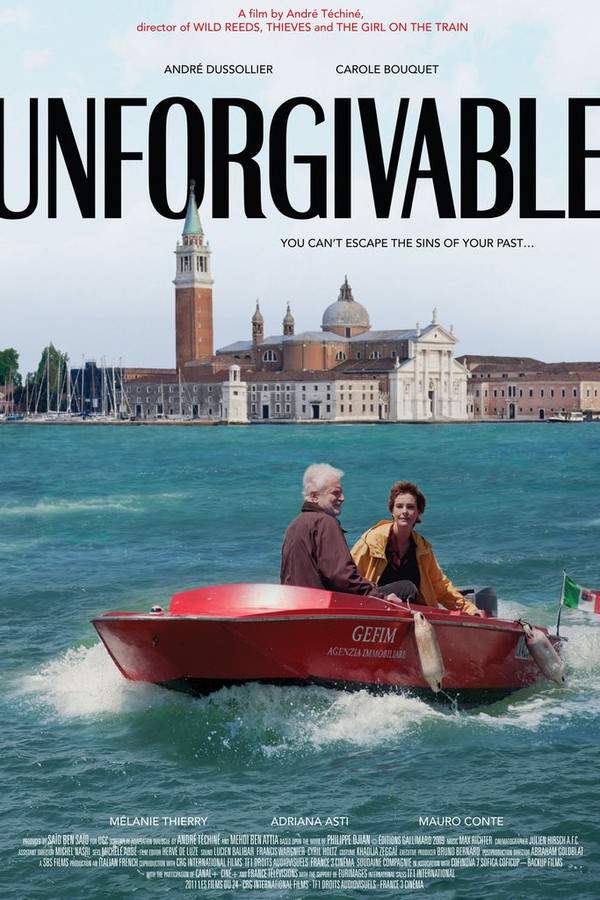
Unforgivable
2012
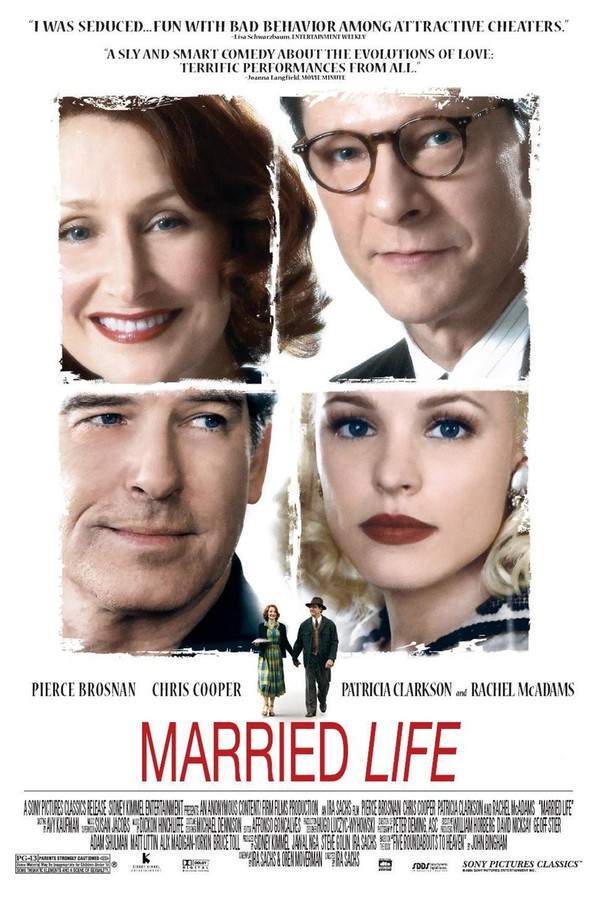
Married Life
2008
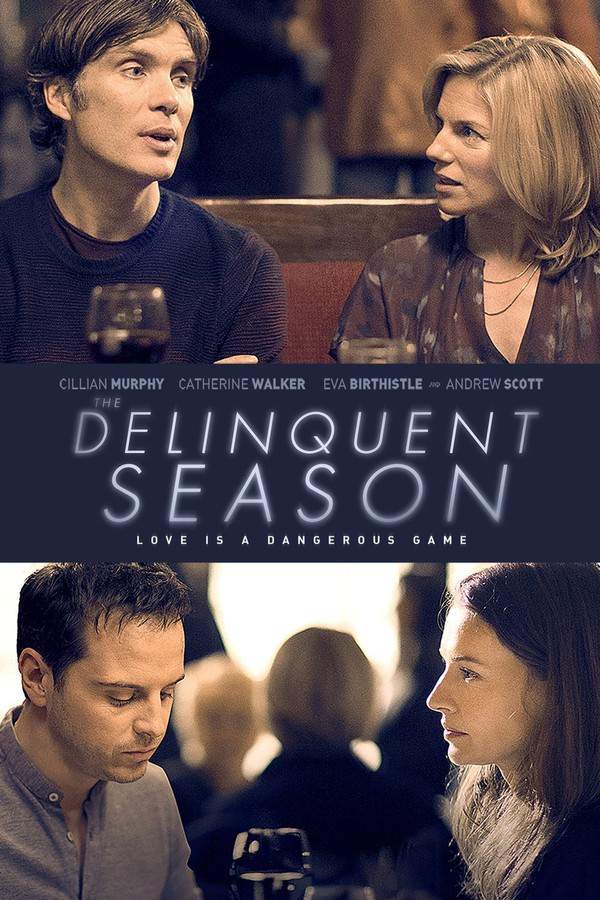
The Delinquent Season
2018
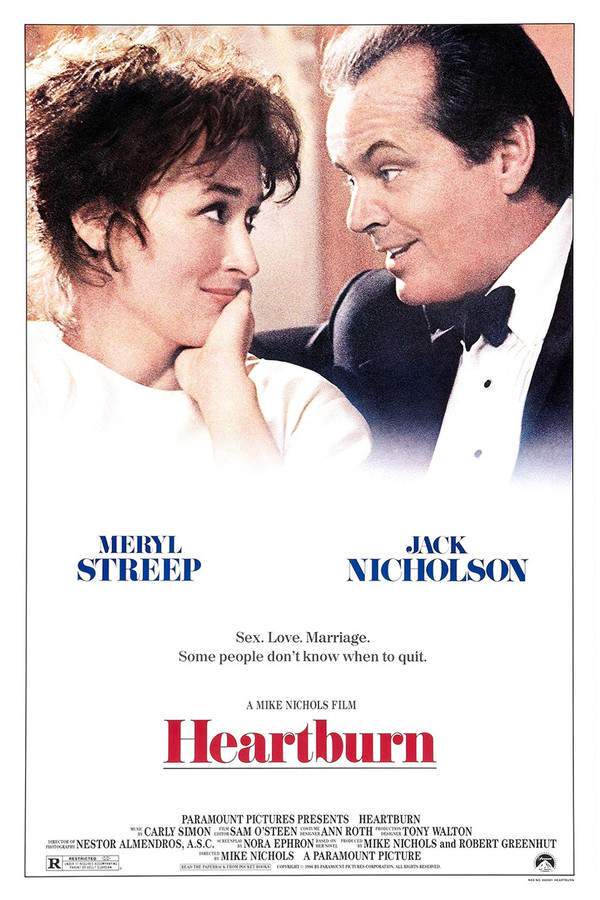
Heartburn
1986
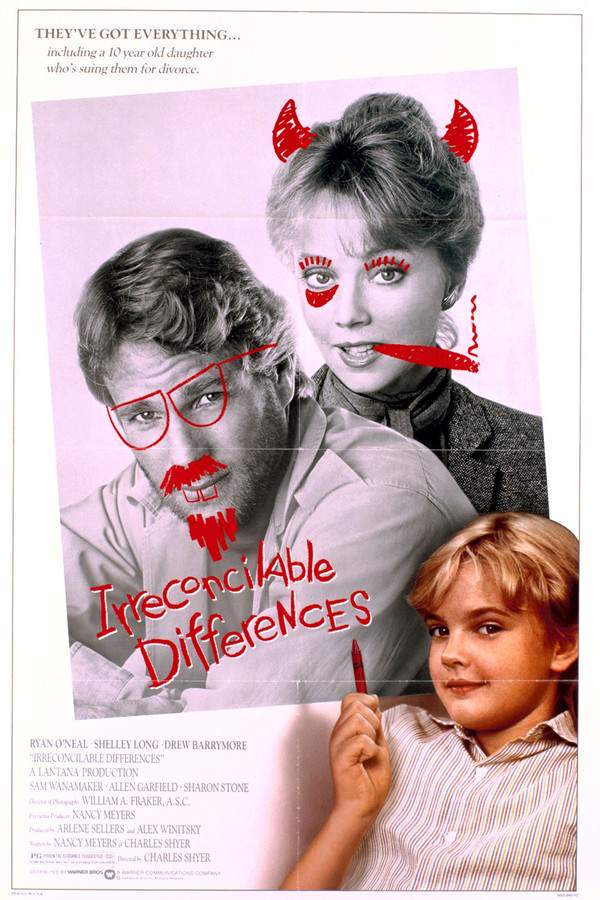
Irreconcilable Differences
1984

Something to Talk About
1995

Behadd
2013

L for Love, L for Lies Too
2016
Poisons or the World History of Poisoning
2001

Brief Encounter In Shinjuku
1990

My Reputation
1946

Marupadiyum
1993

All I Desire
1953

Kannodu Kanbathellam
1999

A Friend’s Betrayal
1996
Narrative Summary
The narrative pattern begins with a intimate betrayal that sparks a desire for revenge. The protagonist delves into this dark impulse, often fantasizing or planning an extreme response. However, the climax subverts pure vengeance, leading instead to a resolution where relationships are broken but a new, imperfect peace or love is found, ending the cycle of retribution.
Why These Movies?
These films are connected by their focus on the intensely personal trauma of betrayal and the non-linear path to healing. They resonate with viewers who appreciate character-driven dramas where endings feel earned and realistic, not neatly tied up.
Unlock the Full Story of Poisons or the World History of Poisoning
Don't stop at just watching — explore Poisons or the World History of Poisoning in full detail. From the complete plot summary and scene-by-scene timeline to character breakdowns, thematic analysis, and a deep dive into the ending — every page helps you truly understand what Poisons or the World History of Poisoning is all about. Plus, discover what's next after the movie.
Poisons or the World History of Poisoning Timeline
Track the full timeline of Poisons or the World History of Poisoning with every major event arranged chronologically. Perfect for decoding non-linear storytelling, flashbacks, or parallel narratives with a clear scene-by-scene breakdown.

Characters, Settings & Themes in Poisons or the World History of Poisoning
Discover the characters, locations, and core themes that shape Poisons or the World History of Poisoning. Get insights into symbolic elements, setting significance, and deeper narrative meaning — ideal for thematic analysis and movie breakdowns.

Poisons or the World History of Poisoning Spoiler-Free Summary
Get a quick, spoiler-free overview of Poisons or the World History of Poisoning that covers the main plot points and key details without revealing any major twists or spoilers. Perfect for those who want to know what to expect before diving in.


Similar Movies to Poisons or the World History of Poisoning
Discover movies like Poisons or the World History of Poisoning that share similar genres, themes, and storytelling elements. Whether you’re drawn to the atmosphere, character arcs, or plot structure, these curated recommendations will help you explore more films you’ll love.
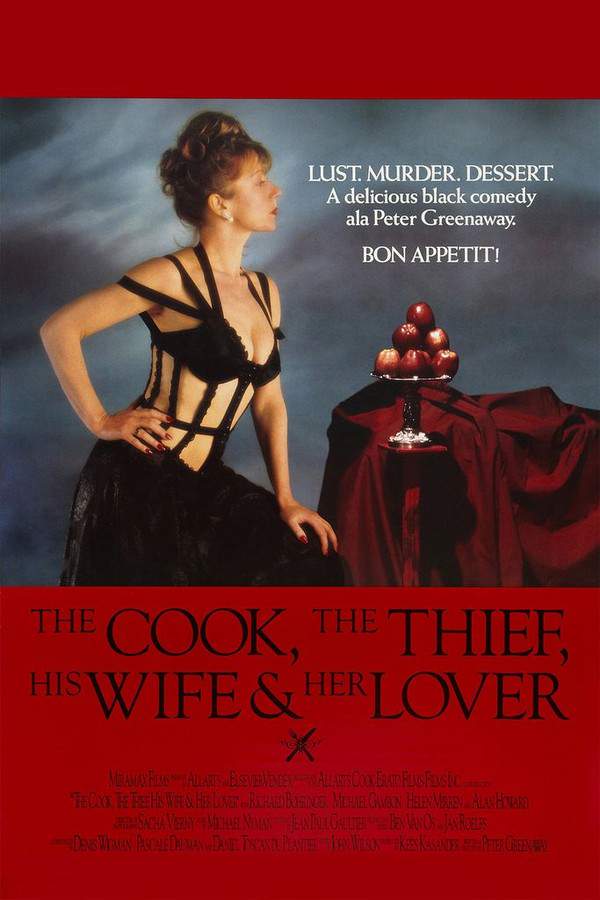
The Cook, the Thief, His Wife & Her Lover
1990

Effigy: Poison and the City
2019

Poison
2000
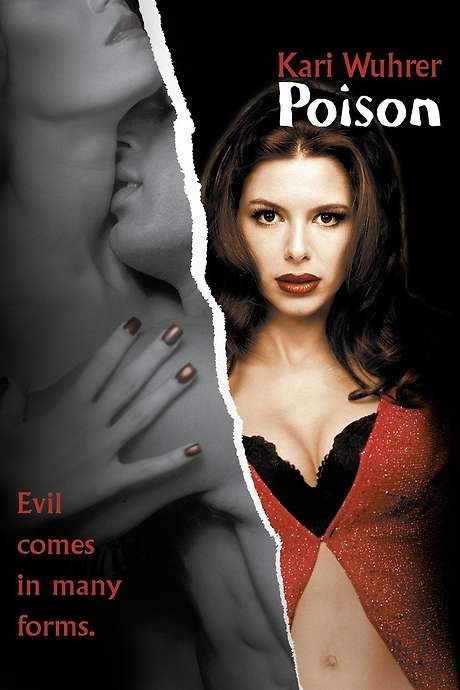
Poison
2001

As Good as Poison
1986

The Case of Poisons
1955

The jealous woman
1968

Arsenic and Old Lace
1944

Another Man’s Poison
1951

Veneno Cura
2008

Lady Poison: Beasts of the Underground
1995

Poison Pen
1939
-hbTR_oK2SWsInw.jpg)
A Drama of Jealousy (and other things)
1970

The Young Poisoner’s Handbook
1995
Poison
1951
Explore More About Movie Poisons or the World History of Poisoning
Poisons or the World History of Poisoning (2001) Scene-by-Scene Movie Timeline
Poisons or the World History of Poisoning (2001) Movie Characters, Themes & Settings
Poisons or the World History of Poisoning (2001) Spoiler-Free Summary & Key Flow
Movies Like Poisons or the World History of Poisoning – Similar Titles You’ll Enjoy
The Cook, the Thief, His Wife & Her Lover (1990) Film Overview & Timeline
Effigy: Poison and the City (2019) Complete Plot Breakdown
Poison (2000) Spoiler-Packed Plot Recap
Poison (2001) Story Summary & Characters
As Good as Poison (1986) Plot Summary & Ending Explained
The Case of Poisons (1955) Movie Recap & Themes
The jealous woman (1968) Story Summary & Characters
Arsenic and Old Lace (1944) Story Summary & Characters
Another Man’s Poison (1951) Film Overview & Timeline
Veneno Cura (2008) Spoiler-Packed Plot Recap
Lady Poison: Beasts of the Underground (1995) Spoiler-Packed Plot Recap
Poison Pen (1939) Detailed Story Recap
A Drama of Jealousy (and other things) (1970) Detailed Story Recap
The Young Poisoner’s Handbook (1995) Full Summary & Key Details
Poison (1951) Full Summary & Key Details