Plot Explained Spoilers guaranteed!
Plot Explained

Browse by genre

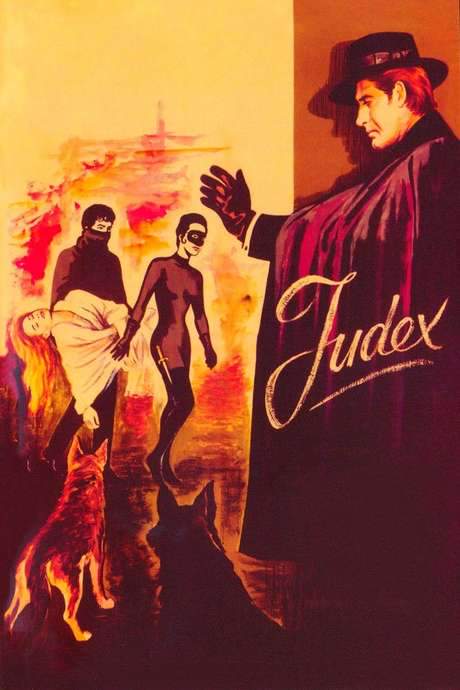
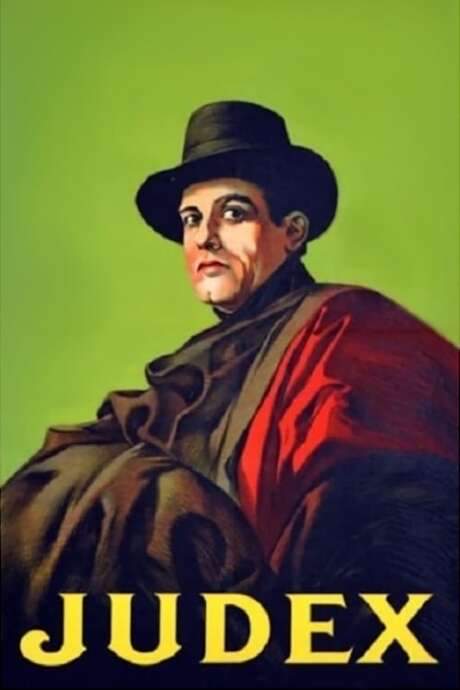
Judex (1916) movie poster

Plot Summary

Judex (1916) Plot Summary Explained

Release, runtime and language
1916 · 384 mins
Loading streaming availability…
Directed by
Louis Feuillade
Starring
Yvette Andréyor, Louis Leubas, René Poyen, Musidora, Édouard Mathé, Marcel Lévesque

The story unfolds over twelve episodes. After a corrupt banker destroys his family, a determined young man adopts the masked persona of Judex to seek justice. Disguised and relentless, he tracks down criminals, punishes the guilty, and shields the innocent, embodying vigilant vengeance in a classic twelve‑part serial.

On this page (6)
  1. 1 Where to watch
  2. 2 What happens: full plot
  3. 3 Plot questions answered
  4. 4 Movie threads
  5. 5 Movies like Judex
  6. 6 Every angle
Loading streaming availability…

Full plot summary · contains spoilers

What Happens in Judex: Full Plot Summary

The whole story of Judex (1916) explained, from the opening scene to the final frame: every key event, every twist and what it all adds up to. Read it as a quick recap before the sequel, to check a scene you missed, or to finally understand what really happened.

Banker Favraux Louis Leubas has built enormous wealth through swindles and blackmail, and his opulent mansion serves as the starting point for a web of danger and deception. A chilling note arrives, signed only with the name “Judex,” demanding that he return the stolen money to the victims. The threat unsettlesFavraux, prompting him to hire a discreet watchdog: Marcel Lévesque as Cocantin, who is tasked with keeping an eye on a high-society party where Favraux intends to publicly announce the engagement of his widowed daughter, Jacqueline Aubry Yvette Andréyor. The sense of looming peril thickens as the gathering of masked guests and hidden agendas unfolds.

At the heart of the household is Jacqueline, a mother to a small daughter named Alice, who moves through the story with a blend of warmth and quiet resilience. The governess in the home, Diana Monti, is not what she seems. Diana is actually Diana Monti / Marie Verdier, portrayed by Musidora, a calculated cat burglar who sees Favraux’s fortune as a means to secure her own future. Favraux himself is drawn to Diana, but she refuses to become his mistress and forces a dangerous bargain: they will marry, but only so she can unlock the fortune after his death. Diana’s true motive is plain—she plans to murder Favraux after the wedding to seize his wealth—yet she masks her intentions behind a veneer of charm and calculation.

Judex, a figure whose identity is known to be Jacques de Tremeuse, played by René Cresté, is not far from the events. He is a vigilante with a keen sense for justice, quietly watching Jacqueline and the family while pursuing his own form of retribution against those who abuse power. During the engagement party, a mysterious guest wearing a bird’s head entertains the masked attendees with magic tricks; what appears as spectacle turns out to be a reveal—the magician is Judex in disguise, quietly safeguarding Jacqueline and keeping Favraux under surveillance. The party reaches a tense crest when Favraux, as he begins to declare his engagement to Diana, appears to die of a heart attack.

The funeral of Favraux becomes a turning point. Jacqueline, having seen the letter from Judex, realizes the extent of her father’s illicit means and wealth. In a moment of moral clarity, she renounces most of her inheritance, choosing to reserve only enough to support Alice. The ethical choice signals a broader shift in the narrative’s moral arithmetic, reframing wealth as something to be reclaimed from crime rather than celebrated.

That night, Judex executes a bold rescue. Favraux is found alive but drugged in a coffin, and Judex brings him back into custody, imprisoning him in an abandoned castle as part of the intricate plan to dismantle the criminal web surrounding the family. Diana’s efforts to reclaim Favraux’s fortune through manipulation escalate into more desperate schemes, including attempts to kidnap Jacqueline and, later, Alice. These schemes are thwarted in part by Cocantin’s diligence and the relentless pursuit of Judex, who stays one step ahead of Diana’s dangerous plot.

With Favraux’s fate hanging in the balance, he sinks into despair over the loss of Diana and the collapse of his criminal empire, ultimately taking his own life. The struggle intensifies as Diana’s accomplices are confronted by Judex’s allies. On a building’s rooftop, Diana flees, and Daisy, a circus acrobat and friend of Cocantin, volunteers to help subdue the threat. Daisy climbs the exterior and confronts Diana in a dramatic duel—Diana, dressed in black, clashes with Daisy in white, and the confrontation ends with Diana’s death.

In the aftermath, Judex and Jacqueline are briefly, but profoundly, reunited. They walk along the beach as the film concludes with a tribute: a title card reading “In homage to Louis Feuillade, in memory of a time that was not happy: 1914.” The narrative emphasizes justice pursued through careful restraint, courage, and the reclaiming of truth from a world built on deceit.

This tale blends intrigue, charity, and steadfast vigilante justice, anchored by a cadre of memorable characters. Favraux’s downfall is not a simple fall from grace but a carefully orchestrated chain of revelations that culminate in moral clarity for Jacqueline and a vindicating triumph for Judex. The film’s mood oscillates between gothic atmosphere and restrained melodrama, late in the silent era’s tradition of grand set pieces, masked identities, and the quiet, unyielding resolve of those who refuse to let crime go unanswered.
Last updated: October 09, 2025 at 14:19

Was this helpful?

Plot questions answered

Judex Plot Explained: Your Questions Answered

The questions people ask most about Judex (1916): what happens in the confusing scenes, why the characters do what they do, the twists, hidden details and what the ending means. Each answer contains spoilers.

Q1

Why does Judex target the banker Favraux?

Judex, whose real name is Jacques de Tremeuse, targets Favraux because the banker destroyed his family through swindles and blackmail. Judex adopts the masked persona to seek justice against criminals who abuse power, and Favraux's illicit fortune makes him a primary target for the vigilante's retribution.

Foreshadowing: The threatening note from Judex at the beginning signals that he has been watching Favraux and preparing his plan.

  • judex
  • favraux
  • vigilante
  • revenge
  • family destruction
  • banker
Q2

How does Judex get into the engagement party in disguise?

Judex infiltrates the masked engagement party by disguising himself as a mysterious guest wearing a bird's head. He performs magic tricks for the guests while secretly keeping Favraux under surveillance and watching over Jacqueline, making his presence known only through this clever concealment.

Foreshadowing: Favraux hired Cocantin specifically to guard against trouble at the party, not knowing the danger was already inside the venue.

  • judex
  • masked party
  • disguise
  • bird mask
  • engagement party
Q3

What really happens to Favraux during the engagement announcement?

Favraux does not actually die from a heart attack. Judex drugs him to make it appear as though he has died, allowing him to stage a funeral and later rescue Favraux from the coffin. This elaborate ruse enables Judex to imprison the banker in an abandoned castle as part of his plan to dismantle the criminal network.

Foreshadowing: The tension builds when Favraux begins to announce his engagement to Diana, and Judex uses this moment to put his plan into action.

  • favraux fake death
  • drugged coffin
  • heart attack
  • engagement announcement
Q4

Why does Diana agree to marry Favraux?

Diana Monti, secretly a cat burglar working as governess Marie Verdier, agrees to marry Favraux purely for his fortune. She refuses to become his mistress but proposes marriage so she can claim his wealth after his death. Her true plan is to murder Favraux after the wedding and seize his assets for herself.

Foreshadowing: Diana refuses to become Favraux's mistress, setting up the marriage scheme as her solution to access the fortune.

  • diana monti
  • marriage scheme
  • cat burglar
  • fortune
  • marie verdier
Q5

Why does Jacqueline renounce her inheritance from Favraux?

After discovering the letter from Judex at her father's funeral, Jacqueline learns the true extent of her father's criminal wealth obtained through swindles and blackmail. Moral clarity leads her to renounce most of her inheritance, keeping only enough to support her daughter Alice, choosing to separate herself from the ill-gotten gains.

Foreshadowing: The letter from Judex that Jacqueline finds reveals the nature of her father's crimes.

  • jacqueline
  • inheritance
  • renounce
  • ethics
  • moral decision
  • alice
Q6

How does Judex rescue Favraux from the funeral?

Judex reveals that Favraux is not dead but has been drugged and placed in a coffin. After the funeral, Judex retrieves Favraux from the coffin and imprisons him in an abandoned castle. This allows Judex to hold the banker accountable while keeping him alive to face justice for his crimes.

Foreshadowing: The fake death at the engagement party was merely the first stage of Judex's plan.

  • judex
  • favraux
  • abandoned castle
  • imprisonment
  • funeral rescue
Q7

Why does Favraux commit suicide in the castle?

Favraux commits suicide because he is devastated by the loss of Diana, his criminal empire has collapsed, and he is trapped in Judex's captivity. Having lost both his wealth and the woman he believed loved him, Favraux takes his own life rather than face the consequences of his actions or continue living under Judex's control.

Foreshadowing: Diana's marriage was a fabrication, and her true intentions were revealed once Favraux was out of the picture.

  • favraux
  • suicide
  • despair
  • castle
  • lost everything
Q8

How does Diana die at the end of the film?

Diana dies during a rooftop confrontation with Judex and his allies. Daisy, a circus acrobat and friend of Cocantin, climbs the building's exterior to confront Diana. In a dramatic duel between Diana in black and Daisy in white, Diana is defeated and killed on the rooftop, ending her scheme to seize Favraux's fortune.

Foreshadowing: Diana's criminal accomplices are cornered as Judex's pursuit intensifies throughout the film.

  • diana
  • daisy
  • rooftop
  • death
  • confrontation
  • circus acrobat
Q9

What does the final beach scene between Judex and Jacqueline represent?

The final beach scene represents the culmination of Judex's vigilant justice and Jacqueline's moral redemption. After all the deception, danger, and loss, they are finally reunited, walking together along the shore. The serene moment affirms the partnership between justice and conscience, providing a hopeful counterpoint to the film's dark themes.

Foreshadowing: Judex has been quietly watching over Jacqueline throughout the film, protecting her from Diana's schemes.

  • judex
  • jacqueline
  • beach reunion
  • hope
  • justice
  • moral redemption
Q10

Why does Diana try to kidnap Alice?

Diana attempts to kidnap Alice, Jacqueline's young daughter, as part of her scheme to force Jacqueline to reveal the location of Favraux's hidden fortune. By taking Alice hostage, Diana hopes to leverage the money out of Jacqueline. However, her attempts are thwarted by Cocantin's vigilance and Judex's constant protection of the family.

Foreshadowing: Diana's criminal motives extend beyond the marriage, she wants the entire fortune, not just what she could claim as a widow.

  • diana
  • kidnap
  • alice
  • jacqueline
  • hostage
  • fortune
Q11

What is the significance of the final title card tribute?

The final title card reads 'In homage to Louis Feuillade, in memory of a time that was not happy: 1914.' This pays tribute to director Louis Feuillade, who created the original Judex serial. The reference to 1914 underscores the film's reflection on a troubled era, adding historical weight and connecting the narrative's themes of justice to the broader context of the period.

Foreshadowing: The film is based on Louis Feuillade's serial, making this tribute a direct acknowledgment of his work.

  • louis feuillade
  • 1914
  • tribute
  • title card
  • homage
  • historical

Movie threads

More Movies Like Judex, by Mood & Story

Curated lists built around what makes Judex tick: the same mood, the same kind of story or the same emotional payoff. Each list explains why these movies belong together.

Gothic vigilante justice movies like Judex

Where masked figures dispense justice in a world of shadowy corruption. If you liked the masked avenger and shadowy intrigue of Judex, this thread features movies with similar themes of secret identity and moral retribution. Discover other crime and drama stories where vigilantes confront corruption in an atmospheric, suspenseful world.

  • gothic
  • tense
  • atmospheric
  • suspenseful
  • melodramatic
  • vengeful
  • Tone: dark, suspenseful
  • Pacing: steady, episodic
Why these movies?

The story pattern: These stories typically follow a central figure, often adopting a secret identity, who takes it upon themselves to punish the guilty and protect the innocent. The journey is one of calculated revenge against a powerful, corrupt antagonist, unfolding through a series of tense confrontations and moral dilemmas.

Why they belong together: Movies in this thread share a dark, atmospheric tone, a steady pace that builds suspense, and a central theme of vigilante justice. They connect through their use of moral ambiguity, secret identities, and a strong sense of gothic or noir-inspired mood.

Bittersweet moral reckonings like in Judex

Stories where achieving justice comes with a profound personal cost. For viewers who appreciated the complex, somber conclusion of Judex, this thread collects movies with similar bittersweet endings. Explore dramas and crime stories where the path to justice is paved with sacrifice, resulting in a victory that feels heavy and incomplete.

  • somber
  • melancholic
  • tense
  • moral complexity
  • contemplative
  • tragic
  • Tone: dark, bittersweet
  • Pacing: steady
Why these movies?

The story pattern: The narrative pattern involves a protagonist driven by a need for justice or revenge. Their quest is successful, but the outcome is marred by death, loss, or the realization that their actions have irrevocable consequences. The ending acknowledges the victory but emphasizes its heavy price.

Why they belong together: These films are grouped by their shared bittersweet emotional conclusion and medium emotional weight. They connect through themes of moral cost, the consequences of vengeance, and a tone that balances darkness with moments of restrained hope or melancholy.

If you liked this

Movies Like Judex

Similar movies to Judex: the same genre, themes or kind of story. Each one comes with its own plot summary, timeline and ending explained.

Browse all movie summaries

Every angle

Judex (1916) Explained: Plot, Timeline & Characters

Everything about Judex in one place: what happens in the plot summary, the timeline in chronological order, the characters and meaning and a spoiler-free summary. What's After the Movie adds the cast, box office and post-credit scenes.

Coming soon on iOS and Android

The Plot Explained Movie Summary App

Plot summaries, endings explained and timelines on your phone. Catch up on any movie in minutes, save your favorites and never miss a twist again.

Be the first to know when we launch. Your email stays private, always.

Learn more about the app