Plot Explained Spoilers guaranteed!
Plot Explained

Browse by genre

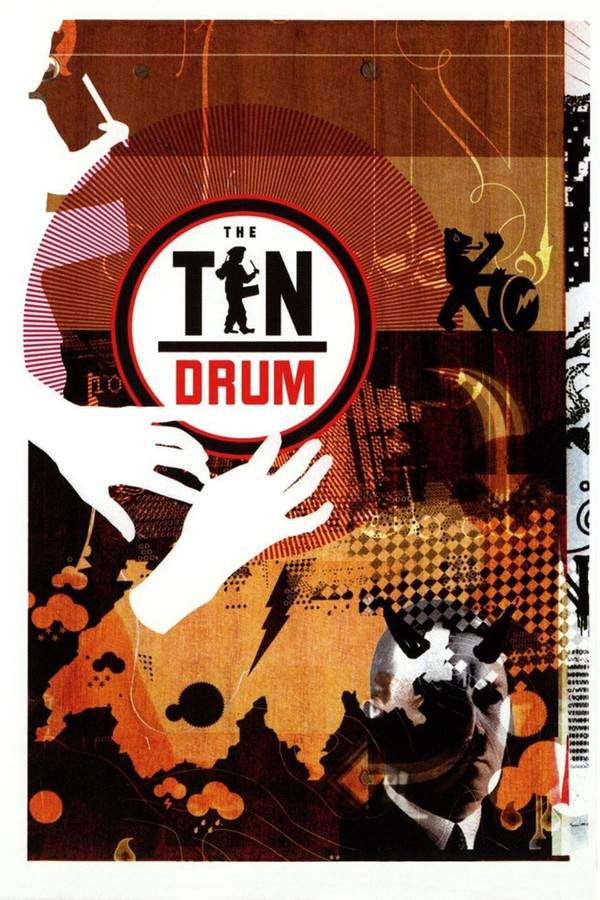
The Tin Drum (1980) movie poster

Timeline

The Tin Drum (1980) Timeline Explained – Every Event in Order

Release, runtime and language
1980 · 142 min · German
Loading streaming availability…
Directed by
Volker Schlöndorff
Starring
Daniel Olbrychski, David Bennent, Andréa Ferréol, Angela Winkler, Berta Drews, Katharina Thalbach

In this haunting drama, Oskar Matzerath, an extraordinary boy, decides to remain a child rather than enter the world as an adult. His mother’s promise of a tin drum helps him achieve this, and he uses it to create a defiant rhythm against the backdrop of Nazi-occupied Danzig. As the city descends into chaos, Oskar’s drumming becomes a powerful symbol of rebellion against the hypocrisy and injustice surrounding him, challenging the adult world’s destructive path.

On this page (6)
  1. 1 Where to watch
  2. 2 Events in order (13)
  3. 3 Timeline questions answered
  4. 4 The book behind the movie
  5. 5 Movie threads
  6. 6 Every angle
Loading streaming availability…

13 events in order · contains spoilers

The Tin Drum Timeline: Events in Chronological Order

Every key event of The Tin Drum (1980) in order, scene by scene, with when and where it takes place. Use it to untangle flashbacks, time jumps and parallel storylines, to refresh your memory before the sequel or to find the exact scene you are thinking of.

  1. Oskar's Birth

    Oskar Matzerath is born in 1924 in the Free City of Danzig, which is present-day Gdańsk, Poland. His unusual perspective on life is rooted in his belief that his spiritual development is complete at birth, leading him to maintain a childlike demeanor despite his adult understanding of the world around him.

    When
    1924
    Where
    Free City of Danzig
  2. The Proclamation of Grocer

    At a young age, Oskar overhears his father, Alfred Matzerath, proclaiming that he will become a grocer. Disturbed by this vision for his future, Oskar resolves never to mature, further entrenching his desire to remain in a childlike state.

  3. The Gift of the Tin Drum

    For his third birthday, Oskar receives a toy tin drum, which he cherishes above all else. This drum symbolizes his refusal to grow up, and he often acquires replacements when he exhausts the original through enthusiastic play.

  4. War and Performance

    During World War II, Oskar becomes part of a troupe of performers, consisting of dwarfs who entertain German soldiers at the front lines. This experience immerses him in the chaos of war while highlighting the surreal juxtaposition of innocence amidst violence.

    Where
    War Front
  5. Loss of Roswitha

    Oskar falls in love with Roswitha, a small-statured woman, who tragically loses her life when Allied forces bomb the location during the Normandy invasion. This devastating event prompts Oskar to return to his family in Danzig, marked by grief and turmoil.

    Where
    Normandy
  6. Death of Alfred Matzerath

    As the Red Army invades Danzig, Oskar's father, Alfred, attempts to hide his affiliation with the Nazi Party. In a desperate moment, he tries to swallow his party pin, which leads to his untimely execution by invading soldiers, haunting Oskar with guilt and a sense of loss.

    Where
    Danzig
  7. Moving to Düsseldorf

    Post-war, Oskar and his widowed stepmother, Maria, along with their son Kurt, are forced to leave Danzig, now regained by Poland. They start anew in Düsseldorf, illustrating the displacement and struggles faced by many after the war.

    Where
    Düsseldorf
  8. Separation from Maria and Kurt

    In Düsseldorf, rising tensions lead Oskar to separate from Maria and step away from his familial responsibilities toward Kurt. He moves into a flat owned by the Zeidlers, seeking to redefine his existence amidst a backdrop of change.

    Where
    Düsseldorf
  9. Love for Sister Dorothea

    In his new flat, Oskar develops feelings for Sister Dorothea, a neighboring woman. However, despite his efforts to win her over, he ultimately fails to gain her affection, signifying the complexities of love and rejection in his life.

  10. Formation of the Rhine River Three

    After a chance encounter with fellow musician Klepp, Oskar breaks his vow of silence and plays his drum. This impulsive act leads to the formation of the Rhine River Three, a jazz band that showcases Oskar's talent and reignites his passion for music.

  11. Rise to Fame

    With the newfound success of the Rhine River Three, Oskar catches the attention of a talent scout who offers him a lucrative recording contract. This milestone marks a significant turn in Oskar’s life as he basks in the glory of fame and wealth.

  12. Discovery of Dorothea's Finger

    While walking through a field, Oskar comes across the severed ring finger of Sister Dorothea, indicating her grisly fate. This shocking discovery plunges him into emotional turmoil and compels him to reflect on the consequences of conflict and loss.

  13. Conviction for Murder

    In a tragic turn, Oskar allows himself to be wrongfully convicted of Sister Dorothea's murder. This act of self-sacrifice leads him to be confined in an asylum, where he begins to pen his memoirs, unraveling the tapestry of his extraordinary life.

    Where
    Asylum

Last updated: November 16, 2024 at 14:42

Was this helpful?

Timeline questions answered

The Tin Drum Timeline Explained: Your Questions Answered

When does it happen, and why in that order? The questions people ask about the chronology of The Tin Drum (1980): time jumps, flashbacks, cause and effect between scenes and the correct order of events, each answered with spoilers.

Q1

Why does Oskar decide to remain a child forever?

Oskar decides never to grow up after overhearing his father Alfred declare that he will become a grocer. This prospect so disturbs him that he resolves to stay frozen at age three. His tin drum becomes both a symbol and a tool of this rebellion, allowing him to maintain his childlike state while possessing adult understanding.

Foreshadowing: Oskar's third birthday gift of the tin drum foreshadows his lifelong commitment to remaining a child.

  • oskar matzerath
  • tin drum
  • refuses to grow
  • childlike state
  • motivation
Q2

Who are Oskar's two fathers and why does it matter?

Oskar has two presumptive fathers: Alfred Matzerath, his mother's husband who is a Nazi Party member, and Jan Bronski, his mother's cousin and lover who is Polish. This dual paternity creates confusion about Oskar's true identity and loyalty, especially as Jan is executed defending the Polish Post Office during Germany's invasion.

  • alfred matzerath
  • jan bronski
  • fathers
  • paternity
  • polish post office
Q3

Why does Oskar feel responsible for his fathers' deaths?

Oskar carries deep guilt because he directly contributed to both men's fates. He led Jan to the Polish Post Office for drum repairs, which resulted in Jan's execution. During Soviet interrogation, he returned Alfred's Nazi pin, which led to his father's execution when he tried to swallow it to hide his Nazi affiliation.

Foreshadowing: Oskar's earlier trips to repair his drum at the post office set in motion the events that lead to Jan's death.

  • guilt
  • alfred death
  • jan death
  • responsibility
  • execution
Q4

What happens to Roswitha and why does Oskar return to Danzig?

Roswitha was Oskar's lover in the dwarf troupe, and she was killed during the Normandy invasion when Allied forces bombed their location. This devastating loss prompts Oskar to return to his family in Danzig, where he joins the Edelweiss Pirates, a gang of rebellious youths.

Foreshadowing: Oskar's romantic involvement with Roswitha establishes his pattern of seeking connection through relationships with other small-statured people.

  • roswitha
  • normandy
  • dwarf troupe
  • death
  • return to danzig
Q5

Why does Oskar join the troupe of dwarf performers?

During World War II, Oskar becomes part of a traveling troupe of dwarfs who entertain German soldiers at the front lines. This group provides him a sense of belonging among others who are marginalized and physically different, allowing him to exist in a liminal space between childhood and adulthood.

  • dwarf troupe
  • war
  • performers
  • entertainment
  • front lines
Q6

Why does Oskar let himself be wrongfully convicted of Dorothea's murder?

When Oskar discovers Dorothea's severed finger in a field, he is devastated. Believing he may have caused her death through his earlier rejection of her, Oskar chooses to take the blame for her murder as a form of self-punishment. He allows himself to be convicted and sent to an asylum, where he begins writing his memoirs.

Foreshadowing: Oskar's earlier failure to win Dorothea's affection plant seeds for his later self-destructive behavior.

  • sister dorothea
  • murder conviction
  • asylum
  • self-sacrifice
  • finger
Q7

How does Alfred Matzerath die and what leads to it?

As the Red Army invades Danzig, Alfred attempts to hide his Nazi Party membership by trying to swallow his party pin. However, Soviet soldiers discover his identity and execute him. Oskar feels guilty because he had returned the pin to Alfred during an interrogation, enabling this chain of events.

Foreshadowing: Alfred's nervous behavior regarding his Nazi membership earlier in the film hints at his ultimate fate.

  • alfred matzerath
  • red army
  • execution
  • swallowing pin
  • soviet soldiers
Q8

How does Oskar form the Rhine River Three jazz band?

After moving to Düsseldorf, Oskar meets fellow musician Klepp, who challenges his musical authority. In response, Oskar breaks his vow never to drum since Alfred's death and plays his tin drum. This leads to forming the Rhine River Three with Klepp and Scholle, eventually gaining fame performing at the Onion Cellar club.

Foreshadowing: Oskar's vow to stop drumming after Alfred's death creates tension that eventually breaks when he meets Klepp.

  • klepp
  • rhine river three
  • jazz band
  • onion cellar
  • drumming comeback
Q9

What is Oskar's special scream used for?

Oskar possesses an extraordinary shriek capable of breaking glass. He uses this power both as a form of defense and as a way to assert his will against adults. The scream represents his only truly individual power that sets him apart, functioning as both a weapon and a means of maintaining his childlike identity.

  • scream
  • breaking glass
  • defense
  • supernatural power
  • childlike
Q10

Why does Oskar leave Maria and Kurt in Düsseldorf?

Rising tensions in post-war Düsseldorf lead Oskar to separate from Maria and abandon his familial responsibilities toward Kurt, who continues to grow despite Oskar's desire for him to remain a child. Oskar moves into a flat owned by the Zeidlers, seeking to escape his previous life and find a new identity.

Foreshadowing: Oskar's frustration that Kurt refuses to stay a child like him foreshadows his decision to leave the family.

  • maria
  • kurt
  • separation
  • düsseldorf
  • leaving family
Q11

What happens to Sister Dorothea?

Sister Dorothea is Oskar's neighbor in Düsseldorf whom he develops feelings for, though she rejects his advances. Later, Oskar discovers her severed ring finger in a field, revealing she has been murdered. Her grisly death remains somewhat mysterious, though it leads to Oskar's wrongful conviction.

  • sister dorothea
  • neighbor
  • murder
  • severed finger
  • rejection
Q12

Why does Oskar begin writing his memoirs in the asylum?

After allowing himself to be wrongfully convicted of Dorothea's murder, Oskar is confined to a mental hospital. From there, he begins chronicling his extraordinary life story, recounting the events from his birth in 1924 through his various loves, losses, and the turbulent backdrop of World War II and post-war Germany.

  • memoirs
  • asylum
  • writing
  • confession
  • life story
Q13

What happens to Kurt and why does this upset Oskar?

Kurt is the son born to Maria after she marries Alfred. Oskar claims Kurt as his son despite the biological ambiguity. However, Kurt continues to grow normally, which devastates Oskar because Kurt refuses to join him in remaining eternally a child at age three. This rejection symbolizes Oskar's ultimate isolation in his childlike rebellion.

  • kurt
  • maria
  • son
  • growth
  • rejection of childlike state
Q14

Why is Oskar confined to a mental hospital?

Oskar ends up in a mental hospital because he voluntarily confesses to murdering Sister Dorothea, despite being innocent. This act of self-sacrifice stems from his belief that he caused her death and his overwhelming guilt over his past actions. The narrative frames his confinement as occurring between 1952 and 1954.

  • mental hospital
  • asylum
  • confinement
  • 1952
  • confession
Q15

How does Maria become Oskar's first lover?

After Oskar's mother dies, Alfred marries Maria. Oskar, despite his childlike body, engages in a romantic relationship with Maria, making her his first lover. The dynamics of their relationship reflect the film's exploration of Oskar's unusual position between childhood and adulthood.

  • maria
  • lover
  • alfred marriage
  • first love
  • relationship

Movie threads

More Movies Like The Tin Drum, by Mood & Story

Curated lists built around what makes The Tin Drum tick: the same mood, the same kind of story or the same emotional payoff. Each list explains why these movies belong together.

Allegorical Stories of Historical Trauma like The Tin Drum

Surreal stories that use metaphor to explore the weight of history. Discover movies like The Tin Drum that use allegory to process history. If you enjoyed its surreal take on wartime trauma, you'll find similar films where bizarre narratives serve as powerful political and social metaphors.

  • allegorical
  • surreal
  • historical
  • grotesque
  • melancholic
  • defiant
  • Tone: dark, grotesque, melancholic
  • Pacing: steady, episodic
Why these movies?

The story pattern: Stories in this thread unfold through a symbolic lens, often following a single character whose unusual journey represents a larger societal conflict. The plot is driven by metaphor, blending the grotesque and the real to challenge viewers' understanding of history.

Why they belong together: They are grouped together by their shared approach of using surrealism and allegory to process complex historical events, creating a unique blend of intellectual depth and emotional devastation.

Movies about Defiant Outsiders like The Tin Drum

Characters who rebel against a society they refuse to join. Find films similar to The Tin Drum featuring characters who defy societal expectations. If you were fascinated by Oskar's refusal to grow up, explore other stories of rebellion against authority and the crushing weight of conformity.

  • rebellious
  • defiant
  • absurdist
  • fatalistic
  • oppressive
  • melancholic
  • Tone: dark, rebellious, fatalistic
  • Pacing: steady, character-driven
Why these movies?

The story pattern: The narrative follows a central character who chooses a path of radical non-conformity, from refusing to grow up to rejecting societal roles. Their journey is marked by a constant, often symbolic, struggle against the pressures of a corrupt or collapsing world around them.

Why they belong together: They share a core focus on a protagonist's defiant rejection of societal norms, creating a similar mood of rebellious melancholy and a critique of the adult world's destructive tendencies.

Every angle

The Tin Drum (1980) Explained: Plot, Timeline & Characters

Everything about The Tin Drum in one place: what happens in the plot summary, the timeline in chronological order, the characters and meaning and a spoiler-free summary. What's After the Movie adds the cast, box office and post-credit scenes.

Coming soon on iOS and Android

The Plot Explained Movie Summary App

Plot summaries, endings explained and timelines on your phone. Catch up on any movie in minutes, save your favorites and never miss a twist again.

Be the first to know when we launch. Your email stays private, always.

Learn more about the app