Plot Explained Spoilers guaranteed!
Plot Explained

Browse by genre

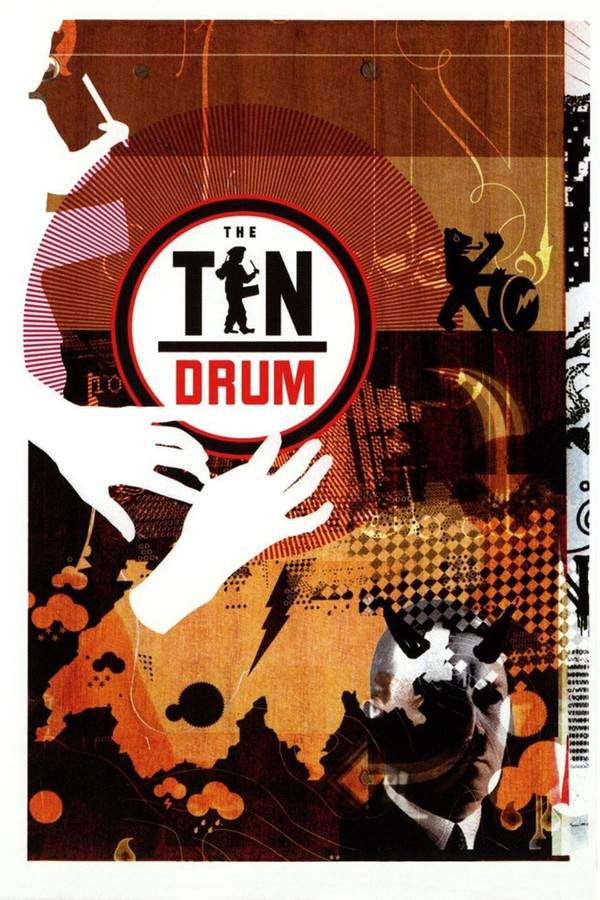
The Tin Drum (1980) movie poster

Characters & Themes

The Tin Drum (1980) Characters, Setting & Themes Explained

Release, runtime and language
1980 · 142 min · German
Loading streaming availability…
Directed by
Volker Schlöndorff
Starring
Daniel Olbrychski, David Bennent, Andréa Ferréol, Angela Winkler, Berta Drews, Katharina Thalbach

In this haunting drama, Oskar Matzerath, an extraordinary boy, decides to remain a child rather than enter the world as an adult. His mother’s promise of a tin drum helps him achieve this, and he uses it to create a defiant rhythm against the backdrop of Nazi-occupied Danzig. As the city descends into chaos, Oskar’s drumming becomes a powerful symbol of rebellion against the hypocrisy and injustice surrounding him, challenging the adult world’s destructive path.

On this page (8)
  1. 1 Where to watch
  2. 2 Characters explained (4)
  3. 3 Where & when it takes place
  4. 4 Themes & meaning (3)
  5. 5 Character & meaning questions
  6. 6 The book behind the movie
  7. 7 Movie threads
  8. 8 Every angle
Loading streaming availability…

4 main characters · contains spoilers

The Tin Drum Characters Explained: Who Is Who

The main characters of The Tin Drum (1980), heroes and villains: what drives them, how they change over the course of the story and what each of them reveals about the film's bigger ideas.

  • Oskar Matzerath

    Oskar is a complex character, embodying the innocence of childhood while possessing the intellect of an adult. His decision to not grow up serves as a powerful statement of defiance against a tumultuous world. Throughout the film, he grapples with loss, love, and the consequences of his actions, ultimately seeking redemption through his music.

    • 👶 Childhood
    • 🎸 Musician
  • Alfred Matzerath

    played by Daniel Olbrychski

    Alfred is Oskar's biological father and a member of the Nazi Party, representing the moral and ethical conflicts that arise during wartime. His fate serves as a turning point for Oskar, intensifying the young man's feelings of guilt and responsibility. Alfred embodies the complexities of family dynamics against a backdrop of political upheaval.

    • 👨‍👦 Family
    • 🇩🇪 History
  • Maria

    played by Andréa Ferréol

    Maria, Oskar’s mother and a figure of nurturing amid chaos, becomes another source of conflict in his life. She represents the intersection of love and loss, especially after she marries Alfred, creating a complicated family dynamic. Oskar's infatuation with her reveals his longing for connection in a fractured world.

    • ❤️ Love
    • 👩‍👦 Relationships
  • Sister Dorothea

    Sister Dorothea is a captivating figure in Oskar's life, embodying both affection and tragedy. Her ultimate demise marks a significant turning point for Oskar, reinforcing his feelings of helplessness and guilt. Her character serves as a catalyst for Oskar's internal crisis and his eventual self-sacrifice.

    • 😇 Innocence
    • 💔 Tragedy

Last updated: October 22, 2024 at 21:33

Was this helpful?

Setting

Where and When Does The Tin Drum Take Place?

The setting of The Tin Drum (1980): the year and time period, the places and locations, and how they shape the characters, the mood and the tension of the story.

Time period

1952-1954, World War II era

The narrative spans from 1952 to 1954, in a post-war context where Europe is grappling with the aftereffects of World War II. This era was marked by significant social upheaval and existential questions, as former soldiers and civilians alike sought to navigate the devastation left behind. Post-war recovery also saw the rise of new cultural movements as individuals like Oskar struggled to find their place in a transformed society.

Location

Free City of Danzig, Düsseldorf

The Free City of Danzig, now known as Gdańsk, Poland, is a historically significant city that served as a focal point during World War II. It was marked by cultural and ethnic diversity, experiencing immense upheaval during the war. Düsseldorf, on the other hand, is known for its modern architecture and vibrant arts scene, providing a contrasting backdrop to the challenges faced by Oskar post-war.

  • 🌍 Locations
  • 🏘️ Cities

Last updated: October 22, 2024 at 21:33

Was this helpful?

3 major themes

The Tin Drum Meaning: Themes & Message Explained

What is The Tin Drum (1980) really about? The emotional, social and philosophical themes the film keeps returning to, its symbolism and the message beneath the surface.

  • Childhood vs. Adulthood

    The film explores the theme of childhood versus adulthood through Oskar's refusal to grow up. His determination to remain a child despite the horrific realities of war illustrates a profound psychological struggle and a desire for innocence in a chaotic world. This theme is deeply intertwined with his identity and experiences, making it a central focus of the narrative.

  • Loss and Guilt

    Loss and guilt echo throughout the film, highlighted by Oskar's relationships with his father figures and their tragic fates. His feelings of responsibility for their deaths loom large, shaping his character and actions. This theme underscores the emotional weight of war, the fragility of human connections, and the way trauma is internalized.

  • Music and Expression

    Music serves as a vital form of expression for Oskar, reflecting his internal struggles and desire to connect with others. His drumming becomes a metaphor for both his creativity and coping mechanism, allowing him to navigate the turbulent experiences of his life. The development of the Rhine River Three jazz band symbolizes his quest for identity and belonging in a changing world.

Last updated: October 22, 2024 at 21:33

Was this helpful?

Character & theme questions

The Tin Drum Characters & Meaning: Your Questions Answered

The questions people ask about The Tin Drum (1980): who the characters really are, their relationships, what the symbols mean, where it takes place and what the movie is really about. Each answer contains spoilers.

Q1

Where is The Tin Drum set?

The film takes place primarily in the Free City of Danzig (modern-day Gdańsk, Poland), a historically significant city that was a focal point during World War II. Later portions of the story shift to Düsseldorf. The contrast between Danzig's war-torn history and Düsseldorf's modern architecture underscores the transformation of post-war Germany.

  • danzig
  • gdansk
  • setting
  • location
  • free city
Q2

When does The Tin Drum take place?

The narrative primarily spans 1952 to 1954, set in the post-World War II era. However, the story references events from the 1920s through the 1950s, covering the Nazi occupation of Danzig through the post-war recovery period. This extended timeline allows the film to explore how war trauma continues to shape characters decades later.

  • 1952
  • 1954
  • post-war
  • world war 2
  • timeline
  • era
Q3

Who is Oskar Matzerath?

Oskar Matzerath is the film's protagonist, a boy who decides to remain a child forever as an act of defiance against the adult world's hypocrisy and the horrors of Nazi Germany. Despite his child body, he possesses adult-level intellect. His tin drum becomes both a symbolic weapon and a coping mechanism, representing his refusal to accept the corrupted adult world.

  • oskar matzerath
  • protagonist
  • main character
  • child
Q4

What is the childhood vs adulthood theme in The Tin Drum?

The film explores childhood versus adulthood through Oskar's deliberate refusal to grow up. His choice represents a powerful protest against the moral corruption of the adult world, particularly the Nazi era. By remaining a child, Oskar attempts to preserve innocence amid the chaos and atrocities of war, though this refusal ultimately leads to psychological isolation and tragedy.

  • childhood
  • adulthood
  • growth
  • innocence
  • rebellion
  • maturity
Q5

What role does music play in The Tin Drum?

Music, particularly Oskar's drumming, serves as his primary form of expression and survival mechanism throughout the film. His drumming functions as both a metaphorical shield against the adult world and a way to process trauma. Later, his involvement with the Rhine River Three jazz band represents his search for identity and belonging in post-war society.

  • drum
  • music
  • jazz
  • expression
  • drumming
  • band
  • rhythm
Q6

How does loss and guilt function in The Tin Drum?

Loss and guilt are central to the film, primarily through Oskar's complicated relationships with his father figures. His biological father Alfred and subsequent stepfather both meet tragic ends that Oskar feels responsible for. This theme underscores the emotional devastation of war, how trauma passes between generations, and the way guilt shapes a person's identity long after the fighting ends.

  • loss
  • guilt
  • trauma
  • father
  • death
  • responsibility
Q7

Who is Alfred Matzerath in The Tin Drum?

Alfred Matzerath is Oskar's biological father and a member of the Nazi Party, representing the moral conflicts that ordinary people faced during wartime. His presence highlights the intersection of family trauma with political upheaval. His fate becomes a pivotal turning point that intensifies Oskar's lifelong struggle with guilt and responsibility.

  • alfred matzerath
  • father
  • Nazi
  • parent
  • family
Q8

Who is Maria in The Tin Drum?

Maria is Oskar's mother, representing nurturing and love amid the chaos of war and family breakdown. After marrying Alfred, she becomes central to Oskar's emotional world. Their complicated relationship, including Oskar's later infatuation with her, illustrates his longing for connection and his inability to navigate adult emotional relationships.

  • maria
  • mother
  • family
  • love
  • relationships
Q9

What is Sister Dorothea's role in The Tin Drum?

Sister Dorothea is a significant figure in Oskar's life who represents both affection and tragedy. Her relationship with Oskar is complex, mixing genuine connection with the broader themes of loss that permeate the film. Her ultimate fate becomes another catalyst for Oskar's guilt and psychological crisis, reinforcing his feelings of helplessness.

  • sister dorothea
  • nun
  • character
  • relationship
Q10

Why is Danzig important in The Tin Drum?

Danzig (now Gdańsk) was the Free City of Danzig, a semi-autonomous city with significant cultural and ethnic diversity that became a flashpoint before and during World War II. Setting the film there allows it to explore the specific horrors of Nazi occupation in a real historical location, while the city's transformation reflects the broader changes happening across Europe during this period.

  • danzig
  • gdansk
  • world war 2
  • history
  • germany
  • poland
Q11

What is the tone and style of The Tin Drum?

The Tin Drum features a dark, surreal, and often grotesque tone that blends magical realism with the harsh realities of war. The film uses absurdist elements not to lighten the subject matter but to heighten its grim impact. This style reflects the psychological distortion of its narrator and allows the film to explore traumatic history through a uniquely Eastern European lens.

  • surreal
  • dark
  • tone
  • style
  • grotesque
  • magical realism

Movie threads

More Movies Like The Tin Drum, by Mood & Story

Curated lists built around what makes The Tin Drum tick: the same mood, the same kind of story or the same emotional payoff. Each list explains why these movies belong together.

Allegorical Stories of Historical Trauma like The Tin Drum

Surreal stories that use metaphor to explore the weight of history. Discover movies like The Tin Drum that use allegory to process history. If you enjoyed its surreal take on wartime trauma, you'll find similar films where bizarre narratives serve as powerful political and social metaphors.

  • allegorical
  • surreal
  • historical
  • grotesque
  • melancholic
  • defiant
  • Tone: dark, grotesque, melancholic
  • Pacing: steady, episodic
Why these movies?

The story pattern: Stories in this thread unfold through a symbolic lens, often following a single character whose unusual journey represents a larger societal conflict. The plot is driven by metaphor, blending the grotesque and the real to challenge viewers' understanding of history.

Why they belong together: They are grouped together by their shared approach of using surrealism and allegory to process complex historical events, creating a unique blend of intellectual depth and emotional devastation.
Movies about Defiant Outsiders like The Tin Drum

Characters who rebel against a society they refuse to join. Find films similar to The Tin Drum featuring characters who defy societal expectations. If you were fascinated by Oskar's refusal to grow up, explore other stories of rebellion against authority and the crushing weight of conformity.

  • rebellious
  • defiant
  • absurdist
  • fatalistic
  • oppressive
  • melancholic
  • Tone: dark, rebellious, fatalistic
  • Pacing: steady, character-driven
Why these movies?

The story pattern: The narrative follows a central character who chooses a path of radical non-conformity, from refusing to grow up to rejecting societal roles. Their journey is marked by a constant, often symbolic, struggle against the pressures of a corrupt or collapsing world around them.

Why they belong together: They share a core focus on a protagonist's defiant rejection of societal norms, creating a similar mood of rebellious melancholy and a critique of the adult world's destructive tendencies.

Every angle

The Tin Drum (1980) Explained: Plot, Timeline & Characters

Everything about The Tin Drum in one place: what happens in the plot summary, the timeline in chronological order, the characters and meaning and a spoiler-free summary. What's After the Movie adds the cast, box office and post-credit scenes.

Coming soon on iOS and Android

The Plot Explained Movie Summary App

Plot summaries, endings explained and timelines on your phone. Catch up on any movie in minutes, save your favorites and never miss a twist again.

Be the first to know when we launch. Your email stays private, always.

Learn more about the app