Plot Explained Spoilers guaranteed!
Plot Explained

Browse by genre

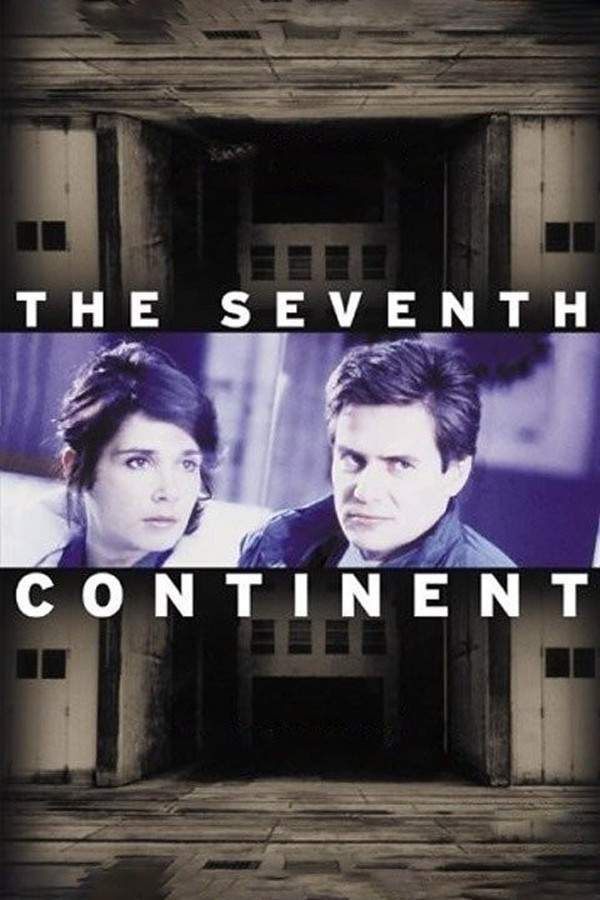
The Seventh Continent (1989) (1) movie poster

Characters & Themes

The Seventh Continent (1989) (1) (1) Characters, Setting & Themes Explained

Release, runtime and language
1 · 1 h 48 m · German
Loading streaming availability…
Directed by
Michael Haneke
Starring
Georg Friedrich, Udo Samel, Meat Loaf, Birgit Doll, Dieter Berner, Leni Tanzer

A seemingly ordinary European family meticulously prepares to emigrate to Australia, but beneath the surface of their idyllic life lies a disturbing secret. Small, unsettling incidents hint at a deeper turmoil, gradually revealing a shocking truth about their past and the reasons for their planned escape. The family's carefully constructed facade of normalcy begins to crumble as the reality of their situation is exposed.

On this page (7)
  1. 1 Where to watch
  2. 2 Characters explained (3)
  3. 3 Where & when it takes place
  4. 4 Themes & meaning (3)
  5. 5 Character & meaning questions
  6. 6 Movie threads
  7. 7 Every angle
Loading streaming availability…

3 main characters · contains spoilers

The Seventh Continent (1989) Characters Explained: Who Is Who

The main characters of The Seventh Continent (1989) (1), heroes and villains: what drives them, how they change over the course of the story and what each of them reveals about the film's bigger ideas.

  • Georg (Georg Friedrich)

    Georg is portrayed as a conflicted individual grappling with existential questions about life and purpose. His character represents the tension between societal expectations and personal desires, culminating in his tragic decision. As the patriarch, he embodies both the weight of responsibility and the lure of escape, making his fate profoundly poignant.

    • 👨‍👩‍👧‍👦 Family Man
    • 🔍 Seeker
  • Anna (Leni Tanzer)

    Anna is depicted as a deeply introspective character who shares in Georg's discontent with their life. She represents the emotional core of the family, revealing vulnerability as they navigate their tumultuous journey. Her letters and reflections provide insight into their struggles and the complexities of familial love during their darkest moments.

    • 💌 Letter Writer
    • 😢 Emotional
  • Eva

    Eva serves as a pivotal character whose bravery in the face of death profoundly impacts Georg and Anna’s decisions. Her fearless attitude embodies the central theme of confronting life's harsh realities. Eva's character amplifies the emotional stakes, making the family's choice to include her in their radical plans even more tragic.

    • ❤️ Brave
    • 🌈 Light

Last updated: October 22, 2024 at 23:31

Was this helpful?

Setting

Where and When Does The Seventh Continent (1989) Take Place?

The setting of The Seventh Continent (1989) (1): the year and time period, the places and locations, and how they shape the characters, the mood and the tension of the story.

Time period

1987-1989

Set against the backdrop of the late 1980s, this time period reflects a global angst that resonates with the story's themes of disillusionment and existential crisis. The characters grapple with the pressures of modern life, ultimately leading them to consider the extreme act of abandoning societal norms. This era is marked by a yearning for freedom and a rejection of materialism, epitomized by their radical choices.

Location

Australia

The movie notably shifts focus to Australia, representing a place of new beginnings for the family, albeit juxtaposed with their drastic departure from their former lives. It serves as both a literal and metaphorical destination, illustrating their desire to escape the confines of their mundane existence. The notion of 'home' takes on a new meaning as they leave behind everything that once defined them.

  • 🌍 Destination
  • 📦 Family Home

Last updated: October 22, 2024 at 23:31

Was this helpful?

3 major themes

The Seventh Continent (1989) Meaning: Themes & Message Explained

What is The Seventh Continent (1989) (1) really about? The emotional, social and philosophical themes the film keeps returning to, its symbolism and the message beneath the surface.

  • Existential Struggle

    The film explores profound themes of existential despair and the quest for meaning in a seemingly sterile world. It dives deep into the psyche of the characters as they confront their emotions and the emptiness of their daily lives. Their ultimate decision to obliterate their material possessions symbolizes a rejection of societal expectations, leading them to tragic outcomes.

  • Destruction and Release

    Destruction serves as a pivotal theme in the narrative, representing both a physical and emotional purging. The family's methodical dismantling of their belongings highlights a desperate search for liberation from the past. This unsettling detachment during the destruction acts as a metaphor for their internal struggles, hinting at the deep-seated pain they seek to escape.

  • Tragic End

    The narrative crescendos towards a tragic finale, underscoring themes of despair and irrevocable loss. The family's decision to end their lives reflects the darkest aspects of their struggles, amplifying the emotional weight of the story. It raises poignant questions about the boundaries of love, sacrifice, and the quest for peace in the face of overwhelming turmoil.

Last updated: October 22, 2024 at 23:31

Was this helpful?

Character & theme questions

The Seventh Continent (1989) Characters & Meaning: Your Questions Answered

The questions people ask about The Seventh Continent (1989) (1): who the characters really are, their relationships, what the symbols mean, where it takes place and what the movie is really about. Each answer contains spoilers.

Q1

Where does the film take place?

The film depicts a European family preparing to emigrate to Australia. The primary setting is their European home, which represents their current life of material comfort and social conformity. Australia serves as the destination, a place of new beginnings that contrasts with the emptiness they feel in their current existence.

  • setting
  • australia
  • europe
  • emigration
  • destination
Q2

What time period is the film set in?

The film is set in the late 1980s, specifically between 1987-1989. This era was marked by global angst and a broader sense of disillusionment with modern life, which directly informs the characters' feelings of alienation and their radical decision to reject societal expectations and materialist values.

  • 1980s
  • time period
  • 1987
  • 1989
  • era
  • modern life
Q3

What are the main themes explored in the film?

The film explores three interconnected themes: existential despair and the search for meaning in a sterile world; destruction and release as a physical and emotional purging from societal expectations; and a tragic finale that examines the boundaries of love, sacrifice, and the quest for peace. The family seeks liberation from their internal struggles through the complete dismantling of their material lives.

  • existential despair
  • destruction
  • tragedy
  • themes
  • meaning
  • sacrifice
Q4

What does Australia represent in the story?

Australia represents both a literal and metaphorical destination, a place of new beginnings where the family hopes to escape the confines of their mundane existence. However, the film suggests their departure is less about starting fresh and more about escaping their current lives entirely, making Australia a symbol of their desperate yearning for freedom rather than a true solution to their existential crisis.

  • australia
  • new beginnings
  • escape
  • destination
  • symbolism
  • hope
Q5

Who are the main characters in the film?

The central characters are Georg, the patriarch who grapples with existential questions and represents the tension between societal expectations and personal desires; Anna, his introspective wife who serves as the emotional core of the family and shares his discontent; and Eva, their daughter whose bravery in confronting death profoundly impacts the family's decisions. Together, they embody the family's collective breakdown.

  • georg
  • anna
  • eva
  • characters
  • family
  • patriarch
  • mother
  • daughter
Q6

What is the overall tone and atmosphere of the film?

The film has a deliberately bleak tone with no redemptive elements. The pacing is slow and methodical, reflecting the family's meticulous breakdown and the sense of inevitability that permeates the narrative. This creates a claustrophobic, oppressive atmosphere where a facade of normalcy is systematically dismantled to reveal profound nihilism and existential despair.

  • tone
  • atmosphere
  • bleak
  • slow pacing
  • nihilism
  • dread
  • oppressive
Q7

What does the film say about modern life and society?

The film presents a critical view of modern life in the late 1980s, suggesting that societal pressures and material expectations create a sterile, meaningless existence. The characters' decision to abandon their belongings symbolizes a complete rejection of materialism and conformity. The era's broader sense of disillusionment resonates with the family's extreme choice to abandon societal norms entirely.

  • modern life
  • society
  • materialism
  • conformity
  • 1980s
  • expectations
  • rejection
Q8

How does the setting contribute to the film's meaning?

The contrast between the family's European home and their planned destination of Australia highlights the central theme of escape. The European setting represents the life they are abandoning, comfortable but spiritually empty, while Australia symbolizes their hope for renewal. However, the film implies that geographic escape cannot resolve internal despair, making the setting a crucial element in conveying the story's message about the futility of seeking meaning through material change.

  • setting
  • europe
  • australia
  • escape
  • meaning
  • contrast
  • location
Q9

What does destruction represent in the narrative?

Destruction serves as both a physical and emotional purging in the film. The family's methodical dismantling of their belongings represents a desperate search for liberation from the past and from the weight of societal expectations. This unsettling detachment during destruction acts as a metaphor for their internal struggles, their desire to destroy not just objects, but the entire framework of their previous existence.

  • destruction
  • liberation
  • purging
  • belongings
  • metaphor
  • emotional release
Q10

How does the film portray family relationships?

The film portrays the family unit as both deeply connected and tragically bound together in their despair. Georg and Anna share a profound emotional bond rooted in their shared discontent, while Eva's courage in facing death influences their final decision. The family's collective choice reflects the extreme boundary of love and sacrifice, choosing to face their fate together rather than continue living in a world that offers them no meaning.

  • family
  • relationships
  • love
  • sacrifice
  • togetherness
  • bond
  • connection
Q11

What is the emotional weight of the film?

The film carries heavy emotional weight, dealing directly with themes of existential despair, alienation, and self-destruction. The narrative builds steadily toward a devastating climax with sustained, unsettling dread that permeates every scene. There is no redemption or catharsis, only the stark portrayal of a family's collapse under the weight of their own nihilism and the choices they make in search of peace.

  • emotional weight
  • despair
  • alienation
  • self-destruction
  • devastation
  • heavy
  • tragic

Movie threads

More Movies Like The Seventh Continent (1989), by Mood & Story

Curated lists built around what makes The Seventh Continent (1989) tick: the same mood, the same kind of story or the same emotional payoff. Each list explains why these movies belong together.

Slow burn despair movies like The Seventh Continent (1989)

Stories where a quiet life meticulously unravels into profound hopelessness. If you were captivated by the methodical pacing and devastating emotional journey of The Seventh Continent, this collection is for you. Discover movies with a similar slow burn structure, where a facade of normalcy is systematically dismantled, leading to profound existential despair and bleak conclusions.

  • bleak
  • methodical
  • oppressive
  • desperate
  • melancholic
  • psychological
  • Tone: bleak, melancholic, oppressive
  • Pacing: slow burn, deliberate, methodical
Why these movies?

The story pattern: Narratives in this thread often follow a similar downward spiral: they begin with a portrayal of ordinary, even mundane life, then gradually introduce subtle fractures. The true horror or tragedy isn't a sudden event, but the slow, methodical process of psychological breakdown or a planned act of self-destruction, making the ending feel both shocking and inevitable.

Why they belong together: These films are grouped together because they share a specific combination of extremely slow pacing, a consistently bleak tone, and high emotional intensity. They prioritize atmosphere and psychological unease over plot twists, creating a deeply immersive and oppressive viewing experience centered on existential crisis.

Movies about shattered normalcy like The Seventh Continent (1989)

Films that expose the dark secrets hiding beneath a picture-perfect life. Fans of The Seventh Continent who are fascinated by its theme of a perfect family life hiding a dark secret will find more gripping dramas here. Explore films where characters grapple with alienation and disintegration behind a mask of conformity, leading to heavy emotional consequences.

  • alienation
  • family disintegration
  • psychological
  • secretive
  • detached
  • unsettling
  • Tone: detached, bleak, tense
  • Pacing: steady, deliberate buildup
Why these movies?

The story pattern: The narrative pattern typically involves establishing a convincing, often idealized version of family or individual life. Through a series of small, unsettling revelations or a major climactic disclosure, this facade is completely destroyed. The story's power comes from the contrast between the initial calm and the final, devastating reveal of the truth.

Why they belong together: These movies are united by their focus on themes of alienation, family disintegration, and the psychological cost of maintaining appearances. They share a heavy emotional weight and often a detached, observational style that makes the eventual breakdown feel even more impactful and tragic.

Every angle

The Seventh Continent (1989) (1) Explained: Plot, Timeline & Characters

Everything about The Seventh Continent (1989) in one place: what happens in the plot summary, the timeline in chronological order, the characters and meaning and a spoiler-free summary. What's After the Movie adds the cast, box office and post-credit scenes.

Coming soon on iOS and Android

The Plot Explained Movie Summary App

Plot summaries, endings explained and timelines on your phone. Catch up on any movie in minutes, save your favorites and never miss a twist again.

Be the first to know when we launch. Your email stays private, always.

Learn more about the app