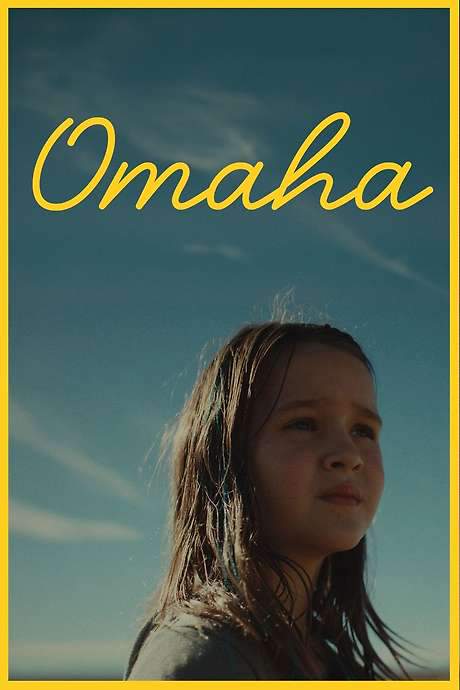
Martin, John Magaro, is a widowed father who wakes his two children, Ella Molly Belle Wright and Charlie Wyatt Solis, after their home is foreclosed, insisting they’re simply setting out on a road trip. At a roadside restaurant, he deliberately feeds their dog human food, much to Ella’s objection, and later has the dog put down at a SPCA shelter. The trip is supposed to be a fresh start, but the underlying tension is clear: financial strain, uncertain plans, and a father trying to keep his family together even as the world feels unstable.
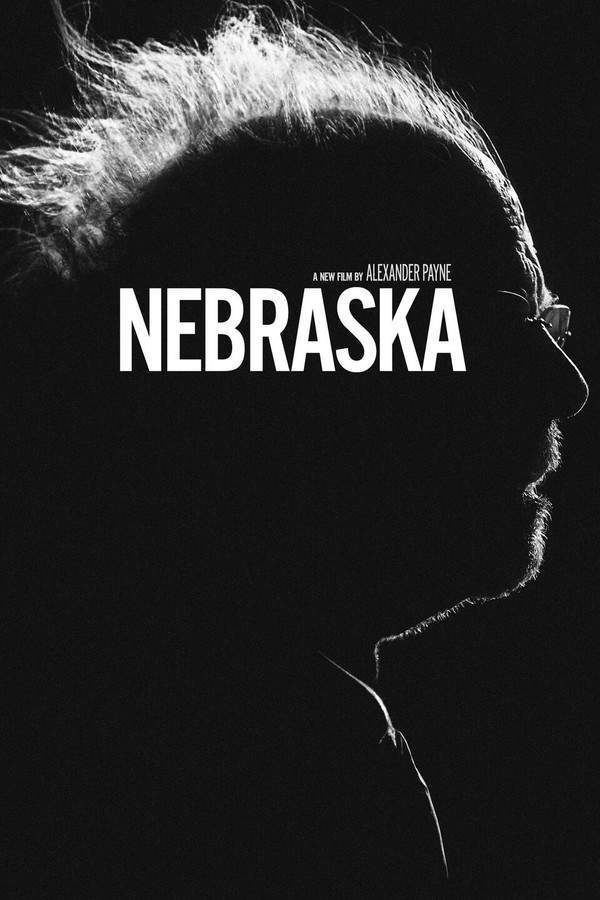
Martin reveals that their destination is Nebraska, a detail that hangs over every decision they make. A gas-station encounter with a woman who recommends visiting Omaha nudges Ella to ask for a zoo visit once they arrive; she yearns for a moment of normalcy amid the chaos, and the thought of seeing animals together gives them a fragile spark of hope. But Martin remains wary, his face tightened with a mix of resolve and doubt as the trip unfolds.
When they reach Omaha, they check into a motel, and Ella watches her father cry with a quiet, almost unspoken heartbreak. Despite the dwindling funds and the mounting pressure, Martin still drives them to the zoo, trying to offer a semblance of happiness to his children even as the road cracks the fragile shell of their family. The day gives way to a stark turn of events: that night, Martin takes the kids to a hospital and abandons them there, a moment that unsettles the balance between love and desperation that has sustained them up to this point.
The following morning, he awakens in his car and makes his way back to the hospital, where a nurse, Edie, [Talia Balsam] invites him inside to fill out paperwork and gently explains that social workers had already arrived and taken his children from the hospital. The quiet room, the rustle of papers, and the realization that the system has intervened create a heavy, reflective mood that lingers long after the credits would roll.
What unfolds is not just a personal story but a broader, unsettling lens on how families in crisis navigate choices under pressure. The film’s final notes pull back to a sobering historical context: in July 2008, Nebraska passed a safe-haven law that allowed the state to take in children who were abandoned by their parents. Crucially, the law did not specify an age, which led some parents to travel across state lines to drop off older children. The epilogue reveals that 35 children were abandoned in Nebraska before the law was rewritten, and none of them were infants. This real-world angle grounds the narrative in a troubling truth about the consequences of desperation and the limits of what a family can endure.
Throughout, the film maintains a quiet, observant tone that invites viewers to feel the weight of each decision rather than rush to judgment. The lens captures the small, intimate moments—the dog’s fate, Ella’s hopeful questions, Charlie’s presence beside his sister, and Martin’s exhausted, searching gaze—that together form a portrait of a family caught between love and circumstance. The performances underscore the ache of a father’s love stretched beyond its ordinary bounds, while the restrained screenplay anchors the story in lived experience rather than melodrama.
In the end, the movie leaves us with a difficult constellation of questions: What would it mean to rewrite a family’s map in the face of financial collapse and personal guilt? How far can a parent’s devotion stretch before it becomes a choice that cannot be undone? And what responsibilities do communities and laws bear when families are pushed into impossible situations? The film does not offer simple answers, but it does insist on bearing witness to the complex realities that shape people when hope collides with harsh reality, leaving a lasting impression about the fragility—and resilience—of family bonds.