Plot Explained Spoilers guaranteed!
Plot Explained

Browse by genre

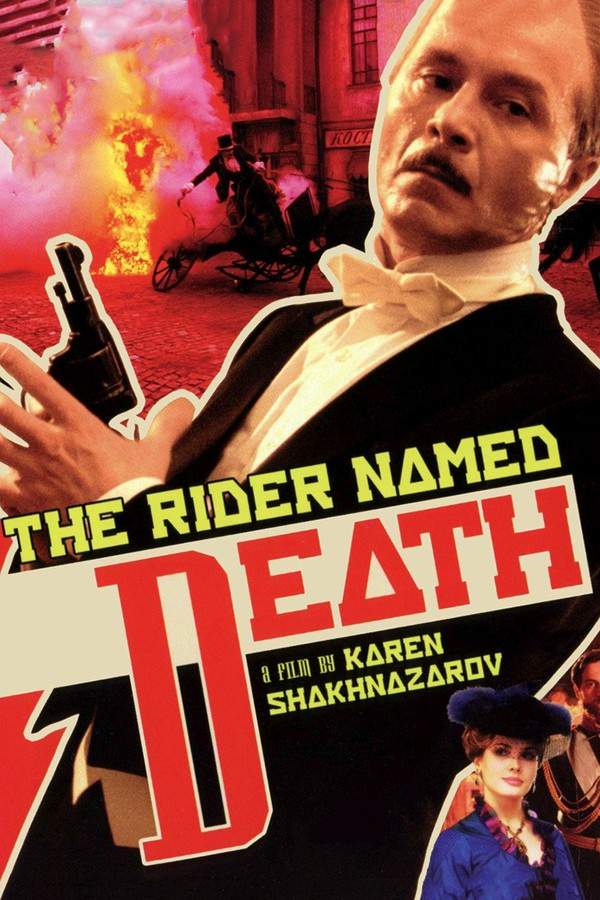
The Rider Named Death (2005) movie poster

Characters & Themes

The Rider Named Death (2005) Characters, Setting & Themes Explained

Release, runtime and language
2005 · 106 min · Russian
Directed by
Karen Shakhnazarov

In early 20th-century Russia, a band of rebels initiates a dangerous uprising against the oppressive ruling class. Armed and driven by a desire for change, they strategically target influential officials in a determined effort to ignite a revolution and reshape the nation's future.

On this page (8)
  1. 1 Characters explained (5)
  2. 2 Where & when it takes place
  3. 3 Themes & meaning (2)
  4. 4 Character & meaning questions
  5. 5 The book behind the movie
  6. 6 Movie threads
  7. 7 Movies like The Rider Named Death
  8. 8 Every angle

5 main characters · contains spoilers

The Rider Named Death Characters Explained: Who Is Who

The main characters of The Rider Named Death (2005), heroes and villains: what drives them, how they change over the course of the story and what each of them reveals about the film's bigger ideas.

  • George (Andrei Panin)

    George is a dedicated socialist leader driven by his passion to dismantle the monarchy. His character is marked by a deep sense of purpose, yet he grapples with the sacrifices demanded by his revolutionary ambitions. As events unfold, his character's conflicts and motivations reveal the complex interplay between personal desires and political convictions.

    • 🥇 Leader
    • 🔥 Revolutionary
    • 📖 Reflective
  • Erna (Kseniya Rapport)

    Erna serves as the group's bomb maker, characterized by her skill and turbulent emotional state due to her cocaine addiction. Her attraction to George adds layers to her character, blending vulnerability with rebellious spirit. Her struggles reflect the broader themes of personal chaos amidst revolutionary fervor.

    • 💣 Rebel
    • 🌪️ Chaotic
    • ❤️ Enigmatic
  • Fydor (Rostislav Bershauer)

    Fydor embodies the resentment felt by those affected by social inequality, making him a complex character fueled by his frustration. His critical view of the revolution's impact highlights the film's exploration of class struggle and systemic issues. His motivations are shaped by a desire for justice amidst suffering.

    • ⚖️ Justice-Seeker
    • 🤔 Resentful
    • 📉 Discontent
  • Vanya (Artem Semakin)

    Vanya is a fervent believer in the necessity of chaos for revolutionary success, representing the radical elements of the movement. His unwavering convictions make him both a driving force and a potential liability within the group's dynamics. His character explores the thin line between fanaticism and ideology.

    • 🔥 Radical
    • ⏳ Impulsive
    • ⚡ Passionate
  • Heinrich (Aleksey Kazakov)

    Heinrich stands out as a pragmatic thinker, often contemplating the philosophical implications of their revolutionary actions. His scholarly approach contrasts with the more impulsive characters, showcasing a different perspective on the struggle for change. He provides depth to the group's ideological conflicts.

    • 📚 Scholar
    • 🤔 Thoughtful
    • 🎓 Analytical

Last updated: October 22, 2024 at 19:25

Was this helpful?

Setting

Where and When Does The Rider Named Death Take Place?

The setting of The Rider Named Death (2005): the year and time period, the places and locations, and how they shape the characters, the mood and the tension of the story.

Time period

Turn of the Century

The film is set during a critical period in Russian history, characterized by widespread discontent and revolutionary fervor. This era saw the rise of socialist movements challenging the oppressive structures of the monarchy. Events unfold against a backdrop of societal upheaval, political intrigue, and the complexities of human ambition.

Location

Czar's Palace, Russia

The czar's palace serves as a significant backdrop in the film, representing the opulence and power of the monarchy at the turn of the century in Russia. It is a place where political power dynamics are palpable, with the brutal realities of revolution lurking just beneath the surface. The palace becomes a setting for pivotal events that spark a narrative of rebellion and change.

  • 🏛️ Historical
  • 🇷🇺 Russia

Last updated: October 22, 2024 at 19:25

Was this helpful?

2 major themes

The Rider Named Death Meaning: Themes & Message Explained

What is The Rider Named Death (2005) really about? The emotional, social and philosophical themes the film keeps returning to, its symbolism and the message beneath the surface.

  • Revolution

    Revolution is a central theme of the film, exploring the motivations and consequences of political upheaval. Characters grapple with their beliefs and the sacrifices required for change, highlighting the chaotic nature of pursuing ideals in a tumultuous society. The narrative reflects on the moral complexities and personal costs associated with revolutionary actions.

  • Sacrifice

    Sacrifice emerges as a poignant theme as characters navigate their commitment to their cause versus their personal relationships. George's journey emphasizes the emotional toll and consequences of revolutionary fervor, where personal stakes are often eclipsed by ideological ambitions. The film poignantly illustrates how noble intentions can lead to tragic outcomes.

Last updated: October 22, 2024 at 19:25

Was this helpful?

Character & theme questions

The Rider Named Death Characters & Meaning: Your Questions Answered

The questions people ask about The Rider Named Death (2005): who the characters really are, their relationships, what the symbols mean, where it takes place and what the movie is really about. Each answer contains spoilers.

Q1

Where is the film set?

The film is set in Russia, primarily at the Czar's Palace, which serves as a significant backdrop representing the opulence and power of the monarchy at the turn of the 20th century. The palace is depicted as a place where political power dynamics are palpable, with the brutal realities of revolution lurking beneath the surface.

  • czar's palace
  • russia
  • setting
  • location
  • monarchy
Q2

What historical period does the film depict?

The film is set during the turn of the 20th century in Russia, a critical period characterized by widespread discontent and revolutionary fervor. This era saw the rise of socialist movements challenging the oppressive structures of the monarchy, unfolding against a backdrop of societal upheaval and political intrigue.

  • turn of century
  • russian history
  • 1900s
  • revolutionary era
  • historical period
Q3

What is the main theme of the film?

Revolution is the central theme, exploring the motivations and consequences of political upheaval as characters grapple with their beliefs and the sacrifices required for change. The narrative reflects on the moral complexities and personal costs associated with revolutionary actions in a tumultuous society.

  • revolution
  • political upheaval
  • themes
  • ideals
  • revolutionary movement
Q4

Who is George in the story?

George is a dedicated socialist leader driven by his passion to dismantle the monarchy. He is marked by a deep sense of purpose but grapples with the sacrifices demanded by his revolutionary ambitions. His character's conflicts reveal the complex interplay between personal desires and political convictions.

  • george
  • socialist leader
  • revolutionary
  • protagonist
  • monarchy
Q5

What is Erna's role in the group?

Erna serves as the group's bomb maker, characterized by her skill and turbulent emotional state due to her cocaine addiction. Her attraction to George adds layers to her character, blending vulnerability with a rebellious spirit while her struggles reflect personal chaos amidst revolutionary fervor.

  • erna
  • bomb maker
  • cocaine addiction
  • revolutionary group
  • character role
Q6

How does the film portray sacrifice?

Sacrifice emerges as a poignant theme as characters navigate their commitment to their cause versus their personal relationships. George's journey emphasizes the emotional toll of revolutionary fervor, where personal stakes are often eclipsed by ideological ambitions, illustrating how noble intentions can lead to tragic outcomes.

  • sacrifice
  • emotional toll
  • personal relationships
  • tragic outcomes
  • revolutionary cost
Q7

Who are the main rebels in the group?

The main rebels include George as the idealistic leader, Erna as the skilled but emotionally unstable bomb maker, Fydor who embodies resentment from social inequality, Vanya as a fervent believer in chaos for revolutionary success, and Heinrich as a pragmatic thinker who contemplates the philosophical implications of their actions.

  • rebels
  • revolutionary group
  • characters
  • george
  • erna
  • fydor
  • vanya
  • heinrich
Q8

What motivates the revolutionaries?

The revolutionaries are motivated by a desire to dismantle the oppressive monarchy and reshape Russia's future. Their motivations range from ideological conviction and belief in chaos to personal resentment toward social inequality and scholarly contemplation of philosophical change.

  • motivation
  • revolutionaries
  • monarchy
  • social inequality
  • political change
Q9

What does the Czar's Palace represent in the film?

The Czar's Palace represents the opulence and power of the Russian monarchy and serves as a setting for pivotal events that spark the narrative of rebellion. It is depicted as a place where political power dynamics are most visible, with revolutionary tensions simmering beneath its luxurious surface.

  • czar's palace
  • monarchy power
  • symbolism
  • setting
  • russian royalty
Q10

What themes does the film explore beyond revolution?

Beyond revolution, the film explores sacrifice as characters face the emotional toll of their ideological commitments. It delves into the moral complexities of political violence, the consequences of fanaticism, and how noble revolutionary intentions can result in tragic personal outcomes.

  • themes
  • sacrifice
  • moral complexity
  • fanaticism
  • tragedy

Movie threads

More Movies Like The Rider Named Death, by Mood & Story

Curated lists built around what makes The Rider Named Death tick: the same mood, the same kind of story or the same emotional payoff. Each list explains why these movies belong together.

Revolutionary Tragedies like The Rider Named Death

Stories about idealistic rebels whose fight against oppression ends in sorrow. Explore movies like The Rider Named Death that follow radical fighters in oppressive regimes. If you were captivated by the grim portrayal of a desperate revolutionary cell and their tragic fate, these similar political dramas and historical thrillers will resonate with you.

  • driven
  • desperate
  • oppressive
  • grim
  • clandestine
  • tragic
  • Tone: dark, grim, melancholic
  • Pacing: steady, deliberate
Why these movies?

The story pattern: These narratives typically follow a group or individual whose fervent belief in a cause leads them to commit acts of violence against a powerful, oppressive system. The plot is often a steady march towards a foreshadowed downfall, exploring the psychological toll of commitment and the ultimate sacrifice demanded by the struggle.

Why they belong together: Movies are grouped here based on their shared focus on the tragic arc of rebellion. They possess a dark tone, high emotional weight, and a steady pacing that meticulously builds towards a sorrowful ending, creating a cohesive experience of doomed idealism.
Oppressive Political Thrillers like The Rider Named Death

Films that build a pervasive sense of dread within a repressive political system. Discover more movies like The Rider Named Death that masterfully create an anxious, oppressive atmosphere. These films, often set against historical or dystopian backdrops, share a similar feel of constant surveillance and high-stakes tension for viewers who appreciate grim, suspenseful narratives.

  • anxious
  • oppressive
  • clandestine
  • tense
  • paranoid
  • grim
  • Tone: dark, tense, anxious
  • Pacing: steady, tense build
Why these movies?

The story pattern: The narrative pattern involves characters navigating a hostile political landscape, often engaging in secretive, high-risk activities. The story unfolds with a consistent, building tension, focusing less on explosive action and more on the psychological pressure and grim reality of living under an oppressive thumb.

Why they belong together: These films are connected by their masterful creation of a specific vibe: an anxious, oppressive atmosphere. They share a dark tone, steady pacing that amplifies unease, and a high intensity derived from the constant threat posed by a powerful, unforgiving system.

If you liked this

Movies Like The Rider Named Death

Similar movies to The Rider Named Death: the same genre, themes or kind of story. Each one comes with its own plot summary, timeline and ending explained.

Browse all movie summaries

Every angle

The Rider Named Death (2005) Explained: Plot, Timeline & Characters

Everything about The Rider Named Death in one place: what happens in the plot summary, the timeline in chronological order, the characters and meaning and a spoiler-free summary. What's After the Movie adds the cast, box office and post-credit scenes.

Coming soon on iOS and Android

The Plot Explained Movie Summary App

Plot summaries, endings explained and timelines on your phone. Catch up on any movie in minutes, save your favorites and never miss a twist again.

Be the first to know when we launch. Your email stays private, always.

Learn more about the app