Plot Explained Spoilers guaranteed!
Plot Explained

Browse by genre

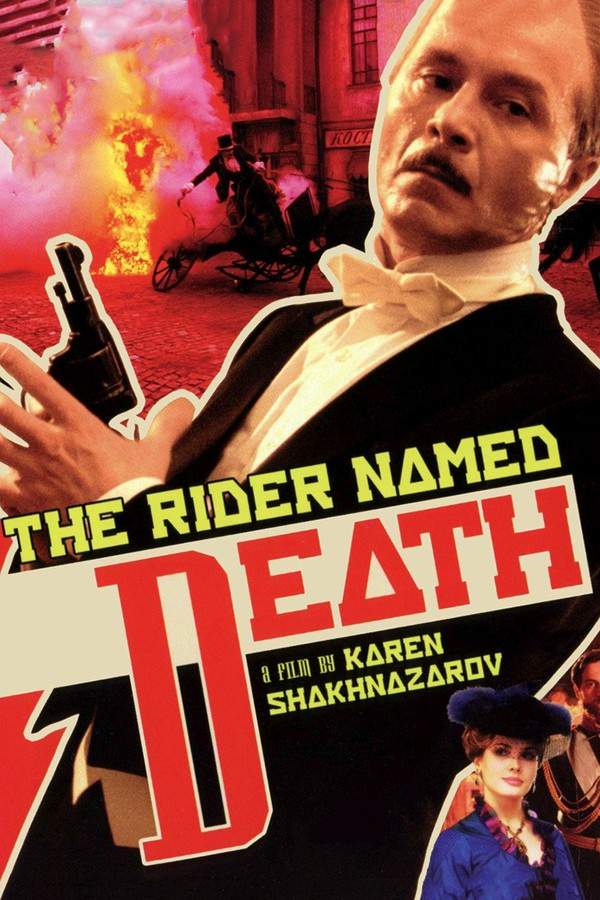
The Rider Named Death (2005) movie poster

Timeline

The Rider Named Death (2005) Timeline Explained – Every Event in Order

Release, runtime and language
2005 · 106 min · Russian
Directed by
Karen Shakhnazarov

In early 20th-century Russia, a band of rebels initiates a dangerous uprising against the oppressive ruling class. Armed and driven by a desire for change, they strategically target influential officials in a determined effort to ignite a revolution and reshape the nation's future.

On this page (6)
  1. 1 Events in order (14)
  2. 2 Timeline questions answered
  3. 3 The book behind the movie
  4. 4 Movie threads
  5. 5 Movies like The Rider Named Death
  6. 6 Every angle

14 events in order · contains spoilers

The Rider Named Death Timeline: Events in Chronological Order

Every key event of The Rider Named Death (2005) in order, scene by scene, with when and where it takes place. Use it to untangle flashbacks, time jumps and parallel storylines, to refresh your memory before the sequel or to find the exact scene you are thinking of.

  1. Introduction of the Protagonist

    The movie begins with a stunning woman entering the czar's palace, setting a dramatic tone for the story. She requests permission to see her imprisoned brother, hinting at family ties and hidden intentions that will soon unfold.

    When
    Turn of the century
    Where
    Czar's Palace, Russia
  2. The Assassination

    In a shocking turn of events, the woman reveals a hidden gun and shoots the leader, dramatically altering the course of the narrative. This act of rebellion sparks a discussion about the revolutionary history in Russia and its far-reaching consequences, marking the beginning of the main conflict.

    When
    Turn of the century
    Where
    Czar's Palace, Russia
  3. Introduction of George

    George, portrayed by Andrei Panin, is introduced as a leading figure among Russian socialists. He is determined to dismantle the monarchy and grapples with the implications of previous assassination attempts as the political landscape grows more tumultuous.

  4. The Grand Prince's Rule

    The government is under the control of Grand Prince Sergei Aleksandrovich, played by Vasiliy Zotov. The political environment is rife with dissatisfaction, as numerous attacks from dissident socialists create a climate of fear and unrest.

  5. Erna's Introduction

    Erna, the group's bomb maker and portrayed by Kseniya Rapport, is introduced next. Her struggle with cocaine addiction adds complexity to her character, and her growing affection for George complicates the group's dynamics.

  6. Emotional Attachments

    The bond between George and Erna deepens as they share intimate moments amid their dangerous revolutionary activities. This emotional layer introduces personal stakes into their political struggle, showcasing the intertwining of love and rebellion.

  7. Fydor's Resentment

    Fydor, played by Rostislav Bershauer, is introduced as a character filled with resentment due to social and economic inequalities. His feelings fuel the revolutionary fervor, highlighting the personal motivations behind the broader ideological conflict.

  8. Vanya's Beliefs

    Vanya, portrayed by Artem Semakin, is a fervent believer in the chaos caused by terrorists, viewing it as essential to the revolutionary cause. His idealistic views represent the radical mindset that some members of the group embody.

  9. Heinrich's Pragmatism

    Heinrich, played by Aleksey Kazakov, is characterized by his scholarly approach to the revolution. He contemplates the broader implications of their actions, presenting a contrasting viewpoint to the more impulsive members of the group.

  10. Attempts to Sabotage

    As the group plans various sabotage attempts against the government, they encounter a series of failures. These setbacks lead to casualties within their ranks and highlight the perilous nature of their revolutionary activities.

  11. George's Mission

    Amidst the failures and growing chaos, George remains focused on his personal mission to topple the Grand Prince. His ambition underscores the film's themes of sacrifice and ideological conflict against the backdrop of revolutionary fervor.

  12. Consequences of Revolution

    The narrative continues exploring the consequences of the group's actions, revealing the devastating effects on both their personal lives and the societal landscape. The struggle between maintaining personal relationships and pursuing political goals becomes increasingly evident.

  13. Climax of the Revolution

    As the tensions escalate, the climax of the revolution looms, presenting a critical juncture for the characters. Each member must confront their ideologies and the reality of their choices, leading to significant transformations.

  14. Reflections on Sacrifice

    In the final moments, the characters reflect on the sacrifices made during their journey. The film concludes with a somber reminder of the personal and collective costs of revolution.

Last updated: November 07, 2024 at 23:33

Was this helpful?

Timeline questions answered

The Rider Named Death Timeline Explained: Your Questions Answered

When does it happen, and why in that order? The questions people ask about the chronology of The Rider Named Death (2005): time jumps, flashbacks, cause and effect between scenes and the correct order of events, each answered with spoilers.

Q1

Why does the woman assassinate the leader at the beginning of the film?

The woman enters the czar's palace requesting permission to visit her imprisoned brother, using this as a cover to get close to the leader. She then reveals a hidden gun and shoots him dead. This assassination serves as the catalyst that sparks the film's exploration of revolutionary history in Russia, setting the stage for George and his faction's own attempts to dismantle the monarchy.

  • assassination
  • czar palace
  • woman shooter
  • revolution start
Q2

Why does George want to overthrow the Grand Prince?

George leads a faction of Russian socialists determined to dismantle the existing monarchy. As the leader of this revolutionary group, he views the Grand Prince Sergei Aleksandrovich as a symbol of the oppressive ruling class that must be removed to ignite genuine social change. His personal mission to topple the Grand Prince becomes the central focus of the group's actions throughout the film.

  • george
  • grand prince
  • monarchy
  • revolution leader
  • motivation
Q3

Why is Erna addicted to cocaine?

Erna struggles with a cocaine addiction, which adds complexity to her character as the group's bomb maker. Her addiction is portrayed as a personal struggle that exists alongside her revolutionary activities, and it heightens the emotional vulnerability of her character as she becomes increasingly enamored with George throughout their dangerous association.

  • erna
  • cocaine addiction
  • bomb maker
  • character backstory
Q4

What is the nature of George and Erna's relationship?

George and Erna develop an intimate relationship amid their revolutionary activities, with Erna becoming enamored with George. Their bond deepens through shared dangerous encounters, creating emotional stakes that intertwine with the political struggle. This relationship adds a personal layer to the revolutionary narrative, showcasing how love and rebellion become connected.

Foreshadowing: Their intimate moments appear throughout the film, building emotional investment before the consequences unfold.

  • george
  • erna
  • romance
  • revolutionaries
  • intimate relationship
Q5

Why do the revolutionary sabotage attempts fail?

As the group orchestrates various sabotage attempts against the government, they encounter a series of failures that result in casualties among their ranks. The failures highlight the perilous nature of their revolutionary activities and the difficulty of successfully targeting a well-established oppressive regime. These setbacks demonstrate the harsh reality of revolutionary warfare.

  • sabotage attempts
  • failures
  • casualties
  • revolutionaries
  • government
Q6

Why does Vanya believe terrorism is essential to the revolutionary cause?

Vanya firmly believes that the chaos instigated by terrorists is necessary to achieve revolutionary goals. His idealistic and radical mindset views political violence as a justified means to create the instability required to overthrow the existing social order. This belief represents the more extreme faction within the revolutionary group.

  • vanya
  • terrorism
  • radical beliefs
  • chaos
  • revolutionary ideology
Q7

How does Heinrich's perspective differ from other revolutionaries?

Heinrich stands apart from his comrades due to his scholarly and pragmatic approach to the revolution. While others act on impulse, revenge, or ideological fervor, Heinrich contemplates the broader implications of their revolutionary actions with intellectual depth. He represents the analytical perspective within the group, constantly evaluating the consequences of political violence.

  • heinrich
  • pragmatist
  • scholar
  • revolutionary ideology
  • intellectual
Q8

What are the major consequences of the revolution in the film?

The narrative explores the devastating consequences of the revolutionary group's actions, affecting both their personal lives and the broader societal landscape. The struggle between maintaining personal relationships and pursuing political goals becomes increasingly evident as casualties mount and the revolution's true costs become clear. The film emphasizes the personal and collective sacrifices required by revolutionary violence.

  • consequences
  • revolution
  • sacrifice
  • casualties
  • outcomes
Q9

Why does Fydor resent the social and economic inequalities?

Fydor harbors deep resentment over the social and economic inequalities exacerbated by the revolutionary period. His personal anger at the systemic injustice drives his participation in the revolutionary cause, representing the visceral, emotion-driven motivation that fuels many freedom fighters beyond mere ideological commitment.

  • fydor
  • resentment
  • inequality
  • social injustice
  • revolution motivation
Q10

What sacrifices do the characters make during the revolution?

Throughout the film, characters confront the personal and collective costs of revolution. George's unwavering focus on toppling the Grand Prince, Erna's struggle with addiction while maintaining her role as bomb maker, and the casualties suffered by group members all represent the profound sacrifices demanded by their cause. The film concludes with characters reflecting on these sacrifices and their devastating impact.

  • sacrifice
  • revolution
  • cost
  • casualties
  • personal loss
Q11

Why does Erna continue revolutionary work despite her addiction?

Erna continues working as the group's bomb maker despite her cocaine addiction, suggesting her commitment to the revolutionary cause remains strong despite her personal struggles. Her role is critical to the group's operations, and her relationship with George appears to provide emotional motivation to continue despite the difficulties she faces.

  • erna
  • bomb maker
  • addiction
  • loyalty
  • revolution commitment

Movie threads

More Movies Like The Rider Named Death, by Mood & Story

Curated lists built around what makes The Rider Named Death tick: the same mood, the same kind of story or the same emotional payoff. Each list explains why these movies belong together.

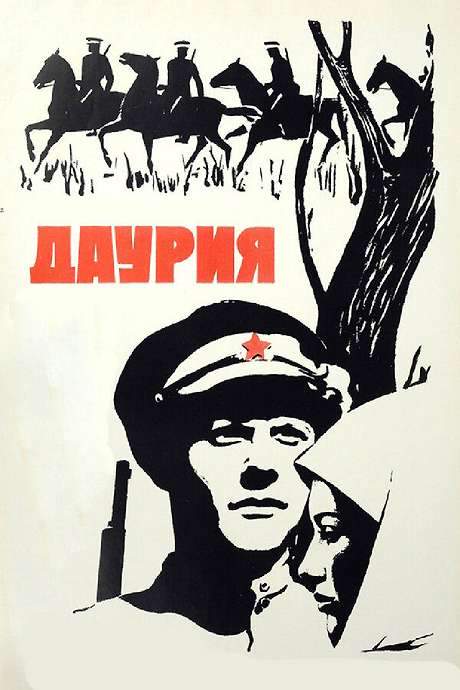
Revolutionary Tragedies like The Rider Named Death

Stories about idealistic rebels whose fight against oppression ends in sorrow. Explore movies like The Rider Named Death that follow radical fighters in oppressive regimes. If you were captivated by the grim portrayal of a desperate revolutionary cell and their tragic fate, these similar political dramas and historical thrillers will resonate with you.

  • driven
  • desperate
  • oppressive
  • grim
  • clandestine
  • tragic
  • Tone: dark, grim, melancholic
  • Pacing: steady, deliberate
Why these movies?

The story pattern: These narratives typically follow a group or individual whose fervent belief in a cause leads them to commit acts of violence against a powerful, oppressive system. The plot is often a steady march towards a foreshadowed downfall, exploring the psychological toll of commitment and the ultimate sacrifice demanded by the struggle.

Why they belong together: Movies are grouped here based on their shared focus on the tragic arc of rebellion. They possess a dark tone, high emotional weight, and a steady pacing that meticulously builds towards a sorrowful ending, creating a cohesive experience of doomed idealism.
Oppressive Political Thrillers like The Rider Named Death

Films that build a pervasive sense of dread within a repressive political system. Discover more movies like The Rider Named Death that masterfully create an anxious, oppressive atmosphere. These films, often set against historical or dystopian backdrops, share a similar feel of constant surveillance and high-stakes tension for viewers who appreciate grim, suspenseful narratives.

  • anxious
  • oppressive
  • clandestine
  • tense
  • paranoid
  • grim
  • Tone: dark, tense, anxious
  • Pacing: steady, tense build
Why these movies?

The story pattern: The narrative pattern involves characters navigating a hostile political landscape, often engaging in secretive, high-risk activities. The story unfolds with a consistent, building tension, focusing less on explosive action and more on the psychological pressure and grim reality of living under an oppressive thumb.

Why they belong together: These films are connected by their masterful creation of a specific vibe: an anxious, oppressive atmosphere. They share a dark tone, steady pacing that amplifies unease, and a high intensity derived from the constant threat posed by a powerful, unforgiving system.

If you liked this

Movies Like The Rider Named Death

Similar movies to The Rider Named Death: the same genre, themes or kind of story. Each one comes with its own plot summary, timeline and ending explained.

Browse all movie summaries

Every angle

The Rider Named Death (2005) Explained: Plot, Timeline & Characters

Everything about The Rider Named Death in one place: what happens in the plot summary, the timeline in chronological order, the characters and meaning and a spoiler-free summary. What's After the Movie adds the cast, box office and post-credit scenes.

Coming soon on iOS and Android

The Plot Explained Movie Summary App

Plot summaries, endings explained and timelines on your phone. Catch up on any movie in minutes, save your favorites and never miss a twist again.

Be the first to know when we launch. Your email stays private, always.

Learn more about the app