





Plot Explained Spoilers guaranteed!
Plot Explained

Browse by genre

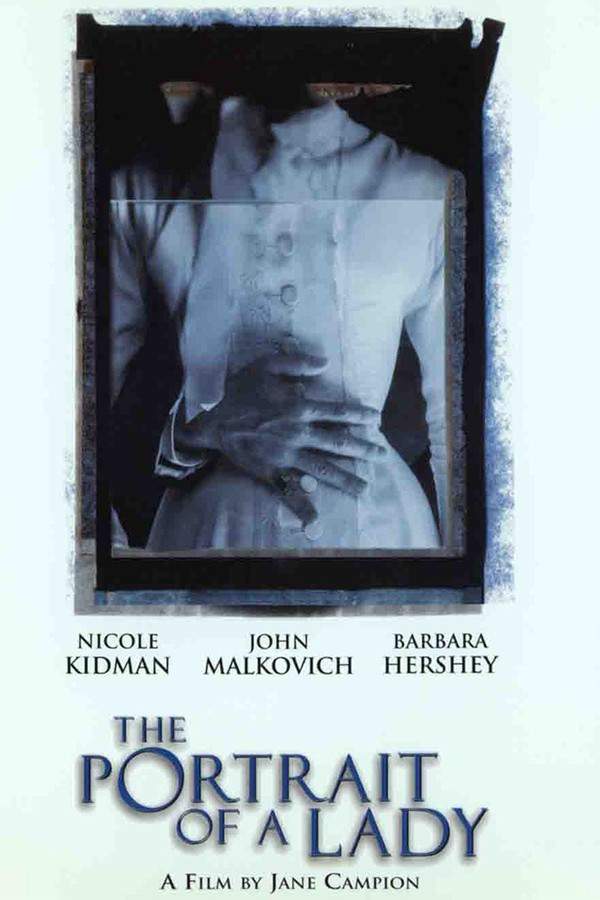
The Portrait of a Lady (1996) movie poster

Timeline

The Portrait of a Lady (1996) Timeline Explained – Every Event in Order

Release, runtime and language
1996 · 144 min · English
Directed by
Jane Campion
Starring
Nicole Kidman, Martin Donovan, John Malkovich, Barbara Hershey

A spirited young woman, Isabel Archer, inherits a generous fortune and travels to Europe seeking independence and experience. She finds herself caught in a web of complex relationships and societal expectations, particularly as she becomes involved with the mysterious and wealthy Edward Rosier. As Isabel explores her newfound freedom and pursues a romantic connection, she gradually discovers the hidden consequences of wealth and the subtle ways privilege influences personal identity and true happiness.

On this page (7)
  1. 1 Where to watch
  2. 2 Events in order (14)
  3. 3 Timeline questions answered
  4. 4 The book behind the movie
  5. 5 Movie threads
  6. 6 Movies like The Portrait of a Lady
  7. 7 Every angle

Where to watch

Where to Watch The Portrait of a Lady (1996)

Where can you watch The Portrait of a Lady? Stream, rent or buy it in the US, including on Amazon Video, Apple TV Store and Fandango At Home: current JustWatch availability with up-to-date prices.

Streaming availability powered by JustWatch

14 events in order · contains spoilers

The Portrait of a Lady Timeline: Events in Chronological Order

Every key event of The Portrait of a Lady (1996) in order, scene by scene, with when and where it takes place. Use it to untangle flashbacks, time jumps and parallel storylines, to refresh your memory before the sequel or to find the exact scene you are thinking of.

  1. Rejection of Suitors

    Isabel Archer, a beautiful and independent woman, faced numerous advances from wealthy suitors, notably Lord Warburton and Caspar Goodwood. Unflinchingly, she rejected their affections, demonstrating her strong will and desire for personal autonomy.

  2. Inheritance from Uncle

    Isabel's cousin, Ralph Touchett, convinced his father to leave Isabel a generous inheritance following the death of her uncle. This significant fortune changed the course of her life, providing her the means to live according to her own desires and ideals.

  3. Meeting Madame Serena

    Isabel formed an immediate and deep connection with Madame Serena. However, this relationship soon took a turn when Serena attempted to matchmake Isabel with her former lover, Gilbert Osmond, who lived in Florence.

    Where
    Florence, Italy
  4. Gilbert Osmond's Proposal

    Captivated by Gilbert's charm and the potential for a future, Isabel agreed to marry him. Despite Ralph's warnings about Gilbert's true nature and the perilous trade of liberty for comfort, Isabel’s determination led her to disregard this counsel.

  5. Early Marriage Bliss

    In the beginning, Gilbert's affection for Isabel seemed genuine. However, this initial warmth soon gave way to possessiveness, as he began to isolate her from friends and trap her within a suffocating existence.

    Where
    Rome
  6. Isolation in Rome

    With Ralph, Henrietta, and Caspar returning to England, Isabel found herself alone in Rome, facing the oppressive nature of her husband. Meanwhile, Pansy, Gilbert's daughter, suffered under his control, adding layers to their shared anguish.

    Where
    Rome
  7. Gilbert's Violent Outburst

    As Isabel sought to support Pansy's love for Rosier against her father's wishes, Gilbert became enraged at her involvement. His violent reaction left Isabel shaken and confirmed her fears about their marriage.

  8. Ralph's Deteriorating Health

    Facing the terminal illness of her beloved cousin Ralph, Isabel grew increasingly desperate. Her pleas to Gilbert for permission to see Ralph were met with cold rejection, deepening her despair.

  9. Shocking Family Secrets

    Isabel learned troubling truths about Gilbert's past, discovering that Pansy was actually his daughter with Serena. This revelation left Isabel torn between loyalty to her husband and her own yearning for freedom.

  10. Pansy's Choice

    Isabel visited the convent where Pansy was sheltered, trying to persuade her to escape her father's clutches. However, Pansy hesitated, caught between her sense of duty to Gilbert and the desire for independence.

    Where
    Convent
  11. Confrontation with Serena

    An unexpected encounter with Serena at the convent forced Isabel to confront her past and the woman who had orchestrated her connection with Gilbert. Refusing to engage further, Isabel focused on distancing herself from Serena's influence.

    Where
    Convent
  12. Ralph's Legacy

    Isabel discovered that Ralph was the one who ensured her inheritance, a revelation that sparked deep emotions within her. Rushing to Ralph's bedside, Isabel expressed her heartfelt emotions of love and regret before his passing.

  13. Caspar's Comfort

    After Ralph's departure, Henrietta and Caspar visited Isabel, offering their condolences. In a moment of vulnerability, Caspar leaned in for a passionate kiss, which left Isabel breathless yet compelled to retreat into her sorrow.

    Where
    Garden
  14. Final Hesitation

    As Isabel prepared to leave her home, she paused at the doorway, reflecting on her tumultuous journey. This moment of introspection highlighted her emotional turmoil, as she considered whether to pursue freedom or remain trapped in despair.

Last updated: November 22, 2024 at 12:03

Was this helpful?

Timeline questions answered

The Portrait of a Lady Timeline Explained: Your Questions Answered

When does it happen, and why in that order? The questions people ask about the chronology of The Portrait of a Lady (1996): time jumps, flashbacks, cause and effect between scenes and the correct order of events, each answered with spoilers.

Q1

Why did Isabel marry Gilbert Osmond despite Ralph's warnings?

Isabel was captivated by Gilbert's charm and the romantic allure of his cultured life in Florence. Despite Ralph's warning that she was trading her liberty for a life of quiet anguish with a man devoid of depth, Isabel believed she could maintain her independence within the marriage. Her strong-willed nature and desire for experience led her to dismiss the counsel of those who cared for her.

Foreshadowing: Earlier in the story, Isabel demonstrates her independent spirit by rejecting wealthy suitors like Lord Warburton, believing she needed no man to define her.

  • Isabel Archer
  • Gilbert Osmond
  • marriage
  • Ralph Touchett
  • independence
  • Florence
Q2

How did Ralph Touchett ensure Isabel received her inheritance?

Ralph convinced his father, Isabel's uncle, to leave her a generous inheritance after his death. This act provided Isabel with the financial freedom to live according to her own desires. The full extent of Ralph's role remained hidden until Serena revealed to Isabel that Ralph had been the one who orchestrated her fortune.

Foreshadowing: Ralph's deep affection for Isabel is evident throughout their interactions, making his secret act of generosity consistent with his character.

  • Ralph Touchett
  • inheritance
  • uncle
  • fortune
  • secret
Q3

What was the secret about Pansy's parentage?

Isabel discovered that Pansy was not the daughter of Gilbert's first wife, but rather his daughter with Madame Serena. This revelation came from Gilbert's sister and explained why Pansy had been sheltered in a convent, Gilbert wanted to hide his affair with Serena from the world.

Foreshadowing: Madame Serena's strong interest in orchestrating Pansy's marriage to Lord Warburton hints at a deeper connection to the girl.

  • Pansy
  • Gilbert Osmond
  • Madame Serena
  • secret
  • daughter
  • convent
Q4

Why does Isabel return to Gilbert at the end of the film?

After Ralph's death and her emotional confrontation with Caspar Goodwood, Isabel ultimately chooses to return to her oppressive marriage. Though she experiences a moment of hesitation at her doorway, the film suggests she lacks the will to break free from the gilded cage she has accepted. Her return represents the tragic outcome of having traded genuine freedom for material security.

Foreshadowing: Throughout the film, Isabel's resistance to being controlled conflicts with her ultimate inability to fully escape the constraints she has accepted.

  • Isabel Archer
  • ending
  • Gilbert Osmond
  • freedom
  • marriage
  • hesitation
Q5

Why did Gilbert Osmond become so controlling after marriage?

After the early days of their marriage, Gilbert revealed his possessive nature, isolating Isabel from her friends and trapping her in a joyless existence. His affection transformed into control, and he used his wealth and position to dominate both Isabel and his daughter Pansy. This shift represented the corruption of the freedom Isabel sought, as the marriage became a gilded cage rather than a partnership.

Foreshadowing: Ralph's warning that Isabel was trading her liberty for comfort foreshadows this transformation.

  • Gilbert Osmond
  • control
  • isolation
  • marriage
  • Rome
  • possessiveness
Q6

What was Madame Serena's role in Isabel's life?

Madame Serena was a manipulative figure who introduced Isabel to Gilbert Osmond, her former lover. Serena orchestrated the match as a way to regain influence through her connection to Gilbert. She later regretted her role in bringing them together, recognizing the harm it caused Isabel. Serena also attempted to rekindle rivalry with Isabel at the convent but was rebuffed.

Foreshadowing: Serena's immediate connection with Isabel upon meeting her in Florence hints at ulterior motives.

  • Madame Serena
  • Gilbert Osmond
  • Florence
  • matchmaker
  • manipulation
Q7

What happened to Ralph Touchett?

Ralph was terminally ill throughout the story, suffering from a disease that would ultimately claim his life. His health deteriorated progressively, and he confided in Isabel about his condition. Despite his failing health, Ralph remained emotionally invested in Isabel's wellbeing, and his death represents a significant loss for her.

Foreshadowing: Ralph's weakened appearance and the references to his illness are present early in the narrative.

  • Ralph Touchett
  • illness
  • death
  • terminal
  • health
Q8

What happened between Isabel and Caspar Goodwood in the garden?

After Ralph's death, Caspar visited Isabel and attempted to comfort her. In a moment of vulnerability, he kissed her passionately. Isabel was briefly moved by the encounter but quickly regained her composure and retreated to her home, choosing to remain in her unhappy marriage rather than pursue freedom with Caspar.

Foreshadowing: Caspar's earlier pursuit of Isabel and Henrietta's role in bringing him into her life establish their lingering connection.

  • Caspar Goodwood
  • Isabel Archer
  • kiss
  • garden
  • romance
  • Henrietta
Q9

Why didn't Pansy escape with Isabel from the convent?

When Isabel visited the convent where Pansy was sheltering, she urged the young girl to escape with her. However, Pansy was torn between her desire for freedom and her sense of duty to her father. She ultimately declined Isabel's offer, choosing to remain loyal to Gilbert despite his oppressive control over her life.

Foreshadowing: Pansy's love for Rosier and her father's opposition to their relationship set up this internal conflict.

  • Pansy
  • convent
  • escape
  • Isabel Archer
  • freedom
  • duty
Q10

How did Isabel's inheritance change her life?

Isabel's inheritance from her uncle, arranged by Ralph, granted her financial independence and the freedom to pursue her desires. However, this fortune also made her a target for manipulative suitors like Gilbert Osmond. The wealth that was meant to secure her autonomy instead trapped her in a gilded cage, as her money became a tool for others to control her future.

Foreshadowing: Isabel's rejection of wealthy suitors like Lord Warburton demonstrates her belief that money should not define her choices.

  • Isabel Archer
  • inheritance
  • wealth
  • fortune
  • freedom
  • trap
Q11

Why did Gilbert want Pansy to marry Lord Warburton?

Gilbert intended to marry Pansy off to Lord Warburton, who was wealthy and well-connected, as a way to advance his social position. However, Warburton was more interested in pursuing Isabel instead. Gilbert's plan ultimately unraveled when his violent reaction to Isabel's intervention in Pansy's behalf exposed his true nature.

Foreshadowing: Lord Warburton's earlier rejection by Isabel makes his interest in Pansy somewhat suspect, though Gilbert sees only the strategic advantage.

  • Gilbert Osmond
  • Pansy
  • Lord Warburton
  • marriage
  • scheme
  • social climbing
Q12

Did Isabel love Ralph?

Isabel's emotional outburst at Ralph's bedside, where she confessed her love for him, revealed deep feelings she had kept hidden throughout their relationship. However, by then it was too late, Ralph was already dying. This revelation adds bittersweet weight to their connection, suggesting that Isabel finally understood the depth of Ralph's devotion only when she was about to lose him.

Foreshadowing: Ralph's unconditional support of Isabel and his secret arrangement of her inheritance hint at deeper romantic feelings.

  • Isabel Archer
  • Ralph Touchett
  • love
  • confession
  • death
  • regret

Movie threads

More Movies Like The Portrait of a Lady, by Mood & Story

Curated lists built around what makes The Portrait of a Lady tick: the same mood, the same kind of story or the same emotional payoff. Each list explains why these movies belong together.

Gilded Cage Dramas like The Portrait of a Lady

Stories where wealth and privilege become beautiful prisons for the soul. Find more movies like The Portrait of a Lady that delve into the theme of the gilded cage. These character-driven dramas feature protagonists whose lives of privilege and wealth mask deep personal entrapment and emotional isolation, often set against a backdrop of strict societal expectations.

  • oppressive
  • reflective
  • melancholic
  • somber
  • gilded cage
  • lonely
  • Tone: melancholic, oppressive
  • Pacing: slow, deliberate
Why these movies?

The story pattern: Narratives in this thread typically follow a character who enters a world of material wealth or high society, only to discover that it demands the sacrifice of their autonomy, authenticity, or true desires. The central conflict is internal, a struggle between the comforts of a prescribed life and the yearning for personal freedom, often ending in a bittersweet or tragic realization.

Why they belong together: These films are grouped together because they share a core thematic focus on the psychological cost of privilege. They create a similar viewing experience through their melancholic tone, heavy emotional weight, and meticulous depiction of how beautiful surroundings can amplify feelings of loneliness and confinement.
Slow Burn Melancholy films like The Portrait of a Lady

Quiet, character-focused films where sadness unfolds with deliberate grace. If you appreciated the reflective, somber pace of The Portrait of a Lady, explore these similar slow burn melancholy movies. These films share a deliberate pacing, a heavy emotional tone, and a focus on the subtle nuances of character psychology and bittersweet endings.

  • melancholic
  • somber
  • reflective
  • slow burn
  • bittersweet
  • tragic
  • Tone: melancholic, somber, bittersweet
  • Pacing: slow, reflective
Why these movies?

The story pattern: The narrative pattern is less about external events and more about an internal, emotional journey. The story unfolds gradually, focusing on psychological nuance and the slow erosion of hope or spirit. The climax is often a moment of quiet realization or acceptance rather than a dramatic action, leading to an ending steeped in bittersweet or tragic feeling.

Why they belong together: Movies in this thread are connected by their shared atmospheric and emotional qualities. The combination of slow pacing, a melancholic or somber tone, and heavy emotional weight creates a specific, immersive vibe that is perfect for viewers seeking a contemplative and moving experience.

If you liked this

Movies Like The Portrait of a Lady

Similar movies to The Portrait of a Lady: the same genre, themes or kind of story. Each one comes with its own plot summary, timeline and ending explained.

Browse all movie summaries

Every angle

The Portrait of a Lady (1996) Explained: Plot, Timeline & Characters

Everything about The Portrait of a Lady in one place: what happens in the plot summary, the timeline in chronological order, the characters and meaning and a spoiler-free summary. What's After the Movie adds the cast, box office and post-credit scenes.

Coming soon on iOS and Android

The Plot Explained Movie Summary App

Plot summaries, endings explained and timelines on your phone. Catch up on any movie in minutes, save your favorites and never miss a twist again.

Be the first to know when we launch. Your email stays private, always.

Learn more about the app