Plot Explained Spoilers guaranteed!
Plot Explained

Browse by genre

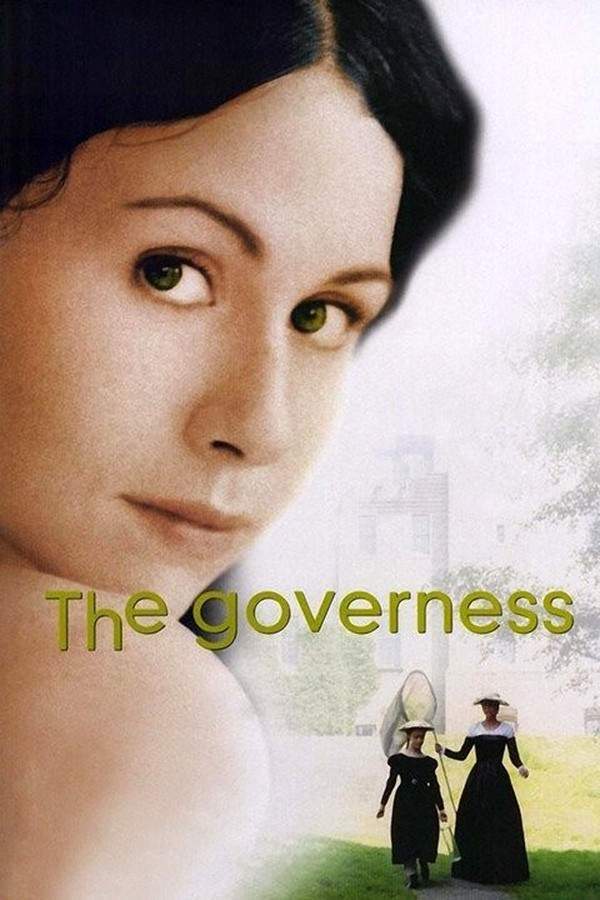
The Governess (1998) movie poster

Plot Summary

The Governess (1998) Plot Summary Explained

Release, runtime and language
1998 · 115 min · English
Directed by
Sandra Goldbacher
Starring
Tom Wilkinson, Minnie Driver

Fleeing a difficult past, a young woman named Rosina da Silva takes on a new identity and becomes a governess on a secluded Scottish island. While fulfilling her professional responsibilities, she finds herself increasingly drawn to the estate's charismatic patriarch, Charles. As Rosina grapples with her feelings and the challenges of her new life, she must confront her past and navigate a complicated web of desire and duty.

On this page (6)
  1. 1 Where to watch
  2. 2 What happens: full plot
  3. 3 Plot questions answered
  4. 4 Movie threads
  5. 5 Movies like The Governess
  6. 6 Every angle

Where to watch

Where to Watch The Governess (1998)

Where can you watch The Governess? Stream, rent or buy it in the US, including on Amazon Video, Apple TV Store and Fandango At Home: current JustWatch availability with up-to-date prices.

Streaming availability powered by JustWatch

Full plot summary · contains spoilers

What Happens in The Governess: Full Plot Summary

The whole story of The Governess (1998) explained, from the opening scene to the final frame: every key event, every twist and what it all adds up to. Read it as a quick recap before the sequel, to check a scene you missed, or to finally understand what really happened.

Set in the 1830s, the narrative follows Rosina da Silva, portrayed by Minnie Driver, who is the elegant eldest daughter of an affluent Jewish family within a tight-knit community of Sephardic Jews in London. Following the shocking murder of her father, which leaves the family in dire financial straits, she firmly rejects an arranged marriage with an older man and resolves to support her family herself. Even if it means taking the stage like her esteemed aunt, known as Countess Koulinskyi, a famous singer.

Determined to reinvent herself, she adopts the name Mary Blackchurch—a Protestant of partial Italian descent—to hide her true heritage. Quickly, she secures a position as a governess for the Cavendish family, a Scottish landed gentry residing on the picturesque Isle of Skye in the Hebrides. Charles Cavendish, played by Tom Wilkinson, is a science enthusiast preoccupied with the challenge of retaining photographic images on paper. Meanwhile, his wife, portrayed by Harriet Walter, drowns in her own boredom.

Their young daughter, Clementina (Florence Hoath), is initially resistant to Mary’s authority, yet she eventually finds a close friend in her. Mary, possessing a remarkable education and a thirst for knowledge at a time when women's roles were largely domestic, astounds Charles with her insight and capability, leading her to become his invaluable assistant. Their bond deepens into an emotional and passionate connection.

On the eve of Passover, while in her room, Mary accidentally spills salt water on one of Charles’s prints, which leads her to discover a groundbreaking technique for image preservation. This revelation brings them together in more ways than one, culminating in an intimate moment that strengthens their relationship.

However, complications arise with the return of the Cavendish son, Henry (Jonathan Rhys Meyers), who returns home after a string of expulsion-worthy escapades at the University of Oxford. Obsessively fixated on Mary, he uncovers her concealed past. Although he vows to keep her secret, he ultimately confesses his feelings to Charles. The father harshly dismisses his son's affections, calling Mary "practically a demimondaine," which creates an emotional rift between them.

In a moment of vulnerability, Mary leaves behind a nude photograph of Charles, leading him to recoil from her. When a colleague visits, Charles unjustly takes full credit for the technique they developed together, leaving Mary feeling betrayed. Frustrated, she shifts her anger onto Henry before deciding it’s time to leave the island and return to London.

Reclaiming her heritage, she presents herself again as a Jew and confronts Mrs. Cavendish at the dinner table with the intimate portrait of her husband. Back in London, she fully embraces her identity, becoming a renowned portrait photographer celebrated for her unique depictions of Jewish life. As her sister announces her next scheduled sitting, she is unexpectedly met with Charles, and when asked if they have completed the session, she coolly responds, "quite done." Her reflective closing remark lingers: >"I hardly think of those days at all. No, I don't think of those days at all." However, the portrait of Charles remains a poignant reminder among her collection, revealing a deeper, unspoken connection in her heart.

Last updated: October 25, 2024 at 11:29

Was this helpful?

Plot questions answered

The Governess Plot Explained: Your Questions Answered

The questions people ask most about The Governess (1998): what happens in the confusing scenes, why the characters do what they do, the twists, hidden details and what the ending means. Each answer contains spoilers.

Q1

Why does Mary hide her Jewish identity to become a governess?

After her father is murdered, Rosina da Silva's family faces financial ruin. As a Jewish woman in 1830s London, her options for employment are severely limited. She adopts the name Mary Blackchurch, presenting herself as a Protestant of partial Italian descent, to access professional opportunities otherwise unavailable to Jewish women. This deception allows her to support her family while avoiding the anti-Semitic restrictions she would face as herself.

Foreshadowing: The film establishes early that Rosina comes from a tight-knit Sephardic Jewish community where arranged marriages are common, setting up her need to escape both her financial circumstances and her community's expectations.

  • jewish identity
  • governess
  • discrimination
  • 1830s
  • employment
Q2

How does Mary discover the photographic preservation technique?

On the eve of Passover, Mary is in her room when she accidentally spills salt water on one of Charles's photographic prints. This accident leads her to realize that salt water causes a chemical reaction that preserves images on paper. This breakthrough becomes the foundation for their collaborative work on photography, which brings them intellectually and emotionally closer.

Foreshadowing: Charles is established as obsessed with solving the problem of retaining photographic images on paper, making this discovery a natural progression of his ongoing research.

  • photography
  • salt water
  • discovery
  • technique
  • science
Q3

Why does Charles recoil from Mary after she leaves a nude photograph?

When Mary leaves behind a nude photograph she has taken of Charles, he reacts with shock and rejection rather than acceptance. This moment suggests Charles's fundamental inability to fully embrace the passionate, unconventional connection between them. Despite their emotional intimacy and collaborative work, he remains constrained by Victorian propriety and perhaps fears the implications of such an intimate image being discovered.

  • nude photograph
  • victorian
  • rejection
  • propriety
  • intimacy
Q4

Why does Charles take credit for the photographic technique they developed together?

When a colleague visits, Charles unjustly claims full credit for the photographic technique that Mary helped develop. This betrayal deeply wounds Mary because it mirrors the broader pattern of women's intellectual contributions being erased by men in their society. It also exposes the limitations of their relationship, despite their emotional connection, Charles ultimately values his own professional reputation over recognizing Mary's contributions.

  • betrayal
  • photography
  • credit
  • professional
  • intellectual property
Q5

Why does Charles call Mary a demimondaine when rejecting Henry?

When Henry confesses his feelings for Mary and reveals her hidden past, Charles harshly dismisses his son's affections by calling Mary "practically a demimondaine." This cruel label reflects Charles's attempt to protect his family's reputation by belittling Mary, despite his own emotional involvement with her. It also reveals his hypocrisy, he has been having an emotional and passionate affair with Mary while simultaneously judging her through society's harshest standards.

  • demimondaine
  • charles
  • henry
  • reputation
  • class prejudice
Q6

Why does Mary confront Mrs. Cavendish at the dinner table?

After returning to London and reclaiming her Jewish identity, Mary deliberately returns to the Cavendish estate to confront Mrs. Cavendish. She arrives at the dinner table wearing her own clothes and presents Mrs. Cavendish with the intimate portrait of Charles she had taken. This act represents Mary's full reclamation of her identity, her agency, and her power, she is no longer the subordinate governess but an equal who can expose the family's secrets.

  • confrontation
  • mrs cavendish
  • portrait
  • identity
  • jewish
Q7

Why does Mary decide to leave the Isle of Skye?

Mary leaves the island after feeling doubly betrayed, first by Charles taking credit for their shared work, and then by her own anger at Henry, whom she wrongly directs her frustration toward. These betrayals, combined with the emotional wound from Charles's rejection of her photograph, convince her that she cannot continue living under the Cavendish family's roof while maintaining her disguise and her hope for a future with Charles.

  • departure
  • london
  • betrayal
  • island
  • escape
Q8

Do Mary and Charles end up together at the end?

Mary and Charles do not end up together romantically. Mary achieves professional success as a renowned portrait photographer in London, reclaiming both her Jewish identity and her creative autonomy. When Charles unexpectedly visits her studio, their exchange is cool and brief, she responds "quite done" when asked about their portrait session. The ending is bittersweet: she has succeeded professionally but clearly still carries emotional weight from their lost relationship, as evidenced by keeping his portrait among her collection.

  • ending
  • reunion
  • london
  • portrait photographer
  • bittersweet
Q9

Why does Henry tell Charles about Mary's hidden past?

Although Henry initially vows to keep Mary's secret after discovering she is actually Rosina da Silva, he ultimately confesses his feelings to Charles and reveals her concealed past. This betrayal stems from his obsessive fixation on Mary and his desire to clear the path for himself by destroying her relationship with his father. His confession, however, backfires spectacularly, instead of winning Mary, it leads to Charles's harsh rejection and creates a permanent rift between father and son.

  • henry
  • secret
  • confession
  • obsession
  • family conflict
Q10

How does Mary become a successful portrait photographer?

After leaving the Isle of Skye, Mary returns to London and fully embraces her Jewish identity. Her unique perspective and artistic vision allow her to create distinctive portraits of Jewish life that earn her recognition and acclaim. The technical knowledge she gained working with Charles, combined with her remarkable education and artistic eye, enables her to build a successful career on her own terms, a remarkable achievement for a woman in 1830s England.

  • success
  • photographer
  • jewish community
  • london
  • artistic career
Q11

Why does Mary seem indifferent when Charles visits her studio?

When Charles appears at her London studio and asks if they have completed their portrait session, Mary responds coolly with "quite done." This controlled response masks the unresolved emotions between them. Her apparent indifference is a defense mechanism, after being betrayed and rejected, she has rebuilt her life and identity. The portrait of Charles she keeps among her collection reveals that her feelings remain deeply buried but very much present.

  • indifference
  • studio
  • portrait session
  • emotional armor
  • unresolved feelings

Movie threads

More Movies Like The Governess, by Mood & Story

Curated lists built around what makes The Governess tick: the same mood, the same kind of story or the same emotional payoff. Each list explains why these movies belong together.

Movies like The Governess with secretive romance and hidden identity

Forbidden love and concealed pasts collide in a somber, atmospheric setting. Discover movies similar to The Governess that feature melancholic period romances grounded in deception and hidden pasts. If you liked the tense, secretive atmosphere and themes of forbidden desire in The Governess, you'll find more slow-burning dramatic stories here.

  • melancholic
  • secretive
  • yearning
  • tense
  • claustrophobic
  • romantic
  • Tone: melancholic, tense, bittersweet
  • Pacing: slow, deliberate
Why these movies?

The story pattern: The narrative typically follows a protagonist who adopts a false identity to escape their past or gain entry into a new world. A forbidden romance blossoms, creating a precarious balance between desire and the constant threat of exposure. The story's tension stems from this deception, culminating in a resolution that often involves sacrifice and a reclaimed, but scarred, sense of self.

Why they belong together: Movies in this thread share a specific mood: a melancholic, claustrophobic tension arising from secrets held in close quarters. They are united by their slow pacing, medium emotional intensity, and a focus on the internal conflict between personal yearning and societal duty or safety.

Slow-burn claustrophobic dramas like The Governess

Intense personal dramas unfold within isolated, atmospheric locations. Find more movies with a similar feel to The Governess, focusing on character-driven stories set in confined or isolated locations. These films share a slow pace, a tense or melancholic tone, and a medium emotional weight, perfect if you enjoyed the reflective, secretive atmosphere of The Governess.

  • claustrophobic
  • reflective
  • tense
  • slow burn
  • atmospheric
  • psychological
  • Tone: reflective, tense, melancholic
  • Pacing: slow, atmospheric
Why these movies?

The story pattern: The narrative is less about external plot and more about the internal evolution of characters trapped together by circumstance—be it a remote estate, a small community, or social constraints. Conflict arises from suppressed desires, unspoken truths, and the psychological pressure of the confined environment, leading to poignant personal revelations.

Why they belong together: These films are connected by their atmospheric use of setting to create a sense of claustrophobia and tension. They prioritize mood and character introspection over fast-paced action, resulting in a consistently reflective and often melancholic viewing experience with a controlled, medium intensity.

If you liked this

Movies Like The Governess

Similar movies to The Governess: the same genre, themes or kind of story. Each one comes with its own plot summary, timeline and ending explained.

Browse all movie summaries

Every angle

The Governess (1998) Explained: Plot, Timeline & Characters

Everything about The Governess in one place: what happens in the plot summary, the timeline in chronological order, the characters and meaning and a spoiler-free summary. What's After the Movie adds the cast, box office and post-credit scenes.

Coming soon on iOS and Android

The Plot Explained Movie Summary App

Plot summaries, endings explained and timelines on your phone. Catch up on any movie in minutes, save your favorites and never miss a twist again.

Be the first to know when we launch. Your email stays private, always.

Learn more about the app