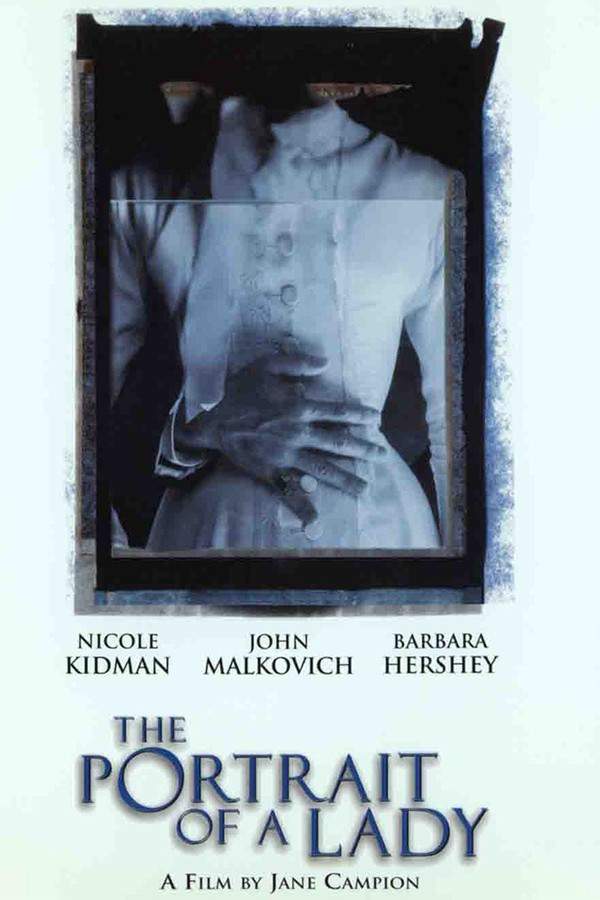
The Portrait of a Lady

The Portrait of a Lady

Year: 1996

Runtime: 144 min

Language: English

Director: Jane Campion

DramaRomance

A spirited young woman, Isabel Archer, inherits a generous fortune and travels to Europe seeking independence and experience. She finds herself caught in a web of complex relationships and societal expectations, particularly as she becomes involved with the mysterious and wealthy Edward Rosier. As Isabel explores her newfound freedom and pursues a romantic connection, she gradually discovers the hidden consequences of wealth and the subtle ways privilege influences personal identity and true happiness.

Warning: spoilers below!

Haven’t seen The Portrait of a Lady yet? This summary contains major spoilers. Bookmark the page, watch the movie, and come back for the full breakdown. If you're ready, scroll on and relive the story!

Timeline & Setting – The Portrait of a Lady (1996)

Explore the full timeline and setting of The Portrait of a Lady (1996). Follow every major event in chronological order and see how the environment shapes the story, characters, and dramatic tension.

Time period

The story unfolds in a period marked by social change and evolving gender roles, reflecting the constraints placed upon women during the late 19th century. This era was characterized by the struggle for independence and self-identity, which is deeply explored through Isabel's journey.

Location

Florence, Italy, England, Rome

The movie takes place in various locations, with Florence, Italy being a significant backdrop known for its art, culture, and romantic atmosphere. England provides the contrasting setting of societal expectations and familial ties. Rome, with its blend of ancient history and vibrant life, underscores the isolation Isabel faces in her tumultuous marriage.

🏛️ Historical 🌍 International 🌆 Urban

Last Updated: October 22, 2024 at 22:21

Main Characters – The Portrait of a Lady (1996)

Meet the key characters of The Portrait of a Lady (1996), with detailed profiles, motivations, and roles in the plot. Understand their emotional journeys and what they reveal about the film’s deeper themes.

Isabel Archer

Isabel Archer is a fiercely independent woman characterized by her beauty and strong will. She struggles between her desire for freedom and the oppressive dynamics of her marriage. Her character arc reflects a journey from youthful naivety to an acute awareness of her own needs and the shackles imposed by those around her.

👩‍🎤 Protagonist 💔 Heartbroken 🚺 Independent

Gilbert Osmond

Gilbert Osmond is a complex character portrayed as charming yet increasingly possessive. As Isabel's husband, he represents the darker side of love, transforming from a seemingly genuine partner to a controlling figure. His intricate relationship with Isabel exposes the themes of manipulation and loss of agency.

🧔 Antagonist 💼 Complex 🔒 Controlling

Ralph Touchett

Ralph Touchett is Isabel’s cousin and confidant, whose love for her is profound yet tragic. He embodies the alternative path of emotional support and honest counsel, even as he faces his own terminal illness. Ralph's character highlights the theme of unrequited love and sacrifice for another's happiness.

🧑‍🦱 Love Interest 💔 Supportive 😢 Tragic

Henrietta

Henrietta is Isabel’s devoted friend, whose genuine care for her often leads her to meddle in Isabel's affairs. Her character serves as a reminder of the complexities of friendship and the fine line between support and interference, as she subtly influences Isabel's choices.

👭 Friend 🍵 Caring 🤔 Meddling

Caspar Goodwood

Caspar Goodwood is another suitor of Isabel's, embodying the traits of determination and passion. His relentless pursuit of Isabel, despite her rejections, reflects the societal norms around courtship. His character adds an additional layer of complexity to Isabel’s emotional turmoil.

🕴️ Suitor 🥵 Passionate 🤷‍♂️ Determined

Last Updated: October 22, 2024 at 22:21

Major Themes – The Portrait of a Lady (1996)

Explore the central themes of The Portrait of a Lady (1996), from psychological, social, and emotional dimensions to philosophical messages. Understand what the film is really saying beneath the surface.

🚪 Freedom vs. Confinement

The theme of freedom versus confinement permeates the narrative as Isabel strives for independence amidst societal and relational constraints. Her struggle highlights the complexities that arise when one seeks to escape a life dictated by others’ expectations. This conflict is a poignant exploration of the sacrifices made for love and autonomy.

❤️ Love and Sacrifice

The story intricately weaves love and sacrifice, showcasing how Isabel's relationships compel her to make difficult choices. The sacrifices she faces are not only emotional but also reflect the societal pressure to conform to the roles defined by patriarchal expectations. This theme is accentuated through her interactions with Ralph and Gilbert.

Last Updated: October 22, 2024 at 22:21

Mobile App Preview

Coming soon on iOS and Android

The Plot Explained Mobile App

From blockbusters to hidden gems — dive into movie stories anytime, anywhere. Save your favorites, discover plots faster, and never miss a twist again.

Sign up to be the first to know when we launch. Your email stays private — always.

Explore Movie Threads

Discover curated groups of movies connected by mood, themes, and story style. Browse collections built around emotion, atmosphere, and narrative focus to easily find films that match what you feel like watching right now.

Gilded Cage Dramas like The Portrait of a Lady

Stories where wealth and privilege become beautiful prisons for the soul.Find more movies like The Portrait of a Lady that delve into the theme of the gilded cage. These character-driven dramas feature protagonists whose lives of privilege and wealth mask deep personal entrapment and emotional isolation, often set against a backdrop of strict societal expectations.

oppressivereflectivemelancholicsombergilded cagelonelyrestrainedtragic

Narrative Summary

Narratives in this thread typically follow a character who enters a world of material wealth or high society, only to discover that it demands the sacrifice of their autonomy, authenticity, or true desires. The central conflict is internal, a struggle between the comforts of a prescribed life and the yearning for personal freedom, often ending in a bittersweet or tragic realization.

Why These Movies?

These films are grouped together because they share a core thematic focus on the psychological cost of privilege. They create a similar viewing experience through their melancholic tone, heavy emotional weight, and meticulous depiction of how beautiful surroundings can amplify feelings of loneliness and confinement.
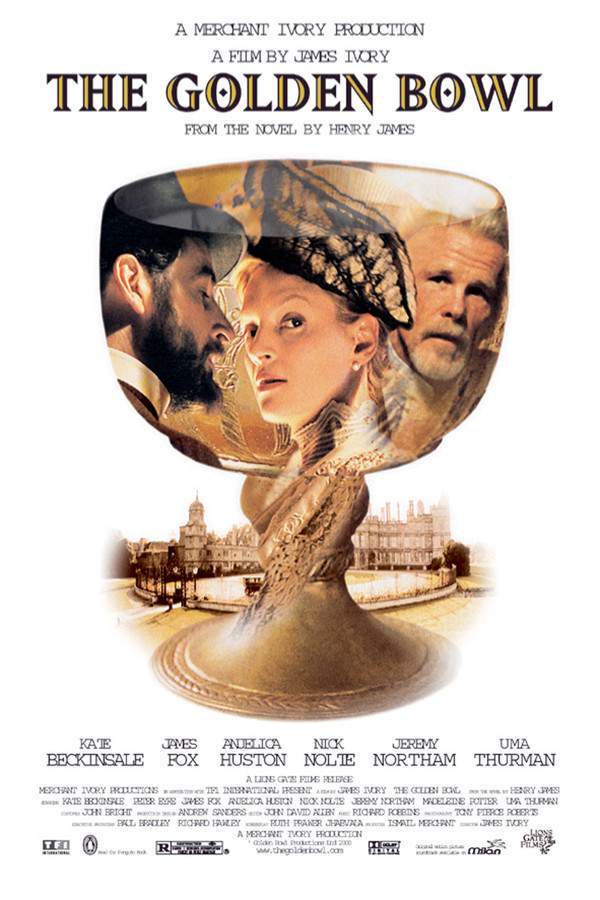
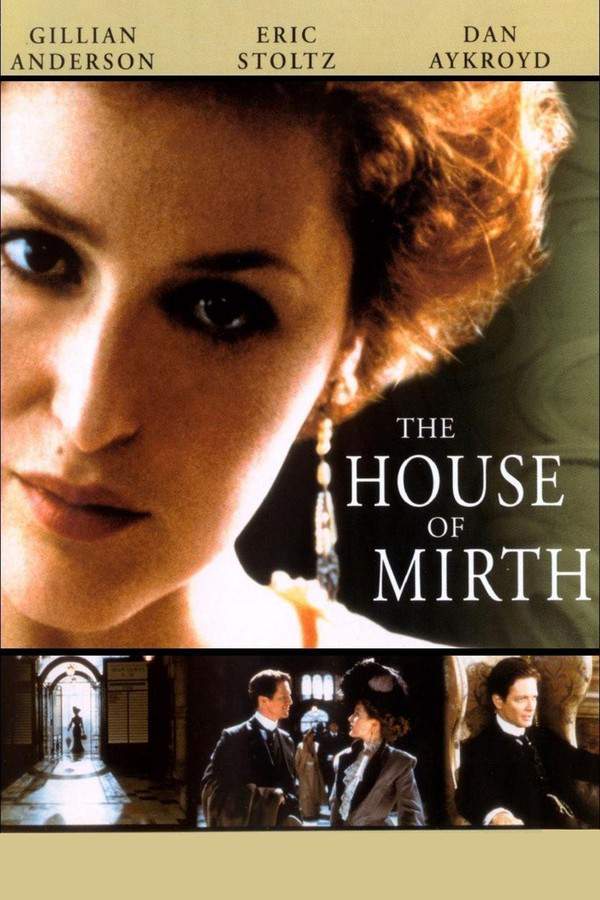
Slow Burn Melancholy films like The Portrait of a Lady

Quiet, character-focused films where sadness unfolds with deliberate grace.If you appreciated the reflective, somber pace of The Portrait of a Lady, explore these similar slow burn melancholy movies. These films share a deliberate pacing, a heavy emotional tone, and a focus on the subtle nuances of character psychology and bittersweet endings.

melancholicsomberreflectiveslow burnbittersweettragiclonelyrestrained

Narrative Summary

The narrative pattern is less about external events and more about an internal, emotional journey. The story unfolds gradually, focusing on psychological nuance and the slow erosion of hope or spirit. The climax is often a moment of quiet realization or acceptance rather than a dramatic action, leading to an ending steeped in bittersweet or tragic feeling.

Why These Movies?

Movies in this thread are connected by their shared atmospheric and emotional qualities. The combination of slow pacing, a melancholic or somber tone, and heavy emotional weight creates a specific, immersive vibe that is perfect for viewers seeking a contemplative and moving experience.

Unlock the Full Story of The Portrait of a Lady

Don't stop at just watching — explore The Portrait of a Lady in full detail. From the complete plot summary and scene-by-scene timeline to character breakdowns, thematic analysis, and a deep dive into the ending — every page helps you truly understand what The Portrait of a Lady is all about. Plus, discover what's next after the movie.

The Portrait of a Lady Summary

Read a complete plot summary of The Portrait of a Lady, including all key story points, character arcs, and turning points. This in-depth recap is ideal for understanding the narrative structure or reviewing what happened in the movie.

The Portrait of a Lady Summary

The Portrait of a Lady Timeline

Track the full timeline of The Portrait of a Lady with every major event arranged chronologically. Perfect for decoding non-linear storytelling, flashbacks, or parallel narratives with a clear scene-by-scene breakdown.

The Portrait of a Lady Timeline

The Portrait of a Lady Spoiler-Free Summary

Get a quick, spoiler-free overview of The Portrait of a Lady that covers the main plot points and key details without revealing any major twists or spoilers. Perfect for those who want to know what to expect before diving in.

The Portrait of a Lady Spoiler-Free Summary

More About The Portrait of a Lady

Visit What's After the Movie to explore more about The Portrait of a Lady: box office results, cast and crew info, production details, post-credit scenes, and external links — all in one place for movie fans and researchers.

More About The Portrait of a Lady

Similar Movies to The Portrait of a Lady

Discover movies like The Portrait of a Lady that share similar genres, themes, and storytelling elements. Whether you’re drawn to the atmosphere, character arcs, or plot structure, these curated recommendations will help you explore more films you’ll love.