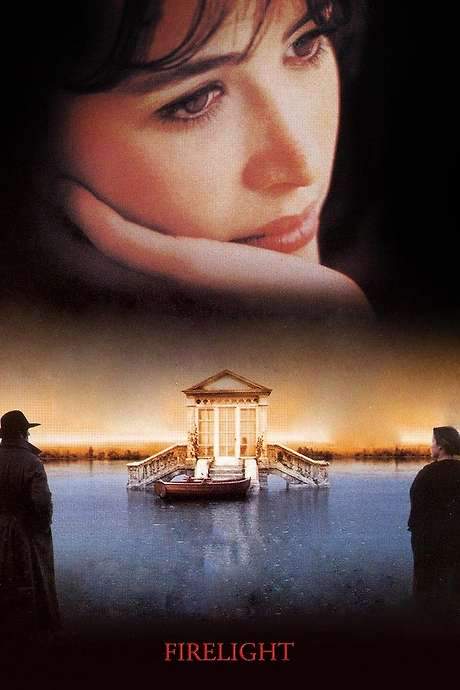
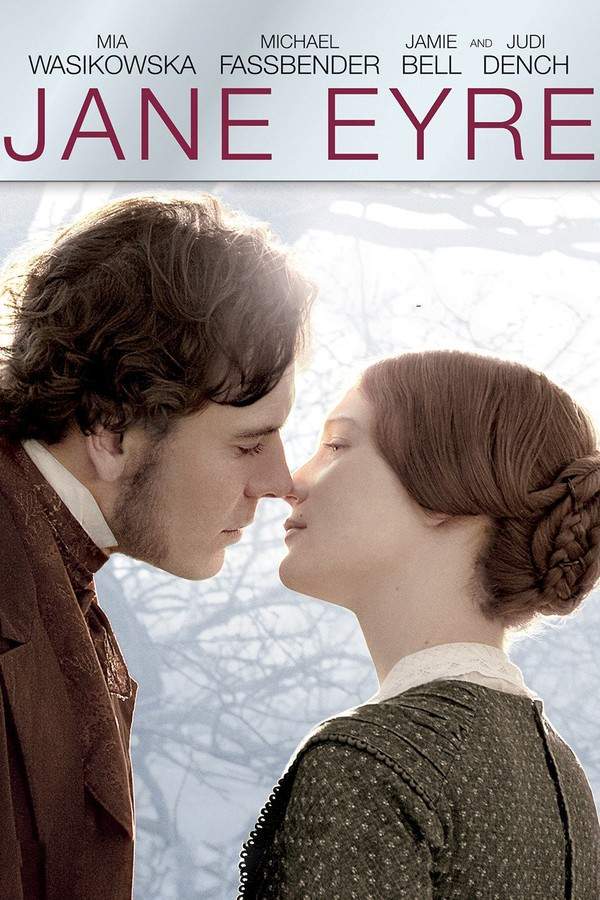
Jane Eyre, portrayed as the orphan girl by Anna Paquin and as an independent woman by Charlotte Gainsbourg, begins as a plain, impoverished young woman who accepts a governess post for Adèle at Thornfield Hall. She is hired by the enigmatic Mr. Rochester and supervised by the capable housekeeper Mrs. Fairfax. Behind her quiet, nun-like demeanor lies a temperate, intense spirit: she speaks her mind when it matters, resists social pretenses, and stands firm when trouble arises. This tension between appearances and inner conviction becomes the backbone of her budding relationship with Rochester, a man who challenges and unsettles her in equal measure.
Rochester, a Byronic anti-hero tormented by family troubles and long-held secrets, finds in Jane a rare equal who can challenge him yet understand him. Their conversations crackle with wit and candor as they exchange ideas and hopes, gradually replacing formality with trust. The bond grows into a mutual affection that feels more like companionship than convention, and soon a decision to marry seems both natural and fated. Yet Jane’s happiness is shadowed by the reality that Rochester is already bound to another, a wife hidden in an upstairs attic.
Bertha Mason, Rochester’s ill-fated wife, is a figure of mystery tied to Thornfield’s dark history. She is kept out of sight under the care of nurse Grace Poole [Billie Whitelaw], while Bertha’s presence haunts the couple’s conversations and choices. The threat becomes concrete when Bertha’s brother Richard Mason [Edward de Souza] and their lawyer Briggs [Peter Woodthorpe] intervene to halt the wedding, forcing Jane to confront a future denied by circumstance rather than by choice. The atmosphere at Thornfield grows tense, and Jane’s resolve is tested as she weighs duty, desire, and moral integrity.
With her world broken, Jane flees Thornfield and seeks solace at an aunt’s home, only to discover an unexpected windfall: a fortune left to her by a long-lost Madeira-based uncle. The sudden wealth opens new doors and invites new possibilities, including a proposal of marriage from Parson St. John Rivers [Samuel West], who embodies a calm, capable alternative to the man she loves. Yet the pull of Rochester remains strong, and Jane must decide where her true loyalties lie, balancing independence with the appeal of a shared life.
Jane eventually returns to Rochester, only to find Thornfield burned and Rochester injured—blinded in the aftermath of the fire that consumed Bertha’s clandestine world. The loss of his sight and the ruin of his estate strip away his pretenses, but Jane’s fidelity endures. She becomes his nurse and partner, offering steadiness and care as he rebuilds his life. In time, Rochester’s sight returns, and the couple’s love endures, culminating in a quiet, steadfast marriage that promises a life together beyond social constraints.
Throughout this journey, the film threads themes of resilience, moral integrity, and the tension between independence and dependence. Jane’s voice, reliably clear and morally unyielding, anchors the story as she moves from vulnerability to agency, from fear to commitment. The relationship is not merely a romance but a study in mutual respect, sacrifice, and the boundaries of power within a society rooted in class and propriety.