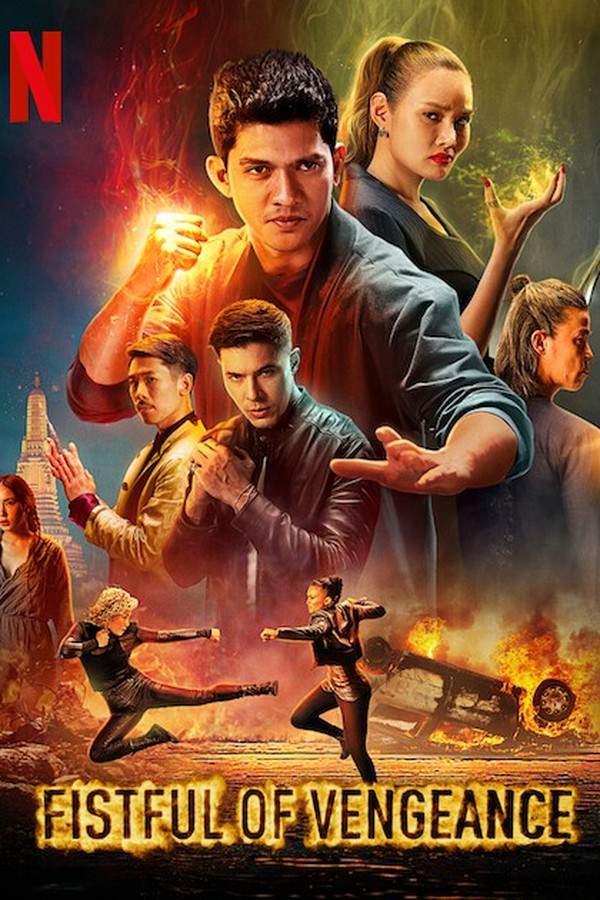
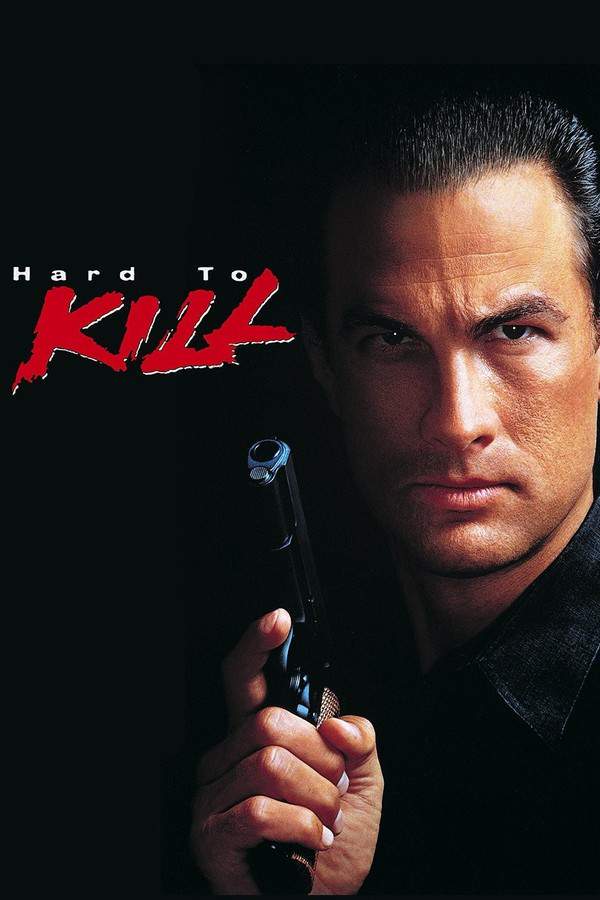
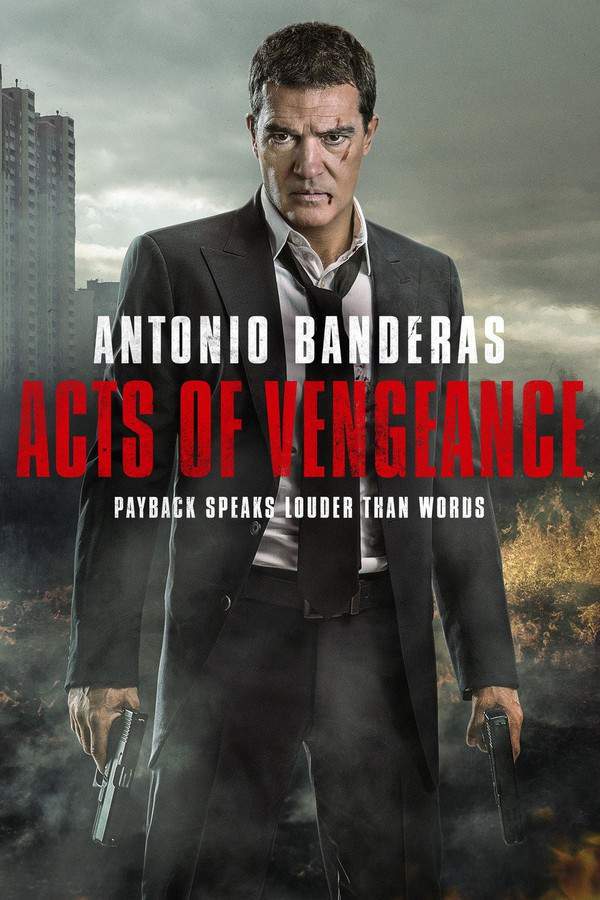
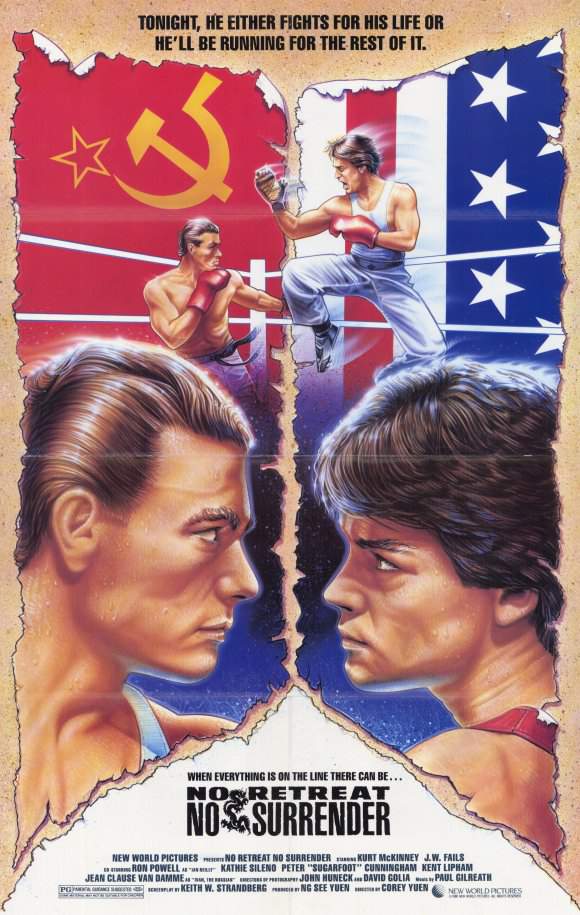
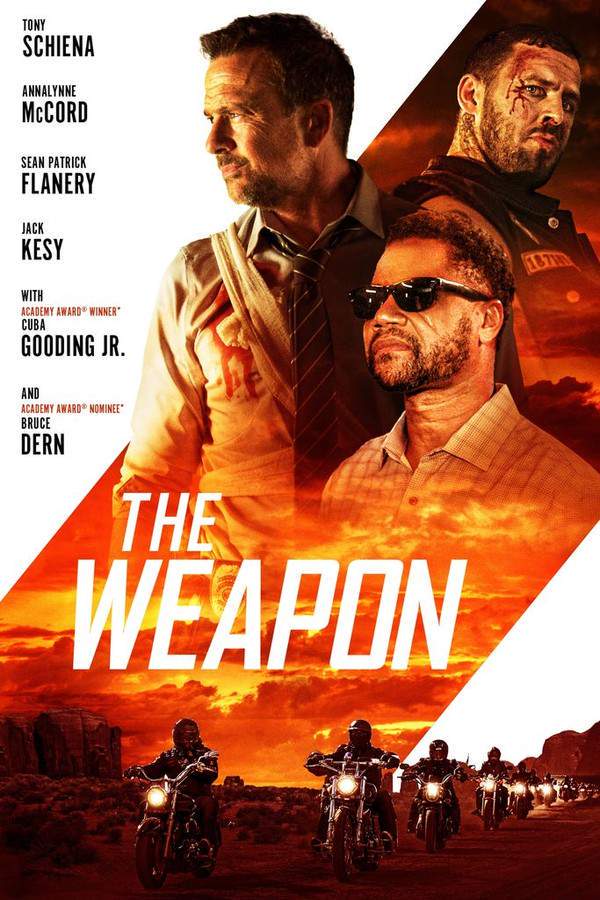
Jeff Sanders leads a life that feels split in two: by day he works quietly as a construction worker, and by night he trains as a skilled student and master of American Kenpo. The film slowly unfolds his past to show why he carries such a volatile edge. As a child, he lost his mother and found himself drifting away from his family, an anger that bubbled up whenever he felt alienated. His father, Captain Carl Sanders, tries to steer him toward discipline, enlisting the help of a mutual friend in Koreatown, Kim, to guide his anger through martial arts. Jeff’s fierce temper flares after a brutal incident — he lashes out at a football player who harmed his younger brother — and in response, his father makes him leave home. From there, Jeff grows into his Kenpo training, while Kim becomes a mentor and a father figure who helps him channel his intensity rather than condemn it.
When Jeff returns to his old neighborhood to check on Kim, danger follows. Kim’s antique shop becomes a frontline in a clash with local Korean mob families who resist being bought off or used to traffic drugs. Jeff steps in, dispatching the henchmen who threaten Kim’s livelihood. The moment is interrupted by the appearance of a hulking hitman, Tanaka, who brutally eliminates the lead assailant and, later, Kim himself in a cold display of power. Jeff pursues the clues, hoping to uncover who ordered Kim’s murder, and searches for a boy named Jimmy who once lived with Kim and might hold answers. But the trail is tangled with family ties and police business, because Jeff’s estranged younger brother Adam is now a cop himself and is investigating the case from the official side, warning Jeff not to chase vengeance on his own.
A mob boss named Yung steps into the picture, claiming he’s a friend of Kim and steering Jeff toward another figure, Sam. Jeff breaks into Sam’s residence to confront him, only to be thwarted by revelations from Jimmy: Sam was among Kim’s closest allies and helped keep Jimmy safe, while Yung is revealed to be the true architect behind Kim’s death — someone using Jeff as a pawn to eliminate a rival. With this understanding, Jeff shifts his plan to target Yung directly, aware that Tanaka is the dangerous sentry protecting Yung and that simply taking out Yung could prove fatal if Tanaka remains free.
To level the playing field, Jeff enlists Jimmy to provide false testimony to Adam, stating that he witnessed Tanaka murder Kim. The plan succeeds in drawing Tanaka into custody after a high-speed chase, but Yung slips away, forcing Jeff to rethink his approach. Tanaka is temporarily neutralized with a taser, yet he manages to break free, injuring Adam and a fellow officer in the process. The pursuit accelerates toward a brutal confrontation as Jimmy overhears Yung’s plan to flee the country by boat and discovers the location of Yung’s drug factory.
Armed with his Kenpo skills and a repertoire of weapons, Jeff storms the factory, cutting through guards and workers to reach Yung. The fight culminates in a tense back-and-forth where Tanaka proves to be a formidable obstacle, nearly overpowering Jeff. In a decisive moment, Jeff manages to kill Tanaka by setting him aflame near a gas tank, a ruthless move that marks the most intense test of his self-control yet. Although his initial instinct is to end Yung’s life, Jeff chooses a different path: he captures Yung alive and hands him over to his father, Captain Sanders, signaling a measured restraint that has grown from his years of training and inner conflict.
The film closes with a quiet, reflective beat as Jeff visits the Kenpo dojo — not to fight, but to reconnect with his former master and a former fellow student. The journey maps a complex arc from anger and exile toward discipline, responsibility, and a restrained sense of justice, underscoring the recurring theme that strength is tempered by self-control and careful choice.