




Plot Explained Spoilers guaranteed!
Plot Explained

Browse by genre

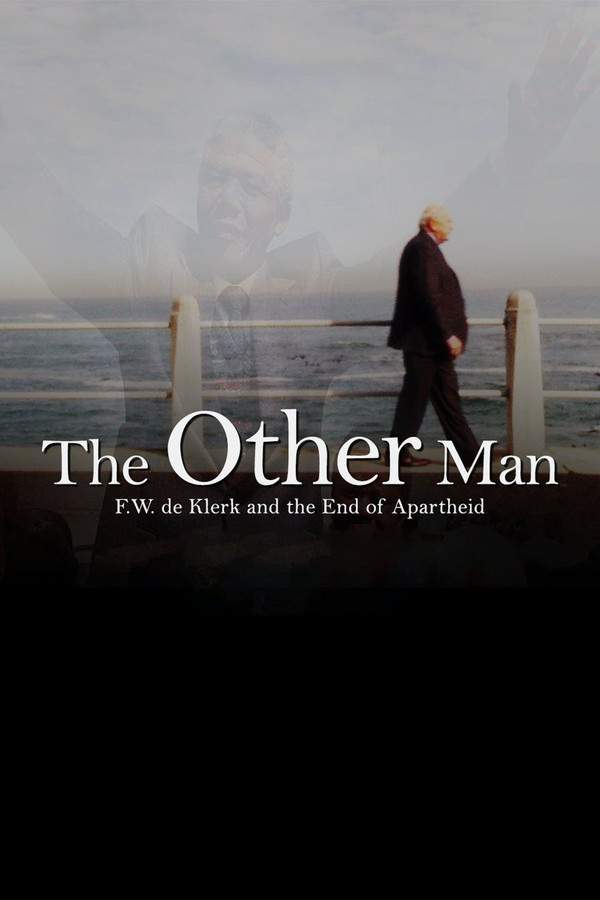
The Other Man: F.W. de Klerk and the End of Apartheid (2015) movie poster

Characters & Themes

The Other Man: F.W. de Klerk and the End of Apartheid (2015) Characters, Setting & Themes Explained

Release, runtime and language
2015 · 75 min · English
Directed by
Nicolas Rossier

This documentary explores the surprising journey of F.W. de Klerk, the last apartheid-era president of South Africa. It examines his pivotal role in transitioning from imprisoning Nelson Mandela to collaborating with him, a partnership that prevented a potential civil war and fundamentally altered South Africa's future. The film investigates the complexities of de Klerk’s political evolution and sheds light on his legacy, revealing the unexpected decisions that led to a historic reconciliation.

On this page (8)
  1. 1 Where to watch
  2. 2 Characters explained (2)
  3. 3 Where & when it takes place
  4. 4 Themes & meaning (3)
  5. 5 Character & meaning questions
  6. 6 Movie threads
  7. 7 Movies like The Other Man: F.W. de Klerk and the End of Apartheid
  8. 8 Every angle

Where to watch

Where to Watch The Other Man: F.W. de Klerk and the End of Apartheid (2015)

Where can you watch The Other Man: F.W. de Klerk and the End of Apartheid? Stream, rent or buy it in the US, including on BINGE Movies & TV, Fawesome and Tubi TV: current JustWatch availability with up-to-date prices.

Streaming availability powered by JustWatch

2 main characters · contains spoilers

The Other Man: F.W. de Klerk and the End of Apartheid Characters Explained: Who Is Who

The main characters of The Other Man: F.W. de Klerk and the End of Apartheid (2015), heroes and villains: what drives them, how they change over the course of the story and what each of them reveals about the film's bigger ideas.

  • F.W. de Klerk

    F.W. de Klerk is depicted as a complex figure, once an staunch defender of apartheid who ultimately played a crucial role in its dismantling. His transformative actions towards the end of his presidency have made him both reviled and praised, highlighting the multifaceted nature of his legacy. The film explores his internal struggles and the motivations behind his shift towards reconciliation.

    • 👔 Politician
    • 🇿🇦 Historical Figure
    • 🕰️ Controversial
  • Nelson Mandela

    Nelson Mandela is portrayed as a symbol of resilience and hope, who emerged from 27 years of imprisonment to lead South Africa towards a democratic future. His strength and vision for a united nation stand in stark contrast to the oppressive past, making him a central character in the narrative of reconciliation. The dynamics of his relationship with de Klerk are pivotal in understanding the political landscape of the time.

    • ✊ Activist
    • 🇿🇦 Leader
    • 📖 Inspirational

Last updated: May 04, 2025 at 18:47

Was this helpful?

Setting

Where and When Does The Other Man: F.W. de Klerk and the End of Apartheid Take Place?

The setting of The Other Man: F.W. de Klerk and the End of Apartheid (2015): the year and time period, the places and locations, and how they shape the characters, the mood and the tension of the story.

Time period

1989-1994

The period from 1989 to 1994 was transformative for South Africa, marked by the end of apartheid and the establishment of a multi-racial democracy. This era saw the release of Nelson Mandela and comprehensive reforms that dismantled decades of institutionalized racial segregation. It was a time of both hope and tension as the country navigated its new identity.

Location

South Africa

South Africa is a country located at the southern tip of the African continent. Known for its diverse cultures and complex history, it was the epicenter of the anti-apartheid movement, leading to significant social and political changes. The transition from apartheid to a multi-racial democracy marked a crucial chapter in its narrative, with Nelson Mandela and F.W. de Klerk playing pivotal roles.

  • 🌍 Location
  • 🇿🇦 Country

Last updated: May 04, 2025 at 18:47

Was this helpful?

3 major themes

The Other Man: F.W. de Klerk and the End of Apartheid Meaning: Themes & Message Explained

What is The Other Man: F.W. de Klerk and the End of Apartheid (2015) really about? The emotional, social and philosophical themes the film keeps returning to, its symbolism and the message beneath the surface.

  • Reconciliation

    Reconciliation is a central theme in the movie, exploring how former adversaries navigated their complicated relationships in the wake of apartheid's end. The film highlights the struggles and successes of building a unified nation from a history of division. It delves into the moral and ethical implications faced by leaders during South Africa's transition to democracy.

  • Justice

    The theme of justice resonates throughout the narrative, examining the legal and societal changes that sought to address past injustices. The film presents an in-depth look at the various figures who played roles in the Truth and Reconciliation Commission, underscoring the challenges in pursuing justice for a deeply fractured society. It poses questions about accountability and the legacy of past actions.

  • Leadership

    Leadership is a prominent theme, as the film assesses de Klerk's role in dismantling apartheid while grappling with his controversial past. The portrayal of his political journey raises important discussions about the complexities of leadership during transitional periods. It reflects on the sacrifices and decisions made by leaders in their pursuit of national harmony.

Last updated: May 04, 2025 at 18:47

Was this helpful?

Character & theme questions

The Other Man: F.W. de Klerk and the End of Apartheid Characters & Meaning: Your Questions Answered

The questions people ask about The Other Man: F.W. de Klerk and the End of Apartheid (2015): who the characters really are, their relationships, what the symbols mean, where it takes place and what the movie is really about. Each answer contains spoilers.

Q1

Where does this documentary take place?

The documentary is set in South Africa, the country at the southern tip of the African continent. South Africa was the epicenter of the anti-apartheid movement and underwent a profound political transformation during the early 1990s.

  • south africa
  • location
  • apartheid
  • setting
Q2

What time period does the documentary cover?

The documentary covers the period from 1989 to 1994, which was transformative for South Africa. This era witnessed the end of apartheid, the release of Nelson Mandela after 27 years in prison, and the establishment of a multi-racial democracy.

  • 1989
  • 1994
  • time period
  • apartheid ending
  • history
Q3

How does the film explore reconciliation?

Reconciliation is a central theme in the documentary, exploring how former adversaries like F.W. de Klerk and Nelson Mandela navigated their complicated relationships after apartheid ended. The film examines the struggles and successes of building a unified nation from a history of division.

  • reconciliation
  • unity
  • de klerk
  • mandela
  • forgiveness
Q4

What role does justice play in the film?

The theme of justice examines the legal and societal changes that sought to address past injustices in South Africa. The film looks at the Truth and Reconciliation Commission and poses questions about accountability and the legacy of past actions under apartheid.

  • justice
  • truth and reconciliation commission
  • accountability
  • apartheid crimes
Q5

How is leadership portrayed in the documentary?

Leadership is a prominent theme as the film assesses F.W. de Klerk's role in dismantling apartheid while grappling with his controversial past. It reflects on the complexities and sacrifices leaders made during South Africa's transition to democracy.

  • leadership
  • de klerk
  • political leadership
  • transition
  • democracy
Q6

Who is F.W. de Klerk in the documentary?

F.W. de Klerk is depicted as a complex figure who was once a staunch defender of apartheid but ultimately played a crucial role in its dismantling. His transformative actions towards the end of his presidency have made him both reviled and praised, highlighting the multifaceted nature of his legacy.

  • f.w. de klerk
  • apartheid president
  • south african leader
  • transformation
Q7

Who is Nelson Mandela in the film?

Nelson Mandela is portrayed as a symbol of resilience and hope who emerged from 27 years of imprisonment to lead South Africa towards a democratic future. His vision for a united nation stands in stark contrast to the oppressive apartheid past.

  • nelson mandela
  • prisoner
  • president
  • resistance
  • unity
Q8

What was the relationship between de Klerk and Mandela?

The documentary explores the complex dynamics between F.W. de Klerk and Nelson Mandela, whose partnership was pivotal in preventing a potential civil war. Their relationship evolved from adversaries to collaborators in South Africa's transition to democracy.

  • de klerk mandela relationship
  • political partnership
  • collaboration
  • transition
Q9

Why did F.W. de Klerk release Nelson Mandela?

The documentary investigates the motivations behind de Klerk's decision to release Mandela after 27 years of imprisonment. This unexpected decision marked a turning point that led to collaborative efforts between the two leaders to prevent civil war and fundamentally alter South Africa's future.

  • mandela release
  • de klerk decision
  • political reform
  • apartheid end
Q10

What is the tone of this documentary?

The documentary maintains a neutral, analytical tone as it investigates de Klerk's political evolution and legacy. While the subject matter is inherently heavy due to themes of systemic oppression, the film methodically presents historical events and interviews without eliciting a specific emotional response.

  • documentary style
  • tone
  • analytical
  • biographical
  • historical
Q11

What is the outcome depicted in the documentary?

The documentary depicts a bittersweet ending: South Africa successfully transitioned from apartheid to a multi-racial democracy, preventing civil war. However, this victory is tempered by the immense cost of apartheid and lingering questions about justice and the completeness of reconciliation.

  • ending
  • democracy
  • outcome
  • transition
  • civil war prevention

Movie threads

More Movies Like The Other Man: F.W. de Klerk and the End of Apartheid, by Mood & Story

Curated lists built around what makes The Other Man: F.W. de Klerk and the End of Apartheid tick: the same mood, the same kind of story or the same emotional payoff. Each list explains why these movies belong together.

Documentaries on Controversial Legacies like The Other Man: F.W. de Klerk and the End of Apartheid

Documentaries that investigate the complex and debated figures behind pivotal moments. For viewers who liked the historical investigation in The Other Man, this section features movies about complex political figures and disputed legacies. Find similar documentaries that offer a somber, reflective look at the people behind major historical turning points, inviting you to grapple with difficult moral questions.

  • historical
  • reflective
  • thought-provoking
  • somber
  • critical
  • informative
  • Tone: neutral, reflective, critical
  • Pacing: steady, methodical
Why these movies?

The story pattern: Movies in this thread typically follow an investigative structure, piecing together historical events through archival footage, interviews, and expert analysis. The narrative builds a nuanced portrait of a central figure, focusing on the tension between their positive contributions and the harm they may have caused. The journey is one of peeling back layers to understand motivation and consequence.

Why they belong together: These films are grouped by their shared commitment to examining history's gray areas. They share a neutral to critical tone, a steady pacing suited for methodical investigation, and a heavy emotional weight derived from confronting painful truths about power and injustice. The focus is on legacy, transition, and reconciliation.


Movies with Bittersweet Endings about Painful Transitions like The Other Man: F.W. de Klerk and the End of Apartheid

Stories where societal healing is achieved, but at a significant and acknowledged cost. If you appreciated the bittersweet resolution in The Other Man, explore films that capture the complex emotions of societal change. Discover dramas and documentaries where progress is hard-won, leaving characters and audiences with a mix of hope and sorrow about the costs of transformation.

  • bittersweet
  • somber
  • thought-provoking
  • historical
  • heavy
  • reflective
  • Tone: somber, bittersweet, heavy
  • Pacing: steady, deliberate
Why these movies?

The story pattern: The narratives in this thread follow a journey from a state of conflict or oppression toward a resolution that prevents greater disaster, yet falls short of a purely happy ending. The climax is often a political or moral compromise, and the conclusion reflects on what was sacrificed for peace or justice, leaving a lasting emotional resonance.

Why they belong together: These films share a specific emotional trajectory: they build toward a resolution that feels simultaneously like an achievement and a loss. They are united by a bittersweet ending feel, a heavy emotional weight, and moderate complexity in dealing with moral and political nuance. The pacing is often steady, allowing the gravity of the transition to unfold.

If you liked this

Movies Like The Other Man: F.W. de Klerk and the End of Apartheid

Similar movies to The Other Man: F.W. de Klerk and the End of Apartheid: the same genre, themes or kind of story. Each one comes with its own plot summary, timeline and ending explained.

Browse all movie summaries

Every angle

The Other Man: F.W. de Klerk and the End of Apartheid (2015) Explained: Plot, Timeline & Characters

Everything about The Other Man: F.W. de Klerk and the End of Apartheid in one place: what happens in the plot summary, the timeline in chronological order, the characters and meaning and a spoiler-free summary. What's After the Movie adds the cast, box office and post-credit scenes.

Coming soon on iOS and Android

The Plot Explained Movie Summary App

Plot summaries, endings explained and timelines on your phone. Catch up on any movie in minutes, save your favorites and never miss a twist again.

Be the first to know when we launch. Your email stays private, always.

Learn more about the app