Plot Explained Spoilers guaranteed!
Plot Explained

Browse by genre

The Official Story (1985) movie poster

Timeline

The Official Story (1985) Timeline Explained – Every Event in Order

Release, runtime and language
1985 · 112 mins · Spanish
Directed by
Luis Puenzo
Starring
Patricio Contreras, Héctor Alterio, Pablo Rago, Augusto Larreta, Marcos Woinsky, Gabriel González

In 1983 Buenos Aires, as Argentina’s brutal military dictatorship crumbles, history teacher Alicia begins to probe the unsettling secrets surrounding Gaby, the daughter she adopted. The investigation forces her to confront a terrifying truth the regime tried to hide, revealing the dark origins of her child’s past.

On this page (5)
  1. 1 Events in order (12)
  2. 2 Timeline questions answered
  3. 3 Movie threads
  4. 4 Movies like The Official Story
  5. 5 Every angle

12 events in order · contains spoilers

The Official Story Timeline: Events in Chronological Order

Every key event of The Official Story (1985) in order, scene by scene, with when and where it takes place. Use it to untangle flashbacks, time jumps and parallel storylines, to refresh your memory before the sequel or to find the exact scene you are thinking of.

  1. Alicia's ordinary life under dictatorship

    In 1983 Buenos Aires, Alicia Maquet is a high school history teacher who lives with her husband Roberto and their adopted daughter Gaby. She remains largely unaware of the regime's brutality, trusting that only guilty people are arrested. Their comfortable routine masks the growing fear outside their home.

    When
    1983
    Where
    Buenos Aires
  2. Classroom doubt and challenge

    During a classroom discussion about Mariano Moreno, Costa questions the official history as being written by murderers. Benítez steps in to shield a student and challenge the conformity of the moment. The seeds of Alicia's doubt begin to take root.

    When
    1983
    Where
    School
  3. Ana's return and nightmare

    Ana returns from exile and recounts how officials ransacked her apartment and tortured her for living with someone branded subversive. She reveals that babies were taken from pregnant women, a detail that traumatizes Alicia. Her story shakes Alicia's sense of safety.

    When
    1983
    Where
    Ana's story; Alicia's circle
  4. Gaby's origins questioned

    Alicia starts questioning Gaby's birth and origins, asking why they celebrate the day they brought her home instead of her birthday. Roberto urges her to ignore the questions and stay calm. The tension between truth and family silence grows.

    When
    1983
    Where
    Home
  5. Newspaper evidence of desaparecidos

    Alicia arrives at school to find newspaper accounts of the desaparecidos taped to the blackboard, a stark public reminder of the terror. Costa continues to provoke his classmates, while Benítez intervenes to protect him. The atmosphere of fear becomes personal for Alicia.

    When
    1983
    Where
    School
  6. Alicia pursues Gaby's records

    While seeking Gaby's hospital birth records, Alicia learns of an organization searching for missing children. She meets Sara, a woman whose pregnant daughter was kidnapped by the armed forces. The possibility that Gaby could be connected surfaces.

    When
    1983
    Where
    City / Office
  7. Sara's photo and possible kinship

    Sara shows Alicia a photo of her own missing daughter at Gaby's age, looking strikingly like Gaby. This sight deepens Alicia's suspicion that Gaby may be related. The mystery presses in on Alicia and Roberto.

    When
    1983
    Where
    Alicia's home / meeting
  8. Roberto's pressure and family tensions

    Roberto faces pressure at work as colleagues and relatives maneuver within the system, and several employees disappear. Ana confronts him about accusations that he denounced her, widening the rift among friends. The couple's bond strains under the regime's shadow.

    When
    1983
    Where
    Work / Home
  9. Alicia invites Sara home

    Alicia brings Sara to meet Roberto, hoping for understanding, but he erupts with anger and demands that Sara leave. Alicia realizes he cares little about the truth of Gaby's origins. The couple's tensions come to a head in their own home.

    When
    1983
    Where
    Home
  10. The assault and the phone call

    Alicia confronts Roberto about not knowing Gaby's origins, and he attacks her in a fit of rage. The telephone rings, and Gaby, who is at her grandparents’ house, asks to sing a nursery rhyme to her mother. The moment interrupts the violence but leaves Alicia shaken.

    When
    Evening 1983
    Where
    Home; Grandparents' house
  11. Alicia leaves behind her keys

    After the call, Alicia tears up and leaves the house with her purse, forgetting her keys at the door. The act marks a decisive separation from an untruthful life. She steps into an uncertain future in search of truth.

    When
    Evening 1983
    Where
    Doorstep
  12. Gaby's final moment

    The film closes on Gaby sitting in a wicker rocking chair, continuing to sing the same nursery rhyme. The image lingers, signaling the unresolved questions about Gaby's origins. The last frame ties the personal to the broader trauma of the era.

    When
    End of 1983
    Where
    Grandparents' house

Last updated: October 09, 2025 at 14:27

Was this helpful?

Timeline questions answered

The Official Story Timeline Explained: Your Questions Answered

When does it happen, and why in that order? The questions people ask about the chronology of The Official Story (1985): time jumps, flashbacks, cause and effect between scenes and the correct order of events, each answered with spoilers.

Q1

Why does Roberto refuse to investigate Gaby's origins?

Roberto's refusal stems from his complicity in the regime's crimes. As a government official working within the military dictatorship, he likely knows or suspects that Gaby was stolen from a disappeared mother. His anger when Alicia confronts him about Sara reveals he cares more about protecting his reputation and past actions than uncovering the truth about his daughter.

Foreshadowing: Earlier, Roberto pressures Alicia to ignore questions about Gaby's birth and insists the adoption is straightforward, hinting at his knowledge of the cover-up.

  • roberto
  • gaby
  • adoption
  • cover-up
  • complicity
Q2

What happened to the babies of pregnant women who were disappeared?

During Argentina's dictatorship, pregnant women were detained and gave birth while in captivity. The babies were then stolen and given to military families or allies through illegal adoptions. This practice was systematic, children of disappeared parents were denied their true identity and raised by families connected to the regime. Sara tells Alicia that her pregnant daughter was kidnapped, revealing this dark network of stolen children.

Foreshadowing: Ana mentions this practice early in the film when she returns from exile, telling Alicia that babies were taken from pregnant mothers.

  • desaparecidos
  • babies
  • pregnant women
  • stolen children
  • dictatorship
Q3

Could Gaby be Sara's missing granddaughter?

The film strongly suggests this possibility. Sara shows Alicia a photograph of her missing daughter at Gaby's age, and the resemblance is striking enough to deeply disturb Alicia. While never confirmed, the visual parallel implies Gaby may be the child of Sara's daughter, making Sara her grandmother. This uncertainty is central to the film's emotional power, Alicia cannot know for certain, much like the broader unresolved trauma of the era.

Foreshadowing: Sara mentions her pregnant daughter was kidnapped by armed forces before Alicia meets her and sees the photo.

  • gaby
  • sara
  • granddaughter
  • missing daughter
  • resemblance
Q4

Why does Roberto assault Alicia when she confronts him?

Roberto's violence erupts from fear of exposure. When Alicia brings Sara to their home and insists on discussing Gaby's origins, Roberto realizes his complicity in the regime's crimes, and potentially in Gaby's abduction, may be revealed. His attack on Alicia is less about the marriage and more about protecting himself from the truth coming to light. The violence represents how the dictatorship's brutality infected even intimate family spaces.

Foreshadowing: Roberto has consistently dismissed Alicia's questions about Gaby's birth and warned her to stay calm, showing mounting pressure before the explosion.

  • roberto
  • alicia
  • assault
  • violence
  • cover-up
Q5

What does the nursery rhyme 'En el país de Nomeacuerdo' mean?

The rhyme translates to 'In the country of No-I-remember', a haunting commentary on Argentina's collective amnesia about the dictatorship's crimes. The title suggests a nation that refuses to remember its atrocities. When Gaby sings it at the end, it becomes a symbol of stolen children who will never know their true origins, and of a society that must choose whether to confront or forget its past.

Foreshadowing: Gaby first sings the nursery rhyme during the phone call that interrupts Roberto's assault, linking domestic violence to national trauma.

  • nursery rhyme
  • nomeacuerdo
  • memory
  • dictatorship
  • symbolism
Q6

Why does Alicia leave her keys at the door at the end?

Alicia leaves her keys as a symbol of abandoning her old life of comfortable ignorance. By forgetting them, deliberately or unconsciously, she chooses not to return to the house of lies. This act marks her departure from a marriage built on deception and from the passive complicity of the upper-middle class that ignored the regime's crimes. She walks toward an uncertain future but one grounded in truth-seeking.

Foreshadowing: The tension between Alicia and Roberto has been building throughout the film as she pushes for answers while he demands silence.

  • alicia
  • keys
  • departure
  • truth
  • separation
Q7

What prompts Alicia to investigate Gaby's adoption?

Alicia's investigation is triggered by multiple factors converging: Ana's stories about babies being stolen from pregnant women, her students raising questions about the dictatorship's crimes, and her growing discomfort with the fact that the family celebrates the day they brought Gaby home rather than her birthday. These elements combine to make her realize she knows nothing about her daughter's true origins, and that ignorance may be complicity.

Foreshadowing: Benítez and Costa's challenges in the classroom push Alicia to question official narratives, which then extends to her own family.

  • alicia
  • gaby
  • adoption
  • investigation
  • discovery
Q8

What happens to Gaby at the end of the film?

Gaby remains at her grandparents' house, safely outside the violence between her parents. The final scene shows her singing the nursery rhyme in a rocking chair, a tender image of innocence surviving amid unresolved trauma. Unlike the adults, she is unaware of the questions surrounding her identity. The film leaves her future uncertain, tied to whatever choice Alicia makes next.

Foreshadowing: Gaby's phone call during the assault interrupts the violence, and she is last seen at the grandparents' home throughout the conflict.

  • gaby
  • ending
  • innocence
  • nursery rhyme
  • safety

Movie threads

More Movies Like The Official Story, by Mood & Story

Curated lists built around what makes The Official Story tick: the same mood, the same kind of story or the same emotional payoff. Each list explains why these movies belong together.

Movies where domestic secrets reveal political horrors like The Official Story

Stories where a quiet home life cracks to reveal a horrifying political reality. If you liked how The Official Story unveils a dark historical truth through a family's quiet investigation, you'll appreciate these movies. They feature similar dramas where personal lives intersect with political crimes, leading to a heavy emotional reckoning.

  • tense
  • somber
  • unsettling
  • reflective
  • anxious
  • moral dilemma
  • Tone: tense, somber, unsettling
  • Pacing: steady, methodical
Why these movies?

The story pattern: The narrative follows a protagonist, often initially naive or willfully ignorant, who begins a personal investigation that methodically unravels the lies surrounding their life. This quest for truth pits intimate relationships against a broader, oppressive system, forcing a moral awakening.

Why they belong together: Movies in this thread share a powerful dramatic structure: the slow, steady pacing of a personal investigation, a tense and somber tone, and the high emotional weight of discovering that a beloved part of one's life is built upon a foundation of atrocity.
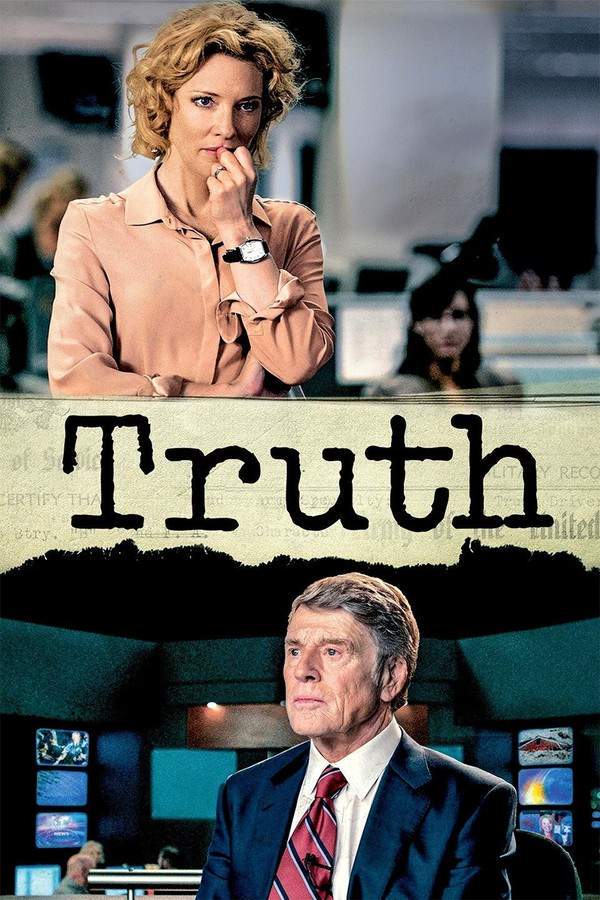

Bittersweet historical dramas with heavy emotional weight like The Official Story

Emotionally heavy journeys through traumatic history that end with fragile hope. Fans of The Official Story who appreciated its poignant blend of historical trauma and personal resilience will find more movies like it here. These films deliver a powerful, emotionally heavy viewing experience centered on political and human rights themes, culminating in a bittersweet conclusion.

  • somber
  • melancholic
  • reflective
  • historical
  • emotionally heavy
  • bittersweet
  • Tone: somber, reflective, melancholic
  • Pacing: steady, deliberate
Why these movies?

The story pattern: Stories in this thread are character-driven explorations of historical trauma, often set during or after periods of political oppression. The protagonist's journey involves confronting painful truths, leading to a conclusion that acknowledges profound loss but suggests the possibility of moving forward, however difficult that may be.

Why they belong together: This thread groups films that share a specific emotional mix: they are unflinchingly heavy in their subject matter, maintain a serious and reflective tone, and conclude with a bittersweet feeling that honors the pain of the past without descending into utter bleakness.

If you liked this

Movies Like The Official Story

Similar movies to The Official Story: the same genre, themes or kind of story. Each one comes with its own plot summary, timeline and ending explained.

Browse all movie summaries

Every angle

The Official Story (1985) Explained: Plot, Timeline & Characters

Everything about The Official Story in one place: what happens in the plot summary, the timeline in chronological order, the characters and meaning and a spoiler-free summary. What's After the Movie adds the cast, box office and post-credit scenes.

Coming soon on iOS and Android

The Plot Explained Movie Summary App

Plot summaries, endings explained and timelines on your phone. Catch up on any movie in minutes, save your favorites and never miss a twist again.

Be the first to know when we launch. Your email stays private, always.

Learn more about the app