





Plot Explained Spoilers guaranteed!
Plot Explained

Browse by genre

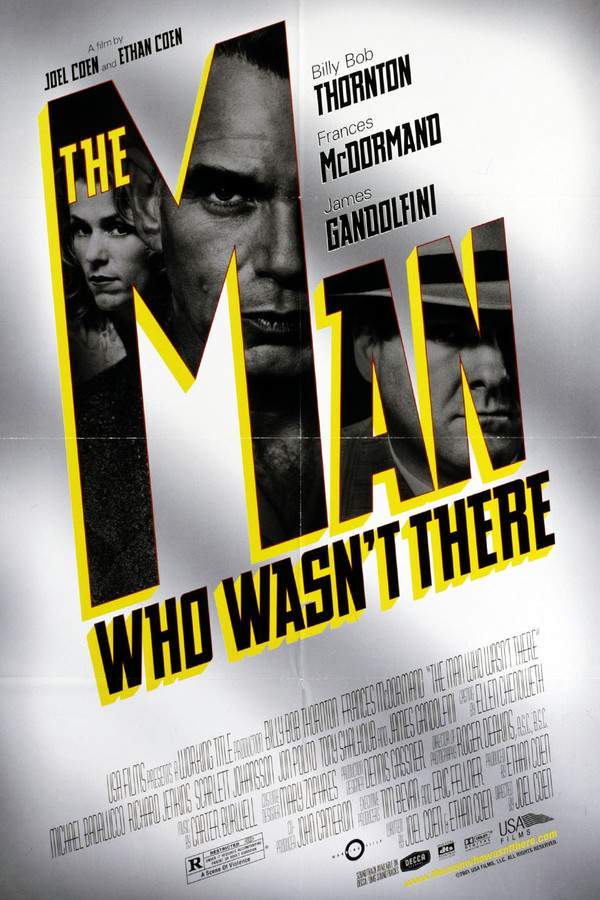
The Man Who Wasn't There (2001) movie poster

Spoiler-Free Summary

The Man Who Wasn't There (2001) Spoiler-Free Summary – What It's About

Release, runtime and language
2001 · 116 min · English
Directed by
Ethan Coen, Joel Coen
Starring
Billy Bob Thornton, Frances McDormand

In 1940s northern California, a reserved barber named Ed Crane finds his ordinary existence shattered by his wife's affair. This triggers a dangerous series of events involving deception, blackmail, and violence. As Ed becomes entangled in a complex scheme, he confronts a shadowy underworld and must confront his own moral compass while navigating a world of escalating risks and hidden truths.

On this page (7)
  1. 1 Where to watch
  2. 2 What it is about
  3. 3 Is it worth watching?
  4. 4 After you watch
  5. 5 Movie threads
  6. 6 Movies like The Man Who Wasn't There
  7. 7 Every angle

Where to watch

Where to Watch The Man Who Wasn't There (2001)

Where can you watch The Man Who Wasn't There? Stream, rent or buy it in the US, including on Amazon Video, Apple TV Store and Fandango At Home: current JustWatch availability with up-to-date prices.

Streaming availability powered by JustWatch

Spoiler-free summary · safe to read

What Is The Man Who Wasn't There About? (No Spoilers)

The plot of The Man Who Wasn't There (2001) without spoilers: what it is about, who it follows and where it takes place, told without the twists or the ending. Enough to decide whether it is your next watch, not enough to ruin it.

In the hushed streets of post‑war northern California, the world feels both familiar and edged with a lingering unease. The year is 1949, and the small‑town atmosphere of Santa Rosa is laced with the soft glow of neon signs, the scent of fresh coffee, and the occasional whisper of something darker stirring beneath the surface. A noir‑tinted palette paints everyday life with shadows, suggesting that even the most ordinary places can conceal hidden currents of tension.

Ed Crane is a quiet, methodical barber whose hands have learned the rhythm of a chair and a razor, but whose thoughts linger on the gaps between the cuts. He moves through his days in a modest shop owned by his brother‑in‑law, keeping his head down while the world outside rushes forward. Beneath his calm exterior lies a yearning for change—a desire to break free from a routine that feels as worn as the leather straps on his barber’s chair.

Ed’s marriage to Doris, a bookkeeper whose own struggles with alcohol hint at deeper wounds, adds another layer of complexity. Their relationship, once steady, now bears the weight of unspoken doubts and whispered rumors that suggest an intimacy frayed by distance. Meanwhile, Frank, the shop’s proprietor, offers a practical stability that contrasts with the growing restlessness in Ed’s life, hinting at familial obligations that are as binding as they are burdensome.

When a stranger arrives with a tempting proposition, the quiet equilibrium of Ed’s world begins to tilt. The promise of a new beginning pulls him toward a labyrinth of moral choices, where the lines between right and wrong blur in the half‑lit corners of a town that never quite sleeps. As he steps deeper into this subtle underworld, the film invites viewers to wonder how far a man will go to reshape his destiny, and whether the shadows he encounters will ultimately illuminate or consume him.

Last updated: August 10, 2025 at 11:35

Was this helpful?

What to expect

Is The Man Who Wasn't There Worth Watching? What It Feels Like

Is it dark, sad, slow, intense or confusing? The mood of The Man Who Wasn't There (2001) in a few tags, without a word about how it ends. Each tag opens a list of movies that feel the same.

After you watch

Seen The Man Who Wasn't There? Now Read the Spoilers

Once you have watched The Man Who Wasn't There (2001), come back for the full story: the plot summary with spoilers, the timeline in chronological order, the characters and meaning.

Movie threads

More Movies Like The Man Who Wasn't There, by Mood & Story

Curated lists built around what makes The Man Who Wasn't There tick: the same mood, the same kind of story or the same emotional payoff. Each list explains why these movies belong together.

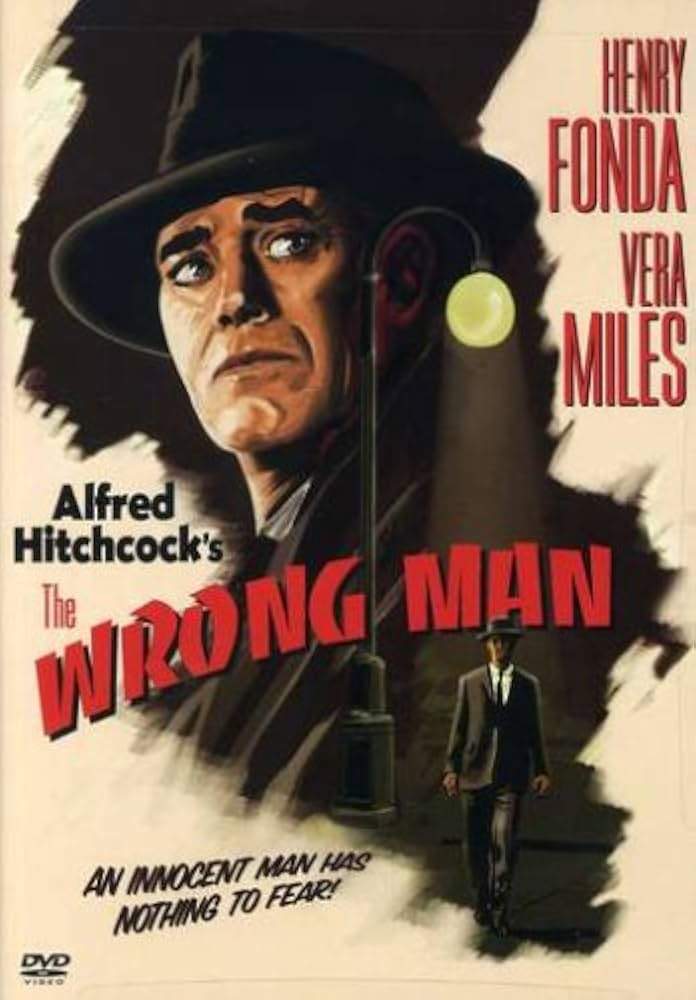
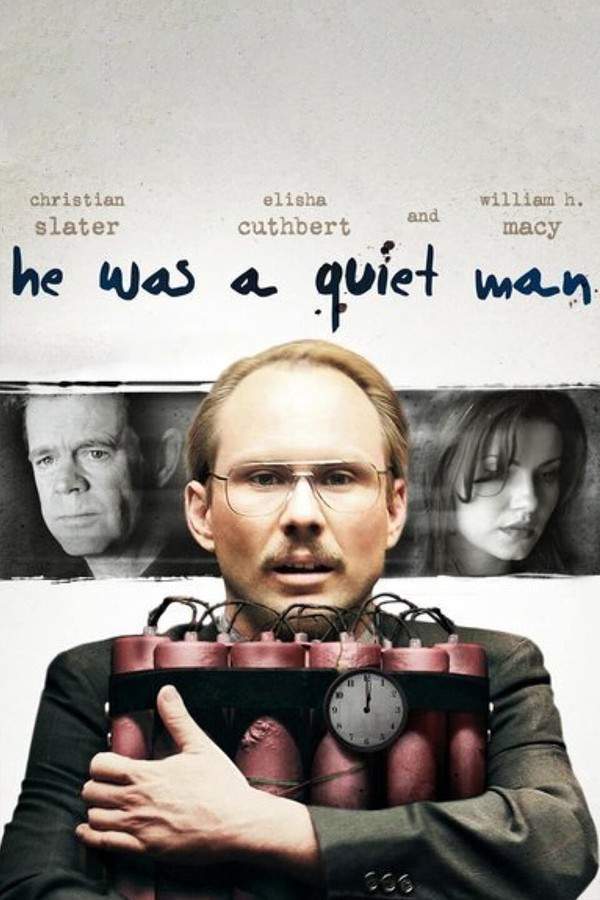
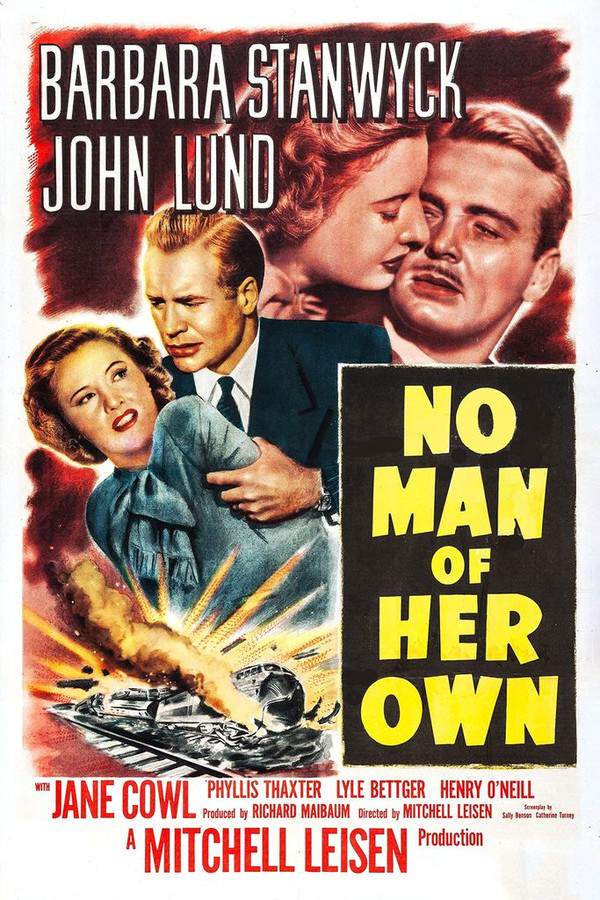
Fatalistic noir stories like The Man Who Wasn't There

Stories where a small decision triggers an inescapable cascade of doom. If you liked the fatalistic spiral and oppressive mood of 'The Man Who Wasn't There', you'll find similar movies here. This collection features bleak crime dramas and neo-noirs where characters are trapped by fate, leading to stories of moral compromise and ultimate doom, all with a heavy emotional weight.

  • fatalistic
  • oppressive
  • melancholic
  • dreary
  • doomed
  • existential
  • Tone: bleak, fatalistic, melancholic
  • Pacing: slow, deliberate
Why these movies?

The story pattern: The narrative typically follows an average, often detached, protagonist who makes a single misstep into a world of crime or deception. This decision, rather than granting agency, instead reveals their powerlessness against larger, shadowy forces. The plot unfolds with a sense of grim inevitability, punctuated by ironic twists that seal the character's bleak fate.

Why they belong together: These movies are grouped by their shared commitment to a fatalistic worldview, a bleak tone, and a slow, deliberate pace that allows the sense of doom to permeate every scene. They feature protagonists on a downward spiral, exploring themes of futility, moral ambiguity, and the crushing weight of the American Dream gone wrong.

Movies about slow moral collapse like The Man Who Wasn't There

Character studies where quiet desperation leads to a heavy moral compromise. For viewers who appreciated the slow, deliberate examination of moral failure in 'The Man Who Wasn't There', this section highlights similar films. Discover character-driven dramas where ordinary people are pushed to their limits, resulting in stories of betrayal, desperation, and heavy emotional consequences, all conveyed through a patient, atmospheric pace.

  • slow burn
  • psychological
  • detached
  • desperation
  • heavy
  • moral ambiguity
  • Tone: bleak, detached, heavy
  • Pacing: slow burn, atmospheric
Why these movies?

The story pattern: The narrative is less about external events and more about the internal journey of the protagonist. It follows a linear but deeply psychological path, where external pressures—like infidelity, financial despair, or a corrupt environment—slowly corrode the character's principles. The conflict is primarily internal, manifesting in quiet actions that have loud, tragic repercussions.

Why they belong together: These films are connected by their shared focus on character psychology over fast-paced plots. They utilize a slow burn approach to build an oppressive atmosphere, allowing the viewer to feel the weight of every bad decision. The emotional journey is central, resulting in a heavy, contemplative viewing experience centered on themes of failure and existential dread.

If you liked this

Movies Like The Man Who Wasn't There

Similar movies to The Man Who Wasn't There: the same genre, themes or kind of story. Each one comes with its own plot summary, timeline and ending explained.

Browse all movie summaries

Every angle

The Man Who Wasn't There (2001) Explained: Plot, Timeline & Characters

Everything about The Man Who Wasn't There in one place: what happens in the plot summary, the timeline in chronological order, the characters and meaning and a spoiler-free summary. What's After the Movie adds the cast, box office and post-credit scenes.

Coming soon on iOS and Android

The Plot Explained Movie Summary App

Plot summaries, endings explained and timelines on your phone. Catch up on any movie in minutes, save your favorites and never miss a twist again.

Be the first to know when we launch. Your email stays private, always.

Learn more about the app