





Plot Explained Spoilers guaranteed!
Plot Explained

Browse by genre

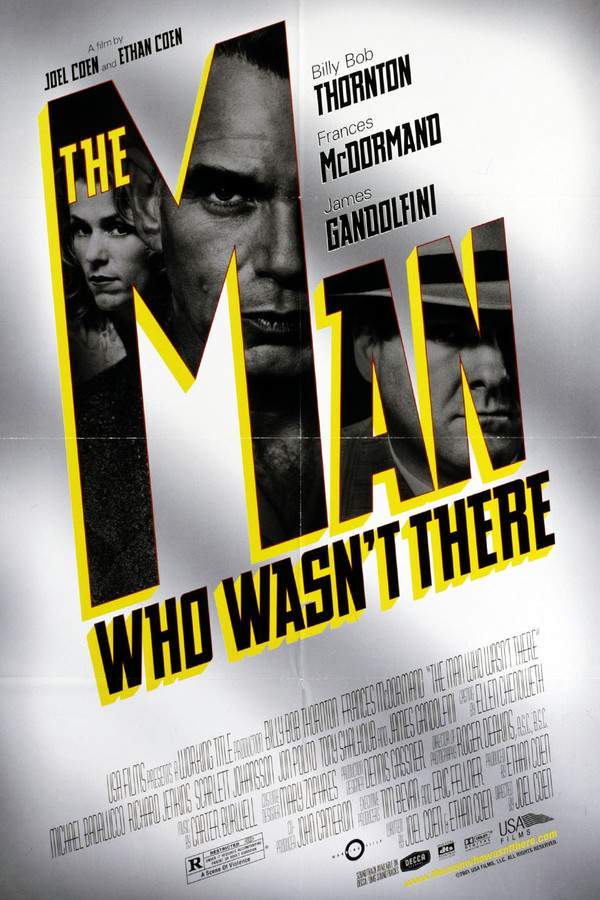
The Man Who Wasn't There (2001) movie poster

Characters & Themes

The Man Who Wasn't There (2001) Characters, Setting & Themes Explained

Release, runtime and language
2001 · 116 min · English
Directed by
Ethan Coen, Joel Coen
Starring
Billy Bob Thornton, Frances McDormand

In 1940s northern California, a reserved barber named Ed Crane finds his ordinary existence shattered by his wife's affair. This triggers a dangerous series of events involving deception, blackmail, and violence. As Ed becomes entangled in a complex scheme, he confronts a shadowy underworld and must confront his own moral compass while navigating a world of escalating risks and hidden truths.

On this page (8)
  1. 1 Where to watch
  2. 2 Characters explained (4)
  3. 3 Where & when it takes place
  4. 4 Themes & meaning (3)
  5. 5 Character & meaning questions
  6. 6 Movie threads
  7. 7 Movies like The Man Who Wasn't There
  8. 8 Every angle

Where to watch

Where to Watch The Man Who Wasn't There (2001)

Where can you watch The Man Who Wasn't There? Stream, rent or buy it in the US, including on Amazon Video, Apple TV Store and Fandango At Home: current JustWatch availability with up-to-date prices.

Streaming availability powered by JustWatch

4 main characters · contains spoilers

The Man Who Wasn't There Characters Explained: Who Is Who

The main characters of The Man Who Wasn't There (2001), heroes and villains: what drives them, how they change over the course of the story and what each of them reveals about the film's bigger ideas.

  • Ed Crane

    played by Billy Bob Thornton

    Ed Crane is a deeply conflicted character trapped in a mundane and unhappy life. His decisions, driven by desperation and a desire for change, lead to disastrous outcomes. Throughout the film, Ed grapples with moral dilemmas, ultimately reflecting on his life choices with a mix of resignation and unexpected peace.

    • 🧔🏼 Protagonist
    • 🎭 Tragic Figure
  • Doris

    played by Frances McDormand

    Doris is portrayed as a troubled woman battling alcoholism and feeling isolated from Ed. Her struggles with her marriage and personal demons culminate in a tragic arc, especially with the revelation of her pregnancy at a desperate time. Her life serves as a poignant reminder of the consequences of societal and personal pressures.

    • 👩🏻‍💼 Wife
    • ☹️ Tragic Victim
  • Creighton Tolliver

    Creighton Tolliver is a catalyst for the film's plot, introducing Ed to a world of risky investment that leads to chaos. His ambition and manipulation set into motion a series of events that ultimately spiral out of control, showcasing the dangerous allure of quick money and deception.

    • 🕵️‍♂️ Antagonist
    • 💰 Manipulator
  • Big Dave Brewster

    Big Dave is a corrupt department store owner whose illicit activities contribute to the film's central conflict. His desperation to protect his reputation leads to violence, marking him as a significant antagonist in Ed's life story. His actions reveal the darker side of business and personal integrity.

    • 💼 Antagonist
    • 🔥 Corruption

Last updated: October 22, 2024 at 21:43

Was this helpful?

Setting

Where and When Does The Man Who Wasn't There Take Place?

The setting of The Man Who Wasn't There (2001): the year and time period, the places and locations, and how they shape the characters, the mood and the tension of the story.

Time period

1949

The story unfolds in 1949, a time marked by social change and the lingering effects of World War II. This era is characterized by economic struggles and personal conflicts, with many individuals wrestling with their desires amidst societal expectations. The film's setting during this time highlights the challenges and moral ambiguities faced by the characters.

Location

Santa Rosa, California

Santa Rosa, California, serves as the backdrop for this film. Known for its small-town charm and close-knit community, the city is often depicted as a peaceful setting that contrasts sharply with the film's darker themes. The post-World War II era reflects a period where personal struggles often go unnoticed amid the backdrop of daily life.

  • 🌆 Location
  • 🏙️ City

Last updated: October 22, 2024 at 21:43

Was this helpful?

3 major themes

The Man Who Wasn't There Meaning: Themes & Message Explained

What is The Man Who Wasn't There (2001) really about? The emotional, social and philosophical themes the film keeps returning to, its symbolism and the message beneath the surface.

  • Despair

    The theme of despair permeates the narrative, reflecting Ed's discontent with his life and marriage. Ed's actions are driven by feelings of hopelessness and a desire to escape his bleak existence. This despair leads to tragic consequences, affecting not only Ed but also those around him.

  • Corruption

    Corruption plays a vital role in the plot, showcasing the lengths to which characters will go for personal gain. Big Dave's unethical actions and Ed's blackmail scheme illustrate how greed can lead to devastating outcomes. This theme underscores the moral decay prevalent in the characters' lives.

  • Justice

    The pursuit of justice is a central theme as Ed navigates a legal nightmare following the chaos he unwittingly creates. The film explores the complexities of the legal system and how it often fails to serve true justice, leading to tragic and ironic twists in the fates of the characters.

Last updated: October 22, 2024 at 21:43

Was this helpful?

Character & theme questions

The Man Who Wasn't There Characters & Meaning: Your Questions Answered

The questions people ask about The Man Who Wasn't There (2001): who the characters really are, their relationships, what the symbols mean, where it takes place and what the movie is really about. Each answer contains spoilers.

Q1

Where is The Man Who Wasn't There set?

The film is set in Santa Rosa, California, a small city in the northern part of the state. The setting is portrayed as a typical post-war American town with a close-knit community feel, which creates a stark contrast with the dark events that unfold. This small-town environment emphasizes the secrecy and moral decay happening beneath its peaceful surface.

  • santa rosa
  • california
  • setting
  • location
  • small town
Q2

What year is The Man Who Wasn't There set in?

The story takes place in 1949, during the post-World War II era. This time period is significant because it captures a moment of social change and economic struggle in America. Many characters are wrestling with personal desires and moral choices against the backdrop of societal expectations and the lingering effects of the war.

  • 1949
  • time period
  • post-war
  • 1940s
  • era
Q3

Who is Ed Crane in the movie?

Ed Crane is the protagonist, a reserved barber living in Santa Rosa who feels trapped in an ordinary and unhappy life. He is a deeply conflicted man whose desperate desire for change leads him into a dangerous scheme involving blackmail and deception. Throughout the film, Ed grapples with moral dilemmas that ultimately lead to tragic consequences.

  • ed crane
  • protagonist
  • barber
  • main character
Q4

Who is Doris in The Man Who Wasn't There?

Doris is Ed Crane's wife, portrayed as a troubled woman struggling with alcoholism and feelings of isolation in her marriage. Her affair and personal demons drive much of the film's emotional tension. Her tragic arc highlights the consequences of personal and societal pressures, ultimately contributing to the film's bleak atmosphere.

  • doris
  • ed's wife
  • wife
  • alcoholic
Q5

Who is Big Dave Brewster in the film?

Big Dave Brewster is a corrupt department store owner who serves as a major antagonist in the story. His illicit activities and desperate attempts to protect his reputation drive much of the film's central conflict. His character illustrates the theme of corruption and the darker side of business integrity in post-war America.

  • big dave brewster
  • antagonist
  • corrupt businessman
Q6

Who is Creighton Tolliver in The Man Who Wasn't There?

Creighton Tolliver serves as the catalyst for the film's plot, introducing Ed to a risky investment scheme that sets the chain of tragic events in motion. His ambition and manipulation demonstrate the dangerous allure of quick money and deception, embodying the moral corruption that spreads throughout the story.

  • creighton tolliver
  • investment scheme
  • catalyst
Q7

What does the theme of Despair represent in the film?

The theme of despair permeates the entire narrative, reflecting Ed's deep discontent with his mundane life and unhappy marriage. His feelings of hopelessness and desire to escape his bleak existence drive his decisions, which ultimately lead to tragic consequences for himself and those around him. The theme underscores the emotional devastation that comes from feeling trapped with no way out.

  • despair
  • theme
  • hopelessness
  • sadness
Q8

What is the theme of Corruption about in The Man Who Wasn't There?

Corruption is a vital theme that showcases how far characters will go for personal gain. Big Dave's unethical business practices and Ed's involvement in a blackmail scheme illustrate how greed and moral decay lead to devastating outcomes. The theme highlights the moral ambiguities of the post-war era and the corruptibility of ordinary people when desperate.

  • corruption
  • theme
  • greed
  • moral decay
  • blackmail
Q9

What does the theme of Justice explore in the movie?

The pursuit of justice is a central theme as Ed navigates a legal nightmare following the chaos he unwittingly creates. The film explores how the legal system often fails to serve true justice, leading to ironic and tragic twists in the characters' fates. This theme contributes to the film's sense of inexorable fate and moral hopelessness.

  • justice
  • theme
  • legal system
  • courtroom
Q10

What does the title The Man Who Wasn't There mean?

The title refers to Ed Crane's nature as a passive observer in his own life, essentially existing without truly living or engaging with the world around him. Throughout the film, Ed drifts through events rather than actively shaping them, earning him the characterization as someone who "wasn't there" emotionally or spiritually. This emptiness reflects the film's themes of despair and moral passivity.

  • title
  • meaning
  • symbolism
  • passive protagonist
Q11

What is the tone of The Man Who Wasn't There?

The tone is overwhelmingly bleak, characterized by a slow pacing typical of Coen brothers noir. The film builds intensity through cumulative emotional devastation rather than action, creating an oppressive sense of doom. The emotional weight is heavy, dealing with themes of suicide, wrongful accusation, and the crushing of hope, making the ending feel profoundly hopeless.

  • tone
  • atmosphere
  • bleak
  • noir
  • mood
Q12

How does the small-town setting affect the story's themes?

The small-town setting of Santa Rosa functions as a facade of normalcy and community that masks the moral corruption happening beneath. This contrast between the town's peaceful appearance and the dark events creates tension throughout the film. The post-war era setting further emphasizes how personal struggles and moral ambiguities often go unnoticed amid the backdrop of ordinary daily life.

  • small town
  • contrast
  • setting
  • facade
  • community

Movie threads

More Movies Like The Man Who Wasn't There, by Mood & Story

Curated lists built around what makes The Man Who Wasn't There tick: the same mood, the same kind of story or the same emotional payoff. Each list explains why these movies belong together.

Fatalistic noir stories like The Man Who Wasn't There

Stories where a small decision triggers an inescapable cascade of doom. If you liked the fatalistic spiral and oppressive mood of 'The Man Who Wasn't There', you'll find similar movies here. This collection features bleak crime dramas and neo-noirs where characters are trapped by fate, leading to stories of moral compromise and ultimate doom, all with a heavy emotional weight.

  • fatalistic
  • oppressive
  • melancholic
  • dreary
  • doomed
  • existential
  • Tone: bleak, fatalistic, melancholic
  • Pacing: slow, deliberate
Why these movies?

The story pattern: The narrative typically follows an average, often detached, protagonist who makes a single misstep into a world of crime or deception. This decision, rather than granting agency, instead reveals their powerlessness against larger, shadowy forces. The plot unfolds with a sense of grim inevitability, punctuated by ironic twists that seal the character's bleak fate.

Why they belong together: These movies are grouped by their shared commitment to a fatalistic worldview, a bleak tone, and a slow, deliberate pace that allows the sense of doom to permeate every scene. They feature protagonists on a downward spiral, exploring themes of futility, moral ambiguity, and the crushing weight of the American Dream gone wrong.

Movies about slow moral collapse like The Man Who Wasn't There

Character studies where quiet desperation leads to a heavy moral compromise. For viewers who appreciated the slow, deliberate examination of moral failure in 'The Man Who Wasn't There', this section highlights similar films. Discover character-driven dramas where ordinary people are pushed to their limits, resulting in stories of betrayal, desperation, and heavy emotional consequences, all conveyed through a patient, atmospheric pace.

  • slow burn
  • psychological
  • detached
  • desperation
  • heavy
  • moral ambiguity
  • Tone: bleak, detached, heavy
  • Pacing: slow burn, atmospheric
Why these movies?

The story pattern: The narrative is less about external events and more about the internal journey of the protagonist. It follows a linear but deeply psychological path, where external pressures—like infidelity, financial despair, or a corrupt environment—slowly corrode the character's principles. The conflict is primarily internal, manifesting in quiet actions that have loud, tragic repercussions.

Why they belong together: These films are connected by their shared focus on character psychology over fast-paced plots. They utilize a slow burn approach to build an oppressive atmosphere, allowing the viewer to feel the weight of every bad decision. The emotional journey is central, resulting in a heavy, contemplative viewing experience centered on themes of failure and existential dread.

If you liked this

Movies Like The Man Who Wasn't There

Similar movies to The Man Who Wasn't There: the same genre, themes or kind of story. Each one comes with its own plot summary, timeline and ending explained.

Browse all movie summaries

Every angle

The Man Who Wasn't There (2001) Explained: Plot, Timeline & Characters

Everything about The Man Who Wasn't There in one place: what happens in the plot summary, the timeline in chronological order, the characters and meaning and a spoiler-free summary. What's After the Movie adds the cast, box office and post-credit scenes.

Coming soon on iOS and Android

The Plot Explained Movie Summary App

Plot summaries, endings explained and timelines on your phone. Catch up on any movie in minutes, save your favorites and never miss a twist again.

Be the first to know when we launch. Your email stays private, always.

Learn more about the app