Plot Explained Spoilers guaranteed!
Plot Explained

Browse by genre

The Man Who Could Not Remain Silent (2024) movie poster

Timeline

The Man Who Could Not Remain Silent (2024) Timeline Explained – Every Event in Order

Release, runtime and language
2024 · 14 mins · Croatian
Directed by
Nebojša Slijepčević
Starring
Alexis Manenti, Goran Bogdan, Dragan Mićanović, Robert Ugrina, Nebojša Pop-Tasić, Mijo Pavelko
Budget
$400K

In 1993, a passenger train traveling from Belgrade to Bar is targeted during an ethnic cleansing operation. As paramilitary forces remove innocent civilians, a single man finds the courage to confront them. This is the remarkable true story of an individual who refused to stay silent in the face of injustice.

On this page (5)
  1. 1 Events in order (14)
  2. 2 Timeline questions answered
  3. 3 Movie threads
  4. 4 Movies like The Man Who Could Not Remain Silent
  5. 5 Every angle

14 events in order · contains spoilers

The Man Who Could Not Remain Silent Timeline: Events in Chronological Order

Every key event of The Man Who Could Not Remain Silent (2024) in order, scene by scene, with when and where it takes place. Use it to untangle flashbacks, time jumps and parallel storylines, to refresh your memory before the sequel or to find the exact scene you are thinking of.

  1. Departure on the Belgrade–Bar train

    On 27 February 1993, a passenger train travels from Belgrade toward Bar. Dragan sits beside Milan, a grandfather and granddaughter, and a college student, sharing a calm, ordinary traveling mood. The scene shifts when external forces prepare to intervene.

    When
    27 February 1993
    Where
    Belgrade–Bar train car
  2. Paramilitary forces gain access to the carriage

    The train stops and the White Eagles gain access to the carriage, allowing themselves to control the passengers. They force everyone back into their seats and begin demanding documentation and personal details. A chilling coercion settles over the car as intimidation replaces routine travel.

    When
    27 February 1993
    Where
    train carriage
  3. Abduction of passengers begins

    Several passengers are dragged out of the car as the armed men abduct Muslim travelers from the train. The act marks the start of a calculated kidnapping that shatters any sense of safety aboard. The remaining passengers watch with growing fear as the operation unfolds.

    When
    27 February 1993
    Where
    train carriage
  4. Milan admits lacking paperwork

    Milan tells Dragan that he has no paperwork, fearing arrest and harm. Dragan reassures him that no one in the car will let anything happen to him, even as his own anxiety reveals the danger. The moment heightens the tension among the passengers.

    When
    27 February 1993
    Where
    train carriage
  5. Commander enters and harassment begins

    A commander steps into the car, and Dragan realizes he cannot stop the abuse. Milan is subjected to humiliation and commanded to step off the train, signaling the violent escalation. Fear dominates the scene as the others watch in subdued paralysis.

    When
    27 February 1993
    Where
    train carriage
  6. Milan is ordered out, promised swift return

    The commander orders Milan off the train, insisting he will be returned quickly. The other passengers endure the moment in quiet complicity, their fear suppressing any impulse to intervene. The car grows heavier with the weight of what is to come.

    When
    27 February 1993
    Where
    train carriage
  7. Tomo Buzov confronts authority

    The final passenger, Tomo Buzov, a Croat army veteran, angrily challenges the officer's authority and questions the legitimacy of the orders. His defiant stance disrupts the imposed order and exposes the moral fault lines among the passengers. The tension escalates as others consider their own risk.

    When
    27 February 1993
    Where
    train carriage
  8. Tomo leaves to challenge the officer outside

    Tomo chooses to take action and leaves the train to speak with the officer in charge, attempting to stop the massacre. His departure signals a rare, fragile moment of resistance amid the panic. Milan remains aboard, and the car's atmosphere tightens.

    When
    27 February 1993
    Where
    outside the carriage
  9. Milan remains on board; train continues

    Despite the danger, Milan stays in his seat rather than being removed, and the train continues its journey. The routine movement of the train resumes amid underlying fear. Dragan watches Tomo's seat grow empty, a silent marker of the attempted resistance.

    When
    27 February 1993
    Where
    train carriage
  10. The journey toward Bar continues under tension

    The trip to Bar proceeds with fear and resignation among the remaining passengers, the violence unresolved at every turn. The narrative underscores how transportation becomes a site of ethnic violence during the war. The environment remains oppressive as the ceremony of departure becomes a grim aftermath.

    When
    27 February 1993
    Where
    on route Belgrade–Bar
  11. Massacre and abduction conclude

    The events culminate with the 24 Muslims abducted on the train being killed in the broader violence. The film presents this as a calculated, brutal outcome of the raid. The audience is left to confront the human cost of this atrocity.

    When
    27 February 1993
  12. Dragan's moral conflict

    Dragan, a mid dle-aged passenger, is a witness to the unfolding horror and struggles with his inability to intervene. His silence mirrors the fear that paralyzes bystanders in such moments of brutality. The scene emphasizes the personal dimension of collective violence.

    When
    27 February 1993
    Where
    train carriage
  13. Tomo Buzov's sacrifice remembered

    Tomo Buzov is remembered for attempting to stop the massacre, even at the cost of his life. His execution underscores the deadly stakes of resisting authority in a time of war. The film frames his actions as a courageous stand against brutality.

    When
    End of events
  14. Ending tribute to Tomo Buzov

    The film closes with a tribute to Tomo Buzov, reinforcing the emotional weight of his sacrifice and the real-world impact of the massacre. The audience is reminded of the human cost behind the historical events.

    When
    End of film

Last updated: February 06, 2026 at 10:54

Was this helpful?

Timeline questions answered

The Man Who Could Not Remain Silent Timeline Explained: Your Questions Answered

When does it happen, and why in that order? The questions people ask about the chronology of The Man Who Could Not Remain Silent (2024): time jumps, flashbacks, cause and effect between scenes and the correct order of events, each answered with spoilers.

Q1

Why doesn't Dragan stop the soldiers when they board the train?

Dragan is unable to mount any meaningful defense because the paramilitaries are heavily armed and the situation unfolds too quickly. While he reassures Milan that no one in the car will let anything happen to him, his own fear paralyzes him. The film portrays his paralysis as the natural response of an ordinary person confronted with overwhelming violence, highlighting the moral conflict faced by witnesses who want to help but cannot overcome their terror.

Foreshadowing: Earlier, the train carries a calm, ordinary atmosphere that makes the sudden violence even more jarring.

  • dragan
  • passengers
  • soldiers
  • intervene
  • fear
  • paralysis
  • witness
Q2

Who is Tomo Buzov and why does he confront the officer?

Tomo Buzov is a Croat army veteran who is the final passenger in the car. Unlike the other passengers who shrink into their seats in fear, Tomo boldly steps forward to challenge the officer's authority, questioning the legitimacy of the orders. His military background likely gave him both the courage to resist and the understanding of how dangerous the situation truly is. He leaves the train to speak directly with the officer in charge, attempting to stop the abduction and massacre.

  • tomo buzov
  • croat veteran
  • confrontation
  • authority
  • defiance
  • military background
Q3

What happens to Milan after the commander orders him off the train?

Milan is initially ordered off the train by the commander, who falsely promises he will be returned quickly. However, after Tomo Buzov intervenes and leaves the train to speak with the officer in charge, Milan is ultimately allowed to remain aboard. The train continues its journey while Tomo stays behind to confront the paramilitary leadership. Milan survives because of this intervention, though the fate of the other abducted passengers remains tragic.

Foreshadowing: Milan earlier confided in Dragan that he has no paperwork and fears arrest, making him particularly vulnerable.

  • milan
  • commander
  • ordered off train
  • tomo buzov
  • survival
  • documentation
Q4

How does the train conductor help the paramilitaries gain access?

The conductor Nebojša Pop-Tasić facilitates the White Eagles' entry onto the train. He is the one who brings the paramilitary unit into the carriage, effectively enabling their access to the passengers. This betrayal is particularly devastating because the conductor was in a position of trust, and his actions transform an ordinary train journey into a trap for the innocent travelers.

  • conductor
  • nebojsa pop-tasic
  • white eagles
  • access
  • betrayal
  • trust
Q5

What happens to the passengers who are abducted from the train?

The White Eagles paramilitary unit abducts 24 Muslim passengers from the train car during the stop at Štrpci. These abducted passengers are later killed as part of the broader ethnic cleansing operation. The film presents this as a calculated, brutal outcome of the raid, showing how the train journey became a site of systematic violence during the Bosnian War.

  • abducted passengers
  • 24 muslims
  • killed
  • ethnic cleansing
  • white eagles
  • strpci
  • massacre
Q6

Why do the other passengers remain silent during the abduction?

The other passengers are paralyzed by fear and choose silence over confrontation. As the soldiers drag people out of the car, the remaining passengers watch in subdued paralysis, their fear suppressing any impulse to intervene. The film shows how collective fear creates a atmosphere where no one dares to act, even when witnessing injustice. This silence contrasts sharply with Tomo Buzov's eventual defiance.

  • passengers
  • silence
  • fear
  • paralysis
  • witness
  • bystanders
  • collective fear
Q7

What motivates Tomo Buzov to risk his life confronting the paramilitaries?

Tomo Buzov's motivation stems from his background as a Croat army veteran who cannot stand by while innocent people are abused. When he sees Milan being humiliated and ordered off the train, his military experience compels him to challenge the officer's authority. He questions the legitimacy of the orders and refuses to accept the violence unfolding before him. His act represents a rare moment of moral courage in an atmosphere of terror.

  • tomo buzov
  • motivation
  • courage
  • veteran
  • defiance
  • confrontation
  • moral courage
Q8

Why does the film end with a tribute to Tomo Buzov?

The film closes with a tribute to Tomo Buzov because he was executed for his attempt to intervene and stop the massacre. His sacrifice represents the ultimate cost of standing up against cruelty during wartime. The tribute honors his courage in a moment where nearly everyone else remained silent, reminding viewers of the human cost paid by those who refused to stay silent in the face of injustice.

  • tomo buzov
  • tribute
  • sacrifice
  • execution
  • courage
  • remembrance
  • historical real story
Q9

What was the Štrpci train massacre?

The Štrpci massacre occurred on February 27, 1993, when a Belgrade-to-Bar passenger train was stopped in Štrpci, Bosnia and Herzegovina. White Eagles paramilitaries removed 24 Muslim passengers from the train and killed them as part of an ethnic cleansing operation. The film tells this true story, focusing on the passengers in one car and highlighting the individual act of resistance by Tomo Buzov.

  • strpci
  • train
  • massacre
  • february 1993
  • ethnic cleansing
  • white eagles
  • true story
  • bosnia
Q10

What happens to Tomo Buzov after he leaves the train?

After Tomo leaves the train to confront the officer in charge, he is executed for his resistance. His attempt to stop the massacre comes at the ultimate price, his life. The film remembers him as a hero who paid the highest cost for his defiance, contrasting his courageous stand with the survival of Milan and other passengers who remained aboard.

  • tomo buzov
  • execution
  • death
  • aftermath
  • fate
  • resistance cost

Movie threads

More Movies Like The Man Who Could Not Remain Silent, by Mood & Story

Curated lists built around what makes The Man Who Could Not Remain Silent tick: the same mood, the same kind of story or the same emotional payoff. Each list explains why these movies belong together.

Movies about moral defiance like The Man Who Could Not Remain Silent

Stories of individuals who risk everything to confront systemic injustice. These films feature protagonists who make a brave stand against oppression, similar to the hero in The Man Who Could Not Remain Silent. If you were moved by this story of personal courage during ethnic conflict, you'll find powerful true stories and historical dramas about human rights and resistance here.

  • tense
  • somber
  • gripping
  • moral dilemma
  • urgent
  • desperate
  • Tone: tense, somber, morally urgent
  • Pacing: steady, deliberate
Why these movies?

The story pattern: The narrative usually follows a straightforward, linear path where a protagonist, often an ordinary person, is confronted with a stark moral choice. The tension escalates steadily as they decide to act, leading to a confrontation with powerful, often violent, forces. The journey is defined by the psychological weight of the decision and the somber, sometimes tragic, outcome of their resistance.

Why they belong together: These movies are grouped together because they share a core thematic focus on individual courage against systemic evil. They create a similar viewing experience through high emotional weight, tense atmospheres, and a deep respect for the real-life sacrifices made in the name of human dignity.
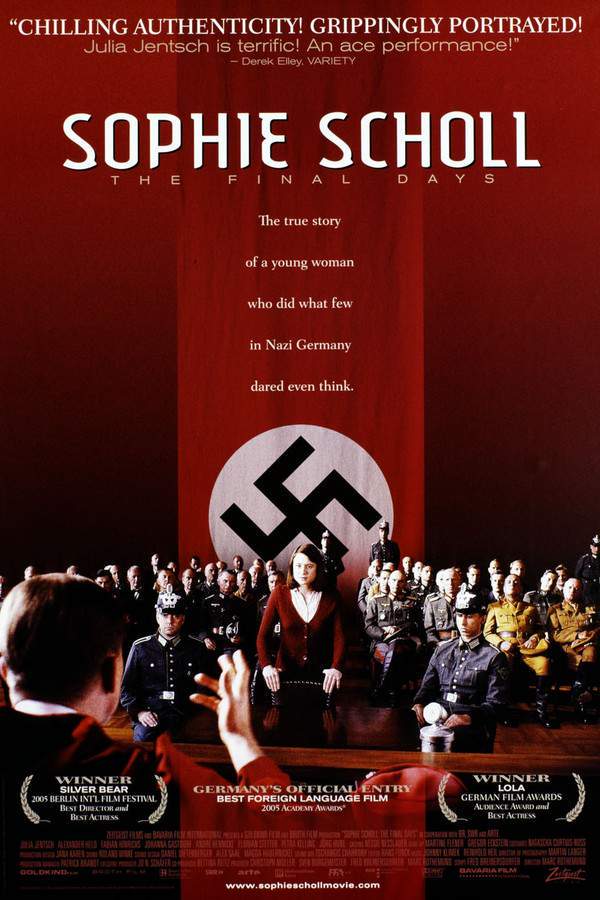
Claustrophobic thrillers like The Man Who Could Not Remain Silent

Thrillers where tension builds in a single, isolated location under siege. If the tense, trapped atmosphere of The Man Who Could Not Remain Silent gripped you, explore more movies where characters are confined under dire circumstances. These films share a similar sense of escalating dread, oppressive settings, and high-stakes survival against overwhelming odds.

  • claustrophobic
  • tense
  • anxious
  • oppressive
  • gripping
  • desperate
  • Tone: anxious, oppressive, desperate
  • Pacing: steady, relentless
Why these movies?

The story pattern: The plot typically hinges on a group or individual being isolated in a single location that becomes a pressure cooker. The narrative unfolds in near real-time, with a steady pacing that methodically increases anxiety. There are few escapes or subplots, creating a focused and intense experience where the setting itself becomes a character of oppressive force.

Why they belong together: They are grouped by their shared ability to generate a specific, sustained mood of claustrophobic anxiety. The similarities lie in the tight narrative focus, the oppressive setting, and the relentless build of psychological tension as characters face an imminent, inescapable threat.

If you liked this

Movies Like The Man Who Could Not Remain Silent

Similar movies to The Man Who Could Not Remain Silent: the same genre, themes or kind of story. Each one comes with its own plot summary, timeline and ending explained.

Browse all movie summaries

Every angle

The Man Who Could Not Remain Silent (2024) Explained: Plot, Timeline & Characters

Everything about The Man Who Could Not Remain Silent in one place: what happens in the plot summary, the timeline in chronological order, the characters and meaning and a spoiler-free summary. What's After the Movie adds the cast, box office and post-credit scenes.

Coming soon on iOS and Android

The Plot Explained Movie Summary App

Plot summaries, endings explained and timelines on your phone. Catch up on any movie in minutes, save your favorites and never miss a twist again.

Be the first to know when we launch. Your email stays private, always.

Learn more about the app