Plot Explained Spoilers guaranteed!
Plot Explained

Browse by genre

The Man Who Broke 1,000 Chains (1987) movie poster

Characters & Themes

The Man Who Broke 1,000 Chains (1987) Characters, Setting & Themes Explained

Release, runtime and language
1987 · 115 mins · English
Directed by
Daniel Mann
Starring
Val Kilmer, Clancy Brown, Chris Mulkey, Elisha Cook Jr., Sônia Braga, Charles Durning

Even the toughest prison cannot crush a determined spirit. This true account follows Robert Elliot Burns, sentenced to a brutal Georgia chain gang, as he engineers two bold escape attempts, showcasing his relentless drive for freedom and the lengths he will go to reclaim his liberty.

On this page (7)
  1. 1 Characters explained (10)
  2. 2 Where & when it takes place
  3. 3 Themes & meaning (4)
  4. 4 Character & meaning questions
  5. 5 Movie threads
  6. 6 Movies like The Man Who Broke 1,000 Chains
  7. 7 Every angle

10 main characters · contains spoilers

The Man Who Broke 1,000 Chains Characters Explained: Who Is Who

The main characters of The Man Who Broke 1,000 Chains (1987), heroes and villains: what drives them, how they change over the course of the story and what each of them reveals about the film's bigger ideas.

  • Robert Elliott Burns / Elliot Roberts (Val Kilmer)

    A traumatized WWI veteran wrongfully jailed and subjected to a brutal chain gang. He uses strategic thinking to survive, escape, and later reinvent himself as a magazine publisher and speaker. His resilience against systemic cruelty drives the narrative and highlights the human cost of punitive justice.

    • 🎖️ Veteran
    • ⚖️ Injustice
    • 🏃‍♂️ Escape
  • Harold Hardy / Warden Hardy

    played by Charles Durning

    The brutal Fulton County camp warden who uses fear and punishment to maintain control. His contempt for outsiders and his ruthless discipline shape the inmates’ daily existence. Hardy embodies institutional cruelty and the hard edge of the prison system.

    • 🏛️ Authority
    • ⚔️ Cruelty
    • 🗡️ Power
  • Pappy Glue (Elisha Glue)

    played by Elisha Cook Jr.

    An elderly inmate who provides grim humor and survival wisdom to Burns. He embodies the hardened, wary mindset of long-term prisoners and acts as a cautionary, though supportive, presence. His fate underscores the perilous reality of life inside the chain gang.

    • 🧓 Veteran
    • 💬 Wisdom
    • 🕯️ Memory
  • George Seales

    played by Taylor Presnell

    A fellow inmate who endures exhaustion and brutal punishment within the camp. His suffering illustrates the brutal routine of hard labor and the violence that sustains the chain gang. His experiences illuminate the dangers of overwork and the dehumanizing environment Burns confronts.

    • 👷‍♂️ Labor
    • 🪨 Endurance
    • 🕯️ Memory
  • Big Sam

    played by Paul Benjamin

    A towering Black prisoner whose physical prowess helps Burns in a critical escape. He represents strength within the system that can be leveraged for a chance at freedom. His involvement is pivotal to Burns’ attempt to break free.

    • 💪 Power
    • 🗺️ Alliance
    • 🚶‍♂️ Escape
  • Lillian Salo

    played by Kyra Sedgwick

    A romantic interest who becomes part of Burns’ life in Chicago; her presence complicates his relationships and personal goals. She embodies affection intertwined with the tensions of Burns’ secretive, precarious freedom. Their disjointed romance reveals the strains of rebuilding a life after trauma.

    • 💌 Love
    • 🧭 Complication
    • 🏙️ City life
  • Emily Del Pino Pacheco

    played by Sônia Braga

    A possessive partner in Burns’ Chicago years who pressures him toward marriage and control. Her relationship with Burns illustrates the personal entanglements that can arise alongside professional ambition. The dynamic adds emotional tension to Burns’ complicated reinvention of life after prison.

    • 💞 Love
    • 🧪 Obsession
    • 🧭 Control
  • Mother Burns

    played by Esther Benson

    Burns’ mother, a figure of family concern and emotional investment in his well-being. Her presence underscores the strain of separation and the longing for reconciliation. She embodies the personal stakes behind Burns’ legal and moral battles.

    • 👪 Family
    • ❤️ Love
    • 🕊️ Resilience
  • Rayford

    played by Bill Bolender

    A Georgia guard who collaborates with Trump and secretly enables Burns’ temporary escape by allowing him to relieve himself. His complicity highlights the thin line between authority and corruption in the prison system.

    • ⚖️ Complicity
    • 🛡️ Authority
  • Trump

    played by William Sanderson

    A harsh guard who enforces brutal discipline and chain-gang rules. He embodies the mechanized cruelty of the system and the daily threats prisoners face. His presence escalates the violence Burns must navigate to survive.

    • 🏗️ Brutality
    • 🔒 Control

Last updated: October 04, 2025 at 13:27

Was this helpful?

Setting

Where and When Does The Man Who Broke 1,000 Chains Take Place?

The setting of The Man Who Broke 1,000 Chains (1987): the year and time period, the places and locations, and how they shape the characters, the mood and the tension of the story.

Time period

1922–1944

The narrative begins in 1922 with Burns’ arrest and spans the brutal chain-gang era through the 1920s and 1930s, culminating in a pardon in 1944. It interweaves post–World War I veteran trauma with the Jim Crow justice system in the South. The period highlights widespread labor exploitation, economic hardship, and the seeds of prison reform.

Location

Georgia (Fulton County Camp), Atlanta, Marietta, Chicago, Florida, New Jersey

The Fulton County Camp in Georgia is depicted as a brutal chain gang prison with wooden shacks, sweatboxes, and iron restraints. The story shifts from Atlanta to Marietta during escapes, travels through Florida, and finally to Chicago as Burns rebuilds his life. The settings illustrate the geographic and social scope of early 20th-century American punishment and reform movements.

  • 🏛️ Prison
  • 🗺️ Travel
  • 🌆 City life
  • 🚂 Road to freedom
  • 🇺🇸 Postwar America

Last updated: October 04, 2025 at 13:27

Was this helpful?

4 major themes

The Man Who Broke 1,000 Chains Meaning: Themes & Message Explained

What is The Man Who Broke 1,000 Chains (1987) really about? The emotional, social and philosophical themes the film keeps returning to, its symbolism and the message beneath the surface.

  • Injustice

    Burns receives a trumped-up sentence that exposes the miscarriage of justice at the heart of the chain gang system. The warden’s cruelty and the guards’ brutality reveal how power can deform law enforcement. The film critiques legal procedures that punish the powerless while preserving the status quo. Across the story, institutional corruption and dehumanization are constant threats.

  • Freedom

    Burns’ escape embodies a primal urge for liberty, even as it puts him at constant risk. The alliance with Big Sam and the peril of pursuit show how fragile freedom can be under harsh enforcement. The pursuit of a better life drives Burns through multiple cities and statuses. Ultimately, freedom is tempered by the long, costly path to a formal pardon.

  • Media and Reform

    Burns’ memoir and its cinematic adaptation expose prison abuses to a broad audience. Public attention catalyzes criticism of the chain-gang system and fuels calls for reform. The film within the film—recounted as I Am a Fugitive from a Chain Gang—helps shift public opinion. The narrative implies that media attention can drive tangible policy change.

  • Trauma and Legacy

    The story foregrounds the lasting impact of war trauma and systemic cruelty on a single individual. Burns channels his experiences into writing, shaping how he is perceived and remembered. The memory of those who died on the chain gang galvanizes later reform efforts. The ending notes the abolition of the Georgia chain gang, linking personal trauma to collective change.

Last updated: October 04, 2025 at 13:27

Was this helpful?

Character & theme questions

The Man Who Broke 1,000 Chains Characters & Meaning: Your Questions Answered

The questions people ask about The Man Who Broke 1,000 Chains (1987): who the characters really are, their relationships, what the symbols mean, where it takes place and what the movie is really about. Each answer contains spoilers.

Q1

Where is the movie set?

The story is set primarily at the Fulton County Camp in Georgia, a brutal chain gang prison with wooden shacks and sweatboxes. The narrative then follows Burns through Atlanta and Marietta during his escapes, travels through Florida, and ultimately to Chicago where he rebuilds his life.

  • fulton county
  • georgia
  • prison
  • chain gang
  • setting
Q2

What time period does the movie cover?

The movie takes place from 1922 through 1944, spanning the brutal chain-gang era of the 1920s and 1930s in the Jim Crow South. It depicts the post-World War I period when returning veterans faced systemic injustice and widespread labor exploitation.

  • 1920s
  • 1930s
  • 1922
  • 1944
  • jim crow
  • post-war era
Q3

What is the movie's main theme about injustice?

The film centers on how Burns receives a trumped-up sentence that exposes the miscarriage of justice in the chain gang system. The warden's cruelty and guards' brutality reveal how power deforms law enforcement, punishing the powerless while preserving the status quo.

  • injustice
  • chain gang
  • prison corruption
  • warden hardy
  • legal system
Q4

What does the movie say about freedom?

Burns' escape embodies a primal urge for liberty, even as it puts him at constant risk. His pursuit of a better life drives him across multiple cities, but freedom is tempered by the long, costly path to a formal pardon in 1944.

  • freedom
  • escape
  • liberty
  • prison
  • pardon
Q5

How does media drive reform in the story?

Burns' memoir exposes prison abuses to a broad audience, catalyzing criticism of the chain-gang system. The film within the film, his book 'I Am a Fugitive from a Chain Gang', helps shift public opinion and demonstrates how media attention can drive tangible policy change.

  • media
  • reform
  • memoir
  • public opinion
  • chain gang abolition
Q6

What role does trauma and legacy play in the movie?

The story foregrounds the lasting impact of war trauma and systemic cruelty on Burns. His experiences shape his writing and legacy, with the memory of those who died on the chain gang galvanizing later reform efforts. The ending notes the abolition of the Georgia chain gang.

  • trauma
  • legacy
  • war veteran
  • prison reform
  • memory
Q7

Who is Robert Elliott Burns?

Robert Elliott Burns is a traumatized WWI veteran who is wrongfully jailed and subjected to a brutal Georgia chain gang. He uses strategic thinking to survive, escape, and later reinvents himself as a magazine publisher and speaker, becoming an advocate for prison reform.

  • robert burns
  • val kilmer
  • veteran
  • prisoner
  • protagonist
Q8

Who is Warden Hardy?

Warden Hardy is the brutal Fulton County camp warden who uses fear and punishment to maintain control. His contempt for outsiders and ruthless discipline shape the inmates' daily existence, embodying institutional cruelty and the hard edge of the prison system.

  • warden hardy
  • charles durning
  • prison authority
  • antagonist
Q9

What is Big Sam's role in the story?

Big Sam is a towering Black prisoner whose physical prowess helps Burns in a critical escape attempt. He represents strength within the system that can be leveraged for a chance at freedom, making his involvement pivotal to Burns' quest to break free.

  • big sam
  • escape
  • helper
  • physical strength
  • prison
Q10

Who is Pappy Glue?

Pappy Glue (Elisha Glue) is an elderly inmate who provides grim humor and survival wisdom to Burns. He embodies the hardened, wary mindset of long-term prisoners and serves as a cautionary, though supportive, presence whose fate underscores the perilous reality of chain gang life.

  • pappy glue
  • elisha cook
  • inmate
  • wisdom
  • survival
Q11

Where does Burns go after escaping the chain gang?

After escaping the Georgia chain gang, Burns travels through Florida and eventually settles in Chicago, where he rebuilds his life as a magazine publisher. His Chicago years involve complex relationships and professional ambition while living under the shadow of his past.

  • chicago
  • after prison
  • new life
  • publisher
  • reconstruction
Q12

What was the Georgia chain gang system?

The Georgia chain gang system was a form of penal labor used in the Jim Crow South, where inmates were chained together and forced to perform hard labor under brutal conditions. The Fulton County Camp depicted in the movie illustrates the geographic and social scope of early 20th-century American punishment, featuring wooden shacks, sweatboxes, and iron restraints.

  • chain gang
  • georgia prison
  • penal labor
  • jim crow
  • hard labor

Movie threads

More Movies Like The Man Who Broke 1,000 Chains, by Mood & Story

Curated lists built around what makes The Man Who Broke 1,000 Chains tick: the same mood, the same kind of story or the same emotional payoff. Each list explains why these movies belong together.

Prison escape movies like The Man Who Broke 1,000 Chains

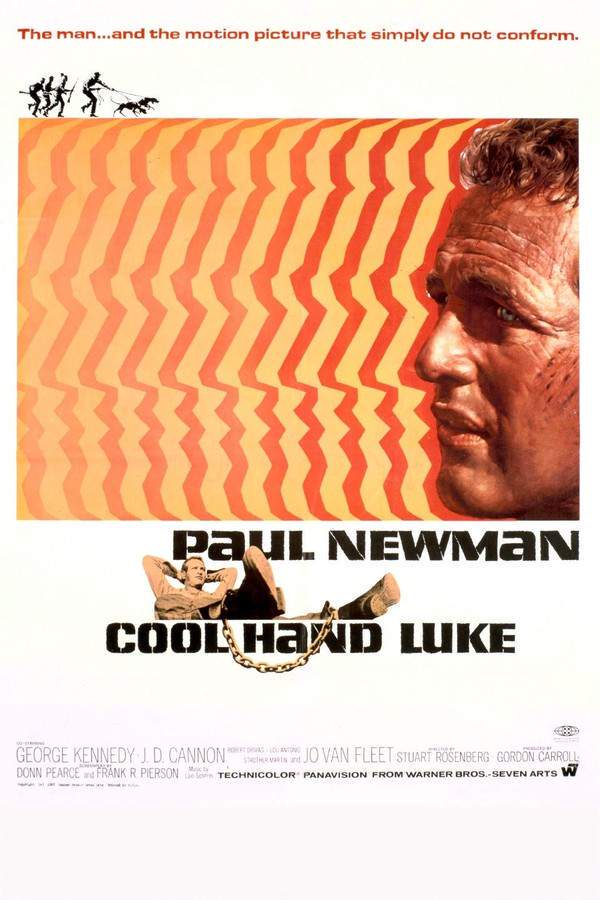
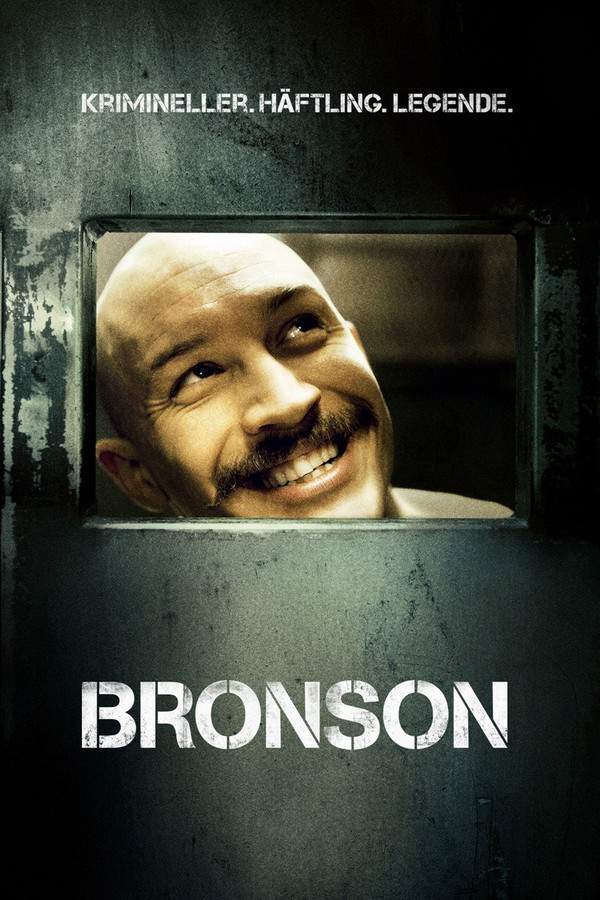
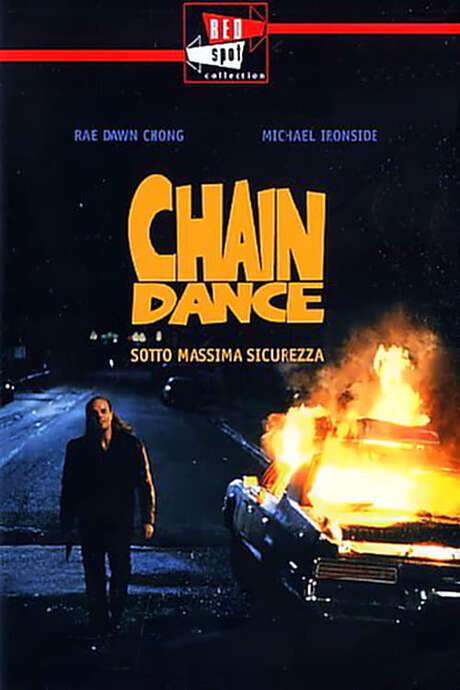
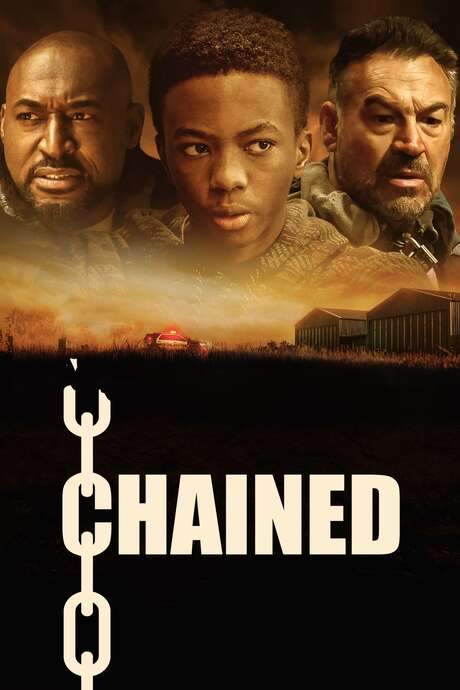
Stories of individuals crushed by oppressive systems who fight for their humanity. For viewers who appreciated the grim survival story of 'The Man Who Broke 1,000 Chains,' this collection features similar movies about prison escapes and fights for freedom. Discover other powerful dramas centered on injustice, perseverance, and the desperate attempts to reclaim liberty against brutal systems.

  • oppressive
  • brutal
  • desperate
  • resilient
  • harsh
  • injustice
  • Tone: dark, grim, desperate
  • Pacing: steady, methodical
Why these movies?

The story pattern: This narrative pattern follows a protagonist trapped within an unjust, often physically brutal system. The story is a linear chronicle of their suffering, punctuated by desperate acts of defiance or escape. The conflict is external and systemic, pitting one person's will to live freely against the crushing weight of institutional cruelty.

Why they belong together: Movies are grouped here because they share a dark, oppressive mood, a high-intensity focus on physical endurance, and a central theme of fighting for dignity against an unjust establishment. The viewing experience is heavy and grim, driven by a sense of righteous anger and the visceral thrill of defiance.

Movies based on true stories like The Man Who Broke 1,000 Chains

Based on true accounts of human suffering and incredible perseverance. If you were captivated by the true story of resilience in 'The Man Who Broke 1,000 Chains,' explore these other movies based on real events. Find similar biographical dramas and TV movies that depict harrowing true accounts of survival, endurance, and the human spirit overcoming immense adversity.

  • somber
  • grim
  • resilient
  • autobiographical
  • harrowing
  • true story
  • Tone: somber, dark, authentic
  • Pacing: steady, chronological
Why these movies?

The story pattern: These narratives are linear and straightforward, faithfully following the chronological events of a real person's ordeal. The emotional journey is heavy, built on a foundation of documented suffering, and often concludes with a bittersweet or historically significant resolution that acknowledges the cost of the struggle.

Why they belong together: These films are connected by their basis in true events, which lends a somber, authentic weight to the depiction of suffering. They share a steady pacing that methodically builds respect for the subject's endurance, a dark tone due to the grim subject matter, and a focus on the factual details of survival.

If you liked this

Movies Like The Man Who Broke 1,000 Chains

Similar movies to The Man Who Broke 1,000 Chains: the same genre, themes or kind of story. Each one comes with its own plot summary, timeline and ending explained.

Browse all movie summaries

Every angle

The Man Who Broke 1,000 Chains (1987) Explained: Plot, Timeline & Characters

Everything about The Man Who Broke 1,000 Chains in one place: what happens in the plot summary, the timeline in chronological order, the characters and meaning and a spoiler-free summary. What's After the Movie adds the cast, box office and post-credit scenes.

Coming soon on iOS and Android

The Plot Explained Movie Summary App

Plot summaries, endings explained and timelines on your phone. Catch up on any movie in minutes, save your favorites and never miss a twist again.

Be the first to know when we launch. Your email stays private, always.

Learn more about the app