Plot Explained Spoilers guaranteed!
Plot Explained

Browse by genre

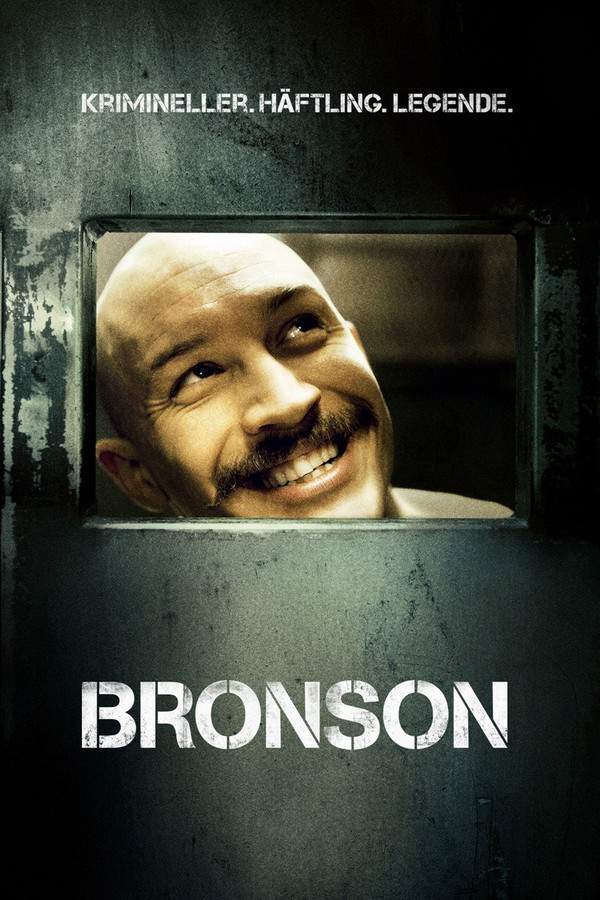
Bronson (2009) movie poster

Plot Summary

Bronson (2009) Plot Summary Explained

Release, runtime and language
2009 · 92 min · English
JustWatch #3,421 38
Starring
Tom Hardy

In 1974, a 19-year-old man’s attempt to rob a post office leads to his imprisonment, marking the beginning of a decades-long saga. Within the confines of the British prison system, he evolves into Charles Bronson, a notorious prisoner known for his defiance and numerous violent incidents during his time in solitary confinement. His unyielding spirit and refusal to conform earn him a reputation as Britain’s most infamous inmate.

On this page (6)
  1. 1 Where to watch
  2. 2 What happens: full plot
  3. 3 Plot questions answered
  4. 4 Movie threads
  5. 5 Movies like Bronson
  6. 6 Every angle

Where to watch

Where to Watch Bronson (2009)

Where can you watch Bronson? Stream, rent or buy it in the US, including on Hoopla, Kanopy and Amazon Video: current JustWatch availability with up-to-date prices.

Streaming availability powered by JustWatch

Full plot summary · contains spoilers

What Happens in Bronson: Full Plot Summary

The whole story of Bronson (2009) explained, from the opening scene to the final frame: every key event, every twist and what it all adds up to. Read it as a quick recap before the sequel, to check a scene you missed, or to finally understand what really happened.

Bronson, portrayed by Tom Hardy, opens the film with a candid introduction, proclaiming his lifelong desire for fame. Lacking talent in singing or acting, he discovers his unique calling in an unexpected way—a shocking scene of him engaging in a fierce battle with several prison guards while stark naked in a cage. From there, the narrative dives into various pivotal moments from his tumultuous life, interspersed with Bronson performing on stage, adorned with theatrical make-up, while occasionally addressing the audience from behind bars.

The story begins with Michael Peterson as an infant, quickly transitioning to his turbulent childhood, where he often finds himself in altercations with classmates and even a teacher, who falls victim to his weapon of choice: a school desk. His first encounter with crime surfaces during his time working at a fish and chip shop, where he steals money from the register and sweetly gifts some of it to a colleague while planting a kiss on her cheek.

Fast-forward to 1974, a challenging era for young men in England, where Peterson’s rebellious spirit leads him to confront two police officers during an interrogation, showcasing his aggressive demeanor. He soon marries his love, Irene (played by Kelly Adams), and together they welcome a child. However, after robbing a post office and only managing to snatch a small amount of cash, he is sentenced to seven years in prison. Despite the glimmer of hope his mother (Amanda Burton) holds for an early release, his propensity for violence ensures he remains incarcerated longer than expected.

Inside the prison system, Peterson adopts a troubling attitude toward his surroundings, often likening his confines to a luxurious hotel. His nightly escapades include violent confrontations with guards, which earn him notoriety among fellow inmates, who see him as a celebrity. Deliberately provoking guards to instigate fights, he finds himself in a vicious cycle that guarantees his extended imprisonment. When he has the chance for parole, Peterson deliberately derails it by continuing to engage in violence.

The authorities attempt to contain him by transferring him between various facilities, but none manage to subdue his unruly nature. Eventually, he ends up in Rampton Secure Hospital, where heavy sedatives are administered in response to his combative behavior. During one such episode, he encounters a man named John White (Joe Tucker) who, despite initially appearing sympathetic, reveals himself to be a pedophile. Enraged yet incapacitated by the medication, Peterson manages only to spit at White in defiance.

Determined to assert his mental stability and return to prison, Peterson feigns calmness until the opportune moment arises, allowing him to attack White. He repeatedly emphasizes to the audience that throughout his lengthy incarceration—totaling 26 years and counting—he has never committed murder.

His struggle leads him to the high-security Broadmoor psychiatric hospital, where he incites a riot that makes headlines. Dramatic news footage reveals Peterson atop the institution's roof, earning the title of "Her Majesty's most expensive prisoner." He boasts about inflicting substantial damage, claiming responsibility for millions in expenses, ultimately prompting the government to re-evaluate his sanity and discharge him.

Upon his release, he is received by his hopeful mother, who encourages him to reconnect with Uncle Jack (Hugh Ross) in Luton. While on parole and residing with his uncle, Peterson meets Paul Daniels (Matt King), a nightclub owner and former inmate. He immerses himself in the world of bare-knuckle boxing, adopting the moniker Charles "Charlie" Bronson, inspired by the iconic actor. However, seeking greater thrills, he escalates his challenges by taking on two opponents simultaneously and even facing off against a dog.

This newfound path is cut short when, swept up in love for a woman named Alison (Juliet Oldfield), he steals an engagement ring, proposes, and promptly finds himself back behind bars for robbery—his freedom lasting a mere 69 days.

While imprisoned again, his penchant for violence undulates, leading to ferocious altercations with prison staff, further lengthening his sentence. Peterson’s violent outbursts evolve, becoming more calculated and sophisticated. In one notable event, he takes the prison librarian hostage, oscillating between fits of rage and unnerving calmness, demanding music as he prepares for another confrontation with guards.

At times, his artistic inclinations surface, appreciated by a prison art teacher (James Lance), who recognizes the talent in his drawings. Peterson channels his inner turmoil into vivid representations of abstract creatures and birds. However, when the project spirals out of control, he pushes the boundaries once more, painting himself black, tying the teacher to a post, and transforming him into a living piece of surreal art—an act that guides him back toward solitary confinement.

As his journey continues, Charles Bronson remains without a clear release date, culminating in a harrowing scene where he is depicted as badly beaten and confined in what can only be described as a cage coffin within a dark, expansive room, a poignant reminder of his ongoing struggle against the system and himself.
Last updated: May 13, 2025 at 20:30

Was this helpful?

Plot questions answered

Bronson Plot Explained: Your Questions Answered

The questions people ask most about Bronson (2009): what happens in the confusing scenes, why the characters do what they do, the twists, hidden details and what the ending means. Each answer contains spoilers.

Q1

Why did Bronson refuse parole when he had the chance?

Bronson deliberately sabotaged his parole because he had become addicted to his violent reputation among inmates. He explains that prison had become his 'hotel' and he thrived on the celebrity status he gained from fighting guards. Rather than face an ordinary life outside, he chose to maintain his infamy by continuing to provoke violence, ensuring he remained incarcerated.

Foreshadowing: Earlier in the film, Bronson states he cannot sing or act but has found his calling through violence, establishing his identity as a prisoner.

  • parole refusal
  • prison violence
  • celebrity inmate
Q2

Why did Bronson attack the pedophile John White at Rampton?

While sedated at Rampton Secure Hospital, Bronson was placed in the same ward as John White, a convicted pedophile. Despite being heavily medicated and physically weakened, Bronson managed to spit at White in contempt. Later, when he decided to feign mental stability to return to prison, he plotted to strangle White but was stopped before completing the attack. His reaction stemmed from his moral code that despises those who harm children, even though he himself was a violent criminal.

  • john white
  • rampton
  • pedophile attack
  • moral code
Q3

Why did Michael Peterson change his name to Charles Bronson?

After being released from Broadmoor and living with his uncle Jack in Luton, Peterson met Paul Daniels, a nightclub owner and former inmate who introduced him to the world of bare-knuckle boxing. He adopted the name 'Charles Bronson' as a moniker, inspired by the Hollywood action star known for tough-guy roles. This new identity represented his desire for fame and his transformation into a professional fighter.

Foreshadowing: The film opens with Bronson stating his lifelong desire for fame and his inability to sing or act.

  • michael peterson
  • name change
  • bare-knuckle boxing
  • fame
Q4

What does the 'cage coffin' ending signify in the film?

The final scene shows Bronson badly beaten and confined in a small cage-like cell, described as a 'coffin' in a dark room. This bleak ending represents his complete entrapment, not just in the prison system, but within his own identity as a violent prisoner. Despite spending 26 years incarcerated, he remains defiant, having never been released permanently. The image reinforces that his struggle continues with no hope of redemption or freedom.

Foreshadowing: Throughout the film, Bronson repeatedly states he will never stop fighting or conform to society's expectations.

  • cage coffin
  • solitary confinement
  • ending
  • no release
Q5

Why did Bronson take the prison librarian hostage?

During a period when Bronson was temporarily conforming to prison life and pursuing art, he took the prison librarian hostage in a bizarre stunt. He alternated between fits of rage and unnerving calm, demanding music while preparing for another confrontation with guards. This hostage situation was another example of his theatrical approach to violence, using it as a performance to mock the prison system and assert control, even when confined.

Foreshadowing: The film frequently uses theatrical elements, with Bronson performing on stage with makeup and addressing the audience from behind bars.

  • hostage
  • librarian
  • prison
  • stunt
Q6

Why did Bronson steal an engagement ring after his brief release?

After being released from Broadmoor and living freely for 69 days, Bronson fell in love with a woman named Alison. He stole an engagement ring from a jewelry store, proposed to her, and married her. However, his criminal nature led him back to prison for robbery. This brief period of freedom demonstrated that despite his mother's hope for a new life and his own attempts at normalcy, his criminal impulses and need for excitement were unavoidable.

  • alison
  • engagement ring
  • 69 days
  • return to prison
Q7

How did Bronson become known as 'Her Majesty's most expensive prisoner'?

While transferred to Broadmoor psychiatric hospital, Bronson orchestrated a large-scale riot and climbed onto the roof, making headlines across Britain. He boasting about inflicting millions of pounds in damage to the institution. This media spectacle led the government to re-evaluate his sanity, ultimately declaring him 'sane' and releasing him from Broadmoor, ironically achieving his goal of returning to prison through his destructive actions.

  • broadmoor
  • riot
  • expensive prisoner
  • media headlines
Q8

What was the purpose of Bronson's art phase in prison?

While temporarily conforming to prison life, Bronson discovered artistic talent under the guidance of a prison art teacher who recognized real ability in his drawings. He created vivid representations of abstract creatures and birds, channeling his inner turmoil into art. However, this creative phase deteriorated when he pushed boundaries further, painting himself black, tying the teacher to a post, and using him as part of a surreal art piece. This act led directly back to solitary confinement, showing how he could not maintain any form of conformity.

Foreshadowing: The film frames much of Bronson's life as theatrical performance, suggesting art was another medium for his expression.

  • art
  • prison teacher
  • drawing
  • solitary confinement
Q9

Why did Bronson rob the post office in 1974?

In 1974, Bronson was a young man struggling to find his place in a challenging economic climate for young men in England. After marrying Irene and welcoming a child, he attempted the post office robbery as a way to provide for his family. However, he only managed to steal a small amount of cash, which led to his seven-year sentence. This crime marked the beginning of his transformation from petty criminal to notorious prisoner, as his violent behavior inside prison extended his sentence far beyond the original term.

Foreshadowing: Earlier flashbacks show his troubled childhood and first criminal act, stealing from the fish and chip shop where he worked.

  • post office robbery
  • 1974
  • irene
  • seven year sentence
Q10

Why did Bronson fight prison guards naked?

The film opens with Bronson engaging in a fierce battle with several prison guards while stark naked in a cage. This was a deliberate tactic, he intentionally provoked guards to instigate fights, seeking to establish his reputation among inmates. Fighting naked made him more vulnerable but also more intimidating, and he thrived on the notoriety it earned him. This scene establishes his method of using violence as a performance and his refusal to conform to prison rules.

  • naked fight
  • guards
  • cage
  • provocation

Movie threads

More Movies Like Bronson, by Mood & Story

Curated lists built around what makes Bronson tick: the same mood, the same kind of story or the same emotional payoff. Each list explains why these movies belong together.

Movies about chaotic anti-heroes like Bronson

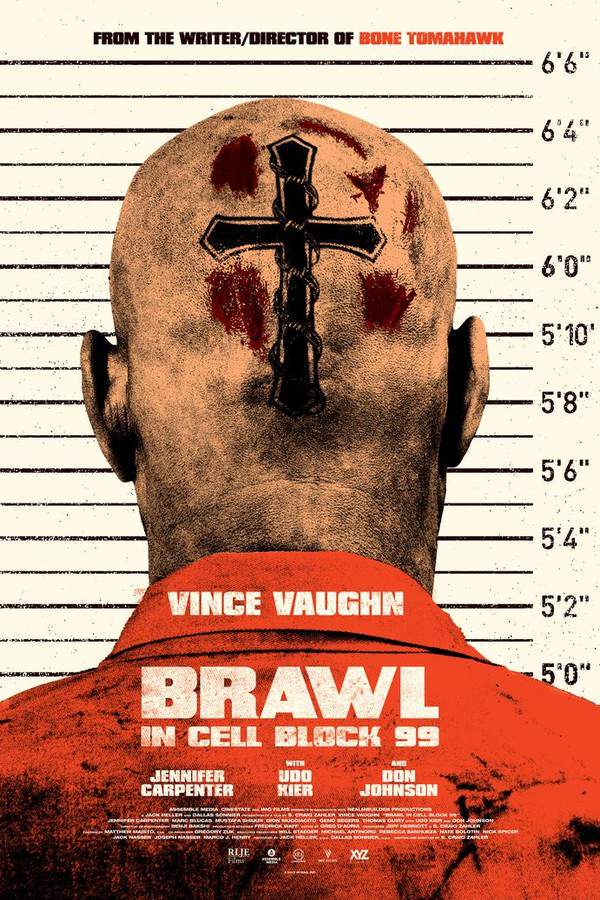
Intense portraits of individuals whose violent defiance becomes their identity. Explore films similar to Bronson that feature unhinged character studies of individuals rebelling against authority. If you liked the intense portrayal of Charles Bronson, you'll find other movies about chaotic anti-heroes whose violent defiance defines their identity within oppressive systems.

  • unhinged
  • confrontational
  • theatrical
  • brutal
  • aggressive
  • provocative
  • Tone: dark, confrontational
  • Pacing: variable, chaotic
Why these movies?

The story pattern: The narrative follows a volatile individual's lifelong struggle against an institutional system, be it prison, a mental hospital, or society itself. The story is driven by a series of confrontations and acts of rebellion, often structured around the character's own theatrical retelling or direct-to-camera monologues.
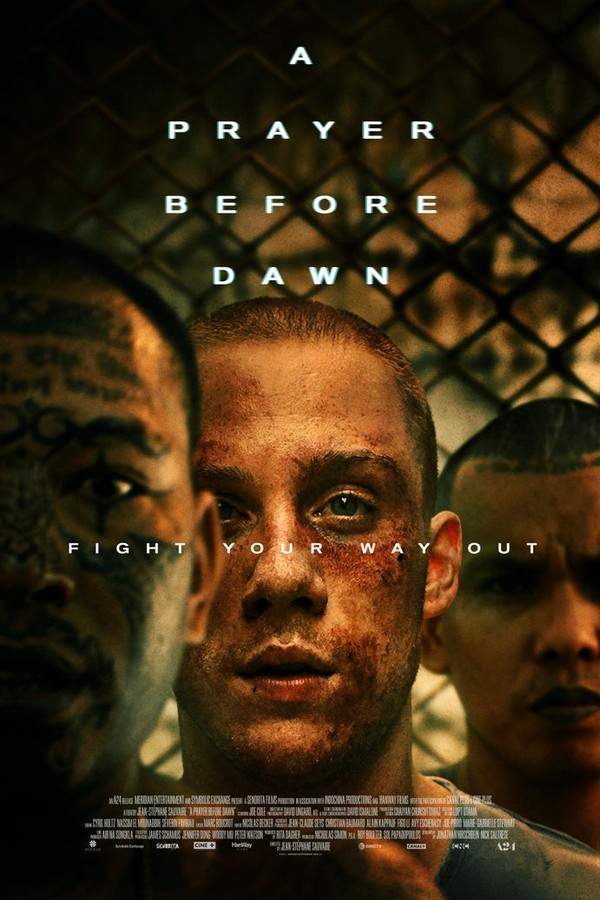
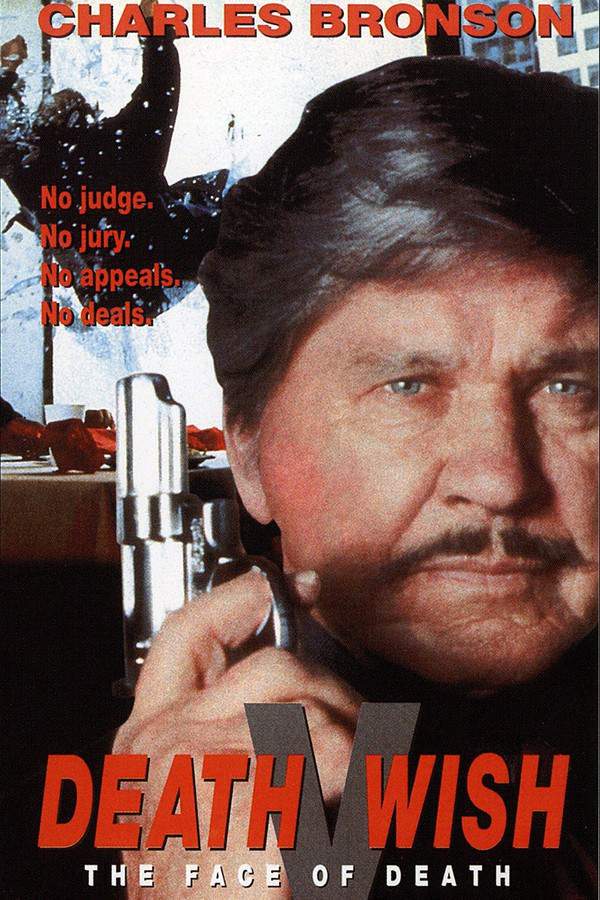
Why they belong together: These movies are grouped by their shared focus on a single, explosive character whose performance of violence is central to the story. They blend dark tones with high intensity, creating a confrontational experience that examines the line between madness and performance.

Brutal prison movies like Bronson

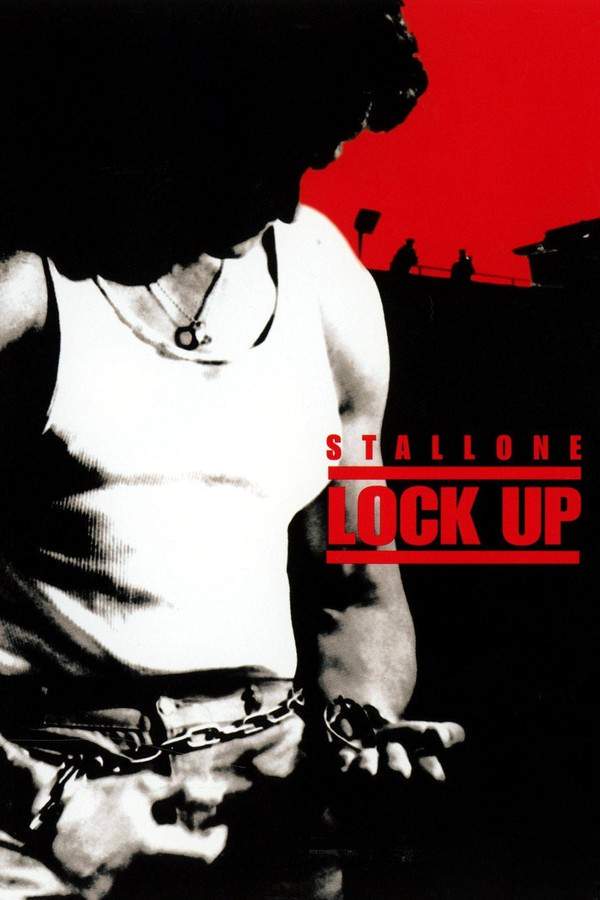
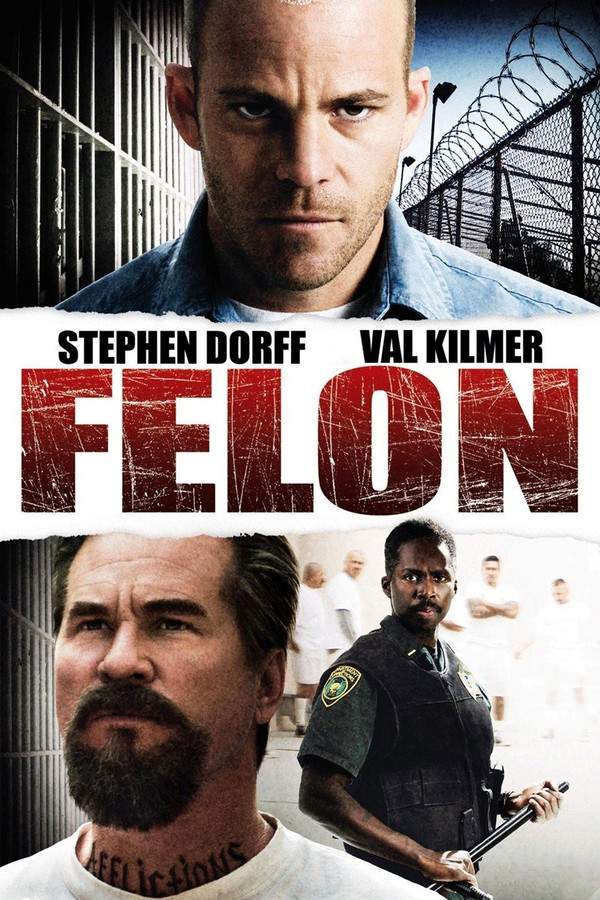
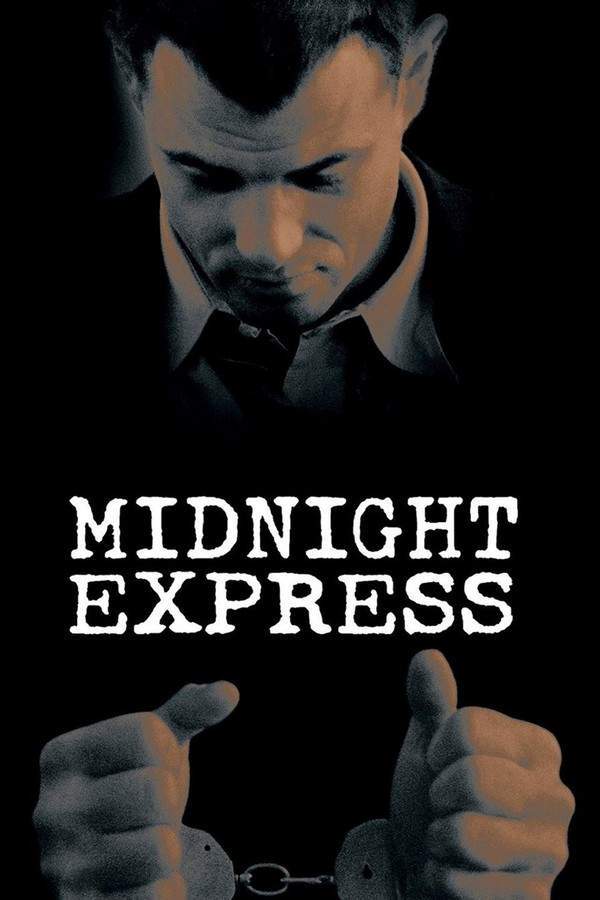
Stories of psychological collapse within unforgiving, confined environments. Discover films similar to Bronson that depict a claustrophobic descent into madness within harsh institutions. If you liked the oppressive atmosphere of solitary confinement, you will find other movies about the psychological turmoil and brutal reality of prison life and institutional defiance.

  • claustrophobic
  • oppressive
  • brutal
  • psychological
  • unflinching
  • grim
  • Tone: bleak, oppressive
  • Pacing: steady, relentless
Why these movies?

The story pattern: The plot follows an inmate or patient's grueling experience inside a harsh institution. The narrative arc is a downward spiral, showing how the environment systematically breaks down the individual's psyche, leading to increased violence, obsession, and a loss of sanity, often ending without hope.

Why they belong together: These films share a powerfully oppressive and claustrophobic mood, generated by the confined setting and the relentless focus on psychological deterioration. They are united by a bleak tone, heavy emotional weight, and themes of defiance, punishment, and mental instability.

If you liked this

Movies Like Bronson

Similar movies to Bronson: the same genre, themes or kind of story. Each one comes with its own plot summary, timeline and ending explained.

Browse all movie summaries

Every angle

Bronson (2009) Explained: Plot, Timeline & Characters

Everything about Bronson in one place: what happens in the plot summary, the timeline in chronological order, the characters and meaning and a spoiler-free summary. What's After the Movie adds the cast, box office and post-credit scenes.

Coming soon on iOS and Android

The Plot Explained Movie Summary App

Plot summaries, endings explained and timelines on your phone. Catch up on any movie in minutes, save your favorites and never miss a twist again.

Be the first to know when we launch. Your email stays private, always.

Learn more about the app