
The Man Who Broke 1,000 Chains
Year: 1987
Runtime: 115 mins
Language: English
Director: Daniel Mann
Even the toughest prison cannot crush a determined spirit. This true account follows Robert Elliot Burns, sentenced to a brutal Georgia chain gang, as he engineers two bold escape attempts, showcasing his relentless drive for freedom and the lengths he will go to reclaim his liberty.
Warning: spoilers below!
Haven’t seen The Man Who Broke 1,000 Chains yet? This summary contains major spoilers. Bookmark the page, watch the movie, and come back for the full breakdown. If you're ready, scroll on and relive the story!
The Man Who Broke 1,000 Chains (1987) – Full Plot Summary & Ending Explained
Read the complete plot breakdown of The Man Who Broke 1,000 Chains (1987), including all key story events, major twists, and the ending explained in detail. Discover what really happened, and what it all means.
In 1922, Robert Elliott Burns returns from the brutal shadows of World War I, carrying vivid flashbacks and a growing anger at the stubborn joblessness and apathy facing veterans. His brother Vincent, a minister, offers a soft, hopeful kindness, but Burns feels the pull to start anew and heads toward Florida in search of work.
On the road, Burns becomes a penniless drifter near Atlanta. A nearby campfire scene turns tense as a would-be robbery unfolds, and a local man saves him from being robbed. The offered payday tempts him to join a plan to raid a country store, yet Burns tries to back out at the last moment. The would-be robber escapes, leaving Burns to be seized by police. At trial, a lawyer urges a guilty plea, and a judge delivers a harsh six-to-ten-year sentence of hard labor.
Burns is sent to the Fulton County prison camp, a place of wooden shacks, sweatboxes, and raw hunger. His legs are chained, and the prison regime is overseen by Warden Hardy. The warden, a heavyset, irascible man with a long history of hostility toward northern ransoms, taunts Burns and pushes him to accept the brutal life of the chain gang. A guard named Trump oversees daily life, shoving and barking at the prisoners, turning even meals into a test of endurance. In one of the first shocking encounters, Burns meets Pappy Glue, an elderly inmate who treats Burns with a bleak humor as he absorbs the cruelty of the system.
Daily life is a brutal grind: prisoners dig rocks under a punishing sun for 15 hours a day, with little food—pig fat, bitter corn pone, and molasses. When a fellow inmate named George Seals collapses from exhaustion, Trump’s cruel punishment makes the scene unforgettable, and Seals dies after a brutal night of beatings. The cry of a black prisoner singing “There’s Gold in the Ground” gives Burns a moment of shared humanity, a reminder that stubborn hope persists even in chain and dirt. The next morning, the warden checks the workers and even examines how well they bear the load, reminding Burns to take pride in his labor, a rule Burns soon learns to bend and survive.
After a brutal stretch in a sweatbox and another harsh round of punishments, Burns begins to hatch a daring plan. He befriends Big Sam, a towering Black prisoner whose strength with the sledgehammer draws Burns’s attention. During a rare lunch break, Burns coils a plan: he convinces Sam to bend his shackles by striking the track with the hammer, so Burns can “hang it on a limb” and escape. Sam nods, both men feeling the risk and the moment of possibility pulse through the camp.
That night, Burns waves a reluctant goodbye to Pappy Glue, who, with a quiet grant of luck, offers a few dollars for a hopeful edge but declines a full break with the system. The next day, Burns’s chain checks pass, and Hardy’s taunts grow more pointed. Burns feigns contentment, then, while wandering in the woods to relieve himself, he slips free of his shackles and bolts toward a riverboat and then into a swamp, slipping away from the guards and the chase. The pursuit stretches through the day, but Burns finally reaches a train heading north and crosses into Tennessee, finally breathing air that feels free, if fragile.
A year later, Burns rebuilds his life in Chicago, renting a room from Emily Del Pino Pacheco, a Portuguese divorcee who is both kind and possessive. Burns types letters to his brother about work and innocence while Emily presses him toward marriage and social stability. They share quiet evenings and a movie bargain, and Burns—despite not feeling a lasting romance—begins to dream of a magazine venture. When a desire for independence leads to a bold romance with Lillian Salo, a more distant ideal forms: Burns imagines a future where he can reconcile love and reputation.
By 1929, Burns has become a recognized magazine publisher and motivational speaker in Chicago, but the personal tension deepens. Emily, ever protective and jealous, resents his closeness with Lillian, and Burns longs for an amicable separation. Yet Georgia authorities eventually move to extradite him, offering a stark choice: return to Georgia for the rest of his sentence or face a shorter term if he comes back voluntarily. He chooses to go back to Georgia, believing the deal will grant a chance at parole.
Back in Fulton County, Hardy greets Burns with a cold welcome, reminding him that Georgia will run things its own way. The reimposed life in the camp is no less brutal: the parole process stalls, and the guards treat him with renewed hostility, whipping him for supposed slights as the inmates watch in aching complicity. Burns presses on, but his plans—assistance from old allies like Big Sam and Pappy Glue—turn sour as they are separated or killed: Big Sam is moved to another prison after a guard’s heftier violence, and Pappy Glue dies from beatings that escalate in severity.
Lillian visits, offering a glimmer of possible mercy, but the system’s weight crushes the hopes she carries with her. She and Burns confront the hard truth: the parole board has rejected clemency, and Burns must endure. Yet a spark of audacity lingers. He discovers a potential lifeline: money hidden in a cigarette package given by his brother, an inheritance from his past life that could fund escape.
A new escape attempt unfolds, with Rayford—another guardsman—involved in the scheme, yet suspicion and danger shadow Burns at every turn. The plan fails, and the escape is thwarted, with Rayford firing at Burns as the warden’s fury erupts anew. Burns slips back into the world as a fugitive, writing a book about his experiences and dedicating it to the men who died under the chain gang’s yoke. The manuscript draws interest from movie studios and readers who crave a truth that refuses to be silenced.
As Burns moves from city to city, he briefly reconnects with Lillian, now married, before slipping away again into anonymity. A library visit to read his own book becomes a quiet triumph: the work is being adapted into a film, and the public response stirs calls for prison reform in Georgia. The final pages of the story reveal the harsh toll of the chain gang era on Burns and his fellow prisoners, and they highlight the broader shift sweeping across the state and nation.
In the end, the film closes on a note of historic reckoning. The Fulton County Camp is abandoned, and Burns’s tireless fight for justice culminates in a pardon awarded in 1944, marking a watershed moment as the Georgia chain gang system is dismantled. His life—defined by struggle, resilience, and a relentless pursuit of dignity—remains a stark reminder of a country forced to look at its own wounds and choose reform.
There’s Gold in the Ground<
Last updated: October 09, 2025 at 14:37
The Man Who Broke 1,000 Chains (1987) Plot Questions Answered – Summary FAQ
Explore frequently asked questions about The Man Who Broke 1,000 Chains (1987) with spoiler-rich answers covering the full plot summary, major story beats, character motivations, hidden details, and ending meaning. This movie summary FAQ helps explain confusing scenes, plot twists, and narrative decisions in clear, searchable detail.
Why was Robert Burns sentenced to hard labor in Georgia?
Burns was arrested near Atlanta while traveling to Florida for work. He fell in with a group of vagrants planning to rob a country store. Although he tried to back out at the last moment, he was caught by police during the failed robbery. At trial, his lawyer advised him to plead guilty, and the judge sentenced him to six to ten years of hard labor.
Earlier scenes show Burns struggling with unemployment and veteran desolation, setting the desperation that led him to consider criminal activity.
How did Burns escape from the Fulton County prison camp?
Burns befriended Big Sam, a powerful Black prisoner skilled with a sledgehammer. During a lunch break, Burns convinced Sam to strike his shackles against the railroad track to bend them. When Burns later wandered into the woods to relieve himself, he slipped the loosened shackles off, hid them on a tree limb, and ran toward a riverboat and swamp. He reached a train station in Marietta and boarded a train to Tennessee.
Earlier, Burns meets Pappy Glue who gives him survival wisdom about the camp, and Hardy taunts Burns about accepting the chain gang life, fueling his determination to escape.
Why did Burns voluntarily return to Georgia after escaping?
By 1929, Burns had built a successful life in Chicago as a magazine publisher and motivational speaker. Georgia authorities eventually caught up with him and sought extradition. They offered him a choice: return voluntarily for a shorter term, or face extradition and serve the full remaining sentence. Burns chose to go back, believing this deal would give him a chance at parole.
His earlier escape left him living as a fugitive, always looking over his shoulder, a tension that builds throughout his Chicago years.
What happened to Big Sam after Burns escaped?
After Burns escaped, Big Sam remained at Fulton County. However, a guard violently attacked Sam, described as having been thrown around by a guard's heftier violence, and he was subsequently transferred to another prison. The exact details of his ultimate fate are unclear, but the transfer separated him from Burns permanently.
Big Sam was identified early as the strongest prisoner, and Burns specifically sought him out for the escape plan, showing their bond was central to the escape.
Why did Burns's second escape attempt fail?
Burns discovered money hidden in a cigarette package, money his brother had left for him. Using these funds, he planned another escape. However, as he ran toward a getaway car, guard Rayford spotted him and fired. Rayford's first shot missed, but the alarm was raised and the escape was thwarted before Burns could flee.
The cigarette money was introduced as a potential lifeline after Burns learned about it from his brother, building hope for a second escape.
What caused Pappy Glue's death in the chain gang?
Pappy Glue was an elderly inmate who had survived the Fulton County camp for years by using humor and cunning. After Burns's first escape, the guards became more brutal, taking their anger out on remaining prisoners. Pappy Glue died from beatings that escalated in severity after Burns fled. The guards blamed the prisoners collectively for the escape.
Pappy Glue warns Burns about the system and gives him practical advice, establishing him as a wise survivor whose fate hangs in the balance.
How did Burns's book spark prison reform in Georgia?
While still a fugitive, Burns wrote a book about his experiences on the chain gang, dedicating it to the men who died under the system. The manuscript drew interest from movie studios and readers. The public response generated outrage over the brutal conditions, leading to calls for prison reform. This publicity contributed to the eventual dismantling of the Georgia chain gang system.
Early in his Chicago life, Burns is shown typing letters and pursuing writing, laying the groundwork for the book that would become his legacy.
Why did Warden Hardy despise northern prisoners?
Warden Harold Hardy is described as a heavyset, irascible man with a long history of hostility toward northern ransoms, prisoners from northern states sent to southern chain gangs. Hardy specifically taunts Burns about being a northerner and makes clear he despises northern prisoners. This prejudice drives much of his personal cruelty toward Burns throughout the film.
Hardy's hostility is established immediately upon Burns's arrival, setting up the antagonistic relationship that defines Burns's imprisonment.
What happened at Burns's parole hearing?
Burns's parole hearing ended in rejection. Despite Lillian Salo visiting and advocating for him, the parole board denied clemency. Burns was forced to continue serving his sentence under the brutal conditions of the Fulton County chain gang. This rejection hardened his resolve and contributed to his decision to attempt another escape.
Lillian's visit earlier offers a glimmer of hope, making the denial more devastating when it comes.
Why did Burns become a fugitive again after his second escape failed?
After his second escape was thwarted by Rayford's gunfire, the warden's fury intensified. Rather than face the severe punishments that would follow, Burns slipped back into the world as a fugitive. He continued writing his book and moving from city to city, avoiding recapture while his story gained public attention.
The second escape failure raises the stakes dramatically, showing the relentless cycle of hope and despair.
When did Robert Burns receive his pardon?
Robert Burns was granted a pardon in 1944. This came after decades of fighting the system and years of his story gaining public attention through his book and its adaptation into a film. The pardon marked the official end of his legal punishment and coincided with the dismantling of the Georgia chain gang system.
The film shows Burns visiting a library to read his own book being adapted, showing his story's growing impact.

Explore Movie Threads
Discover curated groups of movies connected by mood, themes, and story style. Browse collections built around emotion, atmosphere, and narrative focus to easily find films that match what you feel like watching right now.
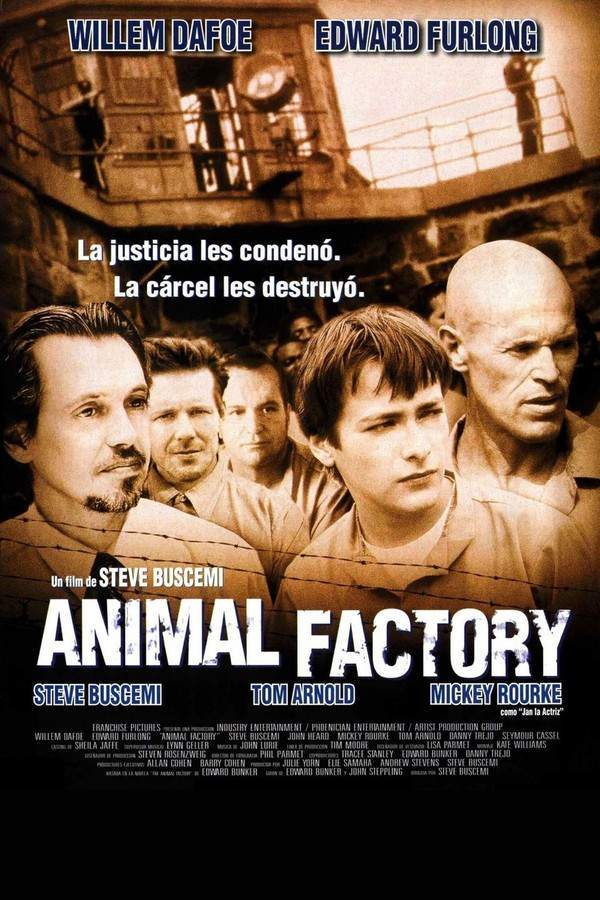
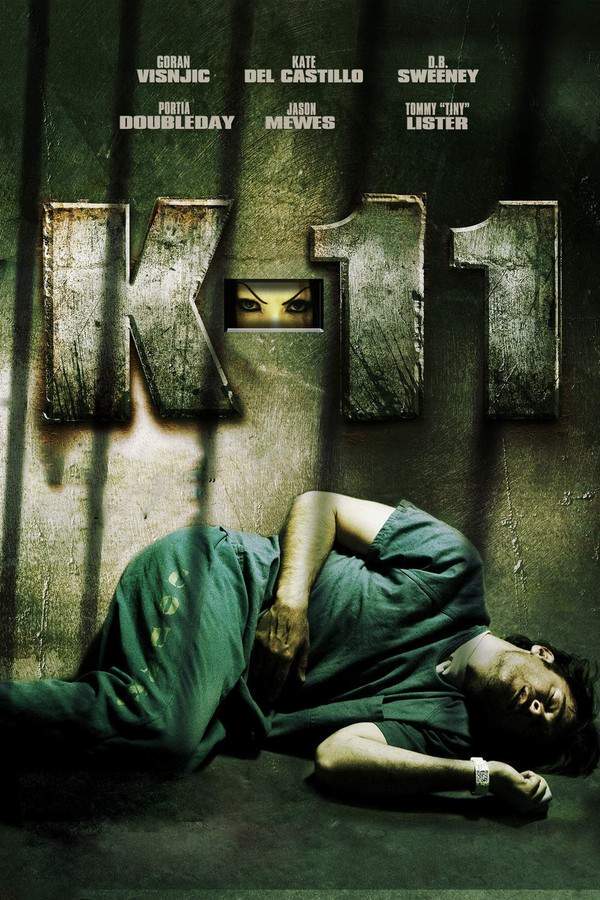
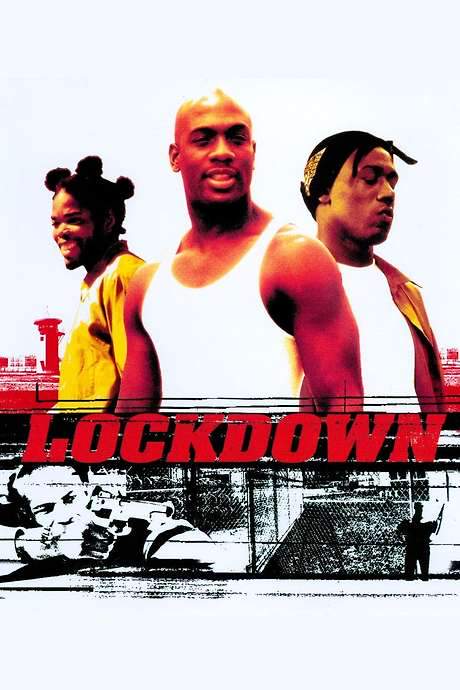
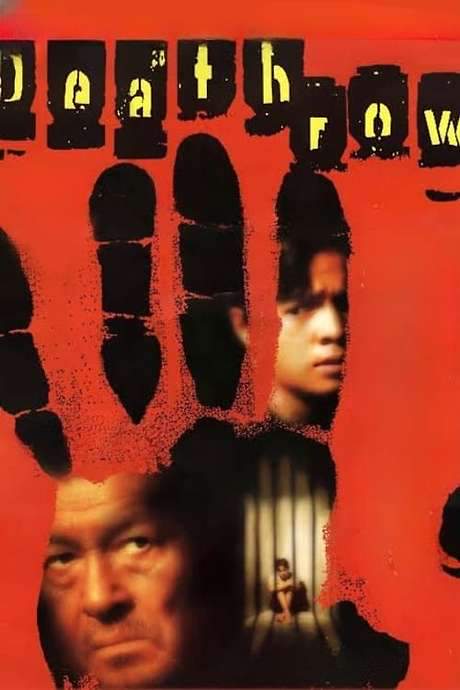
Prison escape movies like The Man Who Broke 1,000 Chains
Stories of individuals crushed by oppressive systems who fight for their humanity.For viewers who appreciated the grim survival story of 'The Man Who Broke 1,000 Chains,' this collection features similar movies about prison escapes and fights for freedom. Discover other powerful dramas centered on injustice, perseverance, and the desperate attempts to reclaim liberty against brutal systems.











Narrative Summary
This narrative pattern follows a protagonist trapped within an unjust, often physically brutal system. The story is a linear chronicle of their suffering, punctuated by desperate acts of defiance or escape. The conflict is external and systemic, pitting one person's will to live freely against the crushing weight of institutional cruelty.
Why These Movies?
Movies are grouped here because they share a dark, oppressive mood, a high-intensity focus on physical endurance, and a central theme of fighting for dignity against an unjust establishment. The viewing experience is heavy and grim, driven by a sense of righteous anger and the visceral thrill of defiance.
Movies based on true stories like The Man Who Broke 1,000 Chains
Based on true accounts of human suffering and incredible perseverance.If you were captivated by the true story of resilience in 'The Man Who Broke 1,000 Chains,' explore these other movies based on real events. Find similar biographical dramas and TV movies that depict harrowing true accounts of survival, endurance, and the human spirit overcoming immense adversity.












Narrative Summary
These narratives are linear and straightforward, faithfully following the chronological events of a real person's ordeal. The emotional journey is heavy, built on a foundation of documented suffering, and often concludes with a bittersweet or historically significant resolution that acknowledges the cost of the struggle.
Why These Movies?
These films are connected by their basis in true events, which lends a somber, authentic weight to the depiction of suffering. They share a steady pacing that methodically builds respect for the subject's endurance, a dark tone due to the grim subject matter, and a focus on the factual details of survival.
Unlock the Full Story of The Man Who Broke 1,000 Chains
Don't stop at just watching - explore The Man Who Broke 1,000 Chains in full detail. From the complete plot summary and scene-by-scene timeline to character breakdowns, thematic analysis, and a deep dive into the ending - every page helps you truly understand what The Man Who Broke 1,000 Chains is all about. Plus, discover what's next after the movie.
The Man Who Broke 1,000 Chains Timeline
Track the full timeline of The Man Who Broke 1,000 Chains with every major event arranged chronologically. Perfect for decoding non-linear storytelling, flashbacks, or parallel narratives with a clear scene-by-scene breakdown.

Characters, Settings & Themes in The Man Who Broke 1,000 Chains
Discover the characters, locations, and core themes that shape The Man Who Broke 1,000 Chains. Get insights into symbolic elements, setting significance, and deeper narrative meaning - ideal for thematic analysis and movie breakdowns.


Similar Movies to The Man Who Broke 1,000 Chains
Discover movies like The Man Who Broke 1,000 Chains that share similar genres, themes, and storytelling elements. Whether you’re drawn to the atmosphere, character arcs, or plot structure, these curated recommendations will help you explore more films you’ll love.








Explore More About Movie The Man Who Broke 1,000 Chains
The Man Who Broke 1,000 Chains (1987) Scene-by-Scene Movie Timeline
The Man Who Broke 1,000 Chains (1987) Movie Characters, Themes & Settings
The Man Who Broke 1,000 Chains (1987) Spoiler-Free Summary & Key Flow
Movies Like The Man Who Broke 1,000 Chains – Similar Titles You’ll Enjoy
Cool Hand Luke (1967) Spoiler-Packed Plot Recap
The Big House (1930) Film Overview & Timeline
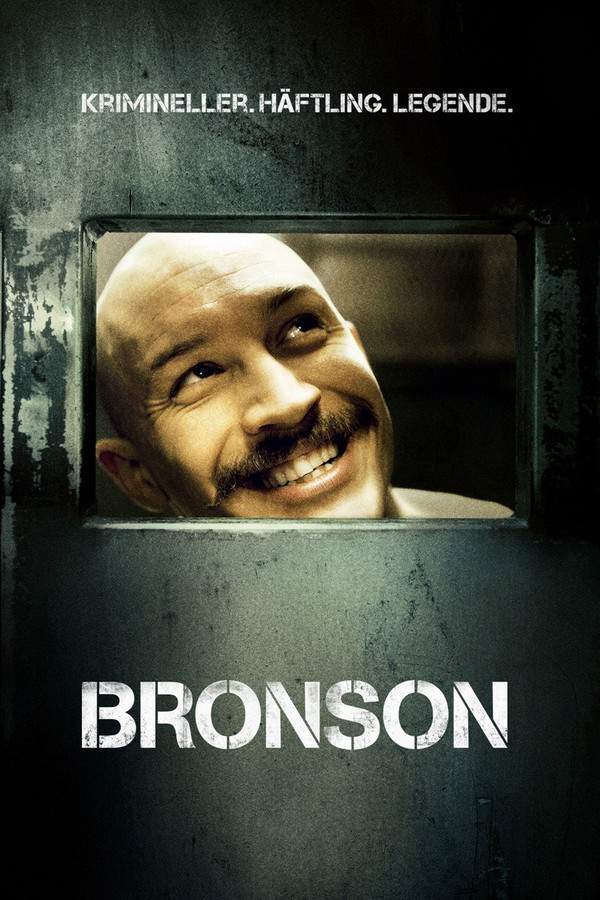
Bronson (2009) Movie Recap & Themes
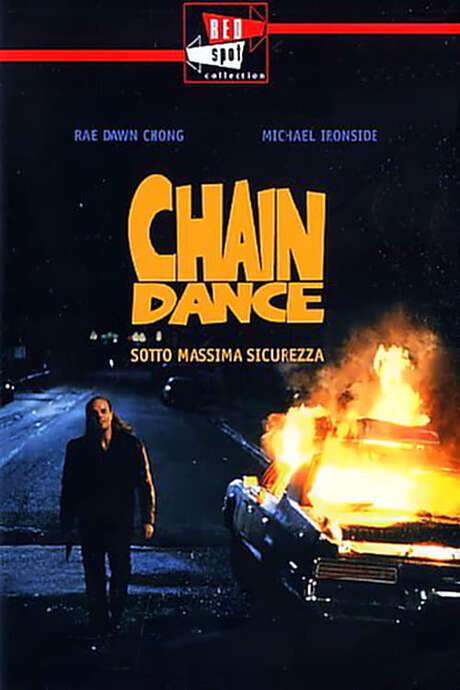
Chaindance (1991) Ending Explained & Film Insights
A Sense of Freedom (1981) Ending Explained & Film Insights
Chains of Gold (1991) Plot Summary & Ending Explained
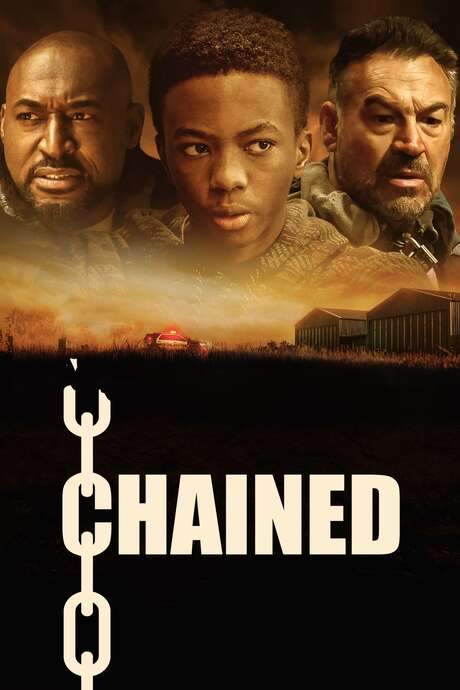
Chained (2020) Full Movie Breakdown
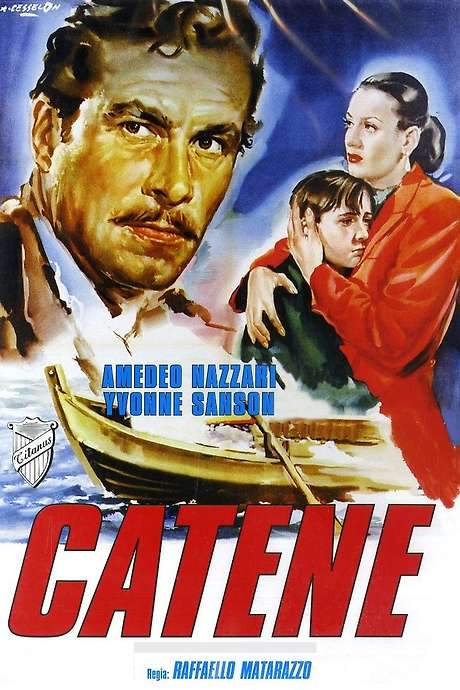
Chains (1949) Story Summary & Characters
Inside the Walls of Folsom Prison (1951) Detailed Story Recap
A Man Betrayed (1936) Ending Explained & Film Insights
Unchained (1955) Complete Plot Breakdown
Man to Man (1930) Story Summary & Characters
39 Stripes (1979) Story Summary & Characters
The Chain (1996) Story Summary & Characters
Laughter in Hell (1933) Ending Explained & Film Insights