Plot Explained Spoilers guaranteed!
Plot Explained

Browse by genre

The Man of the Year (2003) movie poster

Timeline

The Man of the Year (2003) Timeline Explained – Every Event in Order

Release, runtime and language
2003 · 104 mins · Portuguese
Loading streaming availability…
Directed by
José Henrique Fonseca
Starring
Wagner Moura, Nill Marcondes, Lázaro Ramos, Cláudia Abreu, José Wilker, Paulo César Peréio

Even losers get to win sometimes. After Maiquél loses a bet, he dyes his hair blond, a harmless prank that sets off a chain of events. Within 24 hours he is thrust from anonymity into hero status, then quickly becomes an outlaw, caught in a collision with destiny.

On this page (6)
  1. 1 Where to watch
  2. 2 Events in order (11)
  3. 3 Timeline questions answered
  4. 4 Movie threads
  5. 5 Movies like The Man of the Year
  6. 6 Every angle
Loading streaming availability…

11 events in order · contains spoilers

The Man of the Year Timeline: Events in Chronological Order

Every key event of The Man of the Year (2003) in order, scene by scene, with when and where it takes place. Use it to untangle flashbacks, time jumps and parallel storylines, to refresh your memory before the sequel or to find the exact scene you are thinking of.

  1. Loses bet and dyes hair blond

    Maiquel loses a soccer bet with his friends, a humbling moment that nudges him toward change. In response, he dyes his hair blond as a visual symbol of this new impulse. The act marks the first step away from his ordinary life in Baixada Fluminense, Rio de Janeiro.

    When
    immediately after losing the bet
    Where
    Baixada Fluminense, Rio de Janeiro
  2. Ask hairdresser out to a bar

    Seeking a break from routine, Maiquel asks his hairdresser Cledir out to a bar. The invitation signals his willingness to push social boundaries. The bar becomes the setting where his new life begins to take form.

    When
    same day as the bet
    Where
    bar in Baixada Fluminense
  3. Suel bullies Maiquel at the bar

    At the bar, Maiquel is confronted and bullied by Suel, a local criminal who asserts his dominance. The humiliation fuels Maiquel's desire for revenge. This encounter becomes the catalyst for the violence that follows.

    When
    that night
    Where
    bar in the neighborhood
  4. Maiquel buys a rifle

    To settle the score, Maiquel purchases a rifle the next day. The weapon represents a tangible move from talk to action. This decision accelerates his transformation from an ordinary man to someone capable of lethal violence.

    When
    the following day
    Where
    gun shop
  5. He kills Suel in front of his girlfriend

    Maiquel shoots Suel the next day, doing so in front of Suel's girlfriend. The act becomes a public spectacle rather than a private feud. The neighborhood's response begins to tilt in Maiquel's favor, even as the violence intensifies.

    When
    the following day
    Where
    Suel's neighborhood
  6. Neighborhood and police celebrate; gifts given

    News of Suel's death spreads quickly and the neighborhood, along with the police, celebrate Maiquel's action. They treat him as a hero and reward him with gifts. This adulation reinforces his belief that violence can elevate him above his ordinary life.

    When
    immediately after the killing
    Where
    neighborhood and police
  7. Influential locals hire him to kill others

    Influential locals recruit Maiquel to carry out further killings for them. He accepts, drawn by money and a growing sense of power. The line between protector and killer becomes increasingly blurred as his status rises.

    When
    shortly after the killing
    Where
    local power circles
  8. Becomes a full-time hitman; life spirals

    Maiquel's life shifts from ordinary man to full-time hitman. He descends into drugs, sex, wealth, and violence as his new reality. His relationship with his wife deteriorates as he grows more distant from the life he once knew.

    When
    weeks to months after the first kill
    Where
    various locations around Rio
  9. Outlaw on the run

    The consequences catch up and Maiquel becomes an outlaw. He hides from authorities, moving through the city and its outskirts. The once-celebrated killer now exists in a constant state of fear and pursuit.

    When
    mid to late film
    Where
    Rio de Janeiro region; on the run
  10. The cost of fame and power

    Maiquel's fame as a killer remains hollow as his personal life collapses. The wealth and notoriety fail to bring peace or happiness. He is forced to confront what his choices have cost him and the person he has become.

    When
    late film
    Where
    city outskirts
  11. Final reveal: hair dyed back to black and running

    In the finale, Maiquel dyes his hair back to black and runs from the police. He realizes how drastically his life has changed from the ordinary man he once was. The film closes on a note of pursuit and self-recognition as he flees.

    When
    finale
    Where
    on the run

Last updated: February 20, 2026 at 18:44

Was this helpful?

Timeline questions answered

The Man of the Year Timeline Explained: Your Questions Answered

When does it happen, and why in that order? The questions people ask about the chronology of The Man of the Year (2003): time jumps, flashbacks, cause and effect between scenes and the correct order of events, each answered with spoilers.

Q1

Why did the neighborhood and police celebrate Maiquel killing Suel?

Suel was a local thug who terrorized the community and presumably caused problems for residents and law enforcement alike. When Maiquel killed him, the neighborhood felt a sense of relief that the troublemaker was gone. The police similarly viewed Suel as a pest they couldn't control, so they viewed Maiquel's act as doing their job for them. This shared sentiment of gratitude turned Maiquel into an unexpected local hero.

  • suel
  • neighborhood
  • police
  • killer
  • celebration
Q2

Why did Maiquel agree to become a hitman for influential locals?

After being celebrated as a hero, Maiquel was recruited by powerful people in the community who needed someone to carry out targeted killings. He accepted because the money was good and the work fed his growing sense of power and importance. The praise and gifts he received after killing Suel made him believe violence could elevate his status, making him willing to cross moral lines he never would have considered before.

Foreshadowing: Earlier, Maiquel's hair color change symbolized his shift away from his ordinary identity.

  • hitman
  • influential locals
  • money
  • power
  • hired killer
Q3

How did Maiquel go from ordinary man to outlaw so quickly?

The entire transformation happened within 24 hours and then accelerated over weeks or months. After killing Suel, Maiquel received instant fame, gifts, and validation from the community and police. This positive reinforcement convinced him that killing was acceptable and rewarding. Influential locals then hired him for more hits, plunging him deeper into a life of crime until the consequences finally caught up and he became a hunted outlaw.

  • transformation
  • outlaw
  • rapid change
  • downfall
Q4

Why did the police treat Maiquel as a hero instead of arresting him for murder?

The police were relieved that Suel, a criminal they likely struggled to control, was dead. Rather than view Maiquel's killing as a crime, they saw it as beneficial to their community. This corrupt mindset led them to celebrate Maiquel instead of pursuing charges, treating him as a hero who had done what they couldn't or wouldn't do themselves.

  • police
  • arrest
  • hero
  • murder
  • corruption
Q5

What triggered Maiquel's decision to kill Suel?

At the bar, Suel confronted and bullied Maiquel, humiliating him in front of others. This encounter, combined with his emotional reaction to the bet loss and new blond hair, fueled Maiquel's desire for revenge. The next day, he purchased a rifle specifically to settle the score with Suel, ultimately shooting him in front of Suel's girlfriend.

  • suel
  • revenge
  • bullying
  • rifle
  • killed
Q6

Why did Maiquel dye his hair black at the end of the movie?

At the beginning, Maiquel dyed his hair blond as a symbolic break from his ordinary life. By the end, after experiencing the consequences of his violent path, he dyes it back to black as a way to try to disappear and hide from authorities. The color change reflects his attempt to return to anonymity and escape the notoriety that his blond hair had brought him.

Foreshadowing: The blond hair first appeared after the bet loss, marking his departure from ordinary life.

  • hair
  • black
  • blond
  • escape
  • running
Q7

What happened to Maiquel's wife during his transformation?

As Maiquel descended into his life of crime, wealth, and violence, he grew increasingly detached from his wife. His moral compass frayed as he engaged in killings, and he became distant from the ordinary life he once shared with her. The summary indicates his relationship deteriorated significantly as he pursued his new reality of drugs, sex, and wealth.

  • wife
  • marriage
  • distance
  • deterioration
Q8

Why did influential locals hire Maiquel to kill people?

After witnessing Maiquel kill Suel and receive community approval, influential locals recognized an opportunity. They needed someone willing to carry out executions for them, and Maiquel had proven he could do so without consequence from the police or community. His newly gained reputation as a hero made him an attractive candidate for their criminal needs.

  • hired killers
  • influential locals
  • criminal network
Q9

What was the cost of Maiquel's fame and power?

Maiquel's fame as a killer proved hollow. While he gained wealth, drugs, sex, and violence, he lost his ordinary life, his wife, and eventually his freedom. He became a hunted man, forced to live in constant fear as an outlaw. The final reversal shows him on the run, having traded his previous anonymity and peace for a tragic life of pursuit.

  • fame
  • power
  • cost
  • downfall
  • consequences
Q10

Why did Maiquel shoot Suel in front of his girlfriend?

Maiquel's act was publicly deliberate rather than spontaneous. By shooting Suel in front of witnesses, he ensured the killing would be seen and reported. This public execution served to establish his new reputation and send a message, fitting his desire to transform from a humiliated ordinary man into someone feared and respected.

  • suel
  • girlfriend
  • public shooting
  • reputation

Movie threads

More Movies Like The Man of the Year, by Mood & Story

Curated lists built around what makes The Man of the Year tick: the same mood, the same kind of story or the same emotional payoff. Each list explains why these movies belong together.

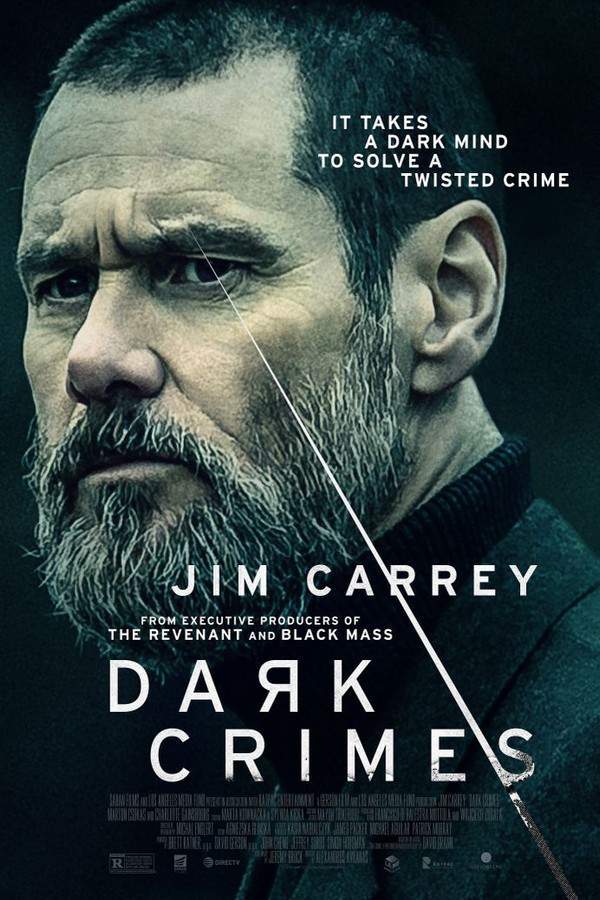
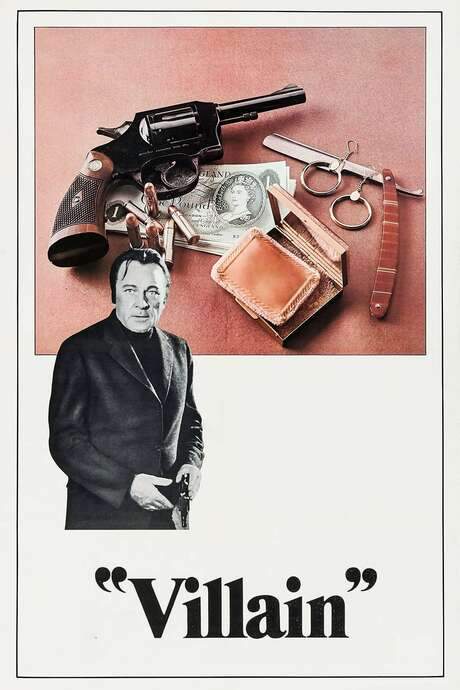
Rapid criminal descent movies like The Man of the Year

Stories where a single decision triggers a swift, violent spiral into a life of crime. For viewers who enjoyed The Man of the Year, this section features movies with similar stories of a fast-paced, violent descent into crime. These films share a grim tone, heavy emotional weight, and a bleak outlook, capturing the chaotic journey from anonymity to outlaw status.

  • tense
  • grim
  • paranoid
  • moral decay
  • descent into darkness
  • anxious
  • Tone: dark, bleak
  • Pacing: fast, propulsive
Why these movies?

The story pattern: The narrative follows a linear, often fast-moving chain of events sparked by a seemingly insignificant choice or accident. The protagonist is thrust into a new, darker reality, rapidly gaining notoriety or power within a criminal context, only to face inevitable and severe consequences.

Why they belong together: These movies are grouped by their shared focus on a swift moral collapse and the irreversible consequences of a single fateful decision. They create a tense, intoxicating atmosphere of a life unraveling at high speed.

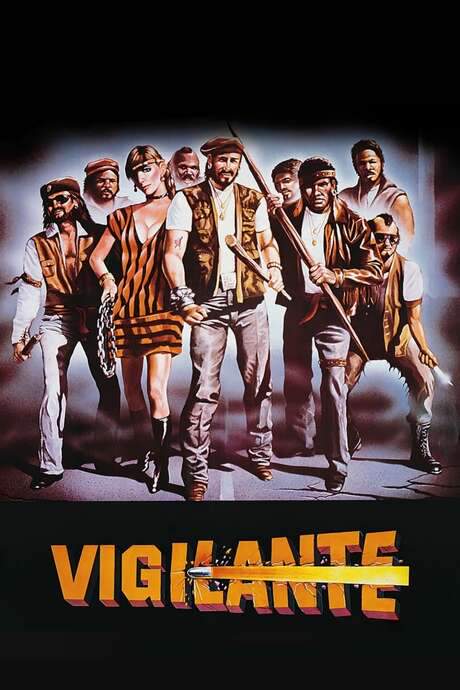
Grim vigilante justice movies similar to The Man of the Year

Dark tales of flawed individuals taking justice into their own bloodstained hands. If you liked the morally complex vigilante story in The Man of the Year, explore these films about characters who take justice into their own hands. These movies share a dark tone, high intensity, and explore the heavy consequences and corruption inherent in violent retribution.

  • tense
  • grim
  • moral ambiguity
  • corruption
  • violent justice
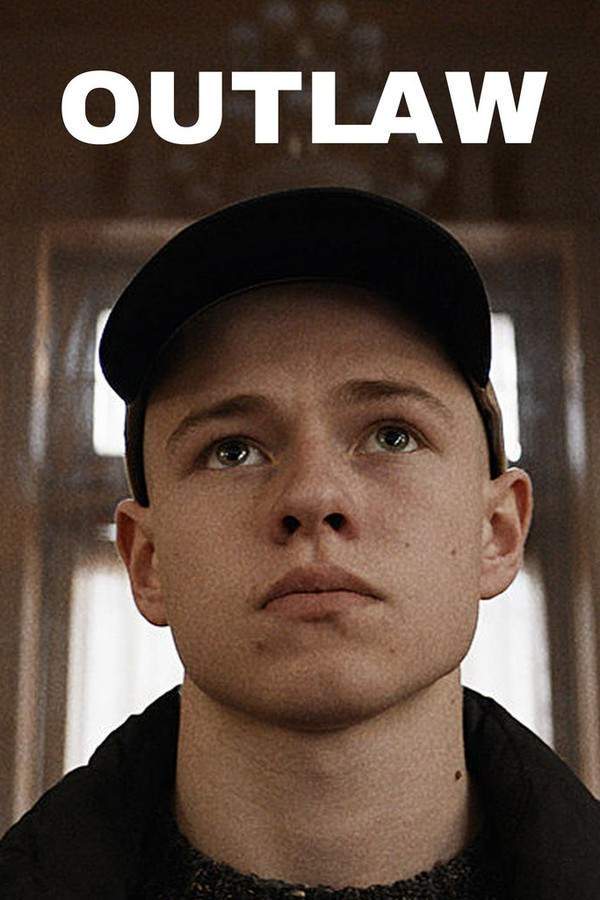
  • outlaw
  • Tone: dark, tense
  • Pacing: fast, steady
Why these movies?

The story pattern: The narrative explores a character's adoption of a violent, extralegal role, initially perhaps for a perceived greater good. The story arc typically involves the corruption of their original intentions, the intoxication of power, and the devastating personal cost of their actions, leading to a tragic outcome.

Why they belong together: These films are united by their exploration of the dark side of vigilante justice, emphasizing the protagonist's moral decay and the grim reality that violence begets more violence. They share a tense, heavy atmosphere devoid of simple heroism.

If you liked this

Movies Like The Man of the Year

Similar movies to The Man of the Year: the same genre, themes or kind of story. Each one comes with its own plot summary, timeline and ending explained.

Browse all movie summaries

Every angle

The Man of the Year (2003) Explained: Plot, Timeline & Characters

Everything about The Man of the Year in one place: what happens in the plot summary, the timeline in chronological order, the characters and meaning and a spoiler-free summary. What's After the Movie adds the cast, box office and post-credit scenes.

Coming soon on iOS and Android

The Plot Explained Movie Summary App

Plot summaries, endings explained and timelines on your phone. Catch up on any movie in minutes, save your favorites and never miss a twist again.

Be the first to know when we launch. Your email stays private, always.

Learn more about the app