
The Man of the Year
Year: 2003
Runtime: 104 mins
Language: Portuguese
Director: José Henrique Fonseca
Even losers get to win sometimes. After Maiquél loses a bet, he dyes his hair blond, a harmless prank that sets off a chain of events. Within 24 hours he is thrust from anonymity into hero status, then quickly becomes an outlaw, caught in a collision with destiny.
Warning: spoilers below!
Haven’t seen The Man of the Year yet? This summary contains major spoilers. Bookmark the page, watch the movie, and come back for the full breakdown. If you're ready, scroll on and relive the story!
Timeline & Setting – The Man of the Year (2003)
Explore the full timeline and setting of The Man of the Year (2003). Follow every major event in chronological order and see how the environment shapes the story, characters, and dramatic tension.
Last updated: February 20, 2026 at 18:35
Main Characters – The Man of the Year (2003)
Meet the key characters of The Man of the Year (2003), with detailed profiles, motivations, and roles in the plot. Understand their emotional journeys and what they reveal about the film’s deeper themes.
Last updated: February 20, 2026 at 18:35
Major Themes – The Man of the Year (2003)
Explore the central themes of The Man of the Year (2003), from psychological, social, and emotional dimensions to philosophical messages. Understand what the film is really saying beneath the surface.
Last updated: February 20, 2026 at 18:35
The Man of the Year (2003) Character & Theme Questions Answered – Info FAQ
Browse frequently asked questions about The Man of the Year (2003) focused on characters, relationships, themes, symbols, setting, and story context. This movie info FAQ gives spoiler-aware explanations for character arcs, world details, and thematic interpretation so readers can better understand what the film is really about.
Where is the movie set?
The film takes place in Baixada Fluminense, a densely populated suburban region of Rio de Janeiro, Brazil. This urban setting is characterized by close-knit neighborhoods and stark social contrasts, where street dynamics and informal codes shape everyday life. The harsh backdrop of this working-class area amplifies the dramatic transformation of the protagonist from an ordinary man into a feared figure.
What are the main themes explored in the film?
The movie explores three interconnected themes: Power and Corruption, as Maiquel's rapid rise from an ordinary man to a hired killer shows how violence can become a shortcut to respect and social standing; Identity and Transformation, symbolized by his decision to dye his hair blond, representing his shift from meek neighbor to feared outlaw; and Consequences, showing how public acclaim masks personal costs including strained relationships, legal peril, and eventual isolation.
Who is Maiquel and what is his role in the story?
Maiquel is an ordinary man from the Baixada Fluminense neighborhood whose life changes dramatically after a confrontation with local criminal Suel. After killing Suel in what begins as self-defense, he is celebrated as a neighborhood hero. This status pulls him deeper into the criminal underworld, leading him to become a hired killer for powerful patrons. His transformation from a meek, anonymous neighbor into a feared outlaw forms the core of the film's narrative.
Who is Suel and what role does he play?
Suel is a feared local criminal in the Baixada Fluminense neighborhood who embodies the street violence of the area. He bullies Maiquel and represents the immediate threat that catalyzes the protagonist's drastic shift. His death at Maiquel's hands triggers the neighborhood's celebration of Maiquel as a hero and accelerates Maiquel's entry into a life of hired killings.
Who is Seu Humberto and what is his significance?
Seu Humberto is an influential local figure who hires Maiquel to kill others, illustrating how powerful patrons utilize violence for control and personal gain. He embodies the network of power that supports Maiquel's new career in crime and profits from his actions. Through this character, the film shows how the criminal underworld is connected to established local power structures.
What does Maiquel dyeing his hair blond represent?
The act of dyeing his hair blond becomes a visible symbol of Maiquel's shifting identity and transformation. As his public perception changes, he embraces his new role as a powerful, feared figure. He progressively rejects his former ordinary life, leading to moral detachment. The ending, where he dyes his hair back and goes on the run, emphasizes that his reinvention was a fragile illusion that could not be sustained.
How does the film portray the relationship between violence and social status?
The film critiques how violence can become a shortcut to respect, money, and social standing. When Maiquel kills Suel, the community celebrates his actions rather than condemning them. This normalization of criminal behavior by the crowd reveals how public acclaim can mask hollow achievements earned through crime. The film shows that the neighborhood's celebration of violence reflects deeper societal issues where power and fear earn respect more readily than ordinary decency.
Who is Detective Max and what role does he play?
Detective Max is a detective who tracks Maiquel as he becomes a public menace and hired killer. He represents the law's response to the rise of a neighborhood hitman. His pursuit creates tension between perceived justice and moral ambiguity, as he works to bring down a man who was once celebrated by the community. He serves as a counterpoint to the neighborhood's celebratory attitude toward Maiquel's violence.
What happens to Maiquel's marriage as his life changes?
As Maiquel's life becomes consumed by crime, his marriage to Gabriela cools significantly. She embodies the personal cost of his transformation, experiencing emotional distance as he spirals deeper into the criminal world. Her experience reflects the collateral damage of Maiquel's choices, showing how his transformation affects not just him but those closest to him.
What is the tone and atmosphere of the film?
The movie has a consistently dark tone that explores the corrupting influence of power and violence without offering redemption. The narrative is characterized by high intensity, fast pacing, and heavy emotional weight. It delves into serious themes including murder, infidelity, and the destruction of a life. There is minimal humor or romance, replaced by high tension and a profound sense of tragedy leading to a bleak ending.
What message does the film convey about fame and crime?
The film delivers a critical message about the hollow nature of fame earned through crime. Maiquel's rapid rise from anonymity to hero status, then to outlaw, shows how public acclaim can be fleeting and meaningless when based on violence. The community celebrates his acts but ultimately abandons him when the law closes in. The bleak ending reinforces that criminal success leads to isolation and destruction, with the apparent hero becoming a prisoner of his own impulses.

Explore Movie Threads
Discover curated groups of movies connected by mood, themes, and story style. Browse collections built around emotion, atmosphere, and narrative focus to easily find films that match what you feel like watching right now.
Rapid criminal descent movies like The Man of the Year
Stories where a single decision triggers a swift, violent spiral into a life of crime.For viewers who enjoyed The Man of the Year, this section features movies with similar stories of a fast-paced, violent descent into crime. These films share a grim tone, heavy emotional weight, and a bleak outlook, capturing the chaotic journey from anonymity to outlaw status.
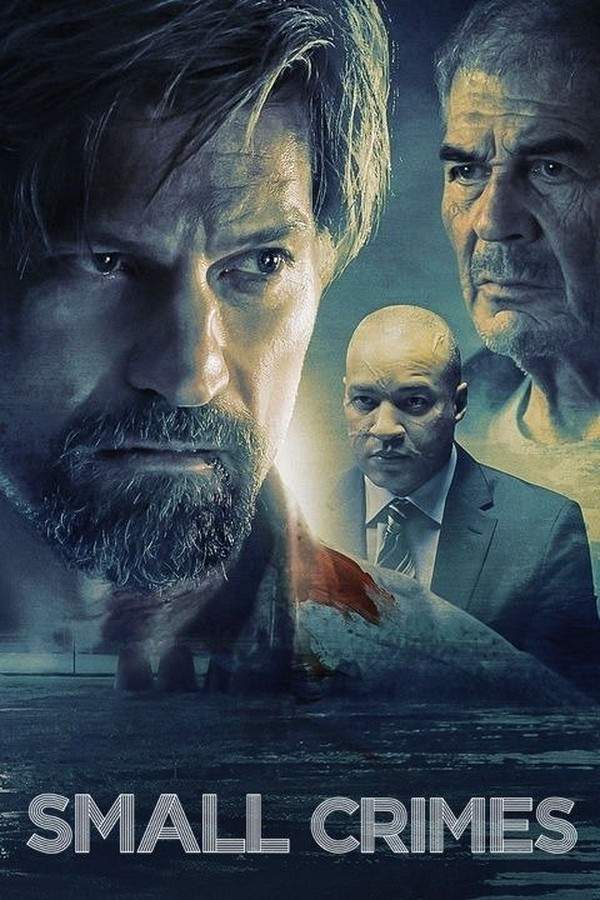
Small Crimes
2017
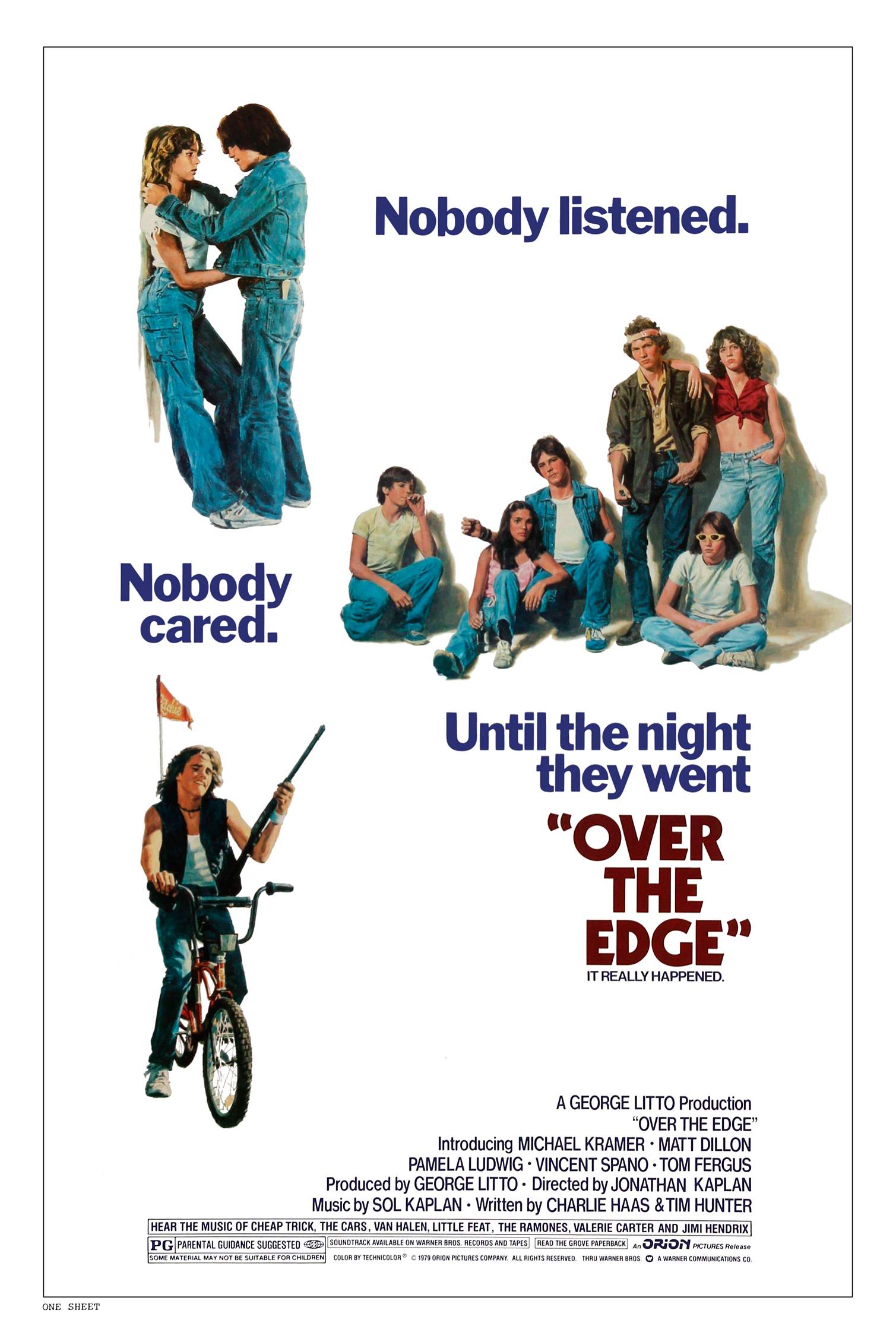
Over the Edge
1979
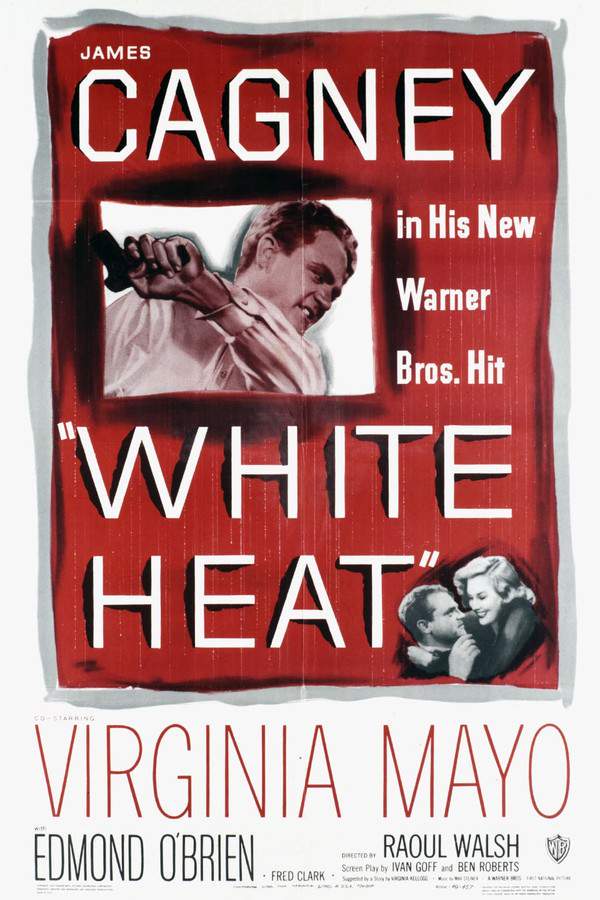
White Heat
1949
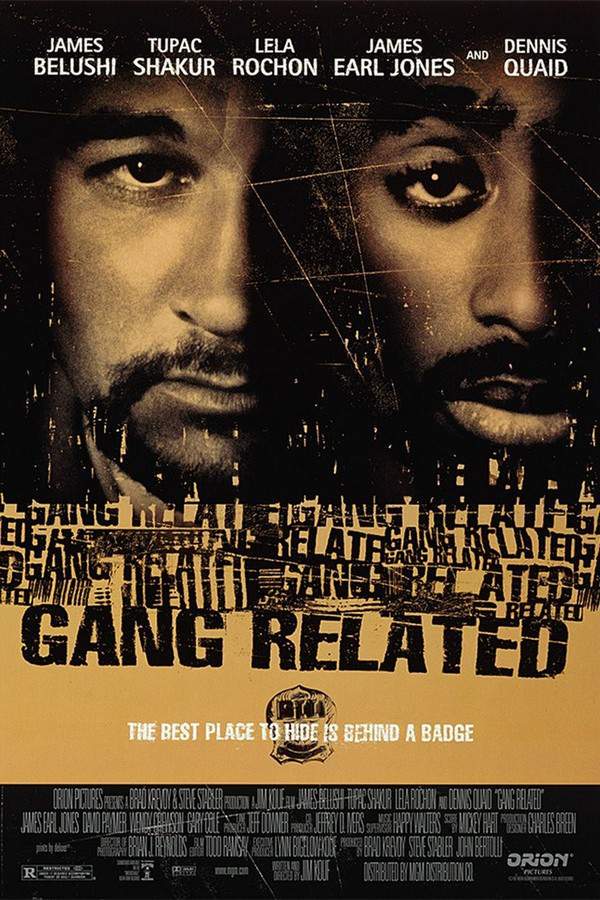
Gang Related
1997
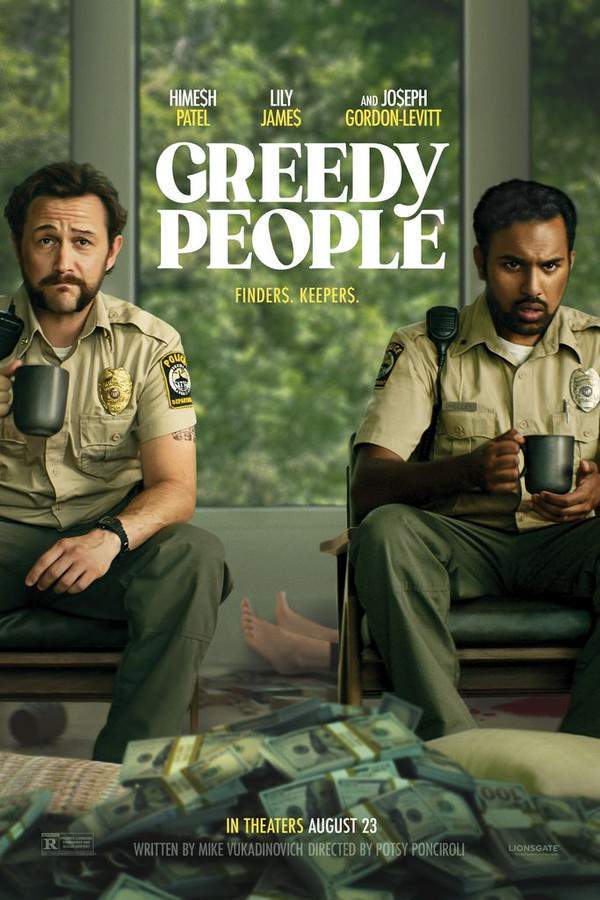
Greedy People
2024

Bad Blood
2010

The Robbers
2023

Where Danger Lives
1950

Gentleman’s Fate
1931

711 Ocean Drive
1950

Tread Softly Stranger
1958

Night and the City
1950

The Good Die Young
1954

Young and Healthy as a Rose
1971

The Robbers
2009
Narrative Summary
The narrative follows a linear, often fast-moving chain of events sparked by a seemingly insignificant choice or accident. The protagonist is thrust into a new, darker reality, rapidly gaining notoriety or power within a criminal context, only to face inevitable and severe consequences.
Why These Movies?
These movies are grouped by their shared focus on a swift moral collapse and the irreversible consequences of a single fateful decision. They create a tense, intoxicating atmosphere of a life unraveling at high speed.
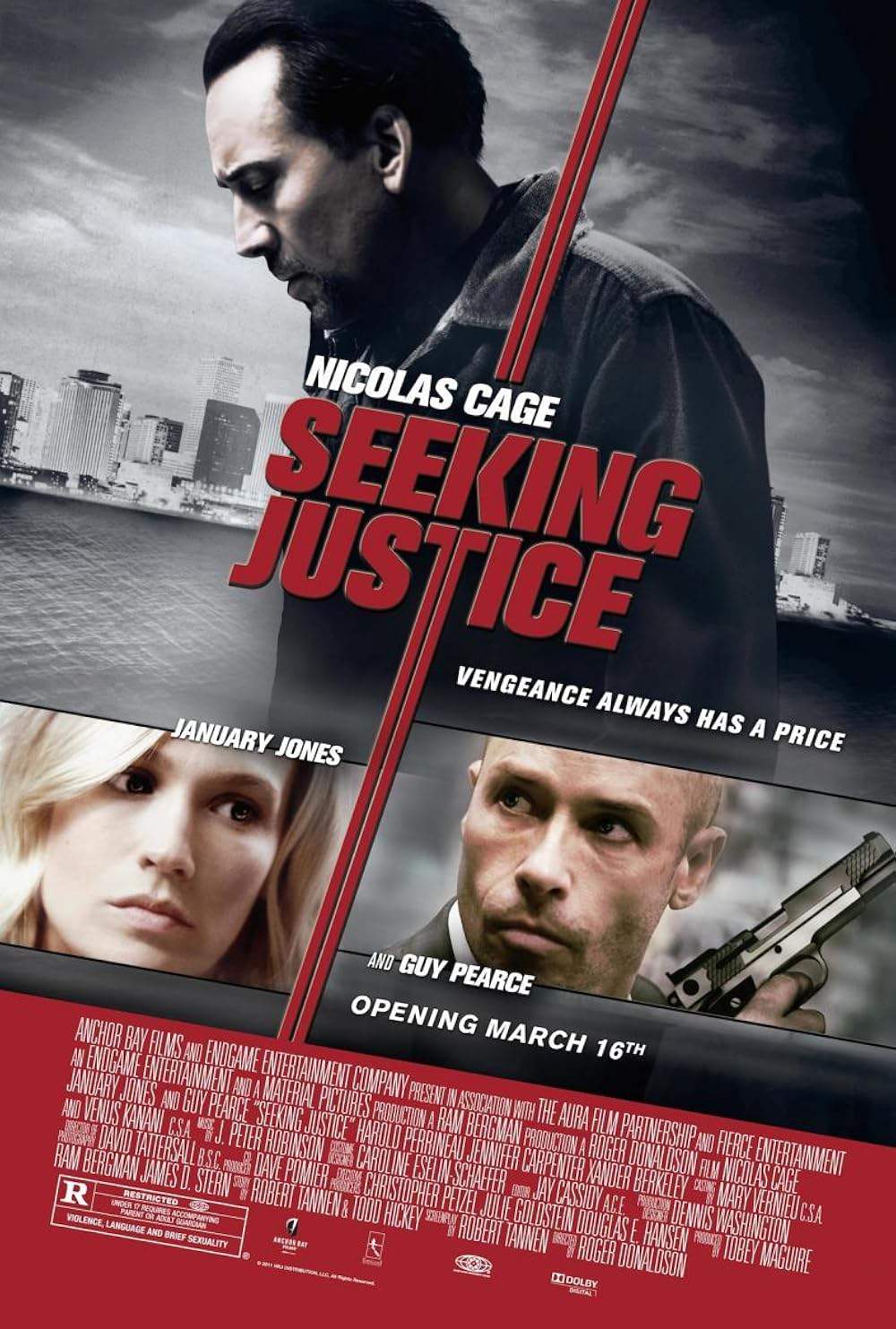
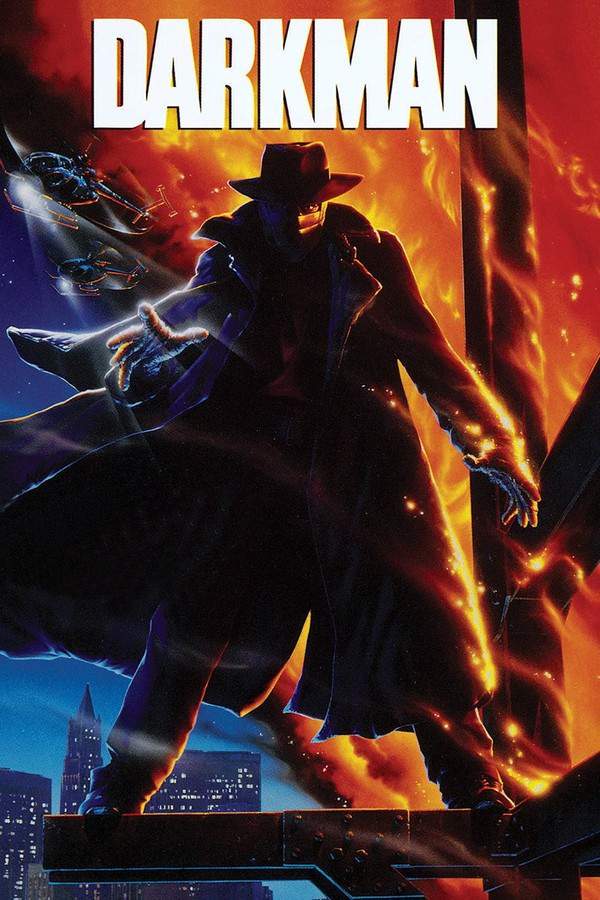
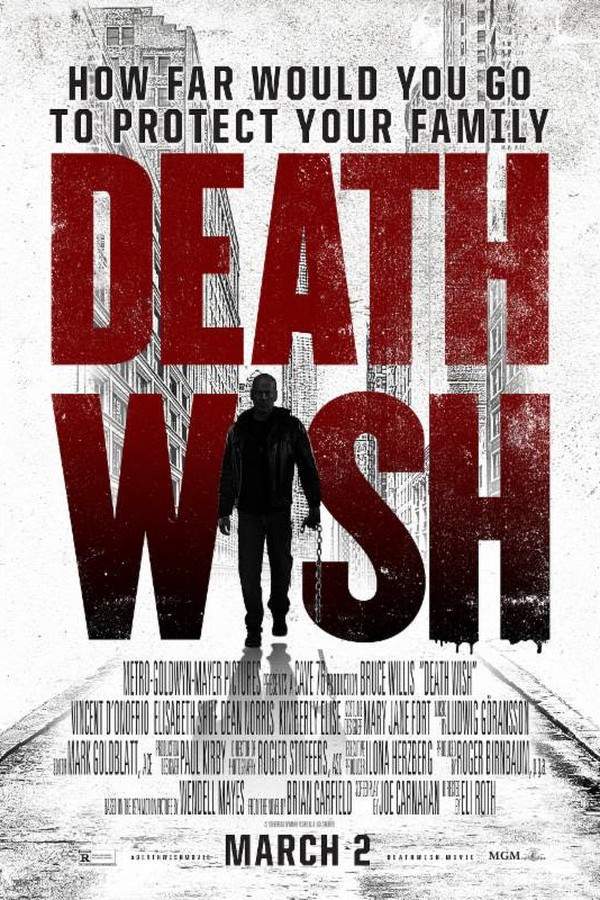
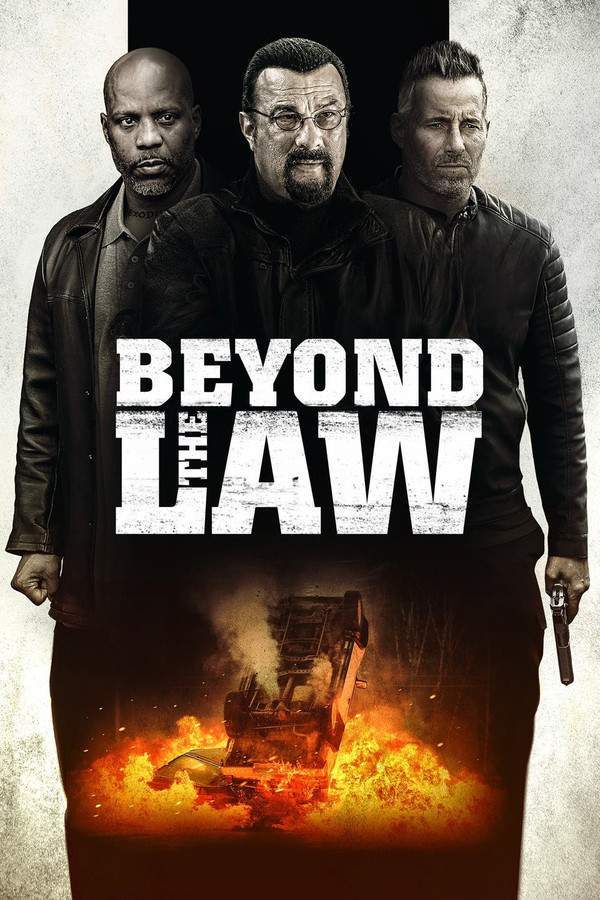
Grim vigilante justice movies similar to The Man of the Year
Dark tales of flawed individuals taking justice into their own bloodstained hands.If you liked the morally complex vigilante story in The Man of the Year, explore these films about characters who take justice into their own hands. These movies share a dark tone, high intensity, and explore the heavy consequences and corruption inherent in violent retribution.
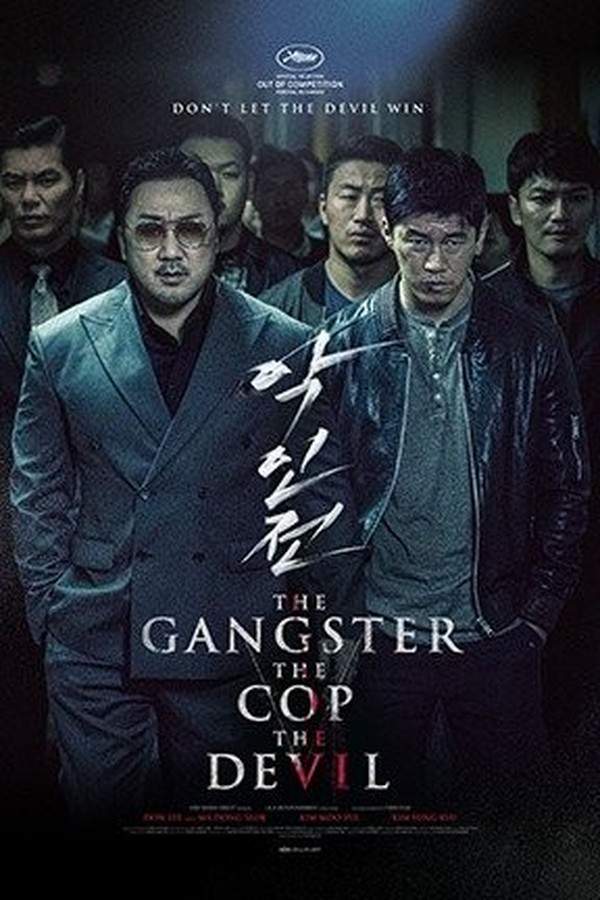
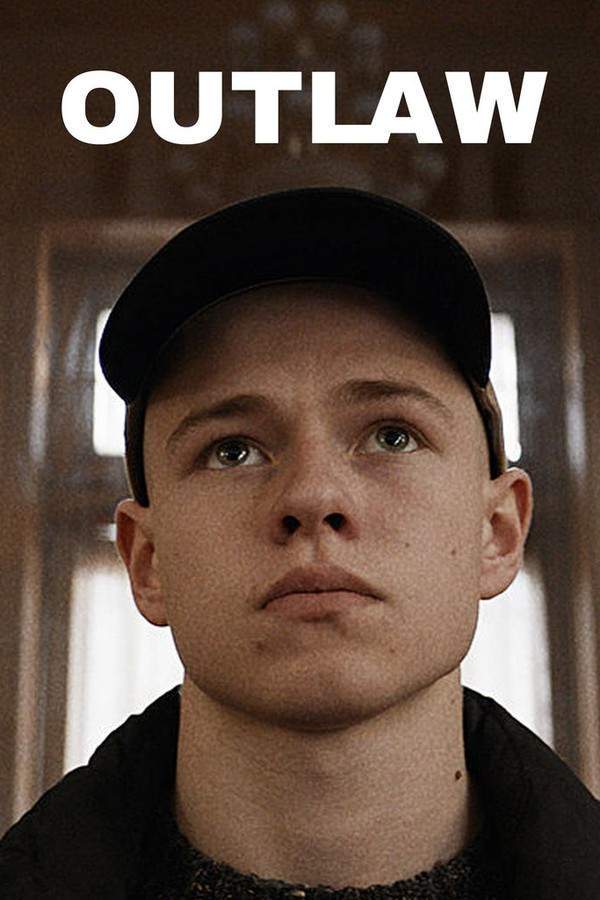
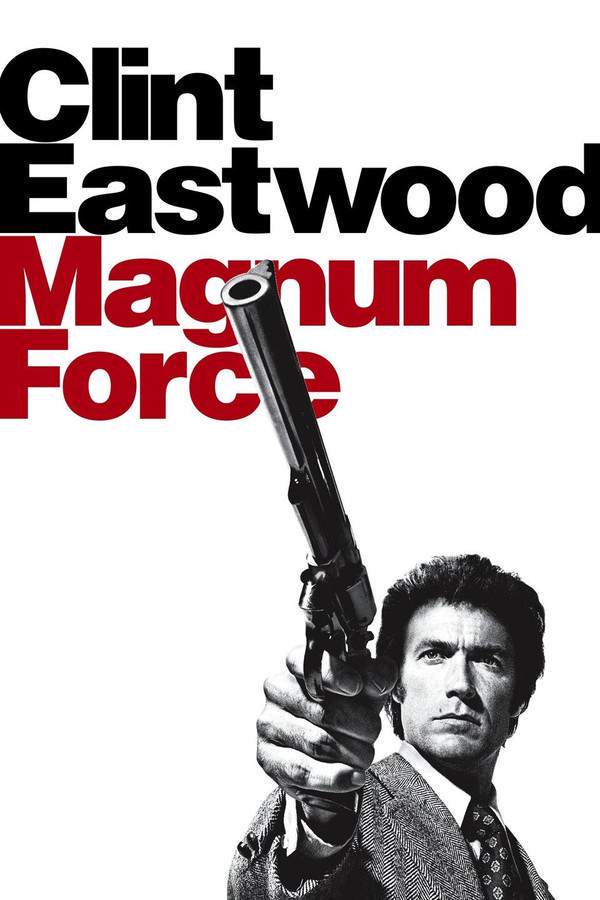


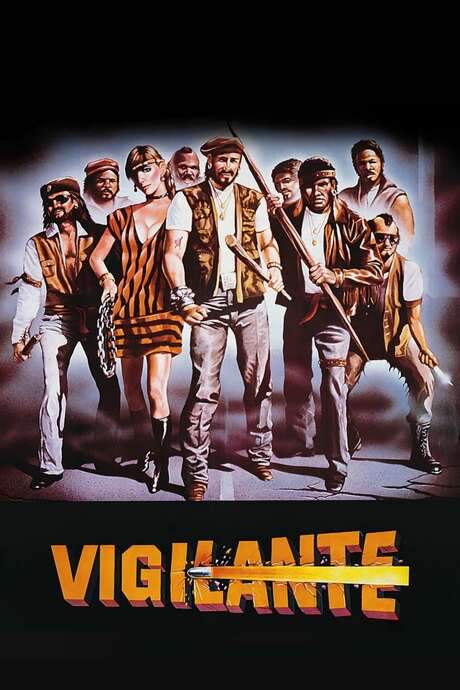
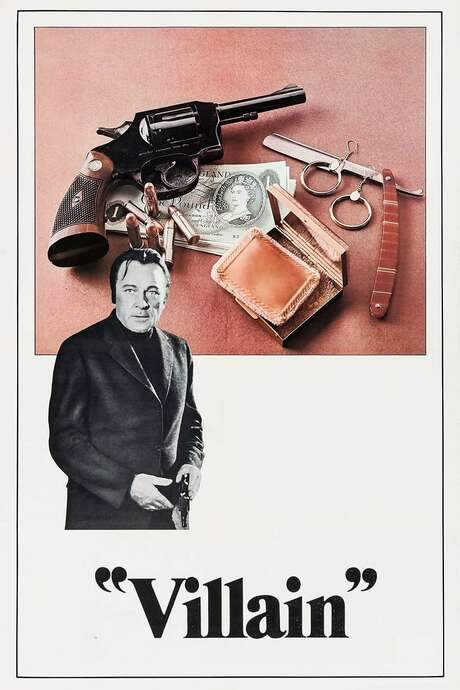


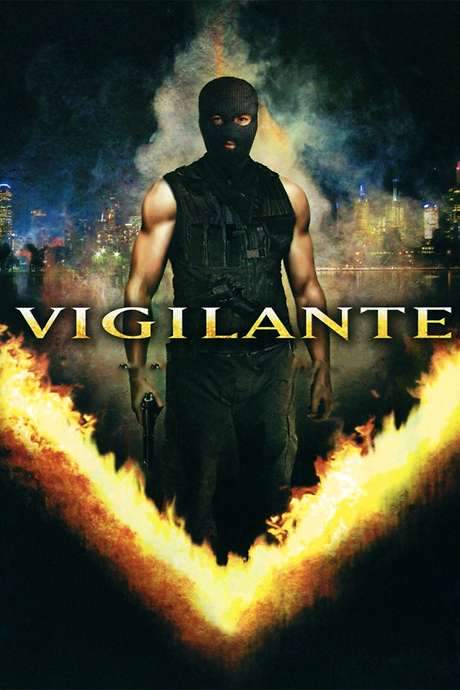
Narrative Summary
The narrative explores a character's adoption of a violent, extralegal role, initially perhaps for a perceived greater good. The story arc typically involves the corruption of their original intentions, the intoxication of power, and the devastating personal cost of their actions, leading to a tragic outcome.
Why These Movies?
These films are united by their exploration of the dark side of vigilante justice, emphasizing the protagonist's moral decay and the grim reality that violence begets more violence. They share a tense, heavy atmosphere devoid of simple heroism.
Unlock the Full Story of The Man of the Year
Don't stop at just watching - explore The Man of the Year in full detail. From the complete plot summary and scene-by-scene timeline to character breakdowns, thematic analysis, and a deep dive into the ending - every page helps you truly understand what The Man of the Year is all about. Plus, discover what's next after the movie.
The Man of the Year Summary
Read a complete plot summary of The Man of the Year, including all key story points, character arcs, and turning points. This in-depth recap is ideal for understanding the narrative structure or reviewing what happened in the movie.

The Man of the Year Timeline
Track the full timeline of The Man of the Year with every major event arranged chronologically. Perfect for decoding non-linear storytelling, flashbacks, or parallel narratives with a clear scene-by-scene breakdown.


Similar Movies to The Man of the Year
Discover movies like The Man of the Year that share similar genres, themes, and storytelling elements. Whether you’re drawn to the atmosphere, character arcs, or plot structure, these curated recommendations will help you explore more films you’ll love.

Man About Town
2006

The Wrung-Out Man
1980

The Man Who Had Power Over Women
1970

He Was Her Man
1934

Man, Woman and Sin
1927

Born Winner
1976

The Man Is Armed
1956

A Very Honorable Guy
1934

A Man Betrayed
1936

Man of the Moment
1935

Happy New Year
1973

Man Of The People
1937

Man to Man
1930

The Manhandlers
1974

Man Trouble
1930
Explore More About Movie The Man of the Year
The Man of the Year (2003) Plot Summary & Movie Recap
The Man of the Year (2003) Scene-by-Scene Movie Timeline
The Man of the Year (2003) Spoiler-Free Summary & Key Flow
Movies Like The Man of the Year – Similar Titles You’ll Enjoy
Man About Town (2006) Plot Summary & Ending Explained
The Wrung-Out Man (1980) Plot Summary & Ending Explained
The Man Who Had Power Over Women (1970) Story Summary & Characters
He Was Her Man (1934) Film Overview & Timeline
Man, Woman and Sin (1927) Story Summary & Characters
Born Winner (1976) Story Summary & Characters
The Man Is Armed (1956) Detailed Story Recap
A Very Honorable Guy (1934) Detailed Story Recap
A Man Betrayed (1936) Story Summary & Characters
Man of the Moment (1935) Complete Plot Breakdown
Happy New Year (1973) Movie Recap & Themes
Man Of The People (1937) Full Movie Breakdown
Man to Man (1930) Spoiler-Packed Plot Recap
The Manhandlers (1974) Spoiler-Packed Plot Recap
Man Trouble (1930) Full Summary & Key Details