Plot Explained Spoilers guaranteed!
Plot Explained

Browse by genre

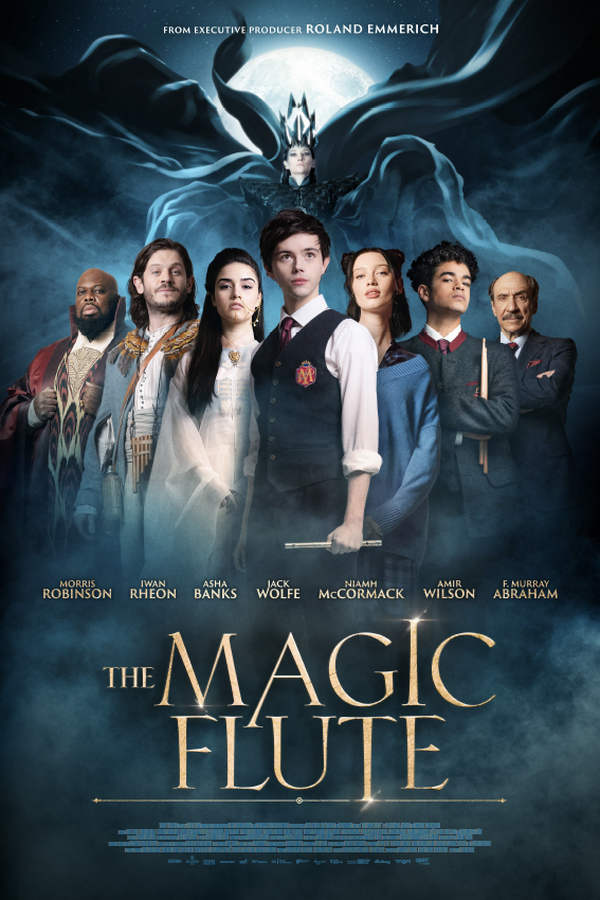
The Magic Flute (2023) movie poster

Ending Explained

The Magic Flute (2023) Ending Explained – Final Scene & Meaning

Release, runtime and language
2023 · 115 min · English
Echo score 77
Loading streaming availability…
Directed by
Florian Sigl
Starring
F. Murray Abraham, Noureddine Farihi, Stéfi Celma, Iwan Rheon, Amir Wilson, Asha Banks
Budget
$6.5M

Navigating the challenges of Mozart All Boys Music School, young Tim finds his boyish dreams colliding with harsh realities. A hidden portal in the library unexpectedly transports him to the wondrous realm of The Magic Flute, a place where creativity thrives and the powerful Queen of the Night reigns. To find his place among the stars, Tim must discover if his voice is authentic enough to overcome the trials ahead.

On this page (7)
  1. 1 Where to watch
  2. 2 What happens at the end
  3. 3 Final events in order
  4. 4 Ending questions answered
  5. 5 Movie threads
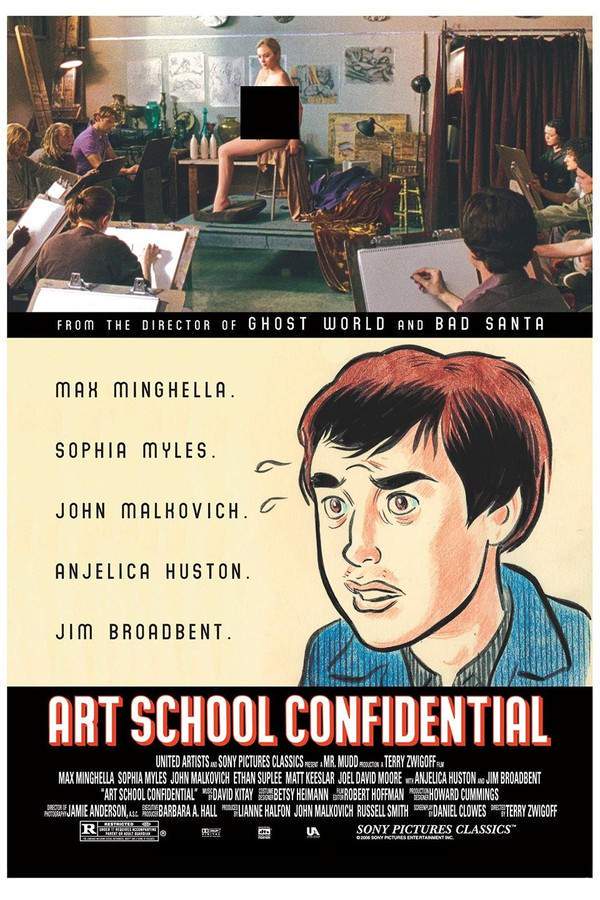
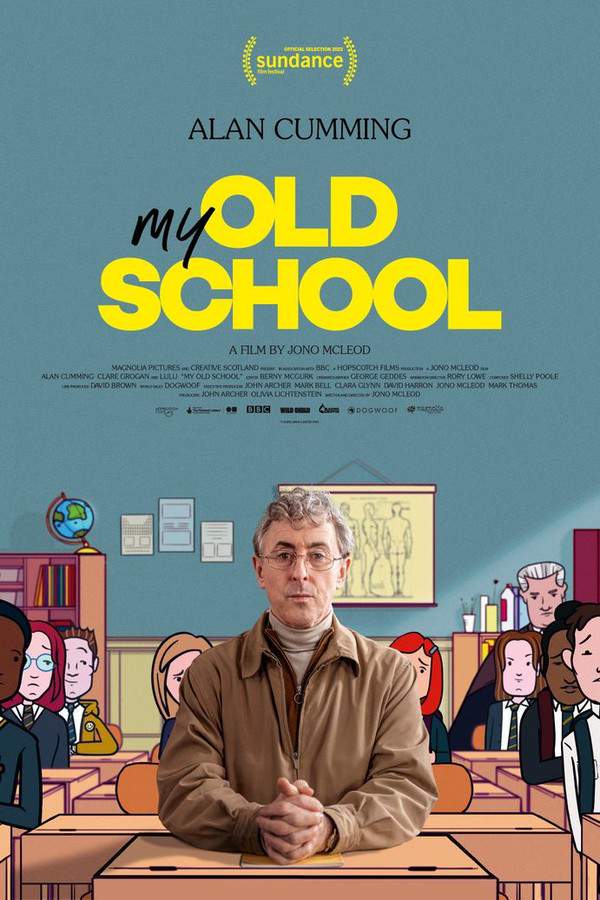
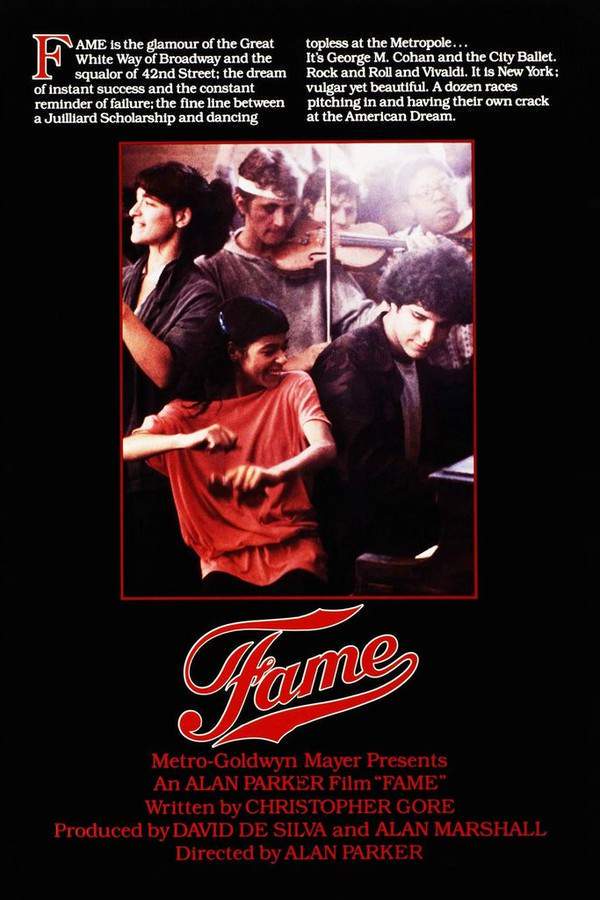
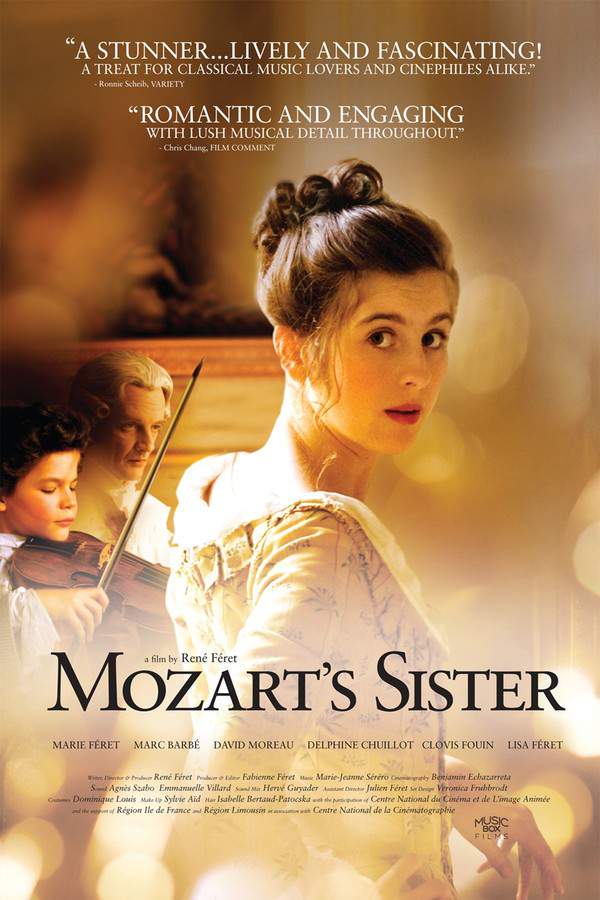
  6. 6 Movies like The Magic Flute
  7. 7 Every angle
Loading streaming availability…

Ending explained · contains spoilers

What Happens at the End of The Magic Flute?

How The Magic Flute (2023) ends, what the final scene means, which earlier moments set it up and how to read the ending if the film leaves it open. The full ending explained, with every spoiler.

The story concludes with Tim, who initially felt like an outsider at the Mozart School, fully embracing his role both in the magical opera land and in his real life. Throughout his journey, he faces tests of patience and courage, ultimately choosing to stay true to his heart rather than succumbing to external pressures. In the magical realm, he plays the part of Prince Tamino flawlessly, symbolizing bravery and integrity, and this success in the fairy tale reflects his growth and self-acceptance in the real world. The Queen of the Night’s plan to plunge the land into eternal darkness is thwarted thanks to Pamina and Tim's refusal to attack Sarastro, revealing the importance of love, friendship, and moral courage. Tim’s role in the opera serves as a catalyst for real change: it inspires Anton Milanesi to accept his responsibility for his past and pursue his true passion, drumming rather than singing. The play ends with Tim playing the stage role, alongside Sophie, as he has learned that true love and heartfelt choices matter most. The story highlights that love, when genuine and conscious, can overcome darkness and lead to personal and collective enlightenment. In the end, Tim finds both his place and his purpose, and the magic of the story reminds us that true heroism involves staying true to oneself and the bonds we cherish.**

The film’s ending reveals that Tim, having undergone a transformative journey both in the magical opera realm and in his own life, ultimately embraces his true self. In the fairy-tale-like world of the opera, he plays the heroic role of Prince Tamino, confronting tests of patience and courage that emphasize staying true to one’s heart. His success in these trials symbolizes his growth and newfound confidence. Simultaneously, in the real world, his performance on stage and his genuine love for Sophie help resolve the conflict of darkness—the Eternal Night—that the Queen of the Night sought to impose. By refusing to attack Sarastro and choosing love and moral courage over fear and violence, Tim prevents the land from falling into chaos. His role as Tamino inspires others, like Anton, to accept their true passions and leave behind false identities—Anton, for instance, embracing drumming instead of singing. Ultimately, the story underscores that authentic love, bravery, and self-awareness can overcome darkness and bring about enlightenment, both personally and collectively. Tim’s journey ends with him playing his part perfectly in the stage performance, surrounded by love, and having discovered that the greatest magic lies in staying true to oneself and the bonds we cherish.
Last updated: June 25, 2025 at 09:00

Was this helpful?

The last 4 events

How The Magic Flute Ends: The Final Events in Order

The last events of The Magic Flute (2023) in chronological order, the run-up to the ending explained above. The complete timeline has all 12 events, scene by scene.

Open the full timeline
  1. Tim faces the choice between art and love

    He is forced to choose between continuing his magical journey and staying connected to the world of his friends and potential romance. The narrative frames this as a core dilemma: art versus love. The decision hinges on staying true to himself and his commitments.

    When
    climax
    Where
    in both worlds
  2. Truth emerges as the key to both paths

    Across his two lives, Tim discovers that truth is the most important thing for both art and love. Honesty with others and with himself becomes the guiding principle. This realization reframes his choices and priorities.

    When
    climax
    Where
    both worlds
  3. Resolution begins as Tim plans his forward path

    Tim's journey leads him toward a path where art and personal relationships can coexist, guided by truth. The story hints at a future where he remains true to himself while pursuing his musical dream. The dual realities are reconciled through integrity.

    When
    final
    Where
    London and Austria
  4. Conclusion: truth as the bridge between art and life

    The overarching message remains that truth binds Tim's artistic aspirations with his personal life. He moves forward with a clearer sense of purpose, carrying the red book as a symbol of his journey. The story closes on the idea that honesty is the essential ingredient for both passion and love.

    When
    final

Ending questions answered

The Magic Flute Ending: Your Questions Answered

The questions people ask most about the ending of The Magic Flute (2023): what the final scene means, how the twist works, what happens to each character and how to read the ending. Each answer contains spoilers.

Q1

Why does Tim refuse to attack Sarastro in the final confrontation?

Tim refuses to attack Sarastro because he chooses love and moral courage over fear and violence. Throughout his journey, Tim learns that genuine compassion and integrity are more powerful than yielding to external pressures. By refusing to harm Sarastro, he demonstrates the bravery and compassion that define a true hero, ultimately thwarting the Queen's plan to plunge the land into eternal darkness.

Foreshadowing: Earlier scenes establish Tim's reluctance to conform to the school's harsh expectations, foreshadowing his choice to follow his heart rather than orders.

  • tim
  • sarastro
  • attack
  • refusal
  • love
  • courage
  • queen of night
Q2

What happens to the Queen of the Night at the end?

The Queen of the Night's plan to plunge the land into eternal darkness is thwarted by Tim and Pamina's refusal to attack Sarastro. Her scheme is defeated when Tim chooses love over violence, demonstrating that her methods of fear and manipulation cannot overcome genuine compassion and moral courage.

Foreshadowing: The Queen's aggressive demands and threat of eternal darkness are introduced early, showing her as an antagonist who relies on coercion rather than authentic power.

  • queen of night
  • defeat
  • darkness
  • sarastro
  • eternal night
Q3

Does Tim choose to stay in the magical realm or return to his real life?

Tim ultimately embraces both worlds rather than choosing one over the other. His success as Prince Tamino in the magical opera realm reflects his growth and self-acceptance in the real world. He returns to play his part in the stage performance, finding that the magic he discovered in the fantasy realm translates into authentic expression in reality.

Foreshadowing: Tim's initial struggle at Mozart School establishes his desire to belong, setting up his ultimate integration of both worlds.

  • tim
  • magical realm
  • real world
  • choice
  • return
  • fantasy
Q4

What does playing Prince Tamino represent for Tim?

Playing Prince Tamino represents Tim's transformation from an outsider who felt inadequate at Mozart School to someone who embodies bravery and integrity. The role requires Tim to pass tests of patience and courage, and his flawless performance symbolizes his growth and newfound confidence in being true to himself.

Foreshadowing: Tim's initial insecurity about his voice and place at school contrasts with the heroic qualities Prince Tamino embodies.

  • tamino
  • prince
  • role
  • performance
  • growth
  • bravery
  • integrity
Q5

What happens to Anton Milanesi after Tim's performance?

Anton Milanesi is inspired by Tim's performance to accept his responsibility for his past and pursue his true passion, drumming rather than singing. Tim's role as Tamino serves as a catalyst for Anton to abandon his false identity and embrace his authentic self, demonstrating how genuine artistic expression can inspire others to do the same.

Foreshadowing: Anton's conflict between his true passion and expectations is established earlier in the film.

  • anton milanesi
  • drums
  • drumming
  • inspiration
  • passion
  • authentic
Q6

Does Tim end up with Sophie at the end?

Yes, Tim ends up playing the stage role alongside Sophie, and their relationship is affirmed through the story's message that true love and heartfelt choices matter most. The film ends with Tim surrounded by love, having discovered that authentic connections are the greatest magic.

Foreshadowing: Sophie and Tim's relationship develops throughout the narrative, with their bond strengthening as Tim becomes more confident.

  • sophie
  • tim
  • relationship
  • love
  • ending
  • together
Q7

Does Tim find his authentic voice by the end of the movie?

Yes, Tim finds his authentic voice and his purpose. Through his journey in the magical opera realm, he learns to stay true to himself rather than succumbing to external pressures. His successful performance as Prince Tamino demonstrates that his voice is authentic and powerful enough to overcome the trials he faces.

Foreshadowing: Tim's initial struggle with whether his voice is good enough establishes this central question.

  • tim
  • authentic voice
  • purpose
  • self
  • acceptance
  • discovery
Q8

How is the Eternal Night defeated in the ending?

The Eternal Night is defeated not through violence, but through Tim and Pamina's refusal to attack Sarastro and their choice of love and moral courage over fear. The story demonstrates that genuine love, when paired with conscious choices and bravery, can overcome darkness, both literal and metaphorical, leading to personal and collective enlightenment.

Foreshadowing: The threat of Eternal Night looms throughout, with the Queen using fear as her primary weapon.

  • eternal night
  • darkness
  • defeat
  • love
  • courage
  • enlightenment
  • queen of night
Q9

What does the ending say about true heroism?

The ending emphasizes that true heroism involves staying true to oneself and the bonds we cherish, not grand gestures or conforming to external expectations. Tim's heroism comes from his authenticity, his willingness to choose love over violence, and his commitment to genuine relationships. The magic of the story reminds viewers that the greatest heroism lies in being true to oneself.

Foreshadowing: Tim's journey is framed as learning what it means to be a real hero versus simply performing a heroic role.

  • heroism
  • true self
  • authenticity
  • theme
  • meaning
  • bonds
  • connection

Movie threads

More Movies Like The Magic Flute, by Mood & Story

Curated lists built around what makes The Magic Flute tick: the same mood, the same kind of story or the same emotional payoff. Each list explains why these movies belong together.

Movies with magical portals and grief like The Magic Flute

Characters escape their sorrow by stepping into a wondrous, operatic fantasy world. Discover movies like The Magic Flute where characters find magical portals that lead to wondrous fantasy worlds. These stories often explore themes of grief, loss, and artistic discovery, blending whimsical adventure with a poignant emotional journey.

  • melancholic
  • whimsical
  • dreamlike
  • yearning
  • hopeful
  • magical
  • Tone: whimsical, melancholic
  • Pacing: steady, alternating worlds
Why these movies?

The story pattern: The narrative follows a protagonist burdened by a real-world emotional struggle, often grief or a sense of not belonging. They discover a portal to a fantastical world that operates on different, often musical or artistic, rules. Their journey through this world becomes a metaphor for their internal processing, leading to a bittersweet resolution that acknowledges both loss and growth.

Why they belong together: These films are grouped by their shared structure of a 'portal fantasy' used to explore heavy emotional themes. They maintain a medium intensity and a steady pacing, balancing whimsical wonder with a melancholic, introspective mood, resulting in a bittersweet ending feel.

Artistic boarding school movies like The Magic Flute

Young artists find their voice and confront reality within the walls of a unique institution. If you liked The Magic Flute's setting, explore more movies about young artists in boarding schools. These films focus on finding one's voice, dealing with grief, and the bittersweet journey of growing up in a competitive, creative environment.

  • introspective
  • yearning
  • hopeful
  • melancholic
  • nostalgic
  • dreamlike
  • Tone: melancholic, hopeful
  • Pacing: steady, character-driven
Why these movies?

The story pattern: The narrative centers on a young student at a prestigious but demanding artistic academy. They struggle with external pressures and internal doubts about their talent and authenticity. Their journey involves a pivotal conflict that forces them to choose between conforming to expectations or embracing their unique voice, leading to a resolution that is more about personal triumph than outright victory.

Why they belong together: This thread groups movies based on their specific setting and central character arc. They share a moderate complexity in exploring themes of artistry and identity, a steady pacing focused on character development, and a consistently melancholic yet hopeful mood rooted in the coming-of-age experience.

If you liked this

Movies Like The Magic Flute

Similar movies to The Magic Flute: the same genre, themes or kind of story. Each one comes with its own plot summary, timeline and ending explained.

Browse all movie summaries

Every angle

The Magic Flute (2023) Explained: Plot, Ending, Timeline & Characters

Everything about The Magic Flute in one place: what happens in the plot summary, the timeline in chronological order, the characters and meaning, the ending explained and a spoiler-free summary. What's After the Movie adds the cast, box office and post-credit scenes.

Coming soon on iOS and Android

The Plot Explained Movie Summary App

Plot summaries, endings explained and timelines on your phone. Catch up on any movie in minutes, save your favorites and never miss a twist again.

Be the first to know when we launch. Your email stays private, always.

Learn more about the app