Plot Explained Spoilers guaranteed!
Plot Explained

Browse by genre

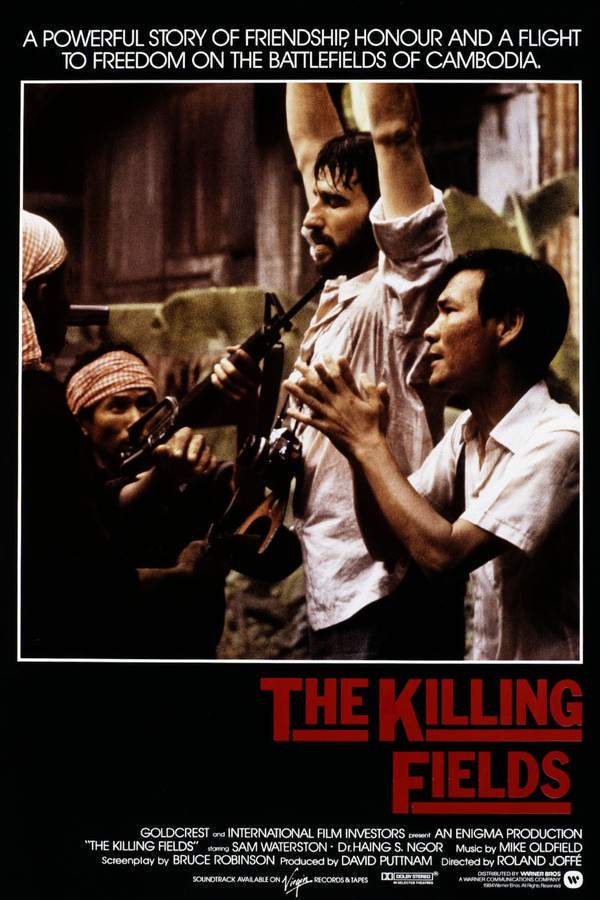
The Killing Fields (1985) movie poster

Spoiler-Free Summary

The Killing Fields (1985) Spoiler-Free Summary – What It's About

Release, runtime and language
1985 · 141 min · English
Loading streaming availability…
Directed by
Roland Joffé
Starring
Sam Waterston, Haing S. Ngor

During the Cambodian genocide, New York Times reporter Sydney Schanberg and photographer Al Rockoff form a close bond with local interpreter Dith Pran. As the Khmer Rouge seize control and the American forces withdraw, the three men face a desperate struggle for survival. Schanberg is forced to make difficult choices, confronting the moral complexities of reporting from a country descending into chaos and the agonizing decision of whether to stay or abandon those left behind.

On this page (7)
  1. 1 Where to watch
  2. 2 What it is about
  3. 3 Is it worth watching?
  4. 4 After you watch
  5. 5 Movie threads
  6. 6 Movies like The Killing Fields
  7. 7 Every angle
Loading streaming availability…

Spoiler-free summary · safe to read

What Is The Killing Fields About? (No Spoilers)

The plot of The Killing Fields (1985) without spoilers: what it is about, who it follows and where it takes place, told without the twists or the ending. Enough to decide whether it is your next watch, not enough to ruin it.

In the waning days of a brutal civil war, Sydney Schanberg arrives in Phnom Pên as a foreign correspondent for a major newspaper, intent on documenting a country teetering on the edge of catastrophe. The city hums with uneasy murmurs of conflict, its streets swarmed by soldiers, refugees, and the looming specter of an ideologically driven regime poised to seize power. The visual palette is stark—dust‑filled markets, flickering neon signs, and the ever‑present haze of uncertainty that colors every interaction.

Beside him, Al Rockoff, a keen‑eyed photographer, carries his camera like a shield, seeking truth through lenses that capture both beauty and devastation. Their partnership is a study in contrast: Schanberg’s measured prose meets Rockoff’s instinctual eye for the decisive instant. Together they navigate a landscape where every headline risks being a casualty, and every shutter click can become a silent witness to history unfurling in real time.

The heart of the narrative beats through Dith Pran, a local interpreter whose own survival depends on the fragile trust he builds with the two outsiders. He moves silently through the turmoil, translating not only language but the weight of cultural memory and personal loss. His presence grounds the foreign eyes in a reality that is both intimate and terrifying, hinting at deeper bonds that will be tested as the looming regime tightens its grip.

The film’s tone oscillates between the gritty urgency of frontline journalism and the haunting stillness of a society on the brink of irreversible change. It invites the audience to feel the moral tension of reporting from the eye of a storm while questioning how far one can—or should—go when the line between observer and participant blurs beneath the shadow of an impending tragedy.

Last updated: August 10, 2025 at 14:08

Was this helpful?

What to expect

Is The Killing Fields Worth Watching? What It Feels Like

Is it dark, sad, slow, intense or confusing? The mood of The Killing Fields (1985) in a few tags, without a word about how it ends. Each tag opens a list of movies that feel the same.

After you watch

Seen The Killing Fields? Now Read the Spoilers

Once you have watched The Killing Fields (1985), come back for the full story: the plot summary with spoilers, the timeline in chronological order, the characters and meaning.

Movie threads

More Movies Like The Killing Fields, by Mood & Story

Curated lists built around what makes The Killing Fields tick: the same mood, the same kind of story or the same emotional payoff. Each list explains why these movies belong together.

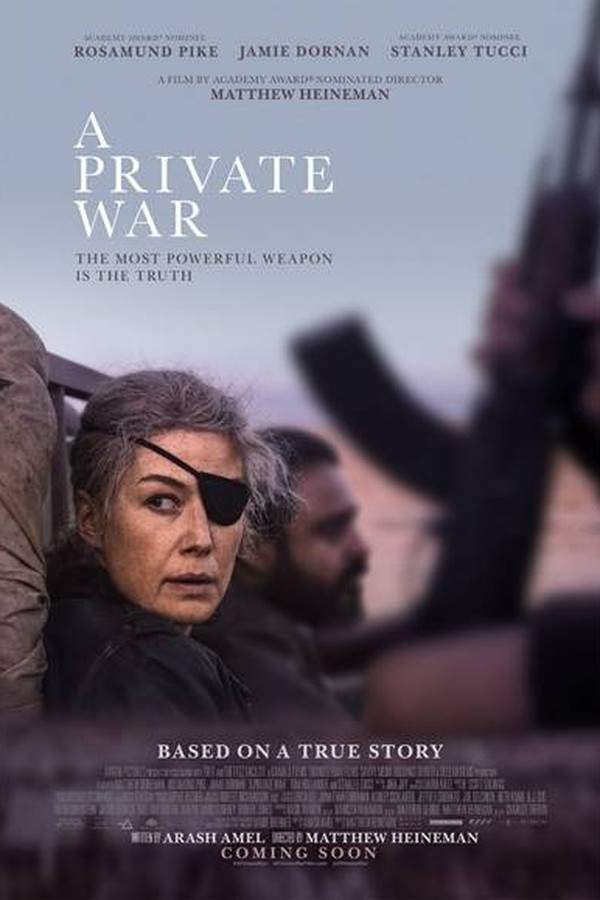
War journalism movies like The Killing Fields

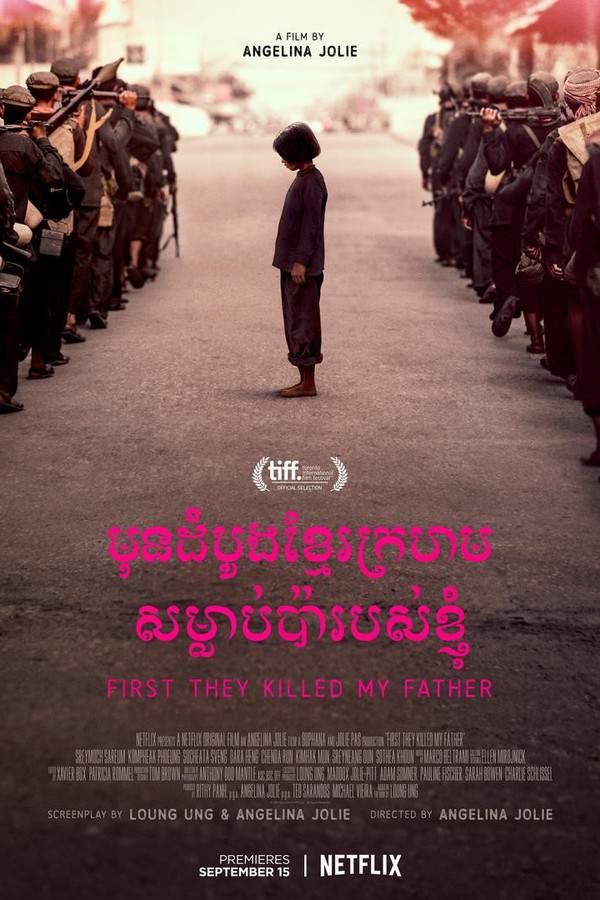
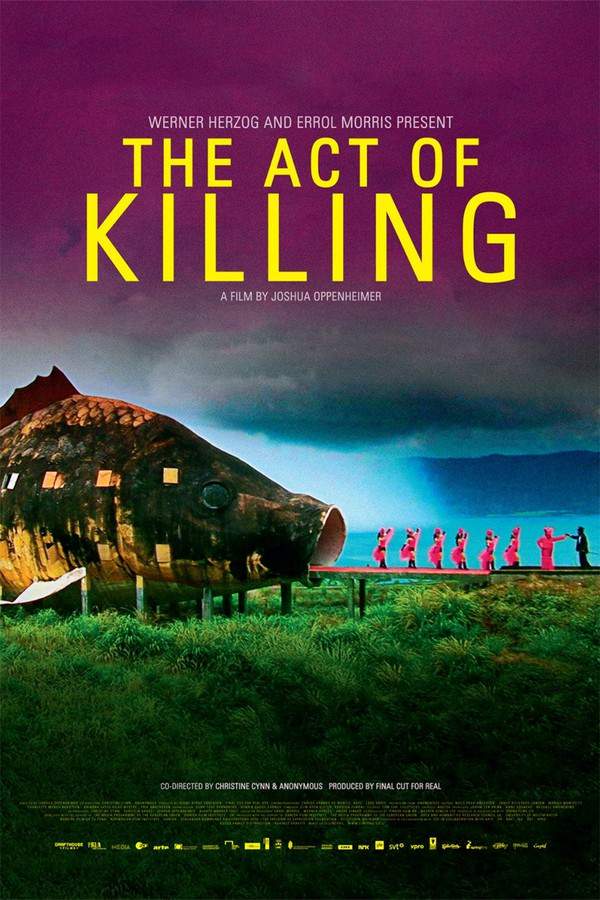
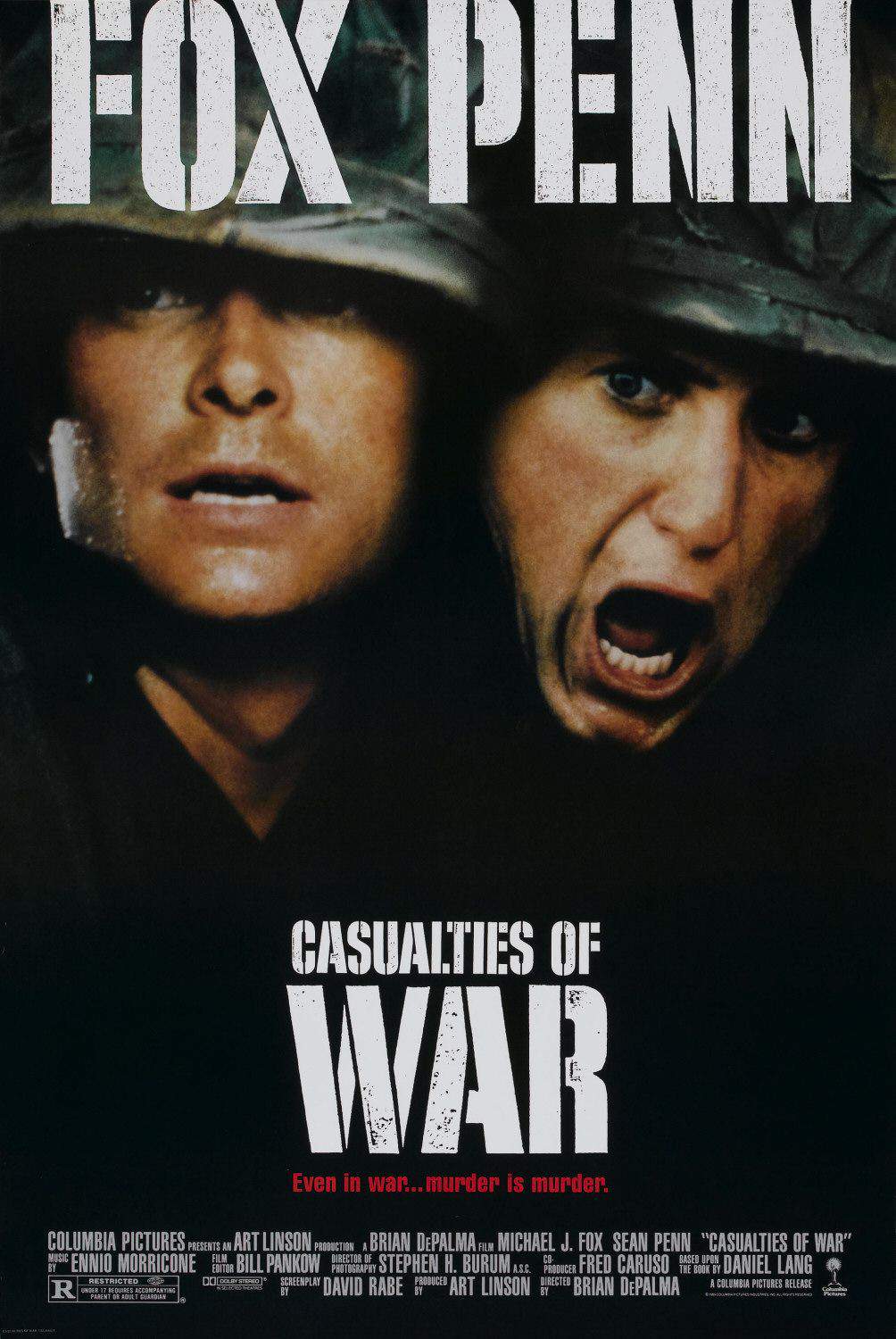
Journalists confront the moral weight of truth-telling in violent conflict zones. If you were gripped by the ethical struggles of reporters in The Killing Fields, explore these similar films about war journalists. These movies delve into the moral weight of reporting from conflict zones, the bond between correspondents and their local interpreters, and the trauma of witnessing human suffering up close.

  • tense
  • urgent
  • thought-provoking
  • guilt-ridden
  • grim
  • harrowing
  • Tone: dark, urgent, guilt-ridden
  • Pacing: steady, immersive
Why these movies?

The story pattern: These narratives typically follow journalists who enter a war zone with professional detachment, only to be consumed by the human crisis around them. The plot revolves around their struggle to survive and report the truth while facing impossible moral choices, often involving the safety of their local colleagues. The arc is one of professional duty colliding with profound personal guilt and survival.

Why they belong together: They are grouped by their shared focus on the war journalism profession as a lens to examine larger moral and political issues. The experience is defined by high-stakes survival, a sense of urgent, on-the-ground reporting, and a deep exploration of the guilt and responsibility that comes with being a witness to atrocity.
Political survival dramas like The Killing Fields

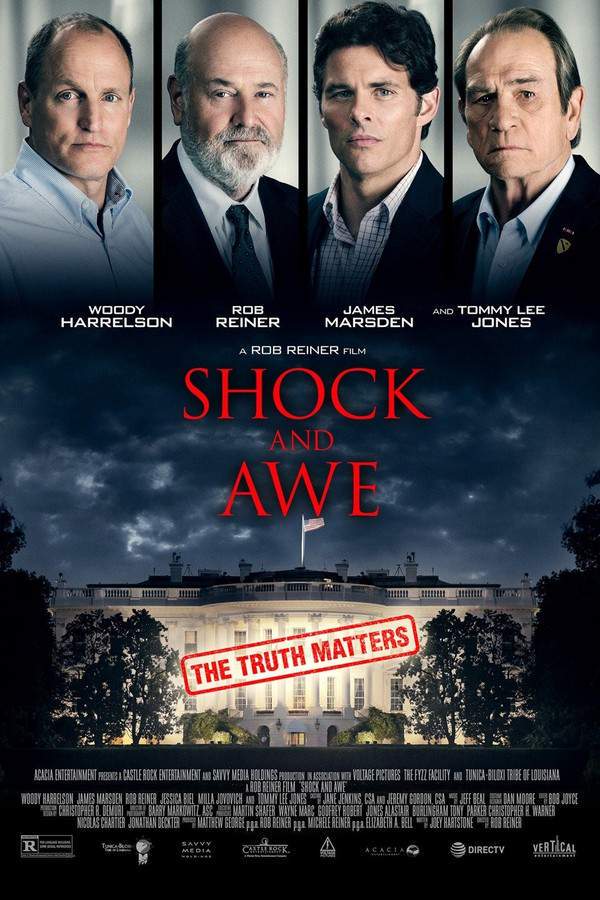
Ordinary people endure the brutal chaos of a country descending into tyranny. For viewers seeking more films like The Killing Fields that depict the brutal reality of survival during political collapse. These harrowing dramas are set against real historical genocides or revolutions, focusing on the physical and moral struggle to endure in a world descending into chaos and tyranny.

  • harrowing
  • brutal
  • grim
  • somber
  • tense
  • urgent
  • Tone: dark, brutal, harrowing
  • Pacing: steady, relentless
Why these movies?

The story pattern: The narrative pattern follows a group of characters—often a mix of outsiders and locals—as a stable society rapidly disintegrates into violence and repression. The story is a linear descent into hell, focusing on day-to-day survival, impossible choices, and the loss of humanity. The journey is one of endurance against overwhelming odds, often culminating in a bittersweet or bleak resolution that underscores the immense cost of survival.

Why they belong together: These films share a specific, intense vibe: the experience of being trapped in a historical nightmare. They are united by their grim, documentary-like realism, high emotional weight, and a steady pacing that builds a suffocating sense of dread. The central theme is the human spirit tested by extreme political violence.

If you liked this

Movies Like The Killing Fields

Similar movies to The Killing Fields: the same genre, themes or kind of story. Each one comes with its own plot summary, timeline and ending explained.

Browse all movie summaries

Every angle

The Killing Fields (1985) Explained: Plot, Timeline & Characters

Everything about The Killing Fields in one place: what happens in the plot summary, the timeline in chronological order, the characters and meaning and a spoiler-free summary. What's After the Movie adds the cast, box office and post-credit scenes.

Coming soon on iOS and Android

The Plot Explained Movie Summary App

Plot summaries, endings explained and timelines on your phone. Catch up on any movie in minutes, save your favorites and never miss a twist again.

Be the first to know when we launch. Your email stays private, always.

Learn more about the app